Water Companies Proactively Restrict Customer Usage Across Drought-Affected Regions
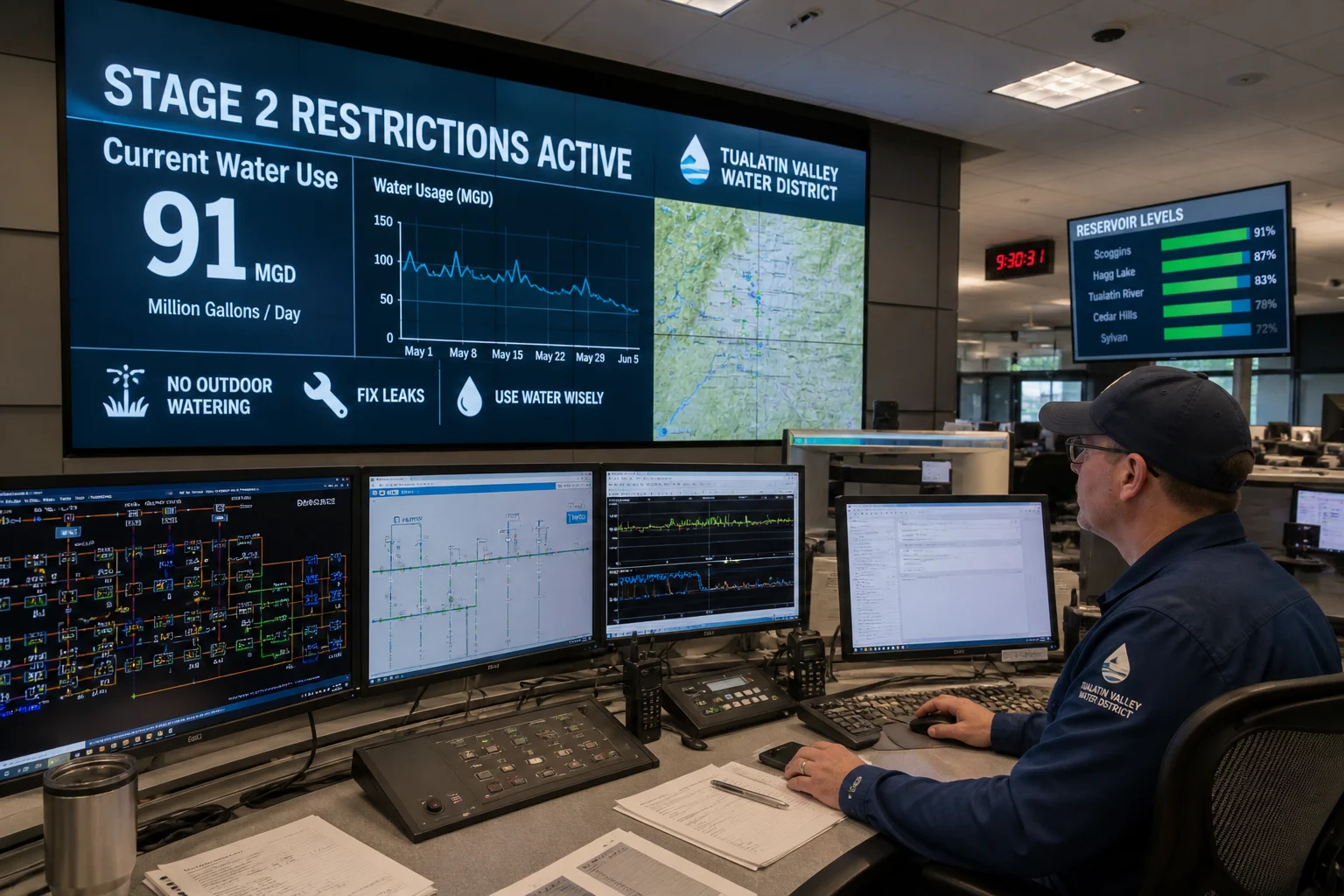
Water utilities across North America have activated mandatory customer-usage restrictions earlier and more aggressively in 2026 than at any point in the past two decades. Nine major utilities — Metro Vancouver, Calgary, Charlotte Water, Raleigh Water, Denver Water, Aurora Water, the Southwest Florida Water Management District, the Region of Waterloo, and the Auburn (AL) Water Works Board — have all activated formal mandatory restrictions between mid-March and May 1. The cluster is not coincidence. It reflects a structural shift in how utilities approach demand management in an era of less-predictable supply.
The 2026 cluster of restriction activations
The pace of activations matters as much as the count. Six of the nine utilities activated restrictions before any acute supply emergency had triggered them under historical practice. Metro Vancouver's decision to skip Stage 1 entirely and activate Stage 2 directly on May 1 — banning all lawn watering across 21 member jurisdictions — was unprecedented in the regional district's history. Calgary's permanent year-round watering schedule, approved April 29, was framed as infrastructure resilience rather than drought response. Charlotte Water's mandatory Stage 2, effective May 15, was activated when basin storage was still above the historical Stage 2 trigger threshold.
The exception to the proactive pattern is the Southwest Florida Water Management District's Modified Phase III activation on March 24, 2026. SWFWMD followed its standard reservoir-level trigger framework — Phase III activates when district-wide rainfall deficit exceeds 13 inches over the prior six months and combined storage falls below specified thresholds. The 2026 SWFWMD activation matches the 2017 and 2012 patterns: reactive to acute conditions, with the rule book applied as written. The other eight utilities all moved earlier than their historical practice would have required.
Why utilities are moving earlier
Three structural drivers explain the shift. First, demand-response curves are slower than supply-response curves. Once a utility's reservoir storage hits the historical Stage 2 trigger, activating mandatory restrictions and waiting for customer behaviour to change takes 6 to 8 weeks to produce measurable demand reduction. Reservoirs continue to drain during that lag. Utilities that wait for reactive triggers experience deeper supply-side risk because the demand response cannot keep up with the rate of storage drawdown during late-summer peak demand. Activating earlier extends the supply margin without requiring deeper restriction levels later.
Second, climate-driven supply variability has widened. The 2025–26 winter's South Coast snowpack at 50% of normal is not a one-off — it is the third below-average winter in a row across most western North American basins. Utility hydrologists are increasingly modelling against scenarios where the historical 'normal' precipitation distribution no longer applies. When the supply-side variance widens, the risk-optimal trigger for demand-response action moves earlier in the season. Several utilities have explicitly published revised trigger frameworks reflecting the wider variance.
Third, the political case for proactive action has strengthened. Utility managers have learned from the 2007 North Carolina drought, the 2014–22 California drought, and the 2015 Metro Vancouver Stage 3 event that early voluntary appeals tend to produce limited compliance unless paired with credible enforcement. The political cost of activating mandatory restrictions before strict supply triggers requires it has dropped significantly — customers are more accepting of proactive action when the framing emphasises infrastructure resilience and supply-side uncertainty rather than acute crisis.
Reduction targets and early results
The reduction targets utilities have set for 2026 vary widely, reflecting differences in supply margin, baseline per-capita usage, and political appetite for restriction. Metro Vancouver's Stage 2 ban targets a 30% region-wide demand reduction. Denver Water targets 20%. Charlotte Water targets 10%. Raleigh Water targets 15%. The Region of Waterloo's annual seasonal restriction targets a more modest 8% summer reduction. Auburn's Phase II targets 20%. Calgary's permanent year-round schedule targets a longer-horizon 20% per-capita reduction by 2040, not an immediate 2026 percentage.
Early week-four data shows two utilities — Raleigh Water and Denver Water — already exceeding their reduction targets. Raleigh has hit 18% reduction against a 15% target. Denver has hit 21% against a 20% target. The over-performance reflects the combination of cooler-than-normal April weather, intensive customer communication campaigns, and high voluntary compliance among customers who were already conservation-minded before mandatory restrictions began. The other utilities are tracking 30 to 60 percent of the way to their stated targets — meaningful early progress but not yet enough to call success.
Public versus private utility approaches
The 2026 activations split roughly evenly between publicly owned and privately operated utilities. All nine of the cluster utilities are public — Metro Vancouver and Calgary are regional/municipal entities; Charlotte Water, Raleigh Water, Denver Water, Aurora Water, the SWFWMD, the Region of Waterloo, and Auburn Water Works are all public utilities. The largest US privately owned water company, American Water (which serves customers in 14 states), has activated formal Conservation Stage 2 in five of its service areas in 2026 but has not announced district-wide restrictions across its full footprint.
The structural difference between public and private utility approaches centres on rate-recovery mechanisms. Publicly owned utilities can absorb short-term revenue shortfalls from reduced demand by drawing on rate stabilisation reserves or by accepting modest budget impacts subject to municipal council approval. Privately owned utilities must recover lost revenue through state public-service-commission rate-case proceedings, which can take 18 to 24 months. The asymmetry can make private utilities more reluctant to activate restrictions that materially reduce billable demand, particularly in service areas where rate-case approval is politically uncertain.
The technology layer
Several of the 2026 cluster utilities have leaned heavily on advanced metering infrastructure (AMI) to enable both enforcement and customer behaviour-change support. Aurora Water's smart meters monitor water use in 15-minute intervals, allowing the utility to detect off-schedule watering automatically rather than relying on inspector observation. Denver Water's WaterSmart customer portal shows daily usage data and compares household consumption to similar properties — a behavioural-economics intervention that has produced measurable additional reduction beyond what mandatory restrictions alone would have achieved.
The technology layer is not yet uniform across the sector. Older utilities — including some of the largest in North America — still operate on monthly manual meter reads and lack the granular data needed to detect off-schedule watering directly. The 2026 activations have accelerated AMI investment plans across several utilities; the Charlotte Water 2026 capital plan, approved in late April, includes a $145 million AMI deployment that is now scheduled for completion by end-2027 rather than the original end-2029 target. The political case for accelerated AMI investment becomes much easier to make when restrictions are already active.
What this means for customers
For residential customers across the affected service areas, the practical message is consistent across utilities: programme the controller, follow the assigned schedule, accept that lawns may go semi-dormant, and prepare for the restrictions to last beyond a single summer. Most of the 2026 activations carry no defined end date — they are tied to reservoir-storage recovery rather than calendar dates. Several utilities, Calgary among them, have made permanent structural changes that do not lift even after acute drought conditions improve.
For business and commercial customers, the implications are more pointed. Restaurants, hotels, golf courses, large commercial-property landscaping operators, and construction firms requiring water for dust control and concrete work have all faced sharply higher operating costs and direct revenue impacts in 2026. Several utilities have established dedicated commercial-customer conservation programmes with targeted technical assistance — Denver Water's Commercial Industrial Multi-Family programme has worked with roughly 200 large customers since March to identify operational changes that reduce demand without disrupting business operations. The pattern is sector-wide: utilities are increasingly treating large commercial customers as partners in demand-response rather than passive ratepayers, and the relationship is being redefined accordingly.
The longer-term implication of the 2026 cluster is that utilities have implicitly accepted a new operating posture. Mandatory restrictions are no longer reserved for acute drought emergencies; they are an active demand-management tool used proactively when supply-side risk widens. That shift, more than any single restriction activation, is the durable story of spring 2026 in North American water utilities.
Related water restrictions
Community Reports & Questions
Share an update, ask a question, or report a change in your local restrictions.
No community reports yet
Be the first to share a local update, ask a question, or report a change in your area's restrictions.
More news
Florida Escalates to Phase III Extreme - SJRWMD Tightens Rules Across 18 Counties
May 13, 2026
Coastal Bend Water Crisis Spreads - Aransas Pass and Beeville Declare Disasters as Corpus Christi Hits 7.8%
May 12, 2026
UK Braces for Summer 2026 Drought as Key Reservoir 'Will Not Fully Recover'
May 2, 2026
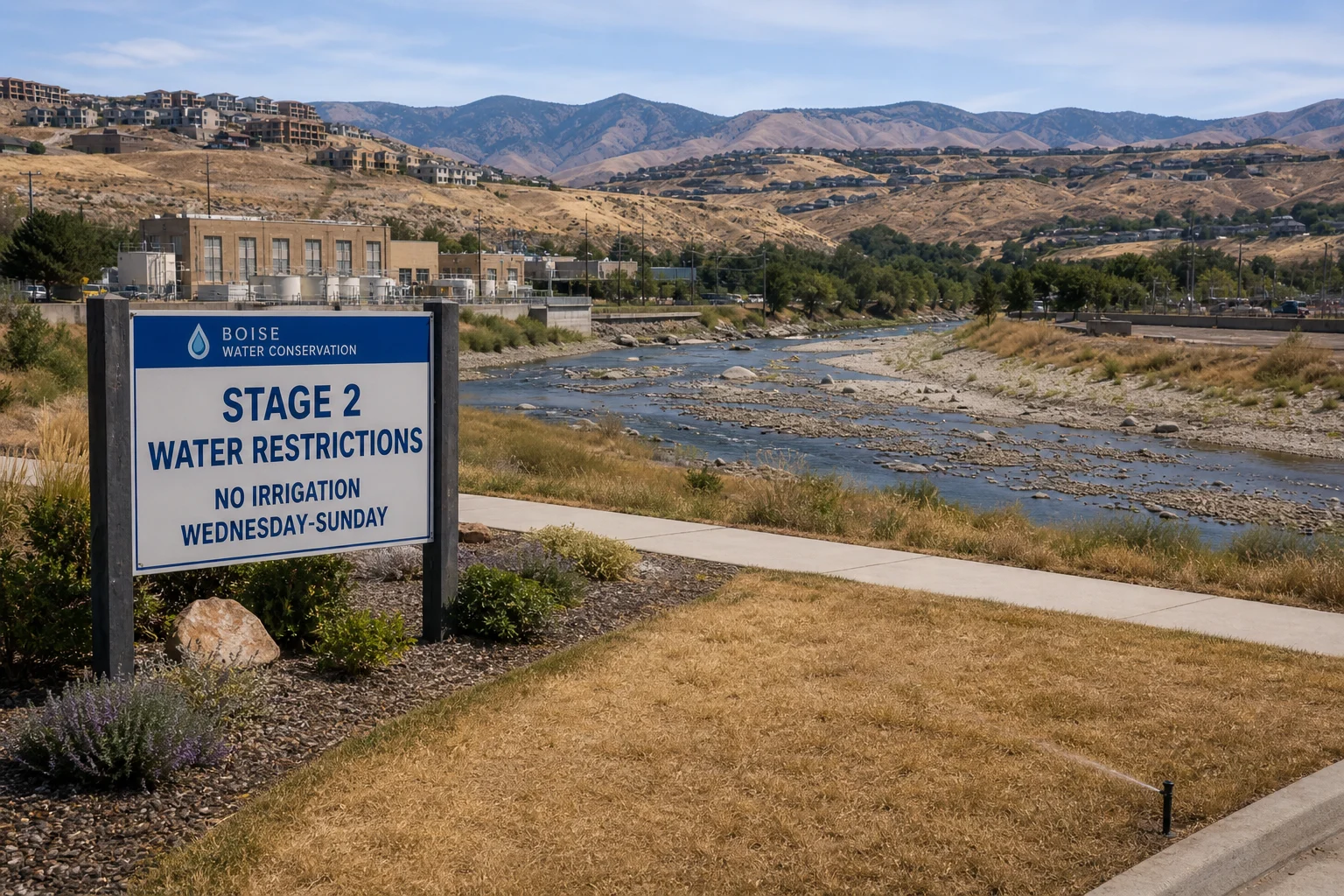
Boise Forced Into Early Stage 2 Water Restrictions as Snake River Hits Record Lows
May 2, 2026
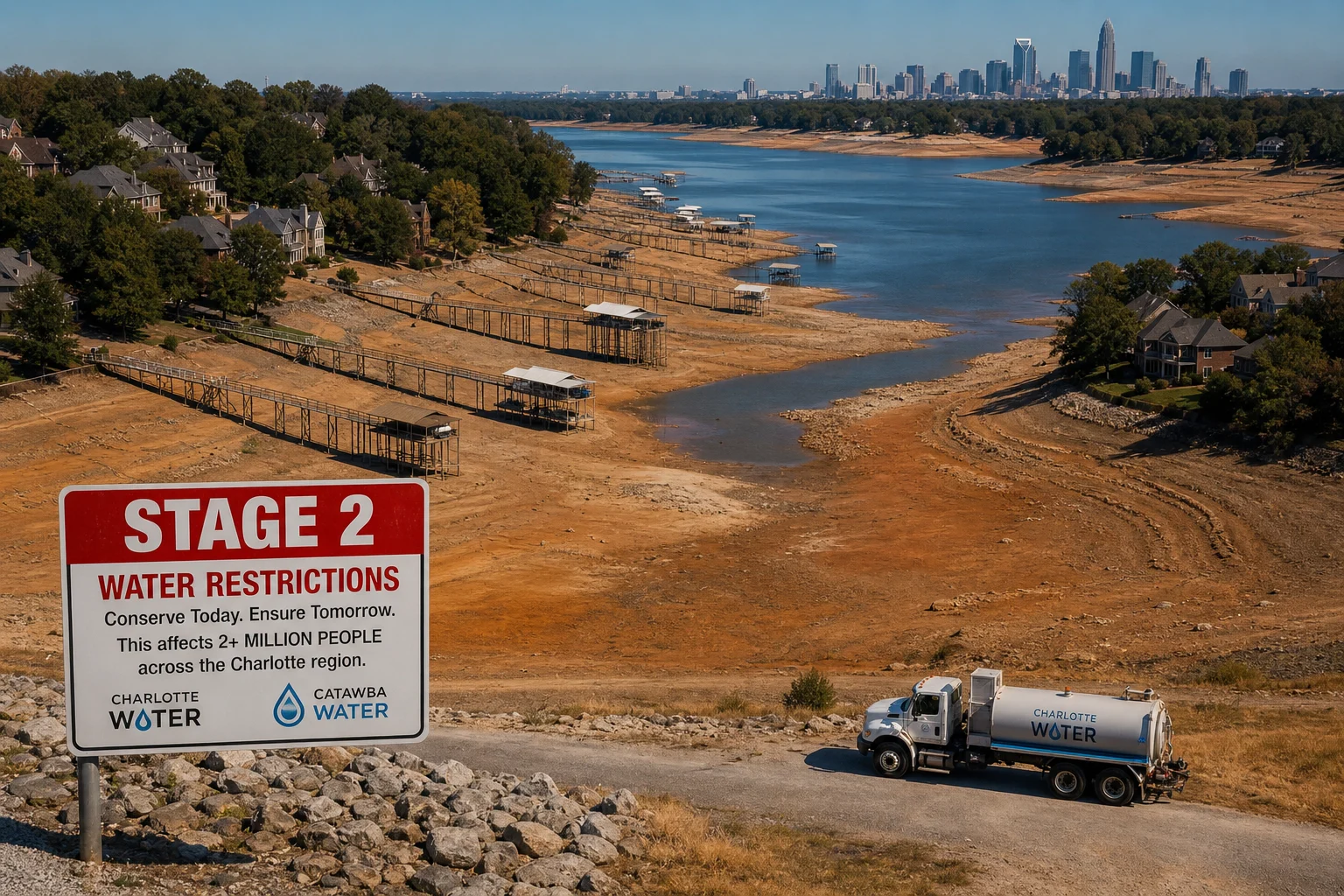
Charlotte Metro Hits Stage 2 Water Restrictions — First 'Exceptional Drought' Since 2008
May 2, 2026
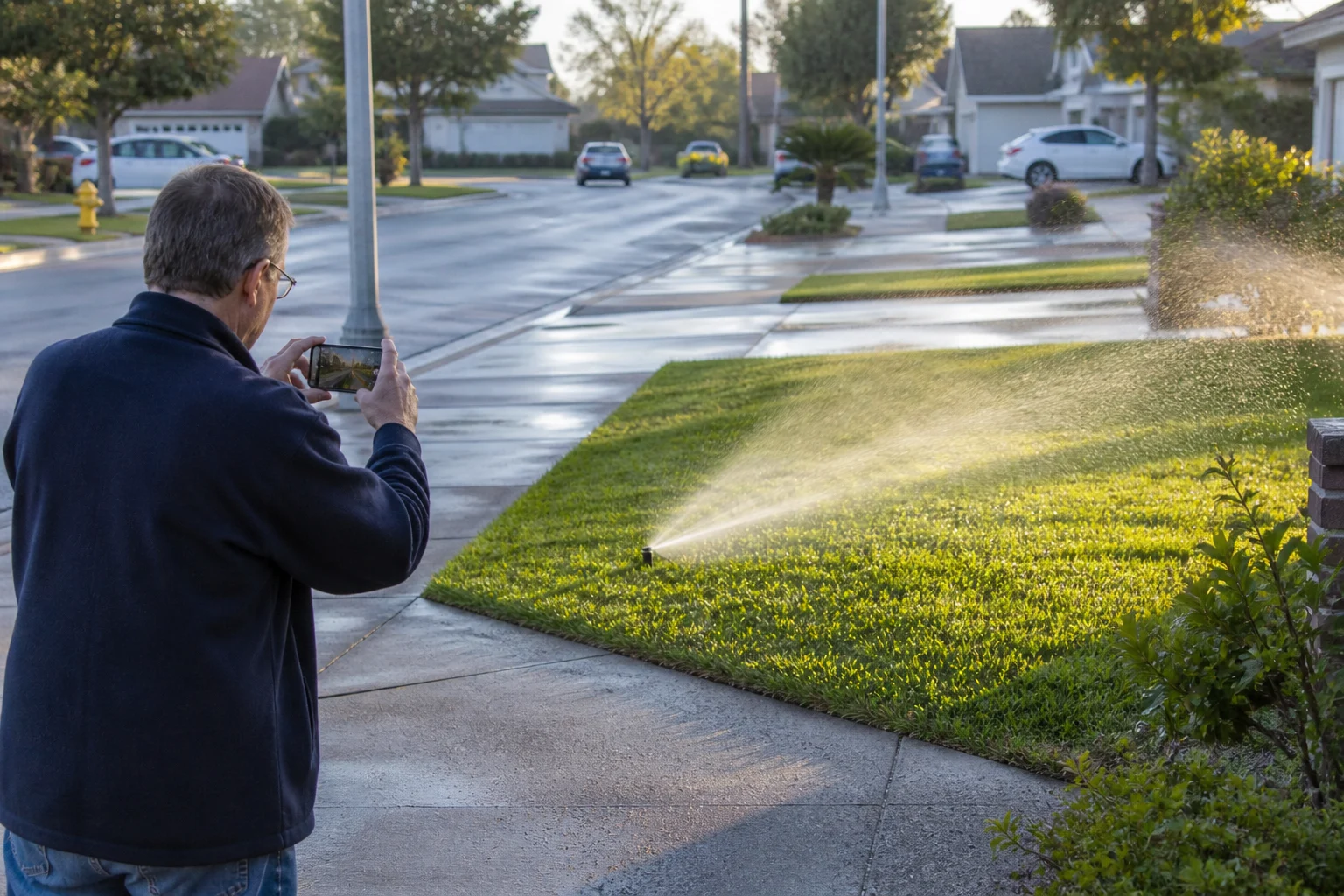
Neighbors Turn 'Water Police': Community Reporting of Violations Rises
May 2, 2026
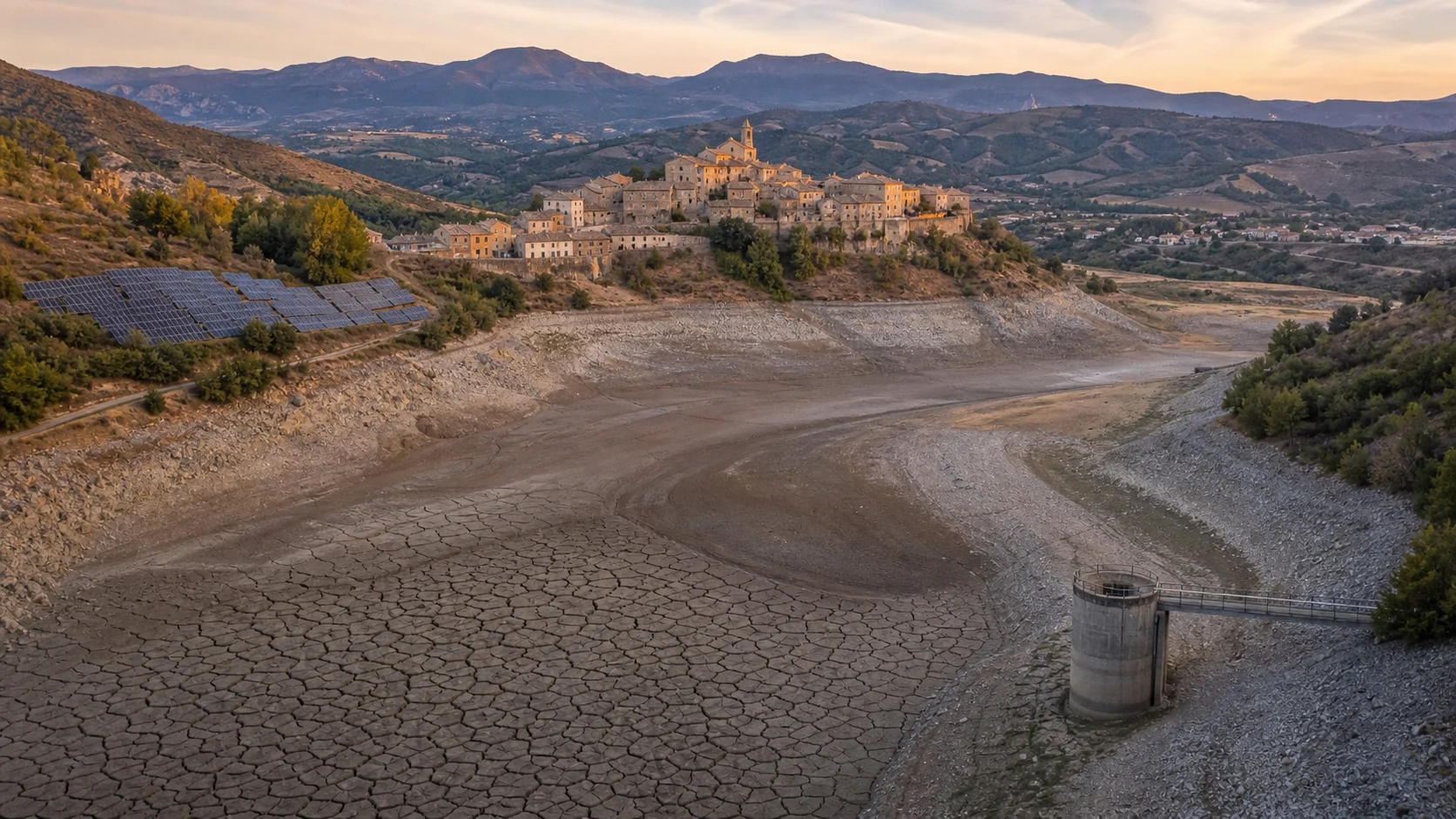
Europe's Water Crisis Worsens: Continental Aquifer Depletion Accelerates
May 2, 2026
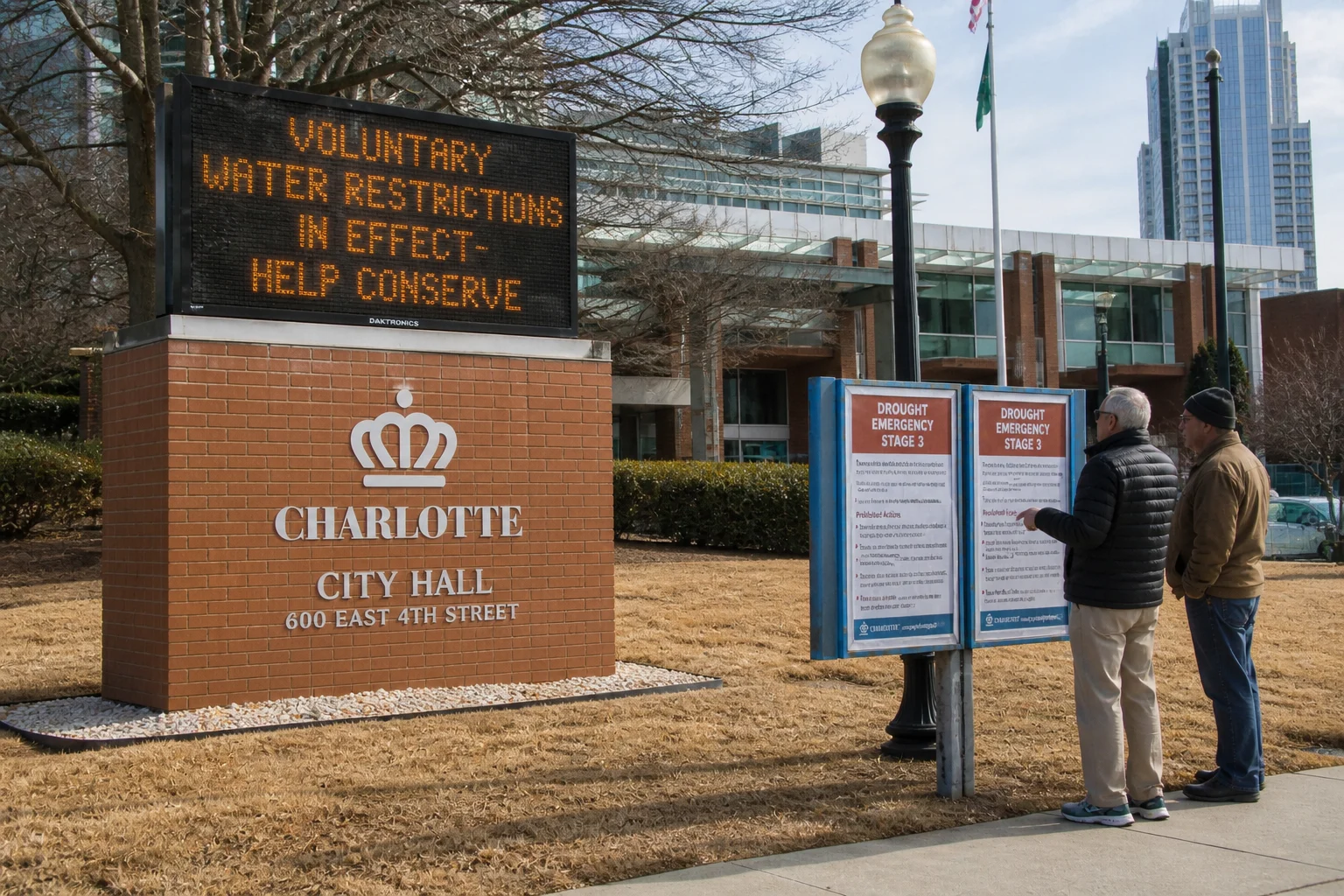
Charlotte Issues Voluntary Water Restrictions and Burn Ban Amid Ongoing Drought
May 2, 2026
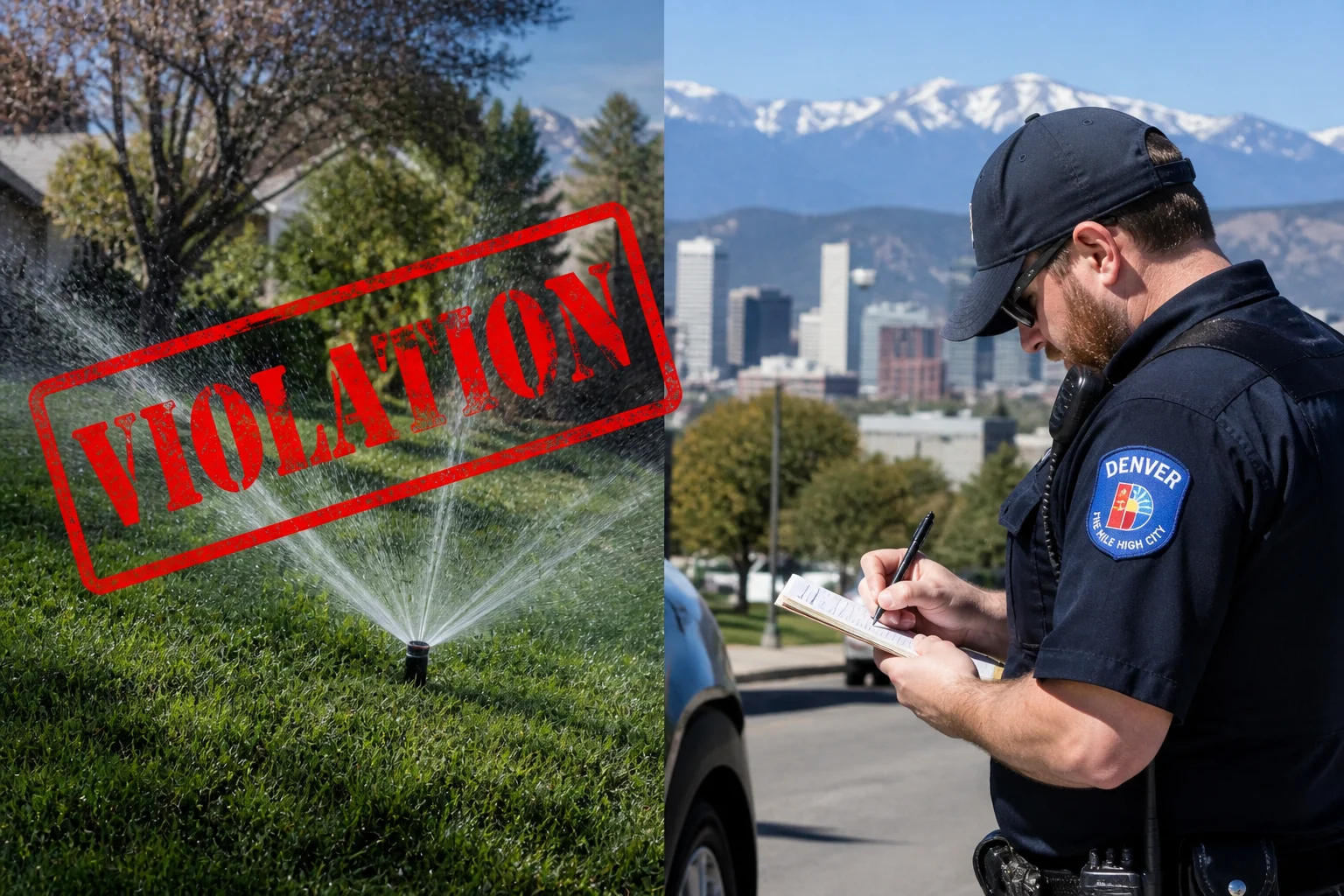
Denver Implements Mandatory Water Restrictions with 'Hundreds of Dollars' in Fines
May 2, 2026
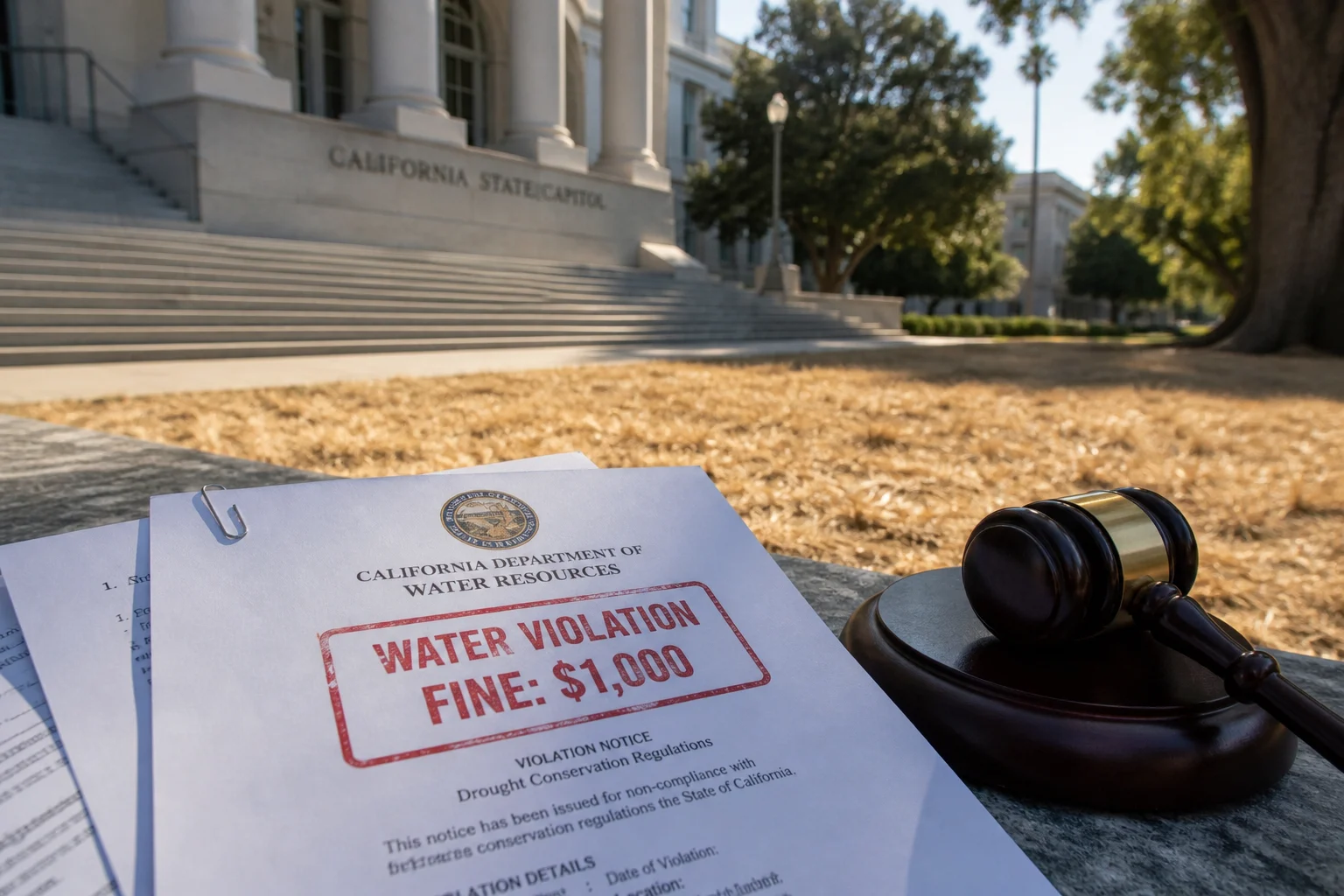
California Water Violation Fines Set to Increase 20-Fold Under New Legislation
May 2, 2026
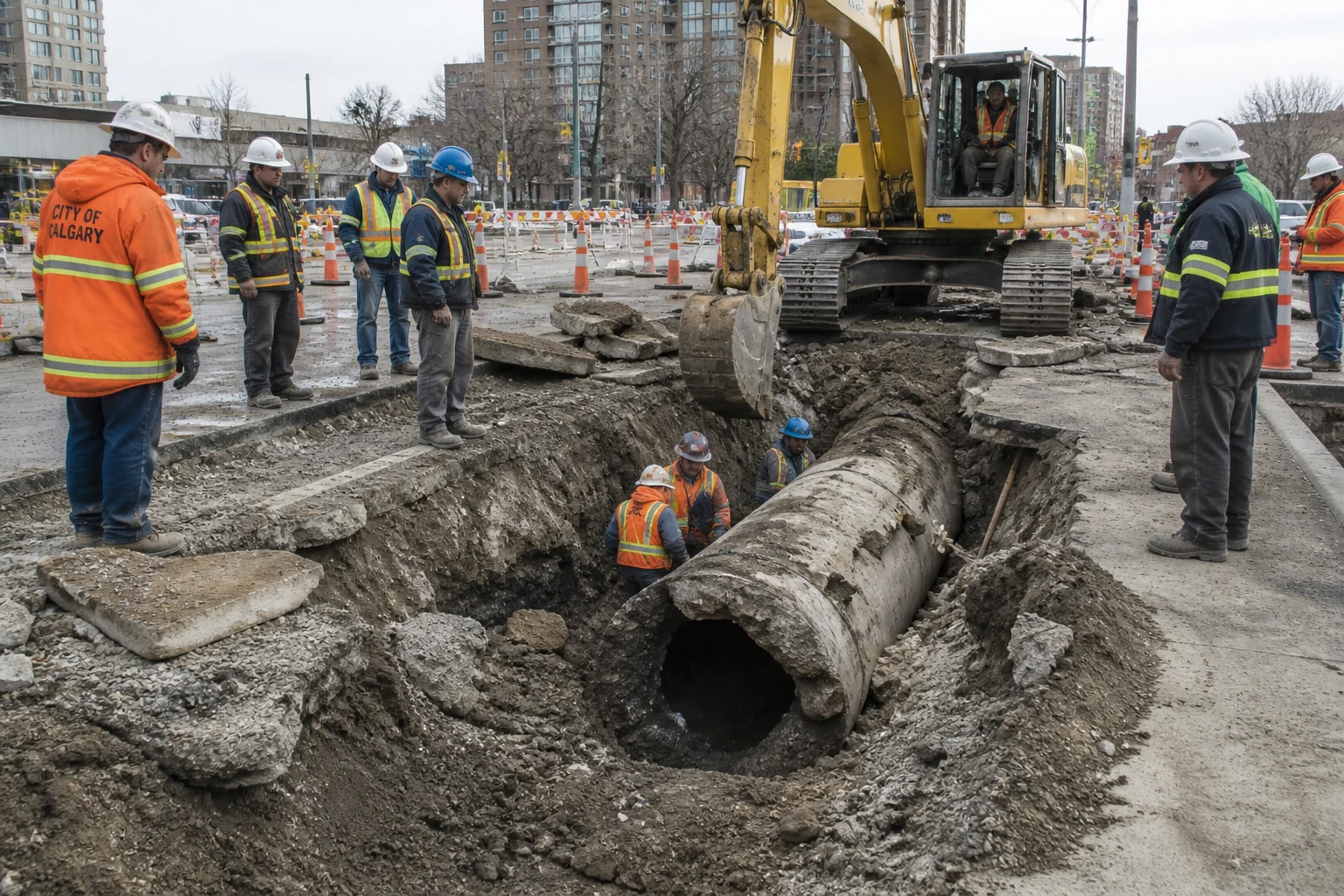
Alberta Orders Provincial Investigation Into Calgary's Recurring Water Main Breaks
May 2, 2026
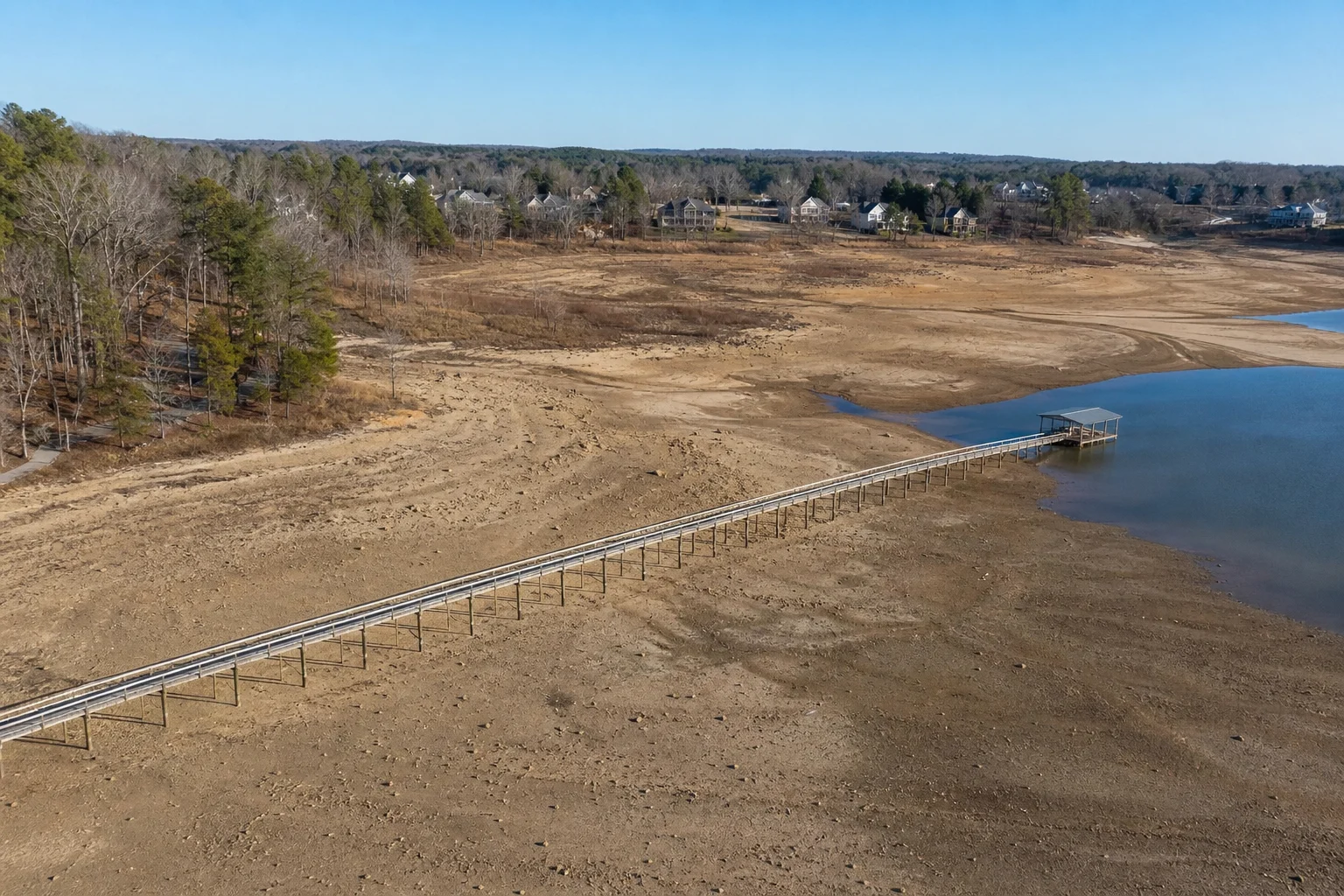
Raleigh Activates Stage 1 Water Restrictions as Falls Lake Drops to 84% Capacity
May 2, 2026
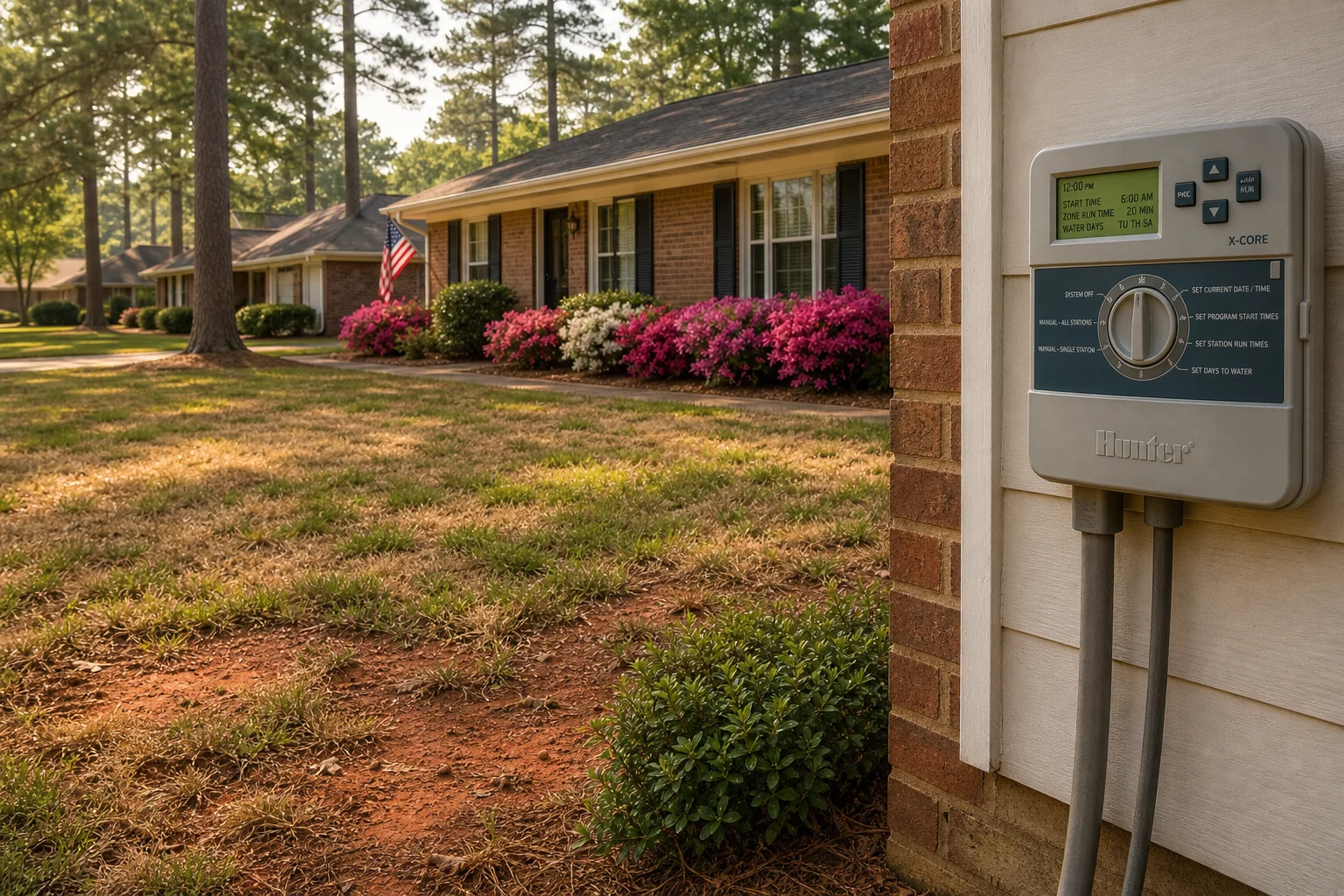
Auburn, Alabama Enacts Mandatory Water Restrictions and Drought Surcharges
May 1, 2026
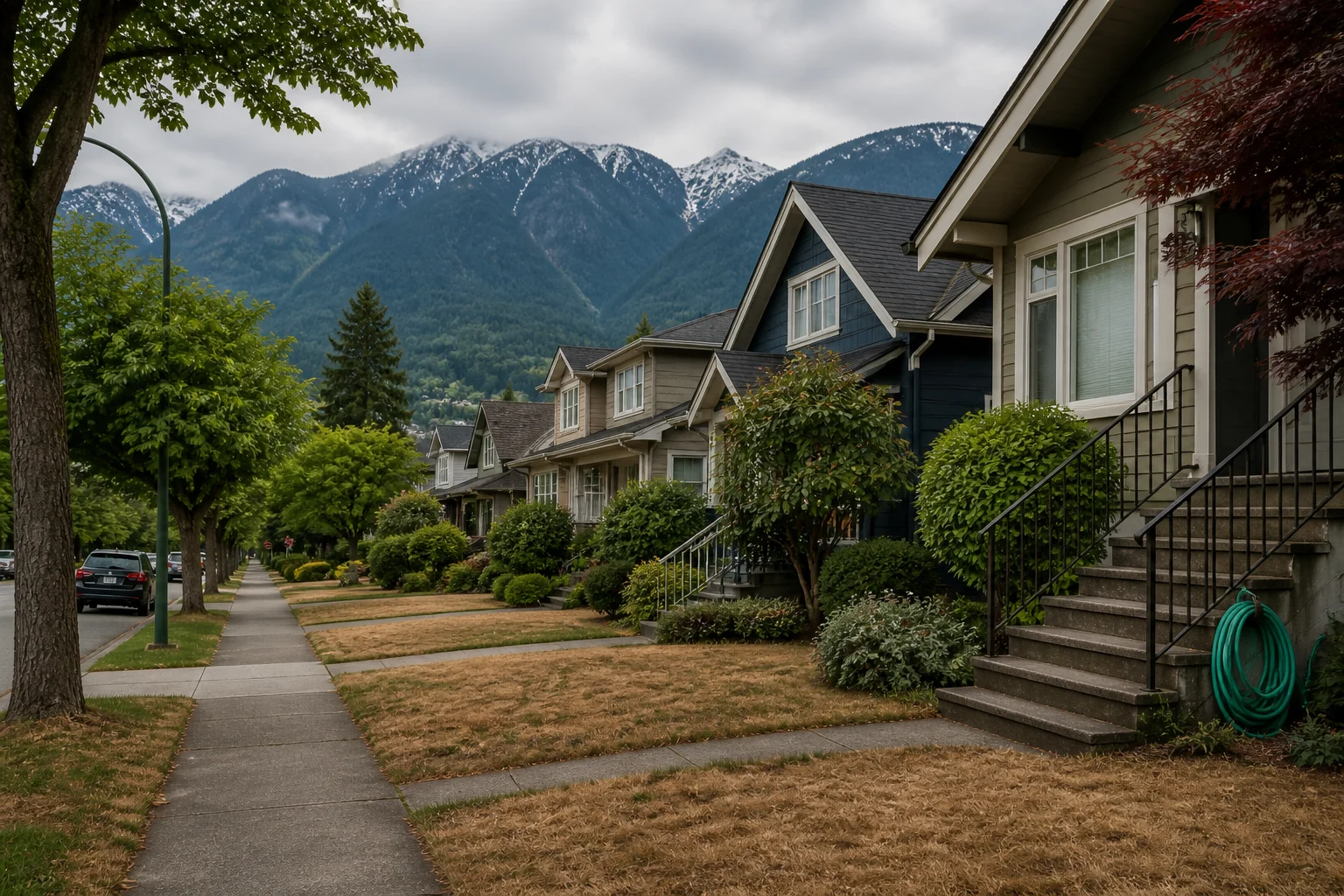
Vancouver Bans All Lawn Watering — Why BC Skipped Straight to Stage 2
May 1, 2026
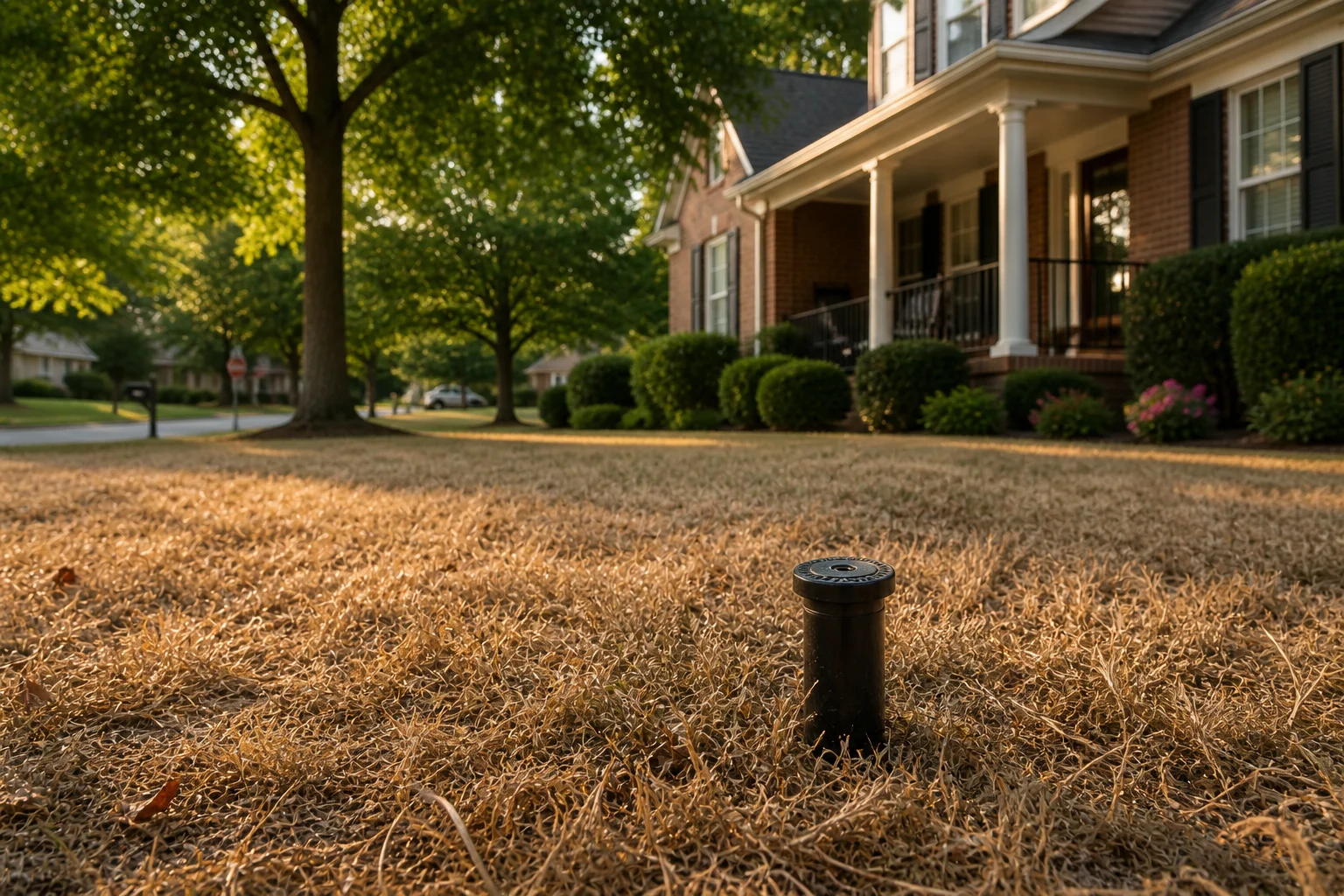
Charlotte Imposes First Mandatory Water Restrictions Since 2007 — What Homeowners Need to Know
May 1, 2026
Corpus Christi Could Become the First American City to Run Out of Water
May 1, 2026