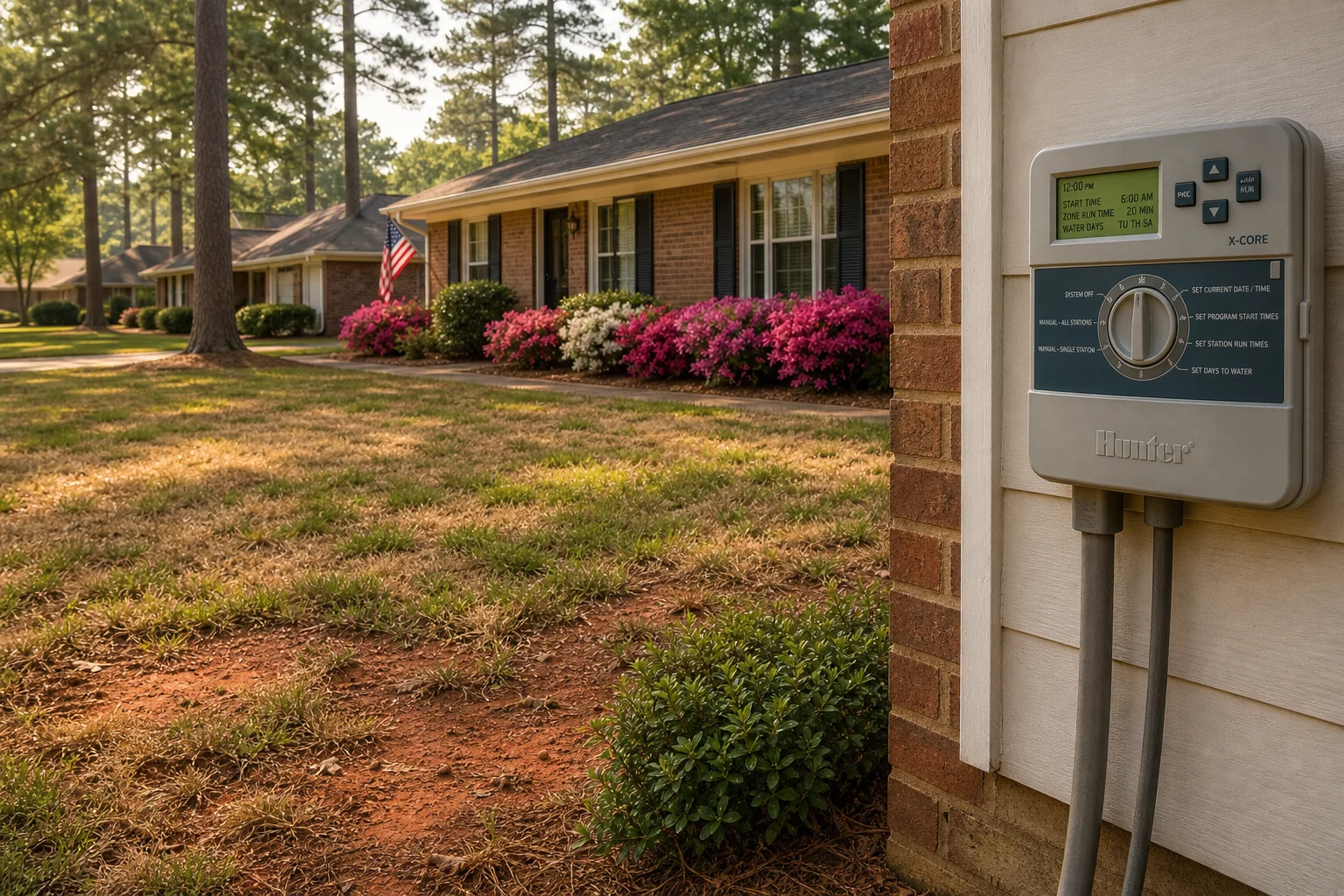
Auburn, Alabama Enacts Mandatory Water Restrictions and Drought Surcharges
The Water Works Board of the City of Auburn enacted Phase II Drought Warning effective May 1, 2026, after rainfall deficits accumulated across the basin since late summer 2025 and conditions continued to worsen following the Phase I declaration on February 9. The Phase II rules combine a mandatory three-days-per-week irrigation schedule with a 25% surcharge on usage above set thresholds. The stated goal is a 20% reduction in city-wide demand.
Your watering schedule
Phase II assigns watering days by address. Odd-numbered addresses water on Mondays, Wednesdays, and Fridays. Even-numbered addresses water on Tuesdays, Thursdays, and Saturdays. No irrigation is permitted on Sundays. All irrigation is restricted to the overnight window of 8:00 PM to 8:00 AM — a twelve-hour block that allows time for any reasonable sprinkler programme without daytime evaporation losses.
Several other activities are restricted under Phase II. Residential vehicle washing is prohibited at home. Washing houses and pavement is prohibited except where required for health or safety. The Water Works Board has explicitly asked residents to eliminate irrigation runoff into streets and storm drains and to repair leaks promptly. Commercial car washes must evaluate equipment for water-recycling potential.
Drought surcharges
The 25% surcharge is the financial mechanism designed to drive the 20% demand reduction. Residential customers with three-quarter-inch metres pay the surcharge on usage above 12,000 gallons per billing cycle. Customers on dedicated irrigation metres pay it on usage above 3,000 gallons per cycle. Auburn's current standard rate is approximately $4.17 per 1,000 gallons; the surcharge rate works out to roughly $5.21 per 1,000 gallons above the threshold. For typical residential users, the surcharge bites only when irrigation use is high — exactly the consumption pattern Phase II is designed to discourage.
Commercial and industrial customers face the same surcharge structure scaled to their meter size and usage tier. Larger users have more room to make the cut without facing the surcharge, but also more visibility — Auburn Water Resources Management publishes aggregate consumption figures and uses them to track the 20% reduction goal across customer classes.
Why Auburn is in drought
Rainfall deficits in the Auburn basin have been accumulating since late summer and early fall 2025. The Southeast drought belt now extends from Georgia — where the EPD declared statewide Level 1 drought response on April 27 — through Alabama and into the Carolinas, where North Carolina just declared D4 Exceptional Drought in the Charlotte metro on April 30. Auburn's water comes primarily from surface sources, which are fully dependent on rainfall and which respond quickly to extended dry periods.
Phase I Drought Watch was declared on February 9, 2026. The Water Works Board indicated then that escalation to Phase II would follow if the spring did not bring meaningful rainfall recovery. It did not. The decision to move to Phase II on May 1 reflects continued declines in the lakes and streams that supply the city, not a single weather event but the cumulative effect of a recharge season that did not happen.
What comes next
Auburn Water Resources Management will continue to monitor lake levels, customer demand, and weather forecasts. Phase III is the next escalation and would impose stricter watering limits and broader surcharges. The Board has not committed to a specific trigger for Phase III; the decision will follow the same pattern as Phase II — accumulated evidence rather than a single threshold.
The broader Southeast drought pattern shows no immediate sign of breaking. Georgia, Alabama, North Carolina, and South Carolina are all under simultaneous drought stress, with the worst conditions in the western Carolinas and the Piedmont. Auburn sits on the western edge of the affected region; the next several weeks of rainfall — or the lack of it — will determine whether the city can hold at Phase II through summer or whether Phase III becomes necessary.
Lawn survival tips for Auburn homeowners
Bermuda grass dominates Auburn lawns and handles drought better than most options available to Southeast homeowners. Bermuda goes semi-dormant in extended dry periods — turning brown — and recovers reliably once normal rainfall returns. The right move under Phase II is to water deeply on your three assigned days during the 8 PM to 8 AM window, then let the grass do its work between sessions. One inch of water per session, applied at the start of the overnight window, is the right target.
Mow at 3 inches or higher for the duration of Phase II. Taller blades shade the soil and slow evaporation. Skip fertiliser entirely until the restrictions lift; nitrogen forces growth that drought-stressed roots cannot support, and the result is rapid decline rather than green-up. If you are considering replacing portions of your lawn, Centipede and Zoysia are both more drought-tolerant than Bermuda and well-adapted to the Auburn climate. Both species green up later in spring and brown earlier in autumn but tolerate summer drought with much less water than Bermuda requires.
Mulch garden beds. Two to three inches of pine straw or bark retains soil moisture and dramatically reduces the watering frequency that ornamentals and food crops need to survive. Hand watering with a shut-off hose is permitted any time outside the 8 AM to 8 PM blackout — use it for shrubs, trees, and food crops on the days when sprinklers are not scheduled. The two-direction message from Phase II — restrict the schedule, surcharge excess use — works only if homeowners shift their irrigation programmes deliberately. The water that is saved is the water that keeps the city out of Phase III.
Related water restrictions
Community Reports & Questions
Share an update, ask a question, or report a change in your local restrictions.
No community reports yet
Be the first to share a local update, ask a question, or report a change in your area's restrictions.
More news
Florida Escalates to Phase III Extreme - SJRWMD Tightens Rules Across 18 Counties
May 13, 2026
Coastal Bend Water Crisis Spreads - Aransas Pass and Beeville Declare Disasters as Corpus Christi Hits 7.8%
May 12, 2026
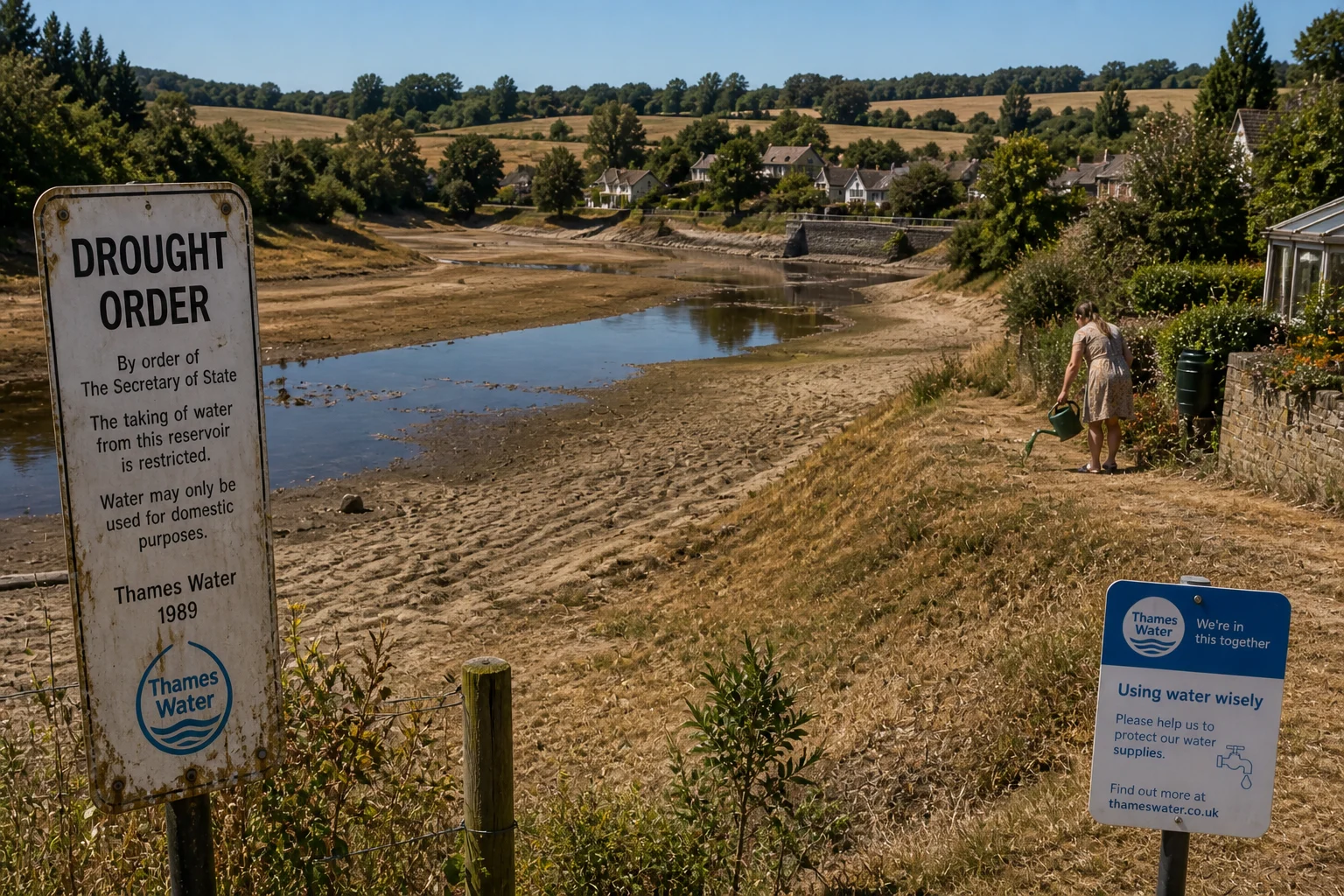
UK Braces for Summer 2026 Drought as Key Reservoir 'Will Not Fully Recover'
May 2, 2026
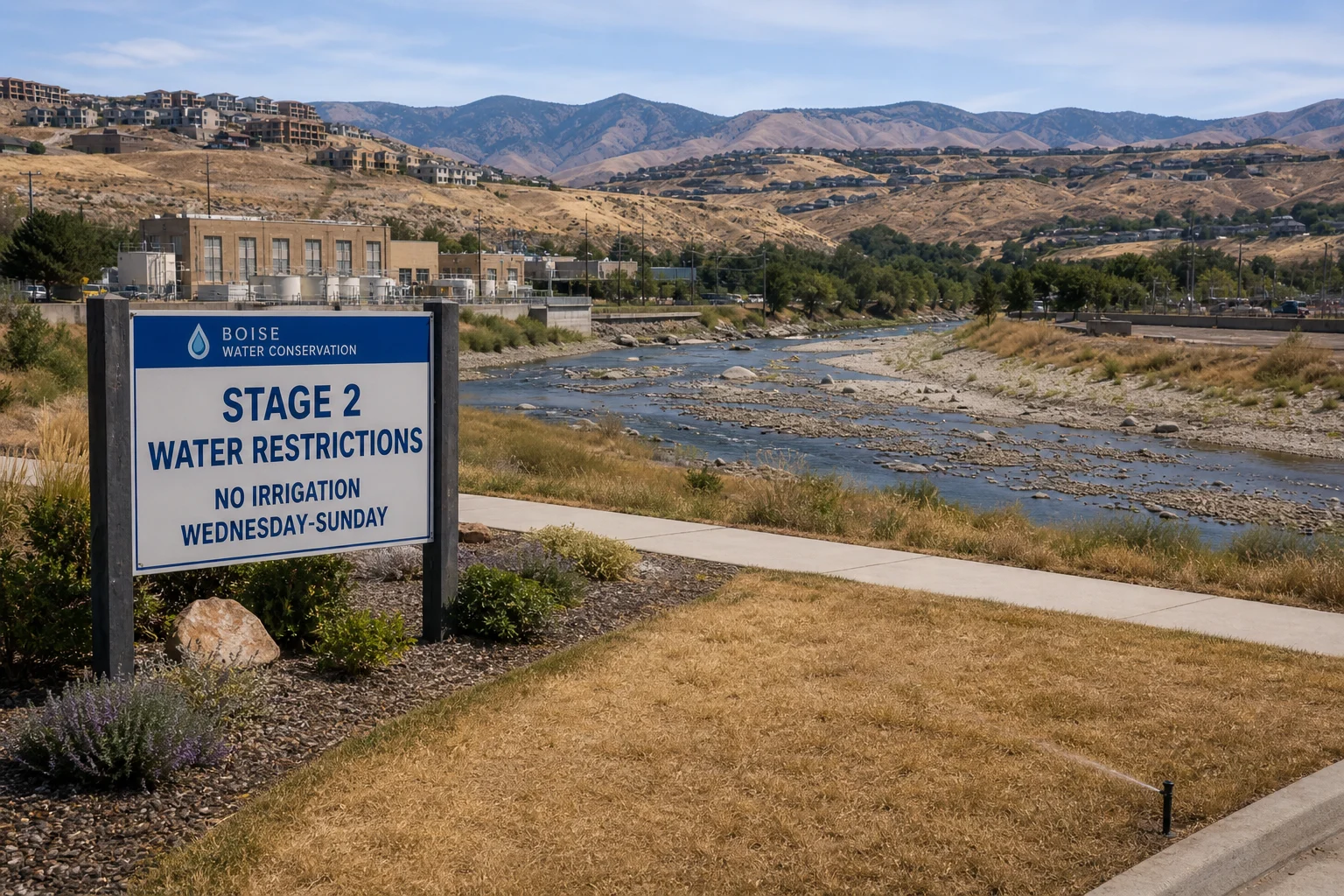
Boise Forced Into Early Stage 2 Water Restrictions as Snake River Hits Record Lows
May 2, 2026
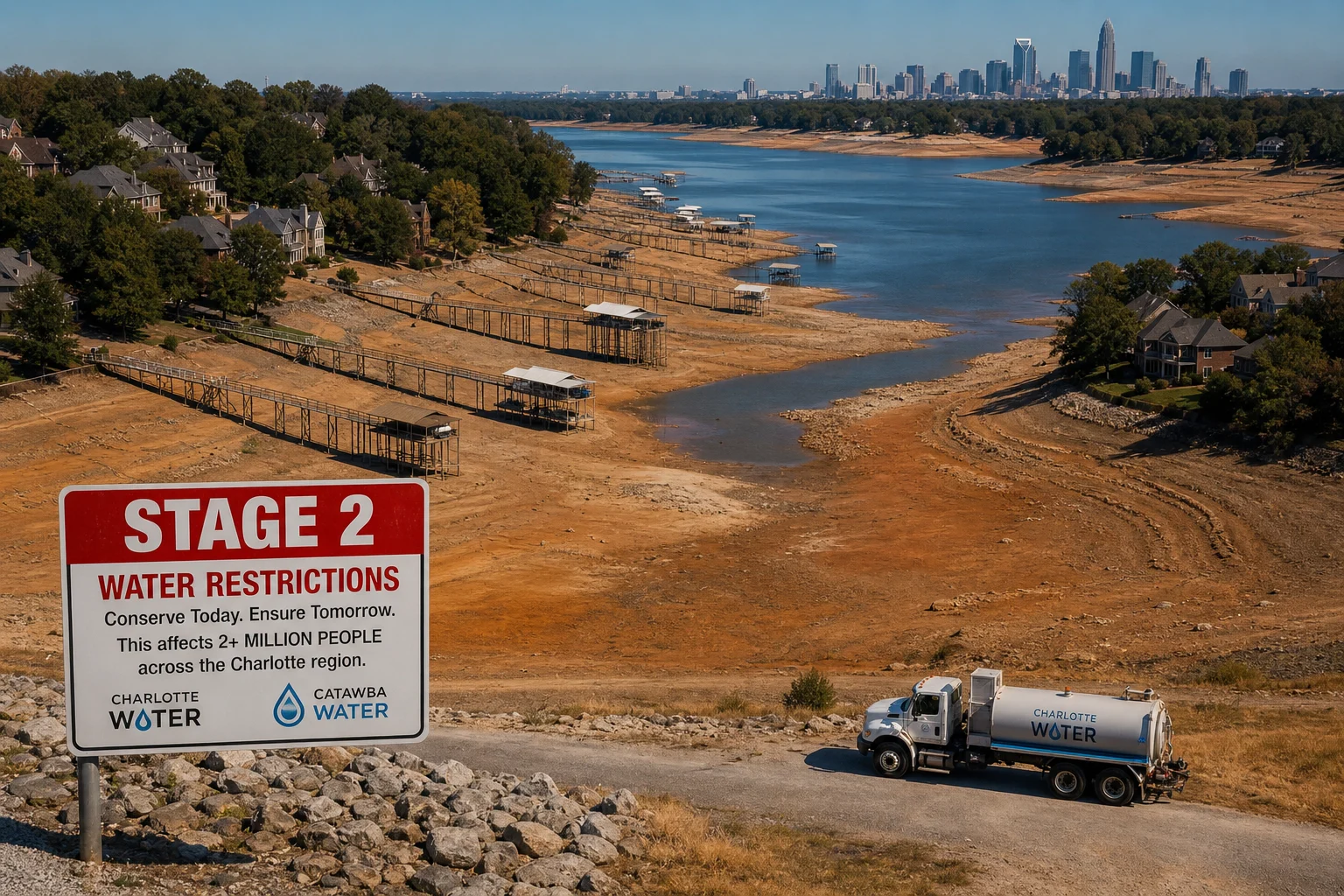
Charlotte Metro Hits Stage 2 Water Restrictions — First 'Exceptional Drought' Since 2008
May 2, 2026
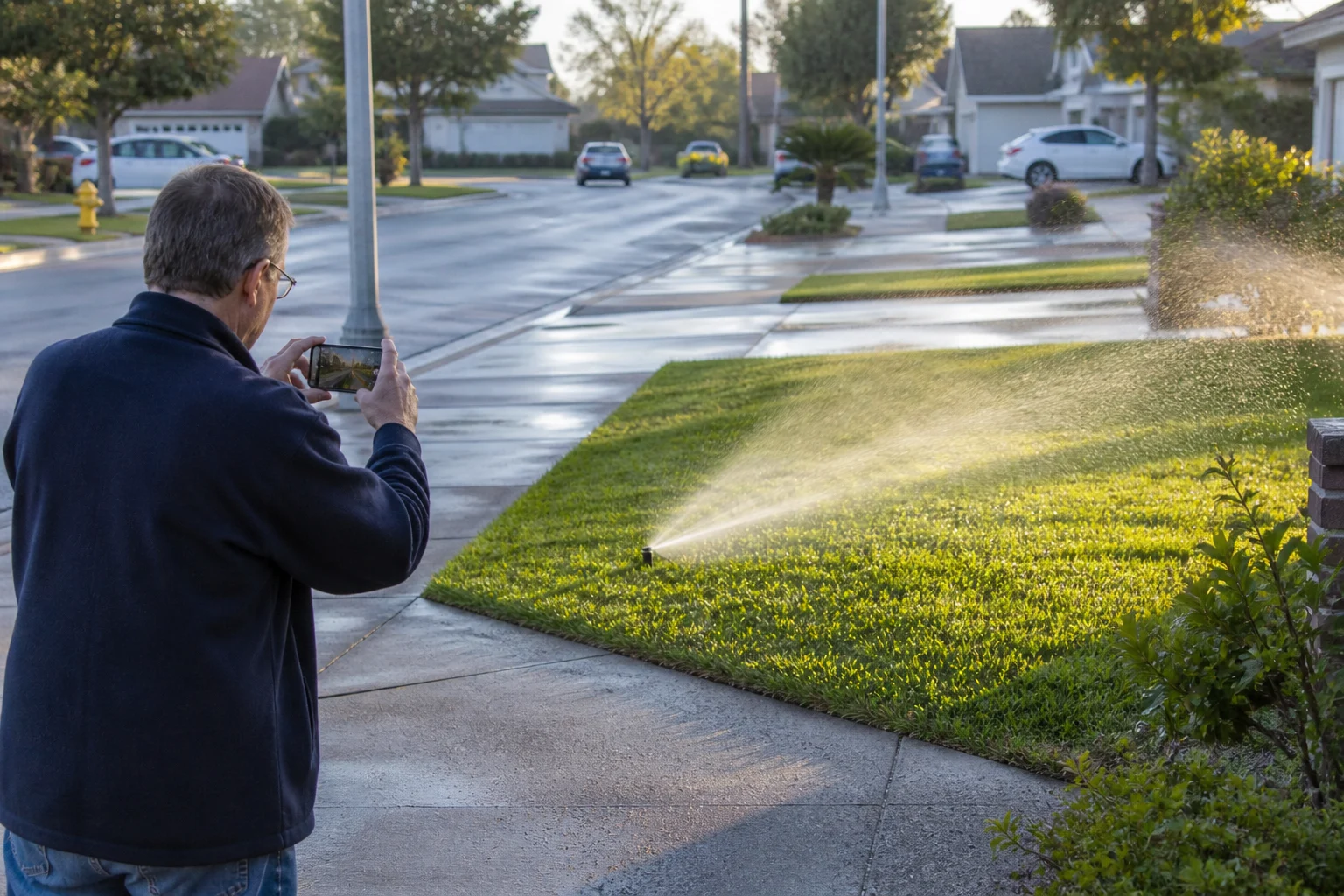
Neighbors Turn 'Water Police': Community Reporting of Violations Rises
May 2, 2026

Water Companies Proactively Restrict Customer Usage Across Drought-Affected Regions
May 2, 2026
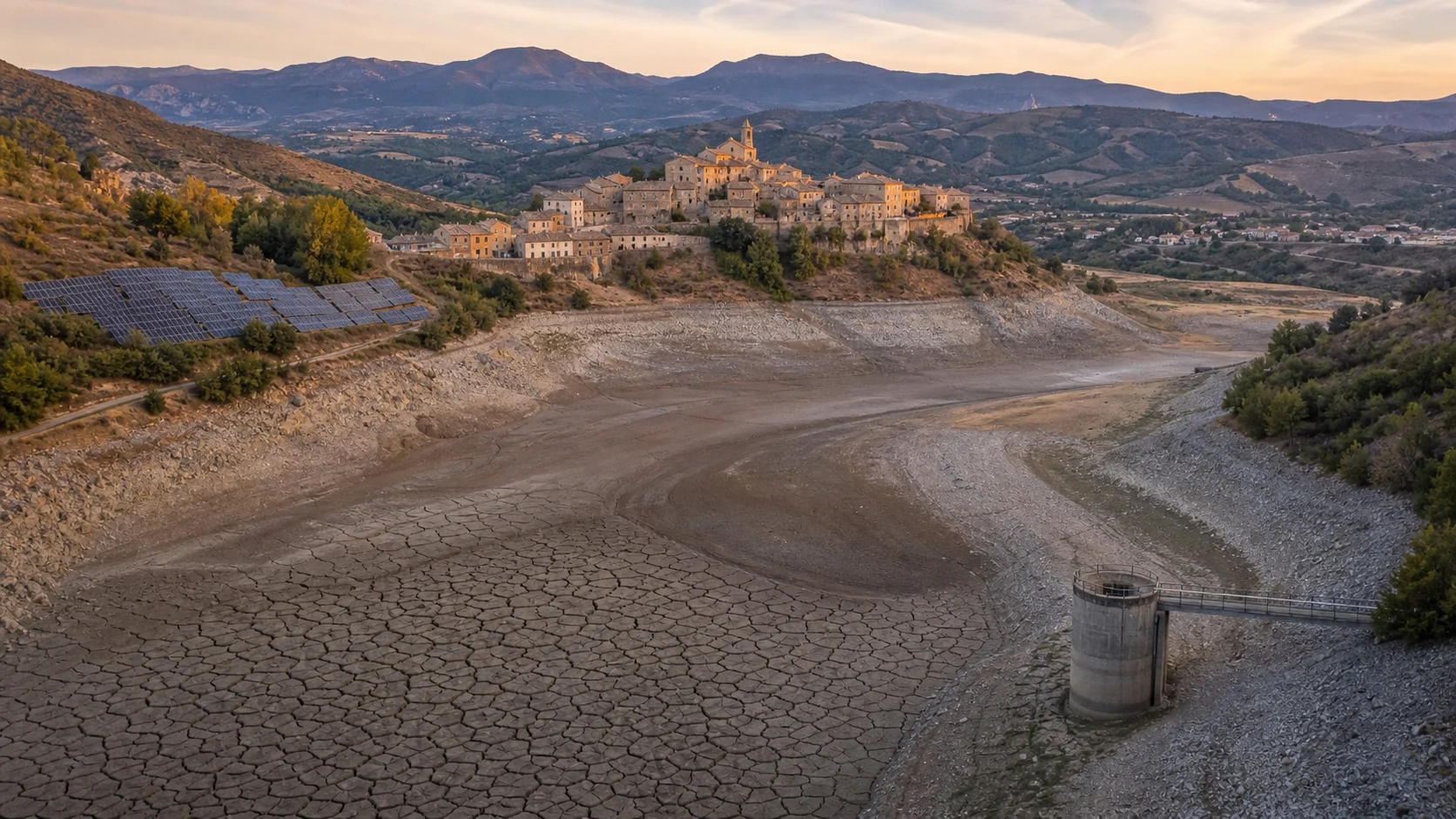
Europe's Water Crisis Worsens: Continental Aquifer Depletion Accelerates
May 2, 2026
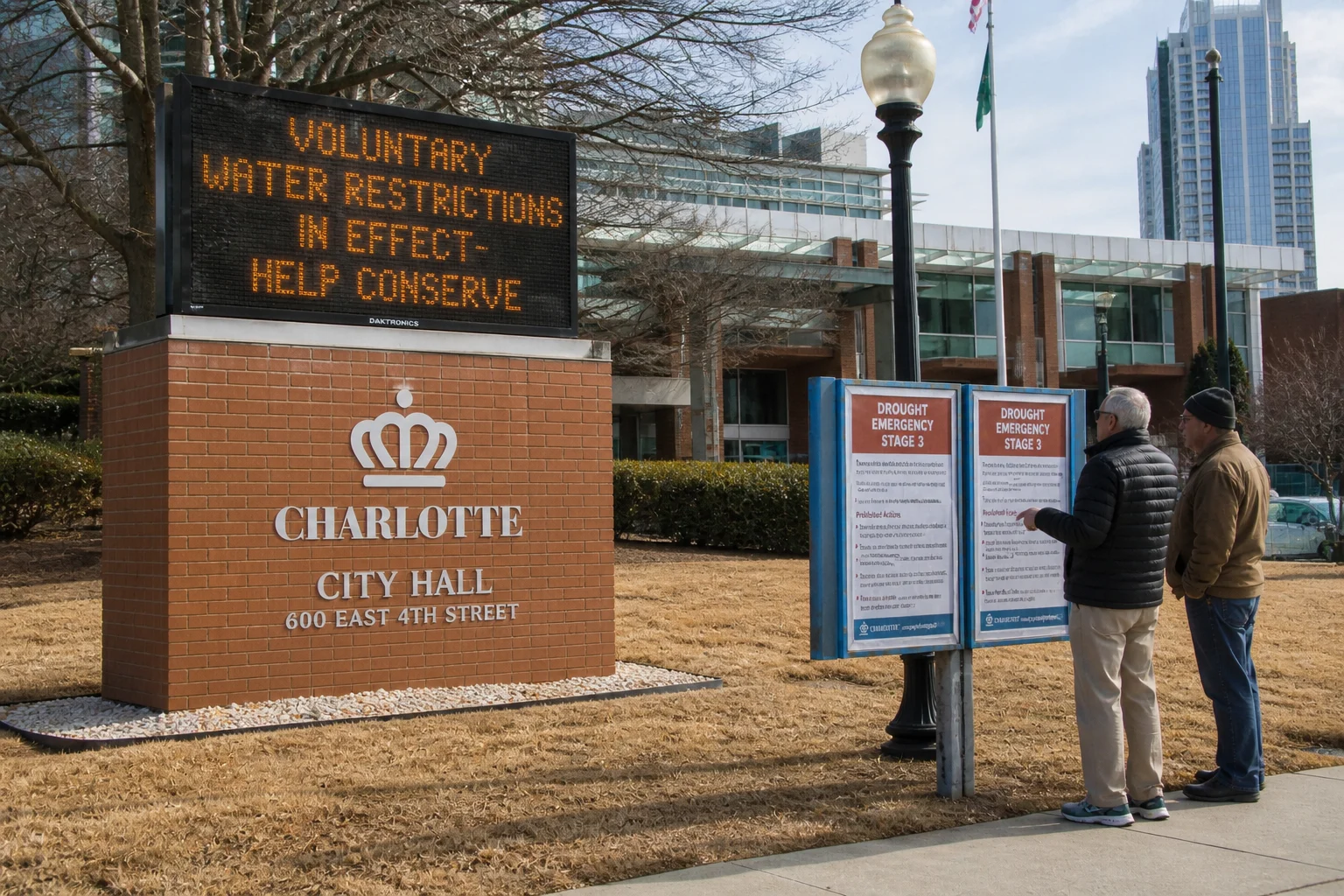
Charlotte Issues Voluntary Water Restrictions and Burn Ban Amid Ongoing Drought
May 2, 2026
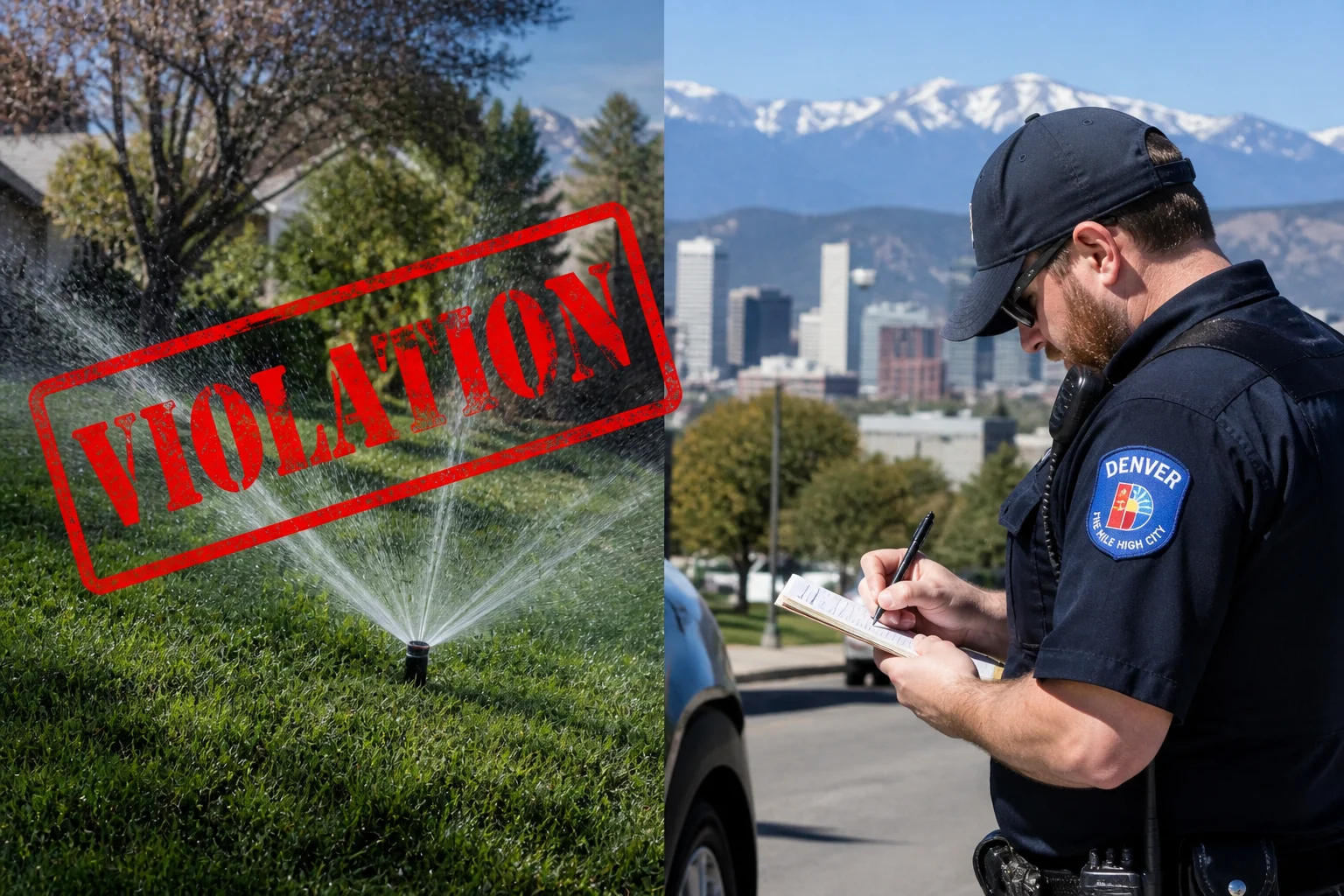
Denver Implements Mandatory Water Restrictions with 'Hundreds of Dollars' in Fines
May 2, 2026
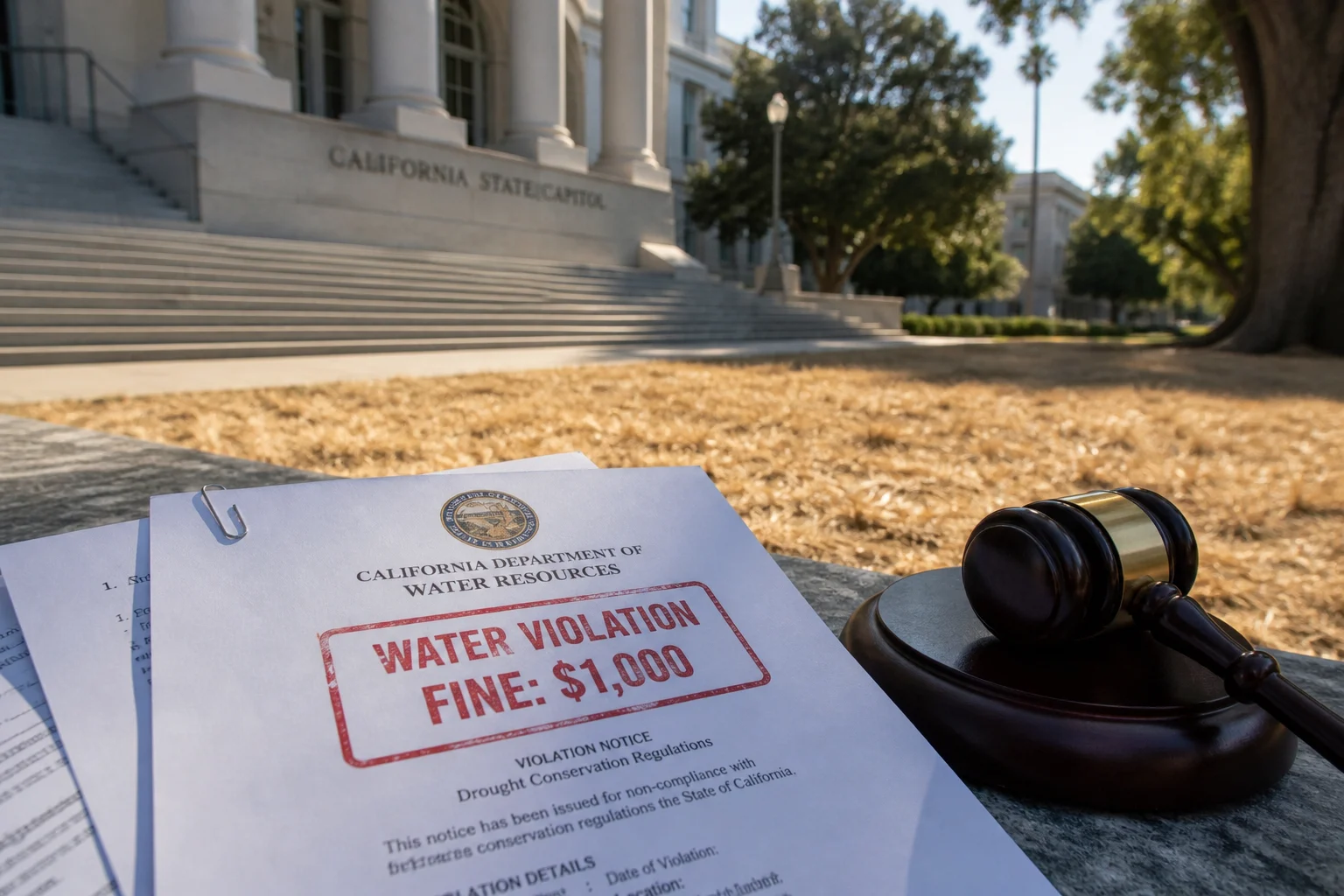
California Water Violation Fines Set to Increase 20-Fold Under New Legislation
May 2, 2026

Alberta Orders Provincial Investigation Into Calgary's Recurring Water Main Breaks
May 2, 2026
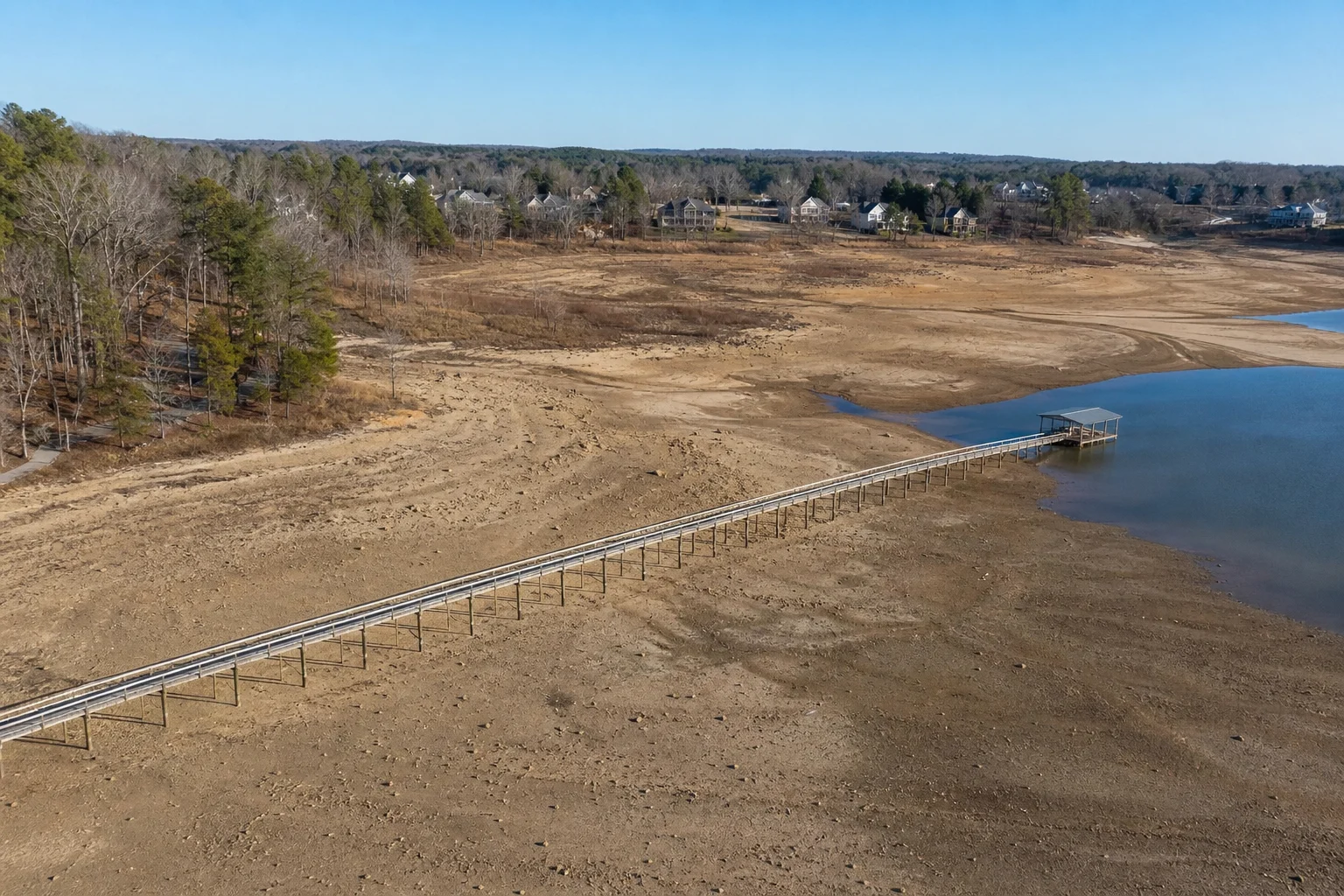
Raleigh Activates Stage 1 Water Restrictions as Falls Lake Drops to 84% Capacity
May 2, 2026
Vancouver Bans All Lawn Watering — Why BC Skipped Straight to Stage 2
May 1, 2026
Charlotte Imposes First Mandatory Water Restrictions Since 2007 — What Homeowners Need to Know
May 1, 2026
Corpus Christi Could Become the First American City to Run Out of Water
May 1, 2026