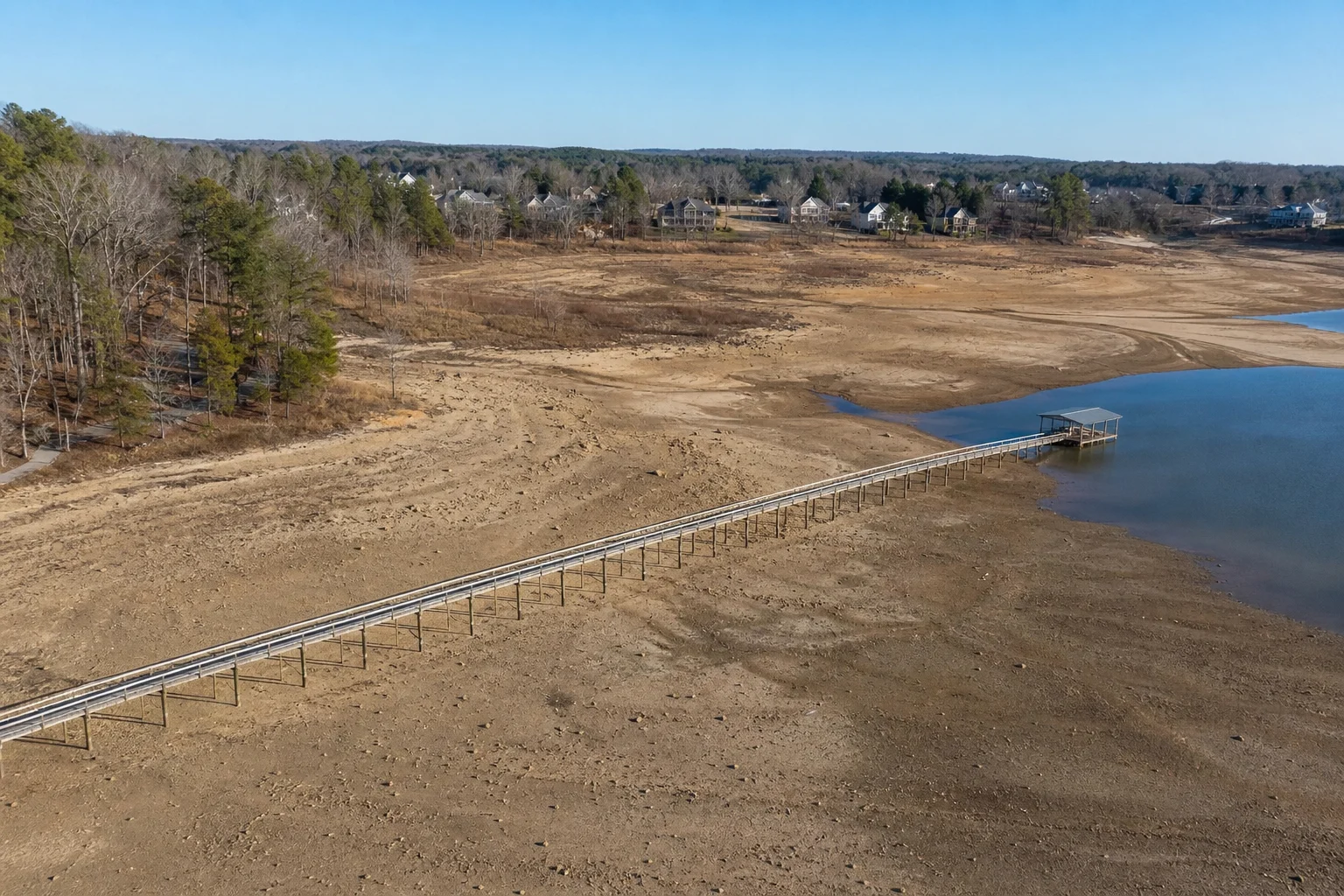
Raleigh Activates Stage 1 Water Restrictions as Falls Lake Drops to 84% Capacity
Raleigh activated mandatory Stage 1 water restrictions on April 20, 2026 — the first mandatory restrictions imposed by the city since the historic 2007–2008 drought. Falls Lake, the primary drinking-water reservoir for the City of Raleigh and the surrounding service area of roughly 600,000 people, has fallen to 84% of capacity. Daily water use across the service area has dropped by 15% in the eight days since the restrictions took effect, exceeding the city's initial reduction target.
What the restrictions require
Raleigh's Stage 1 schedule is structured around address parity. Odd-numbered street addresses may run in-ground irrigation systems on Tuesdays between midnight and 10 AM. Even-numbered addresses may run them on Wednesdays during the same window. Hose-end sprinklers — the kind dragged out of the garage and connected to a spigot — operate on a separate weekend schedule: odd addresses water Saturdays from 6 to 10 AM or 6 to 10 PM; even addresses water Sundays during the same windows. Hand watering with a shut-off hose remains unrestricted at all times.
Several outdoor activities are now off-limits. Filling new residential pools requires a permit. Washing vehicles, driveways, sidewalks, and exterior walls is restricted to commercial facilities or specific allowed circumstances. Decorative water features that do not support aquatic life must be turned off. Restaurants are required to serve water on request only, not automatically. The full Stage 1 ordinance is enforced through the City of Raleigh code-compliance division and the Public Utilities Department.
Why Falls Lake matters
Falls Lake is a US Army Corps of Engineers flood-control reservoir on the Neuse River, completed in 1981. The lake's primary mission was — and officially still is — flood control for the lower Neuse basin. But it is also the source of essentially all municipal drinking water for Raleigh and most of Wake County. The City of Raleigh has a contractual storage allocation in the reservoir that fills first under heavy rainfall and depletes first during drought. When Falls Lake drops, Raleigh feels it before downstream users.
Falls Lake entered May at roughly 84% of seasonal target — the lowest May reading since the 2008 drought. The lake's allocated reservoir storage rolls into the city's distribution system through the E.M. Johnson Water Treatment Plant, which has a maximum daily output of about 86 million gallons. With unrestricted demand running at 52 million gallons per day in mid-April, the system had margin. Stage 1 was activated proactively to extend that margin into late summer rather than wait until the lake's level made restrictions reactive instead of preventive.
The Swift Creek watershed — the secondary basin that feeds Lake Wheeler and Lake Benson, Raleigh's emergency-supply reservoirs — has tracked even further below normal. Lake Benson is at roughly 76% of capacity heading into May. The combination of a depleted primary supply and a thinner emergency-supply cushion drove the city to act earlier than the strict Falls Lake threshold would have required.
Reduction beating expectations
The early data suggests Raleigh residents are taking the restrictions seriously. In the eight days from April 20 through April 27, system-wide daily withdrawal dropped from a baseline of about 52 million gallons per day to 44 million — a 15% reduction. The city's initial target was 7%. The faster-than-expected response means Falls Lake's drawdown rate has slowed, and the projected late-summer trajectory now keeps the lake above the Stage 2 trigger if rainfall returns to even 80% of seasonal normal.
Raleigh Public Utilities Director T.J. Lynch attributed the early reduction to a combination of public communication and high voluntary compliance. The city issued a coordinated press push the morning Stage 1 took effect, including paid social media targeting Wake County postcodes, a 311-system update, and a series of community newsletters delivered through the city's neighbourhood-association partnership. Bylaw inspectors have issued primarily warning notices in the first two weeks, with citations reserved for repeat or wilful violations.
The enforcement approach — calibrated, not punitive
Raleigh is taking what the city calls a 'calibrated enforcement' approach during the first 60 days of Stage 1. Bylaw officers respond to citizen complaints submitted through the 311 system and conduct targeted inspections in neighbourhoods where automated sprinkler systems are most prevalent. First-time off-schedule watering is met with a written warning explaining the rule and the rationale. Second offences attract a $200 fine. Repeat or wilful violations escalate to $500 per occurrence under the city's water-conservation ordinance.
Citizen complaints — sometimes called 'water police' calls — have spiked sharply since Stage 1 began. The 311 system received 214 water-violation complaints in April 2026, up from a typical baseline of 14 per month last autumn. The city has not resourced enforcement to chase every complaint individually; instead, complaint clusters drive inspector route planning. A complaint is more likely to result in a warning visit if multiple neighbours flag the same property than if it is a one-off report.
The political question Raleigh is implicitly answering with this approach: how do you build durable water-conservation behaviour without creating a backlash against the city for being heavy-handed? The 2007–2008 experience offered a partial roadmap. That drought lasted more than a year and reached Stage 3, with conservation behaviour persisting for years after the restrictions lifted. The city is betting that warning-first enforcement combined with strong public communication will produce similar long-tail behaviour change without the resentment that aggressive ticketing can create.
Wake County context — D3 Extreme Drought
Wake County is currently classified as D3 Extreme Drought by the US Drought Monitor. The Catawba-Wateree basin to the west — feeding Charlotte's water supply — was upgraded to D4 Exceptional Drought on April 30, the worst category on the monitor. NC DEQ has signalled that further escalations across the central Piedmont are possible if rainfall does not return. The North Carolina Climate Office reports the October 2025 to March 2026 period was the driest recharge season at Raleigh-Durham International Airport since records began in 1895.
The Triangle region's largest utilities have coordinated their responses through the Triangle J Council of Governments. Durham, which draws from a separate watershed, has not yet activated mandatory restrictions but has issued voluntary conservation guidance. Cary, which receives a share of Raleigh's treated water under a wholesale agreement, has activated parallel restrictions matched to Raleigh's Stage 1. The two cities run shared messaging and parallel enforcement to avoid customer confusion at the city limits.
What homeowners should do this week
The single most useful action for any Raleigh homeowner with an automated sprinkler system is to verify the controller programme matches the new schedule before next Tuesday or Wednesday. Many controllers were programmed last autumn with an off-season skip and have not been touched since. A controller still set to water four times a week will quickly attract a warning notice — and a $200 fine if the inspector returns. Most modern controllers can be reprogrammed in under five minutes; the city's website includes step-by-step instructions for the most common models.
For homeowners willing to accept some lawn browning, the simplest path through Stage 1 is to skip irrigation entirely and let cool-season fescue go semi-dormant. Tall Fescue, the dominant Raleigh lawn grass, survives 4 to 6 weeks of summer drought by browning and recovering reliably with autumn rain. The crown stays alive. The blades come back. Hand watering with a shut-off hose remains unrestricted at all times — use it for trees, shrubs, and any food gardens. Mulched landscape beds need much less water than bare soil; a 50–75 mm bark or compost layer is the highest-leverage move a homeowner can make this week.
If conditions worsen — and the climate office's outlook suggests they will — Stage 2 in Raleigh would shift to a single allowed day per week and add restrictions on commercial-property irrigation, pool top-ups, and decorative water features. The city has stated it will give at least 14 days notice before any Stage 2 escalation. Until then, the message from city hall is consistent: program the controller, follow the schedule, and watch Falls Lake.
Related water restrictions
Community Reports & Questions
Share an update, ask a question, or report a change in your local restrictions.
No community reports yet
Be the first to share a local update, ask a question, or report a change in your area's restrictions.
More news
Florida Escalates to Phase III Extreme - SJRWMD Tightens Rules Across 18 Counties
May 13, 2026
Coastal Bend Water Crisis Spreads - Aransas Pass and Beeville Declare Disasters as Corpus Christi Hits 7.8%
May 12, 2026
UK Braces for Summer 2026 Drought as Key Reservoir 'Will Not Fully Recover'
May 2, 2026
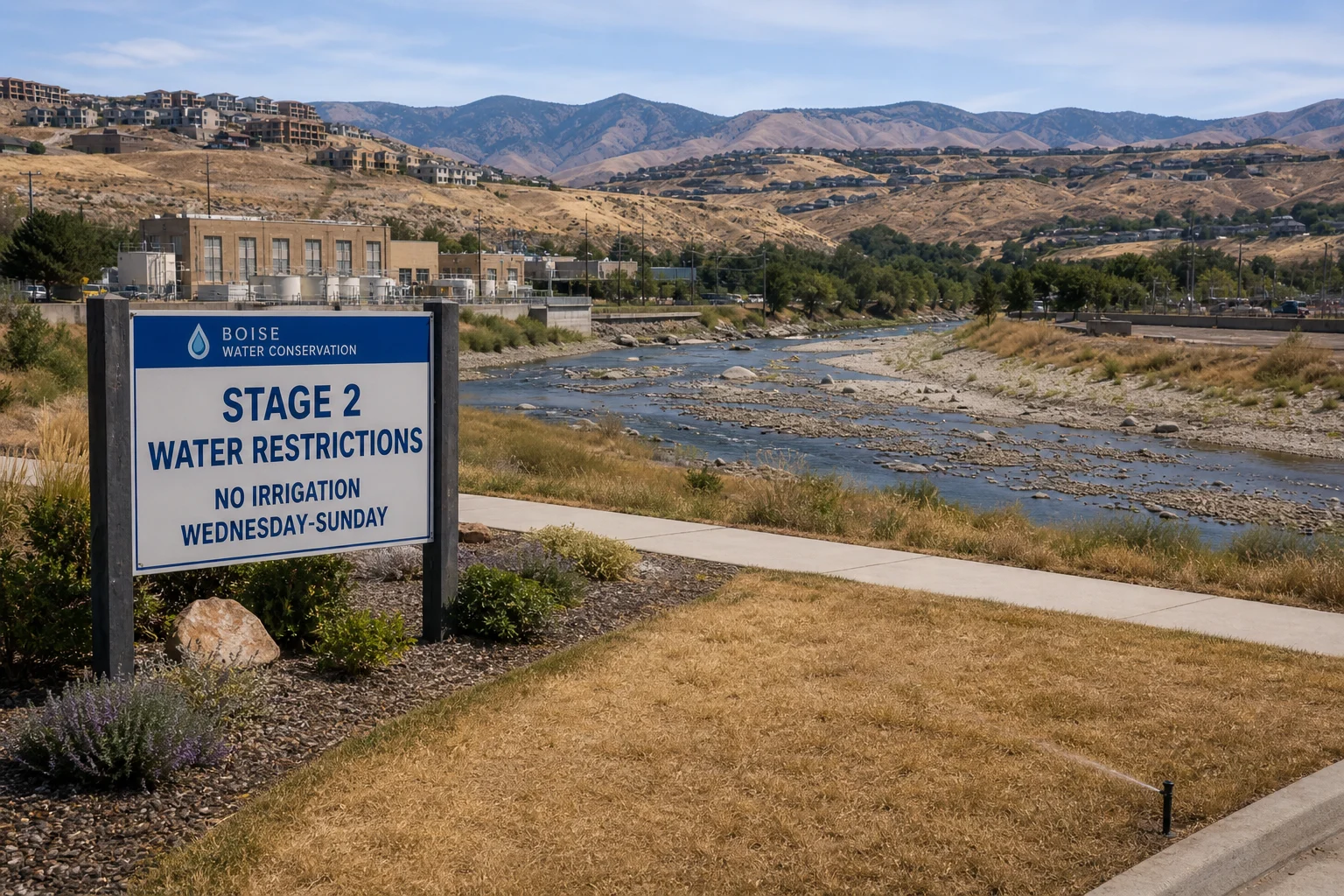
Boise Forced Into Early Stage 2 Water Restrictions as Snake River Hits Record Lows
May 2, 2026
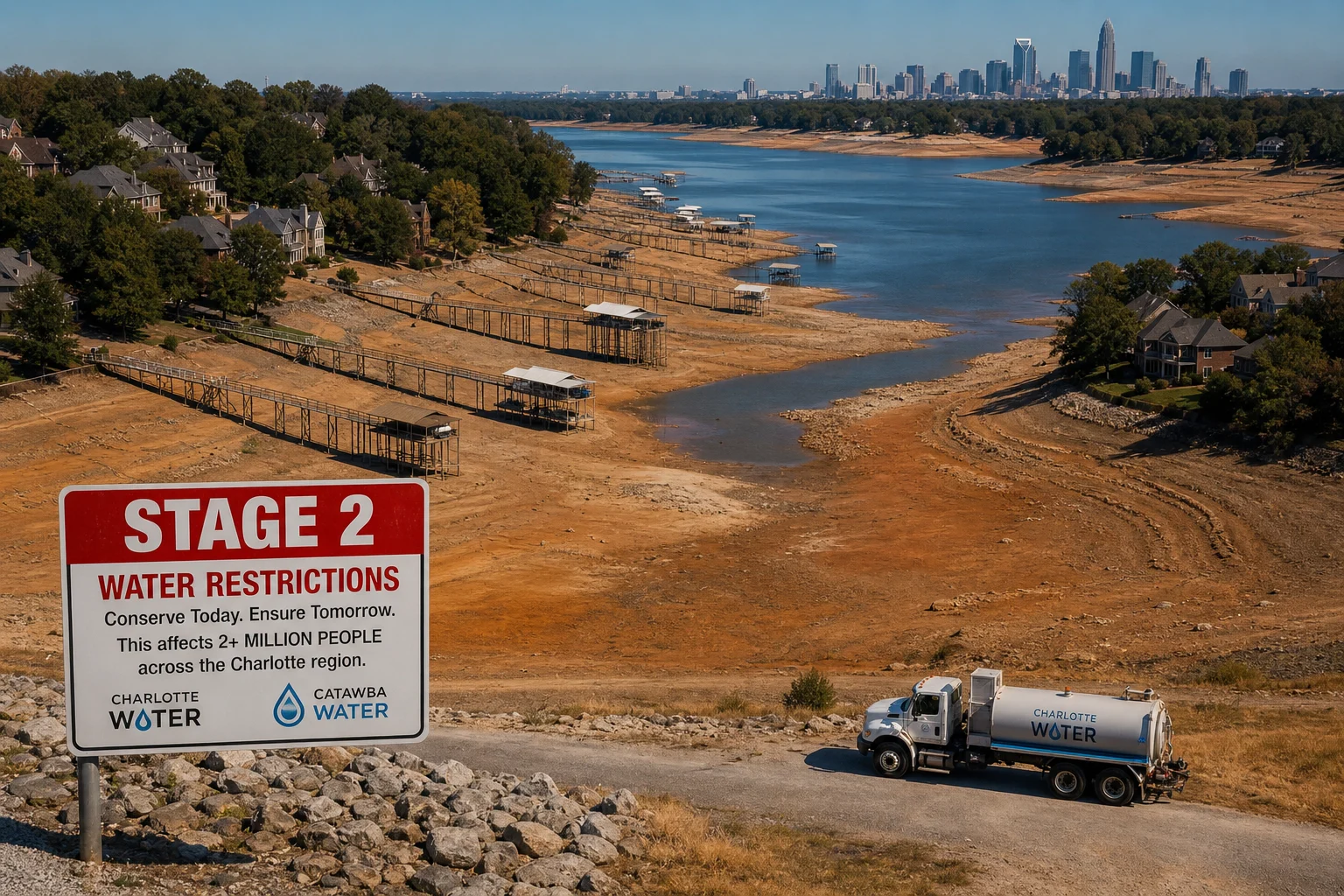
Charlotte Metro Hits Stage 2 Water Restrictions — First 'Exceptional Drought' Since 2008
May 2, 2026
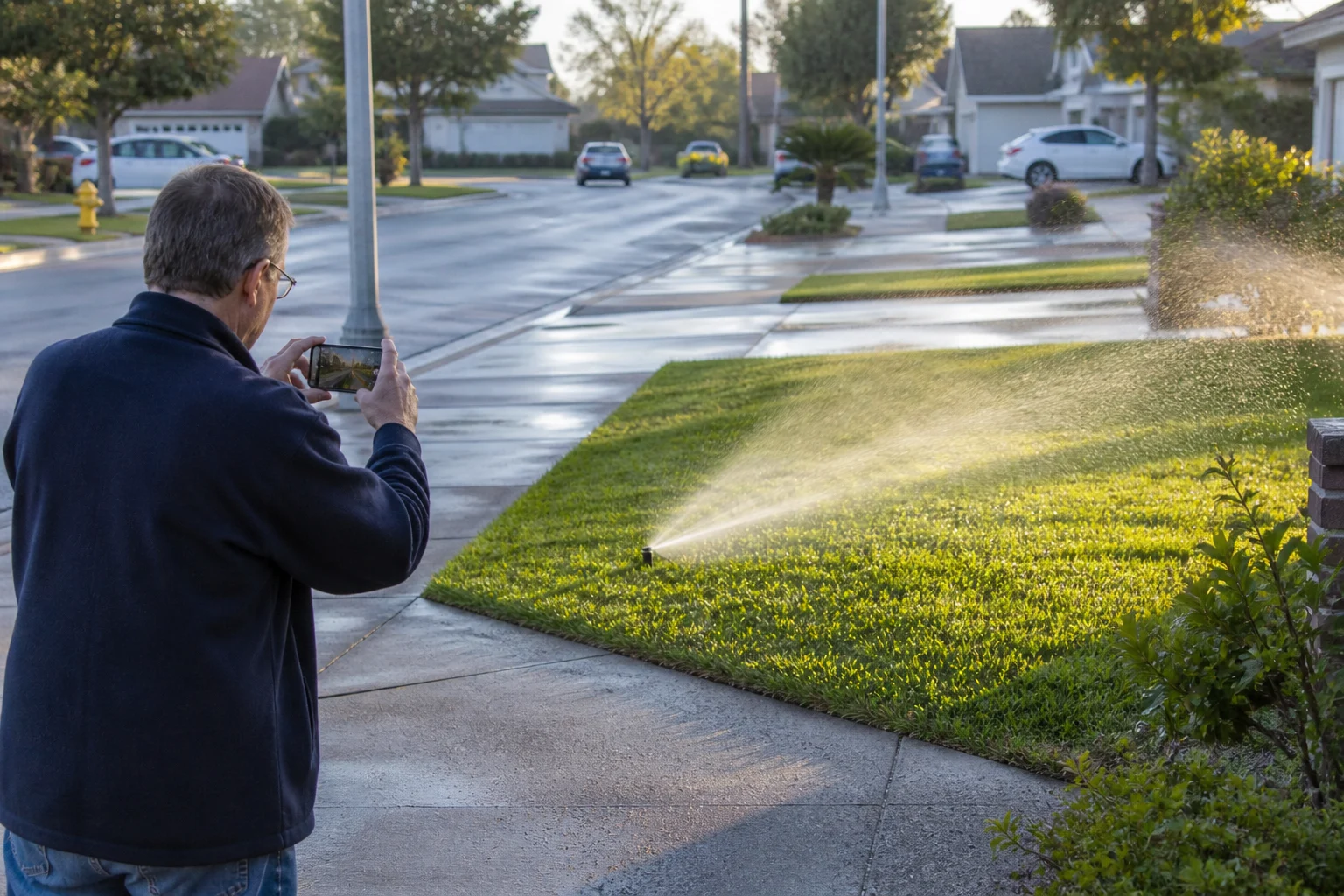
Neighbors Turn 'Water Police': Community Reporting of Violations Rises
May 2, 2026
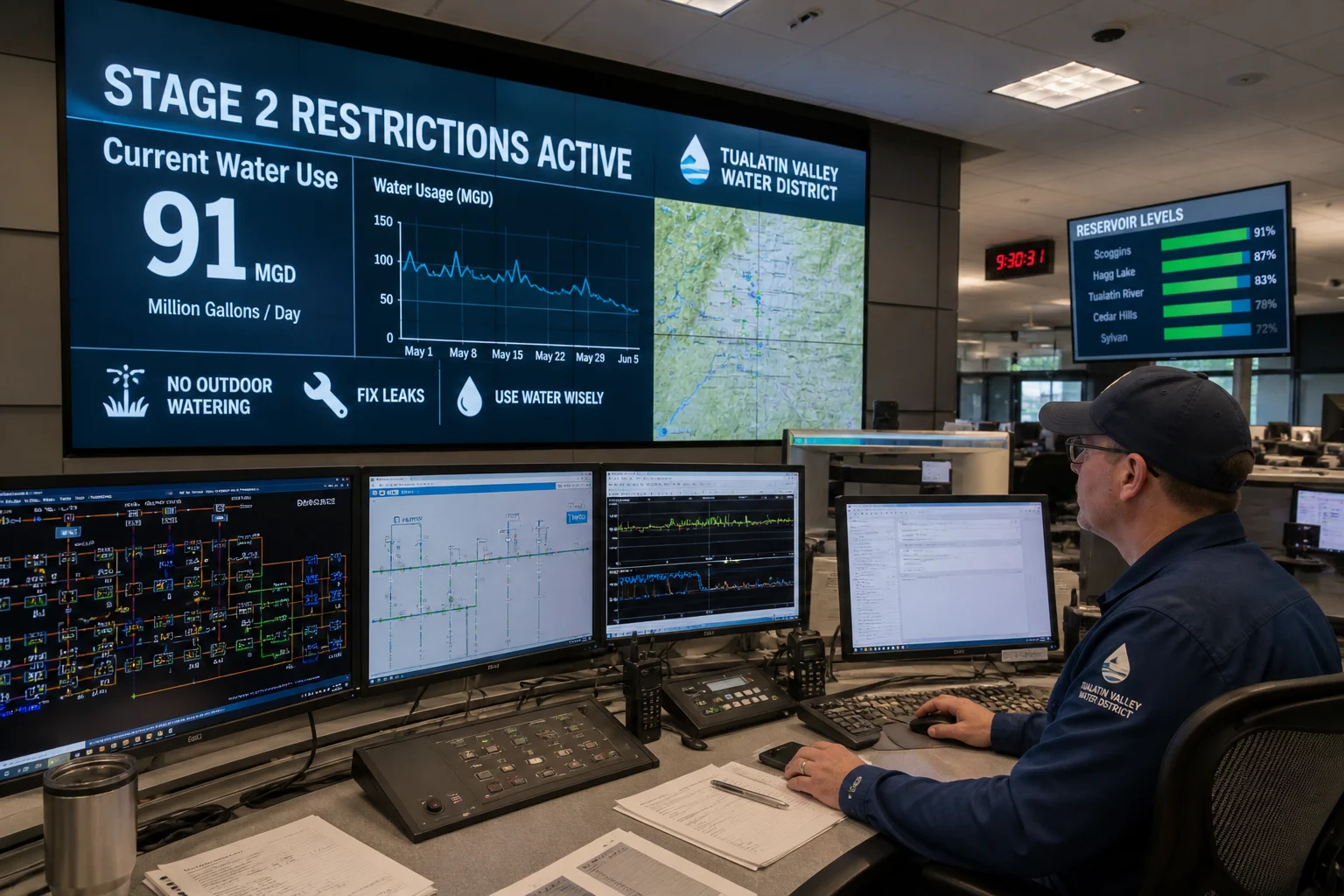
Water Companies Proactively Restrict Customer Usage Across Drought-Affected Regions
May 2, 2026

Europe's Water Crisis Worsens: Continental Aquifer Depletion Accelerates
May 2, 2026
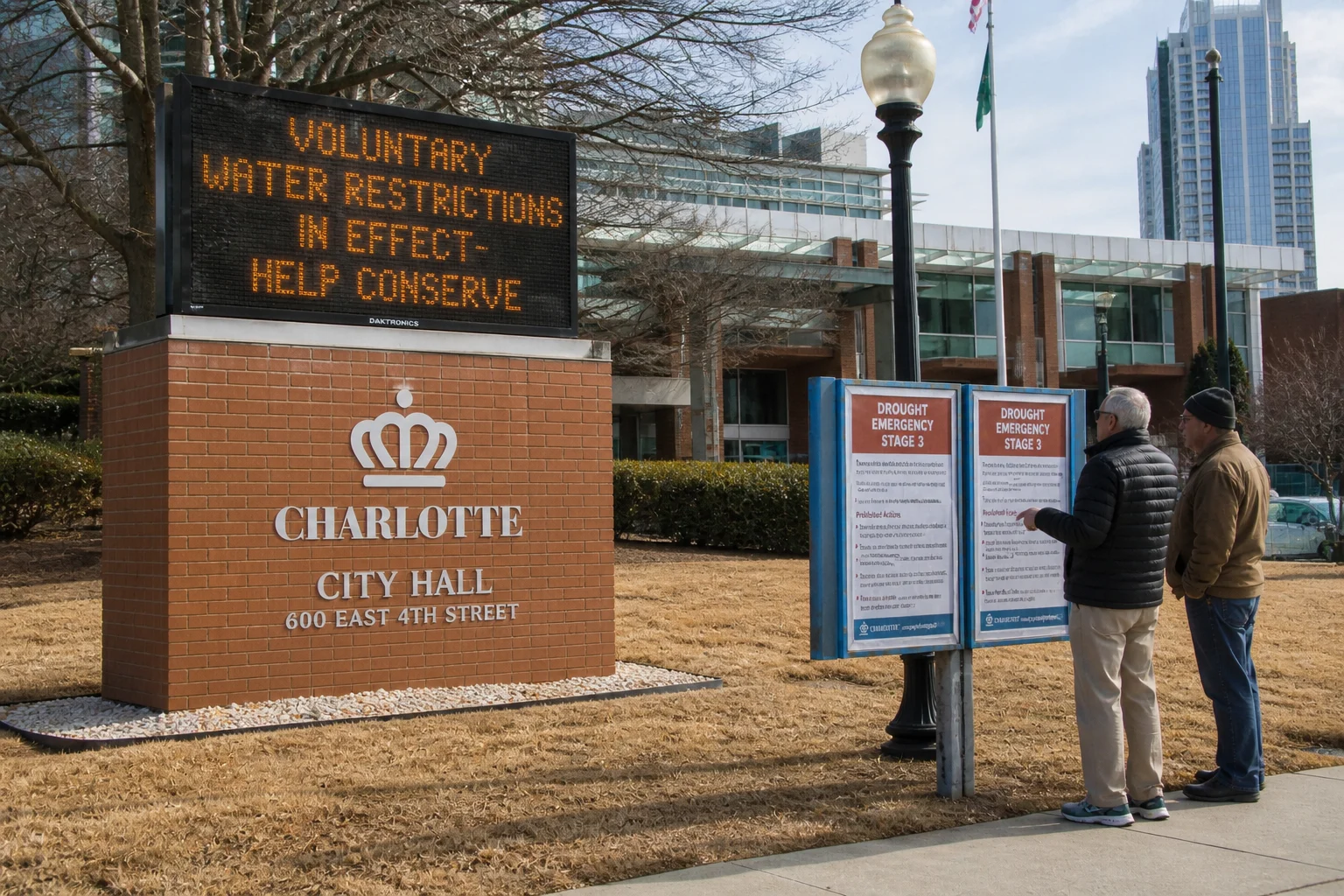
Charlotte Issues Voluntary Water Restrictions and Burn Ban Amid Ongoing Drought
May 2, 2026
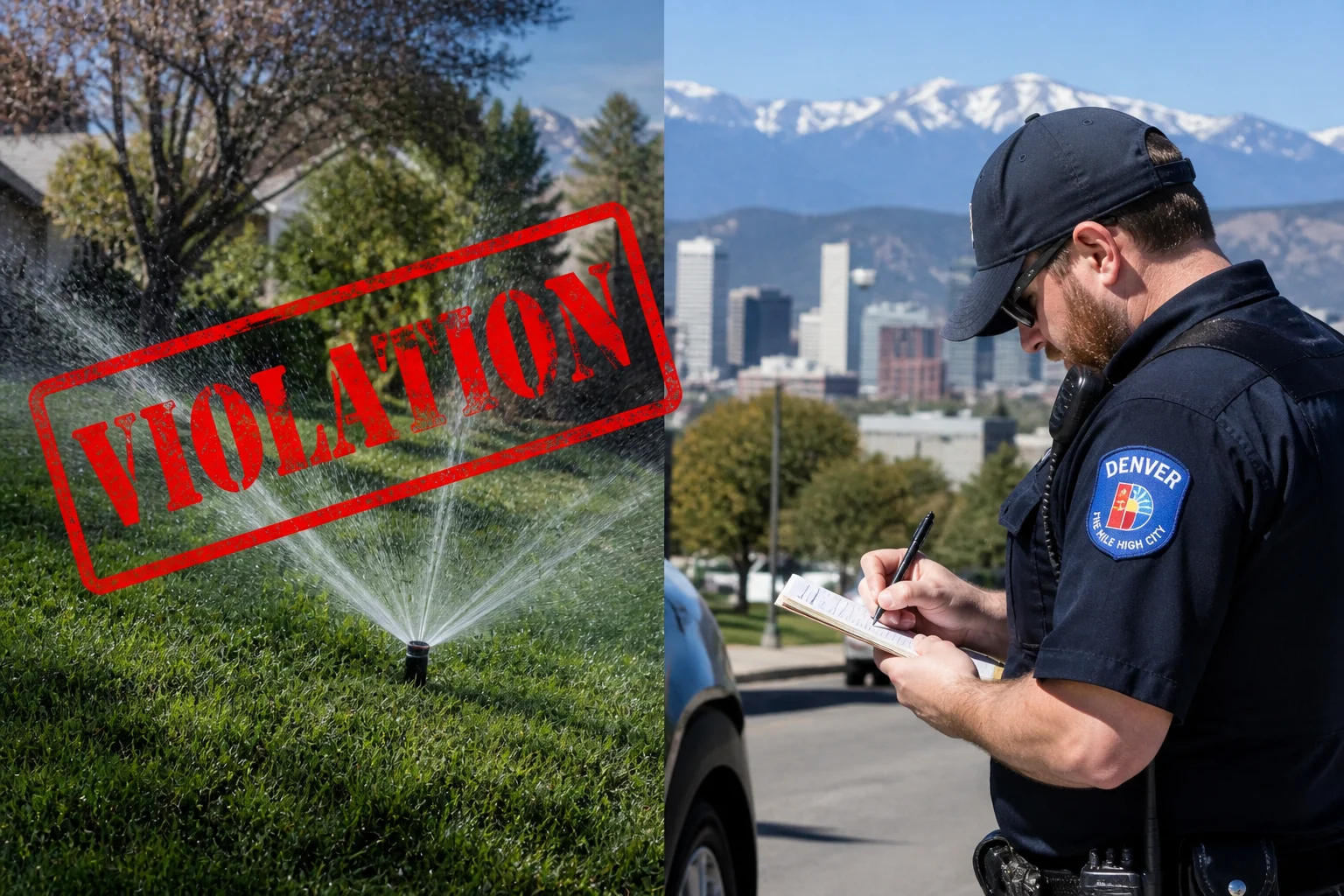
Denver Implements Mandatory Water Restrictions with 'Hundreds of Dollars' in Fines
May 2, 2026
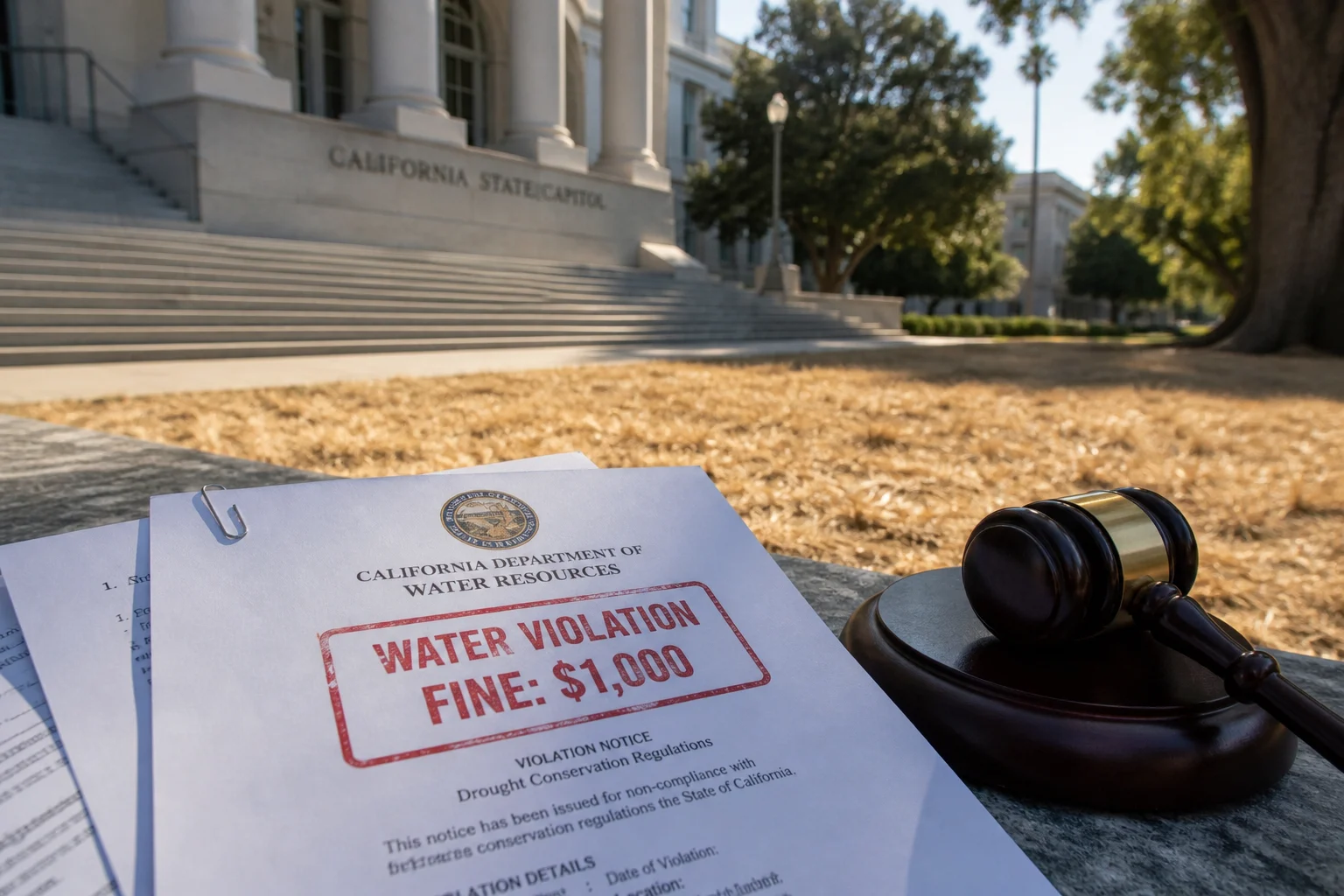
California Water Violation Fines Set to Increase 20-Fold Under New Legislation
May 2, 2026
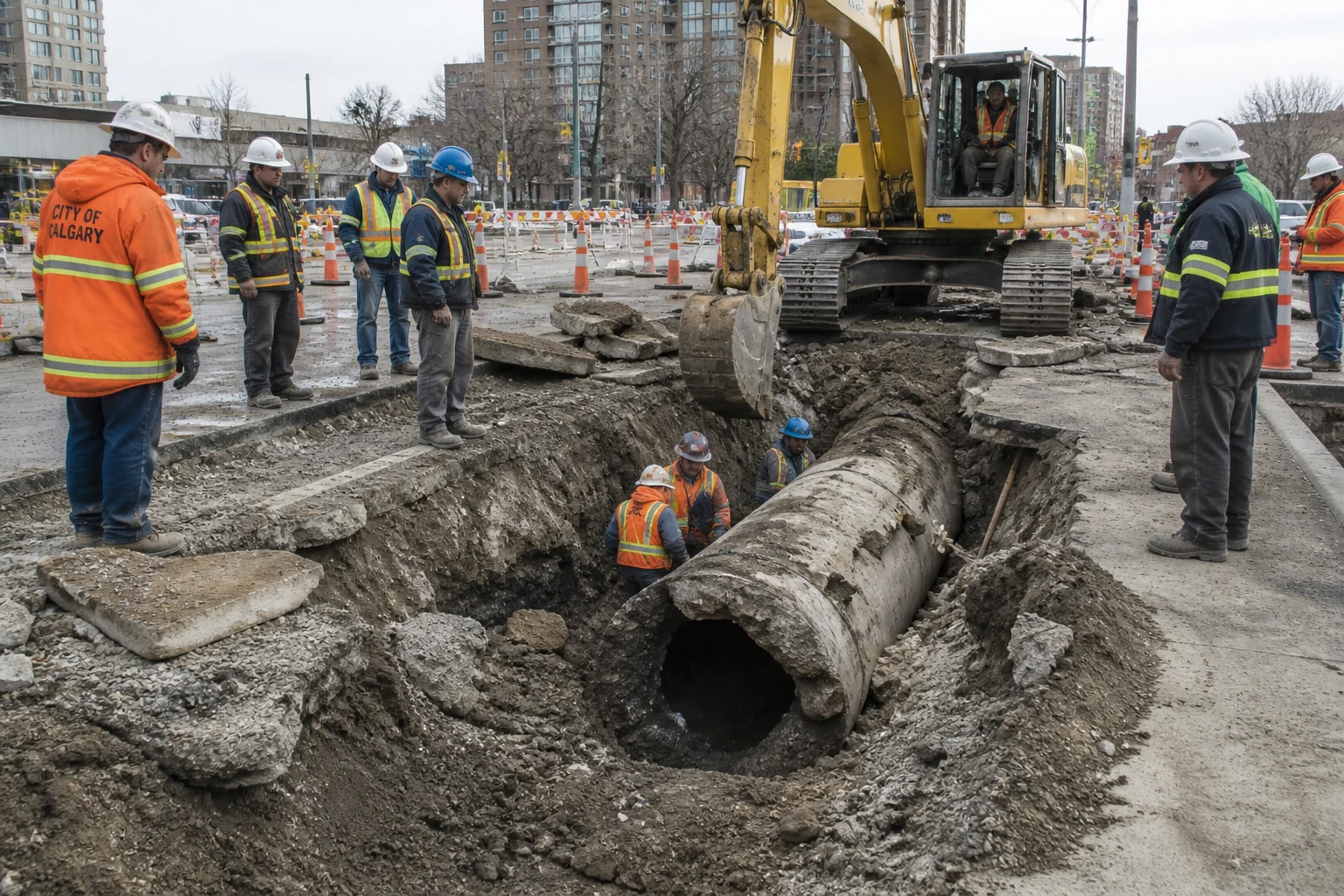
Alberta Orders Provincial Investigation Into Calgary's Recurring Water Main Breaks
May 2, 2026
Auburn, Alabama Enacts Mandatory Water Restrictions and Drought Surcharges
May 1, 2026
Vancouver Bans All Lawn Watering — Why BC Skipped Straight to Stage 2
May 1, 2026
Charlotte Imposes First Mandatory Water Restrictions Since 2007 — What Homeowners Need to Know
May 1, 2026
Corpus Christi Could Become the First American City to Run Out of Water
May 1, 2026