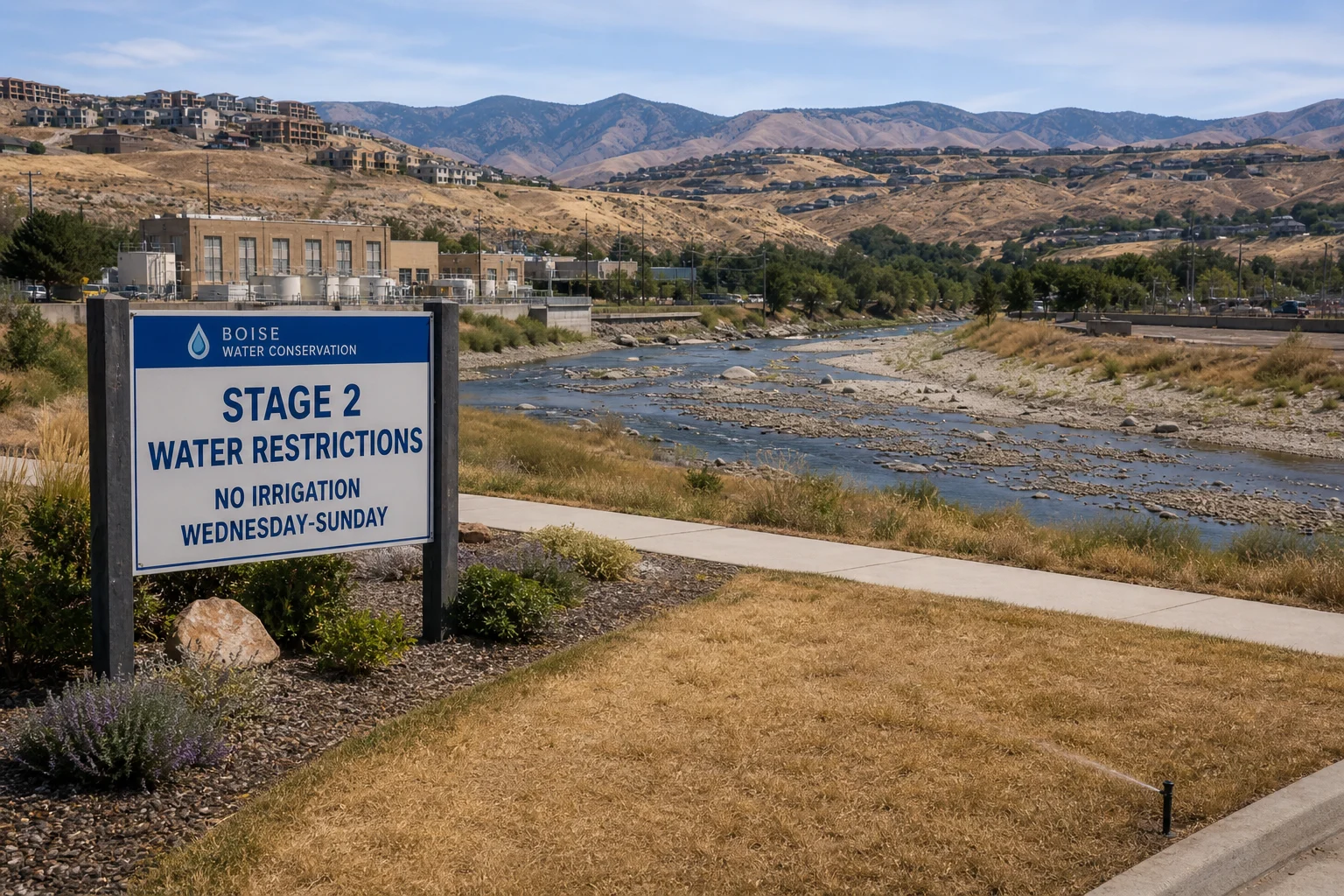
Boise Forced Into Early Stage 2 Water Restrictions as Snake River Hits Record Lows
Boise activated Stage 2 mandatory water restrictions on April 28, 2026 — roughly six weeks earlier than the city has ever previously triggered Stage 2 in modern record. The activation was forced by a combination of Boise River flows falling below the 1,200 cfs Stage 2 trigger threshold for the first time before May 1, Snake River basin supply running 31% below the ten-year average, and Boise metro population growth that has added more than 200,000 residents since 2010. The combination — lower supply against higher demand at a structurally earlier point in the season — defines what Boise Public Works director Steve Burgos has publicly characterised as a 'new operating posture, not a one-off event.'
What Stage 2 requires
Boise Public Works' Stage 2 schedule limits residential outdoor irrigation to two days per week based on address parity. Odd-numbered street addresses may water on Mondays. Even-numbered addresses may water on Tuesdays. No watering is permitted between 10:00 AM and 6:00 PM on any day. Hand watering with a shut-off hose remains unrestricted at all times outside the 10 AM to 6 PM blackout. Drip irrigation for landscape beds is unrestricted. Vegetable gardens are exempt from the day-of-week schedule when watered by hand or drip.
Several activities are restricted beyond the watering schedule. New cool-season turf installations require a permit. Pool filling is restricted to commercial customers and licenced pool installers. Vehicle washing at home is permitted only on the customer's assigned watering day with a shut-off nozzle; commercial car washes are unrestricted. Decorative water features that do not support aquatic life must be turned off. The city's first-offence fine is $100, escalating to $250 for second offences and $500 or more for repeat or wilful violations under the Boise water-conservation ordinance.
The Boise River trigger and what it means
Boise's Stage 2 declaration is structurally tied to flow at the USGS gage at Glenwood Bridge, where the Boise River exits the Boise Reservoir system and enters the metro service area. Stage 1 activates when 30-day average flow drops below 1,500 cubic feet per second. Stage 2 activates at 1,200 cfs. Stage 3 — the most severe restriction tier currently mapped in the Boise framework — would activate at 900 cfs. The 30-day average crossed 1,500 cfs in late March, then continued declining steeply through April. The April 28 reading of 1,180 cfs was the first sub-1,200 reading recorded before May 1 in the 50-year USGS record at the gage.
The flow decline is upstream-driven. The Snake River Basin, which feeds the Boise River through the Boise Reservoir system at Lucky Peak, Arrowrock, and Anderson Ranch dams, is running 31% below the ten-year average for May. The 2025–26 winter delivered snowpack at 71% of normal across the Boise basin headwaters — below average but not unprecedented. The deeper problem is that the basin is now in its third consecutive below-average winter, with reservoir carryover storage progressively depleted. Lucky Peak entered May at 64% of capacity; Arrowrock at 58%; Anderson Ranch at 71%. Combined storage is the lowest May 1 reading since 2003.
Population growth meeting supply decline
Boise has been one of the fastest-growing metropolitan areas in the United States since 2010. The metro population has grown approximately 42% over the period — from roughly 600,000 to 850,000 residents — driven by both in-migration from California and Pacific Northwest cities and by natural increase. The growth has consistently outpaced both housing supply and water-infrastructure expansion. Per-capita demand has fallen modestly through fixture-efficiency standards and conservation campaigns, but the absolute population increase has more than offset per-capita reductions.
The structural arithmetic — population up 42% since 2010, basin supply down 31% — produces a 73-point divergence between demand growth and supply trend. Boise Public Works has been publicly transparent that the current rate of growth cannot continue indefinitely without either substantial new supply (which would require multi-decade infrastructure projects with limited politically viable options) or material per-capita demand reduction. The Stage 2 declaration is partly a response to current acute conditions and partly the first step in normalising the structural demand-management posture the city believes it will need long-term.
Regional cascade — Nampa, Meridian, Eagle, Kuna
Boise's Stage 2 declaration has cascaded across the Boise metro. The City of Nampa activated its own Stage 1 schedule on April 30, three days after Boise's Stage 2 took effect. Meridian, Eagle, and Kuna — three smaller Boise-area municipalities sharing portions of the Snake River Basin supply — all activated Stage 1 schedules between April 28 and May 2. Each city operates an independent water utility with separate ordinance authority, but the schedules are coordinated through the Idaho Department of Water Resources to avoid customer confusion at municipal borders.
The Idaho Department of Water Resources has signalled that broader Snake River Basin water-rights administration may be required if conditions continue to deteriorate. Idaho operates a strict prior-appropriation water-rights system; junior-rights holders below a certain seniority threshold are subject to curtailment when senior rights cannot be satisfied. Curtailment orders during the 2014–22 drought sequence affected agricultural irrigators primarily, but the 2026 conditions are pushing the question into municipal supply for the first time. Idaho Code §42-237a provides the legal framework; the political question is whether the state will use it.
Smart meter enforcement
Boise Public Works has invested aggressively in advanced metering infrastructure (AMI) over the past five years. Roughly 92% of residential customers now have smart meters that report usage in 15-minute intervals to the utility's central operations system. The infrastructure was justified primarily on operational grounds — leak detection, demand forecasting, billing accuracy — but the Stage 2 declaration has activated a secondary use case: automated detection of off-schedule watering. A usage spike at 11:30 AM on a Monday on an even-numbered address, for instance, is structurally diagnostic of off-schedule sprinkler operation regardless of whether an inspector observes it directly.
The utility has stated publicly that AMI-based detection will supplement, not replace, complaint-driven and inspector-driven enforcement. First offences identified through AMI data alone will produce written warnings rather than immediate fines, and customers will be notified of the detection mechanism in the warning letter so the enforcement footprint is transparent. Privacy-rights advocates including the Idaho ACLU have flagged concerns about sub-daily meter data collection more broadly; the Stage 2 framework adopts the same approach Aurora Water (Colorado) and Denver Water both use — explicit disclosure plus warning-first enforcement, with citations reserved for repeat or wilful violations.
HOA and rental-property protections
Idaho Code §55-2104, enacted in 2023, prohibits homeowners associations from requiring lawn maintenance practices that would force homeowners to violate active municipal water restrictions. The protection applies in Boise during Stage 2: an HOA covenant requiring weekly green-lawn maintenance becomes unenforceable as long as Stage 2 is active. Renters covered by Idaho's standard residential lease structure inherit the same protection through the landlord's obligation to provide a property compliant with municipal ordinances.
Several Boise HOAs have nonetheless issued violation notices to homeowners with brown lawns in late April. The Idaho Attorney General's office issued a public statement on May 1 reiterating the §55-2104 protection and advising homeowners that any HOA fine for a brown lawn during active Stage 2 restrictions can be challenged in small-claims court with reasonable confidence of success. The statement included a model response letter for homeowners receiving HOA violation notices.
What Boise homeowners should do
The first action for any Boise homeowner with an automated sprinkler system is to reprogramme the controller to match the new schedule. Most modern controllers support a simple two-day-per-week scheduling pattern; the harder problem is verifying that no zone is set to 'auto' or 'rain delay' modes that may continue to run on the wrong day. Boise Public Works is offering free in-home controller verification visits through May 31; appointments can be booked through cityofboise.org/water.
For homeowners with established cool-season grass — Kentucky Bluegrass dominates Boise lawns, with Tall Fescue and Perennial Ryegrass blends increasingly common — the practical message is that summer dormancy is acceptable. KBG can survive 6 to 8 weeks of summer drought by going semi-dormant, with the crown remaining alive and the blades recovering reliably with autumn rain. The biggest mistake homeowners make under Stage 2 is panic-fertilising or attempting to keep grass green by overusing the limited allowed sprinkler windows. Both stress the lawn further. Mulched landscape beds need a fraction of the water bare soil does; a 50–75 mm bark or compost layer is the single highest-leverage move a homeowner can make this week.
Related water restrictions
Community Reports & Questions
Share an update, ask a question, or report a change in your local restrictions.
No community reports yet
Be the first to share a local update, ask a question, or report a change in your area's restrictions.
More news
Florida Escalates to Phase III Extreme - SJRWMD Tightens Rules Across 18 Counties
May 13, 2026
Coastal Bend Water Crisis Spreads - Aransas Pass and Beeville Declare Disasters as Corpus Christi Hits 7.8%
May 12, 2026
UK Braces for Summer 2026 Drought as Key Reservoir 'Will Not Fully Recover'
May 2, 2026
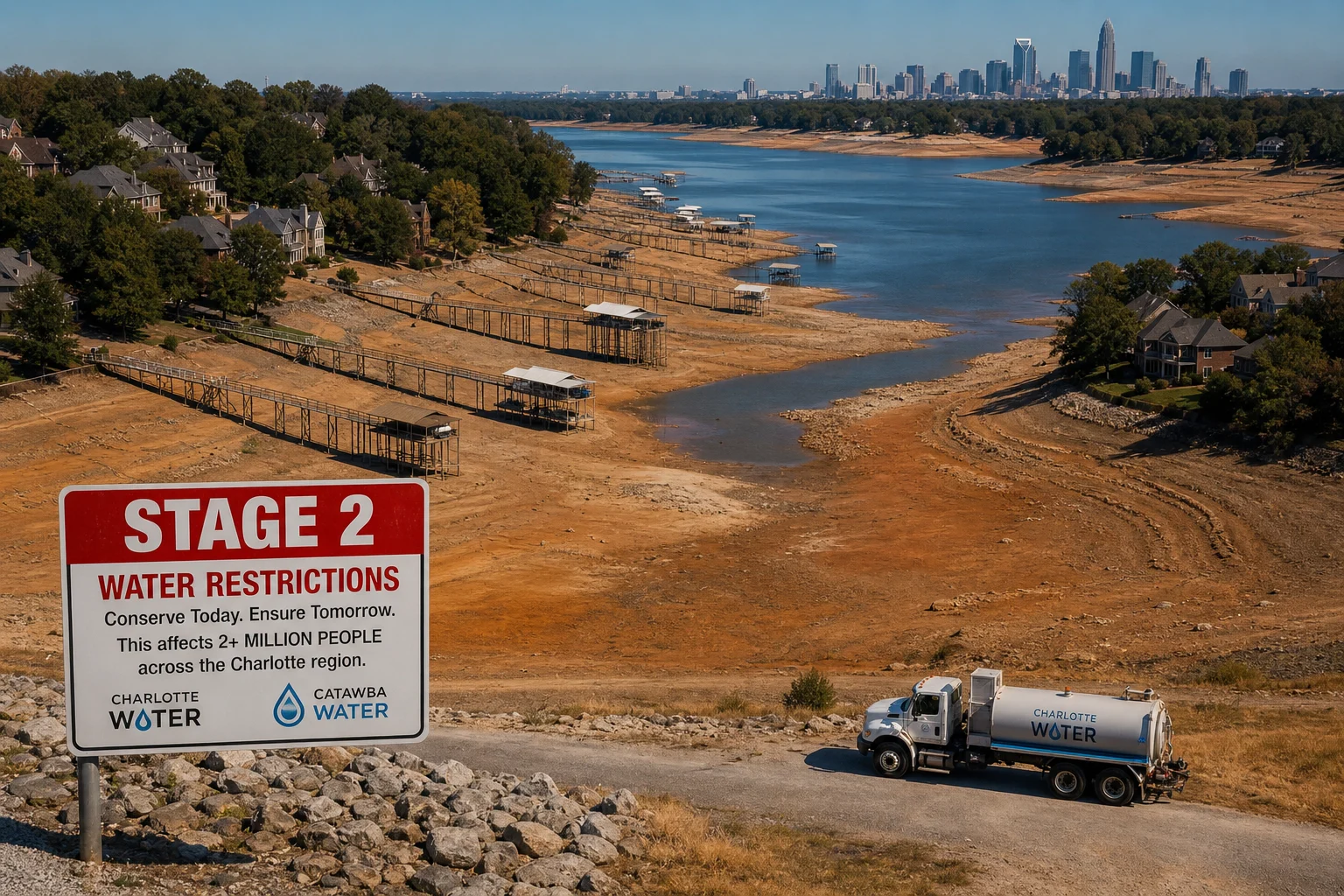
Charlotte Metro Hits Stage 2 Water Restrictions — First 'Exceptional Drought' Since 2008
May 2, 2026
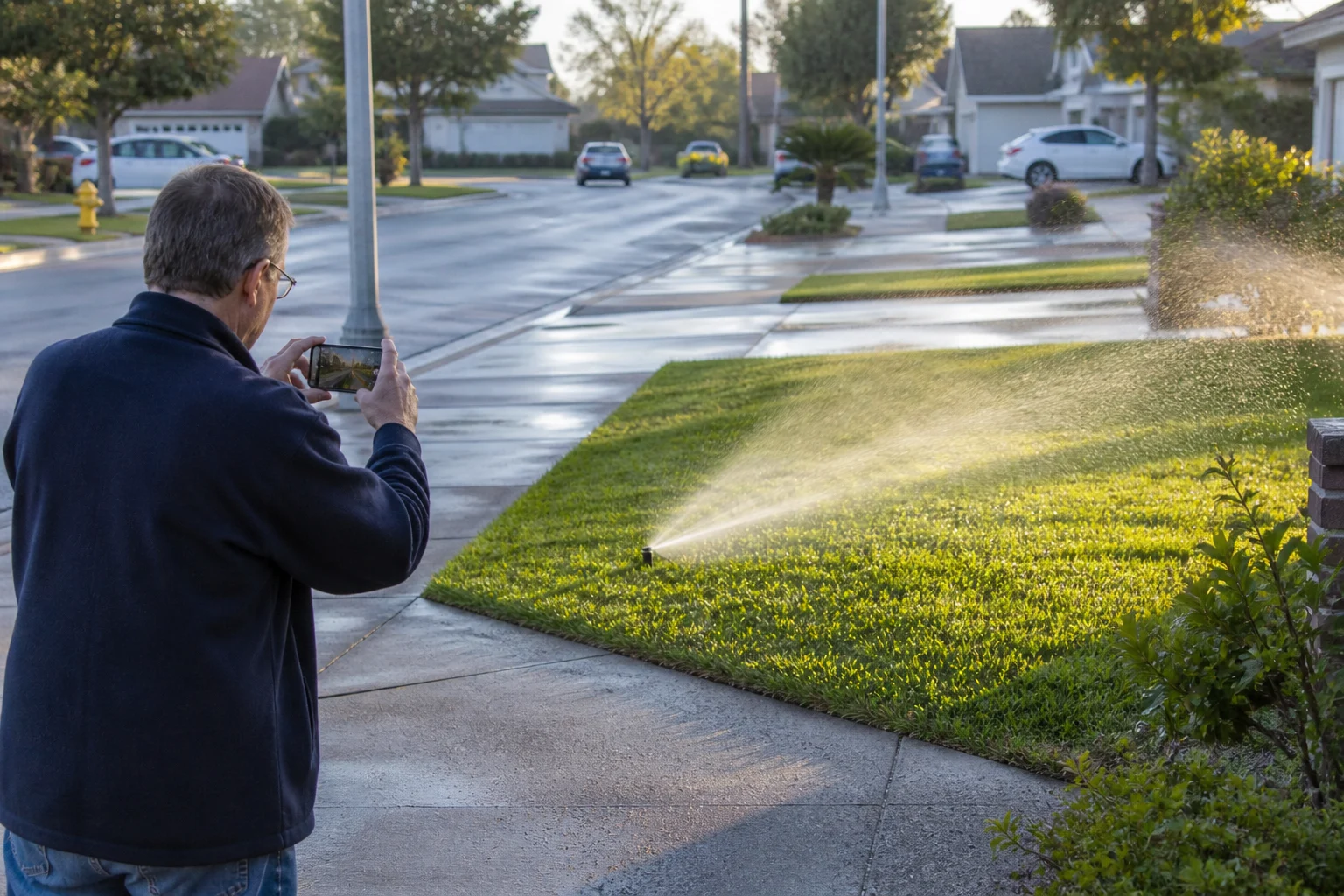
Neighbors Turn 'Water Police': Community Reporting of Violations Rises
May 2, 2026
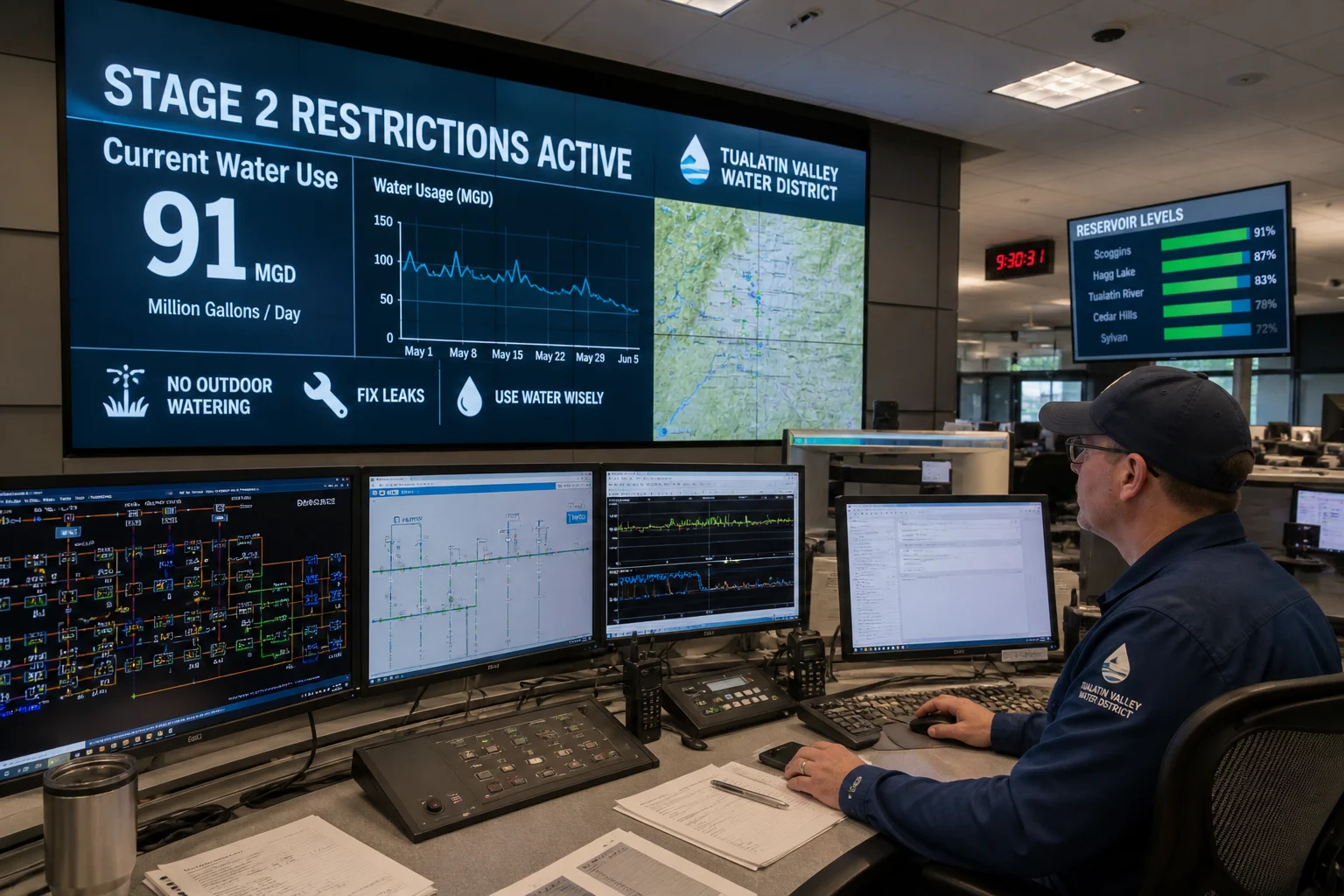
Water Companies Proactively Restrict Customer Usage Across Drought-Affected Regions
May 2, 2026
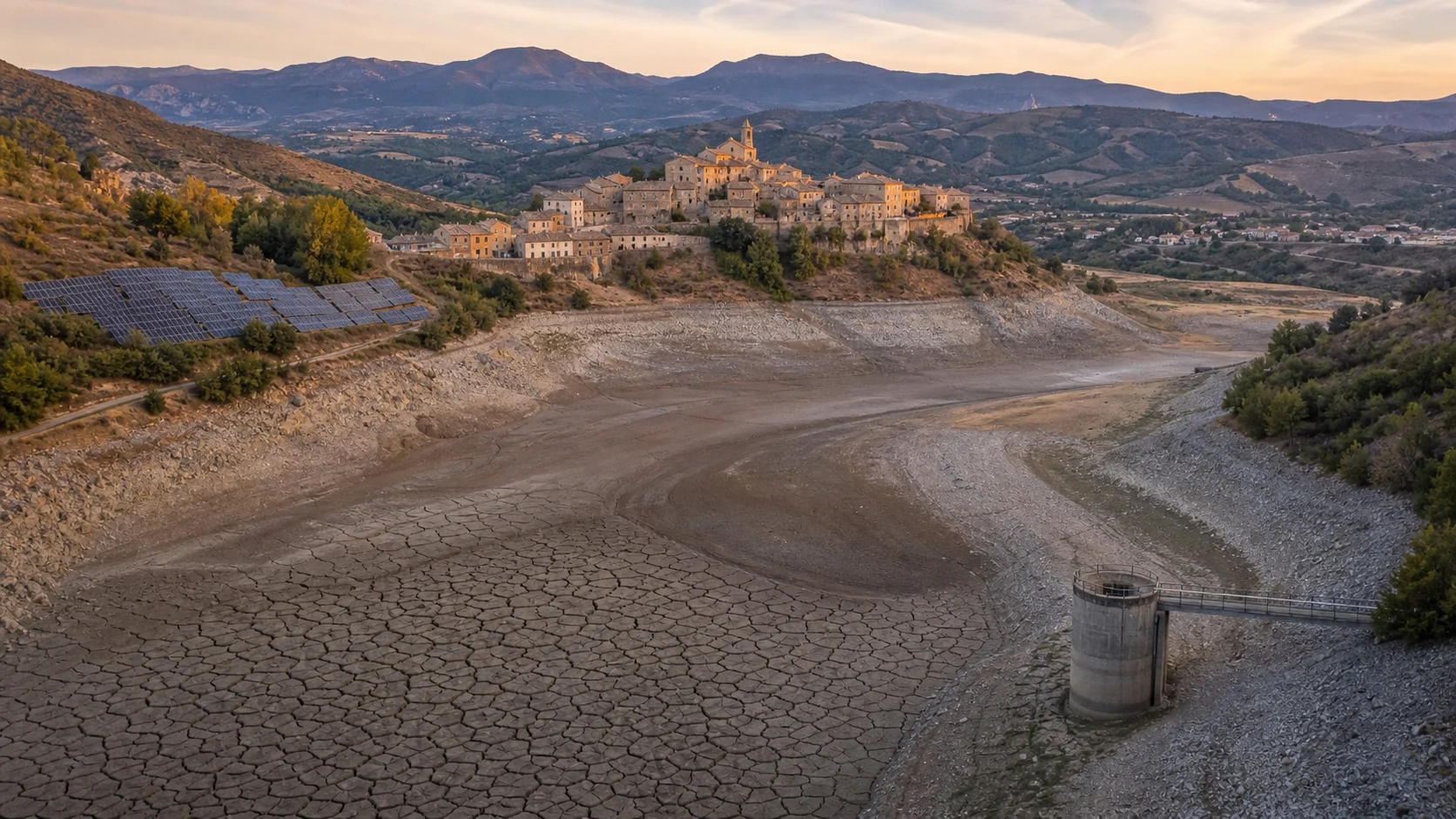
Europe's Water Crisis Worsens: Continental Aquifer Depletion Accelerates
May 2, 2026
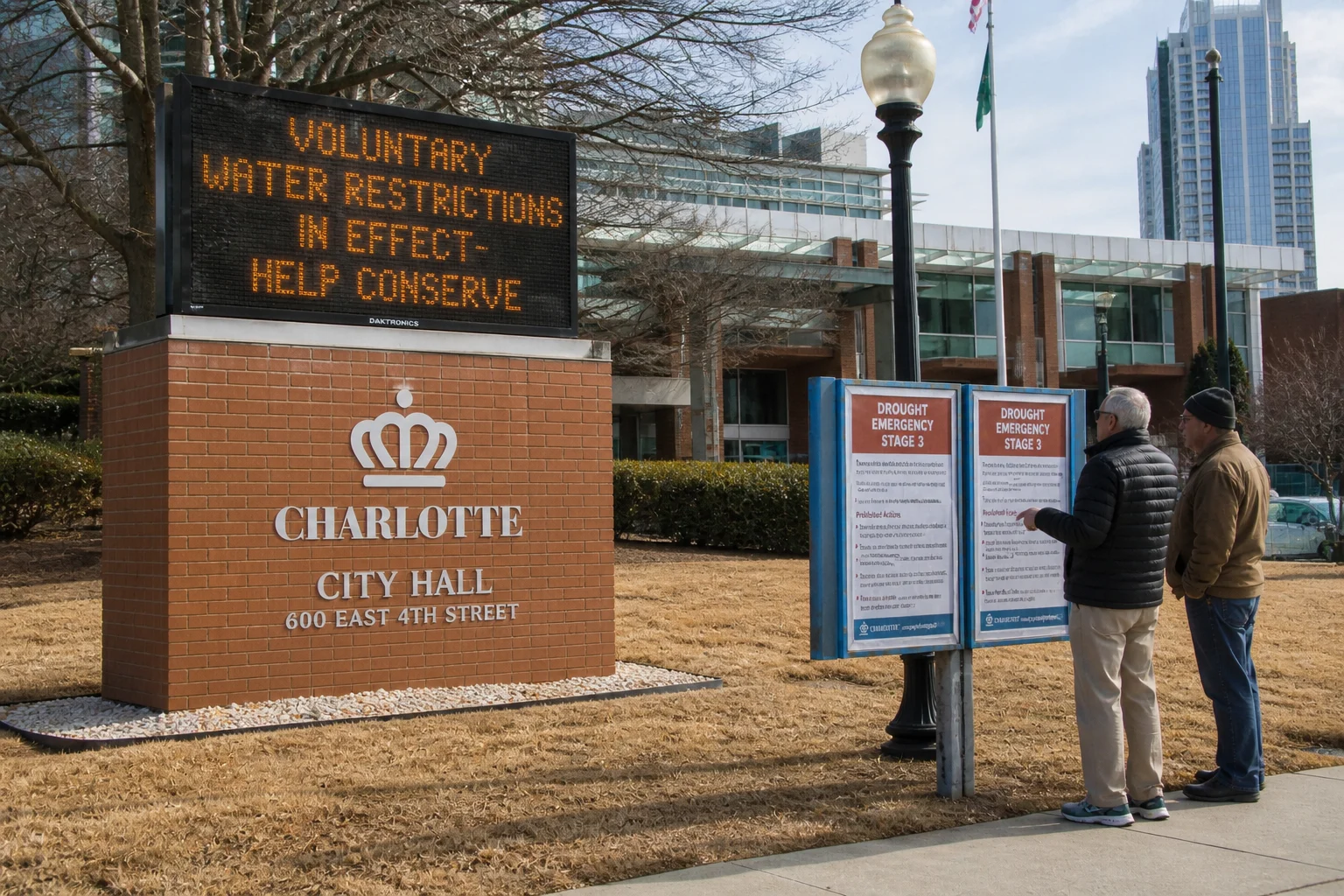
Charlotte Issues Voluntary Water Restrictions and Burn Ban Amid Ongoing Drought
May 2, 2026
Denver Implements Mandatory Water Restrictions with 'Hundreds of Dollars' in Fines
May 2, 2026
California Water Violation Fines Set to Increase 20-Fold Under New Legislation
May 2, 2026
Alberta Orders Provincial Investigation Into Calgary's Recurring Water Main Breaks
May 2, 2026
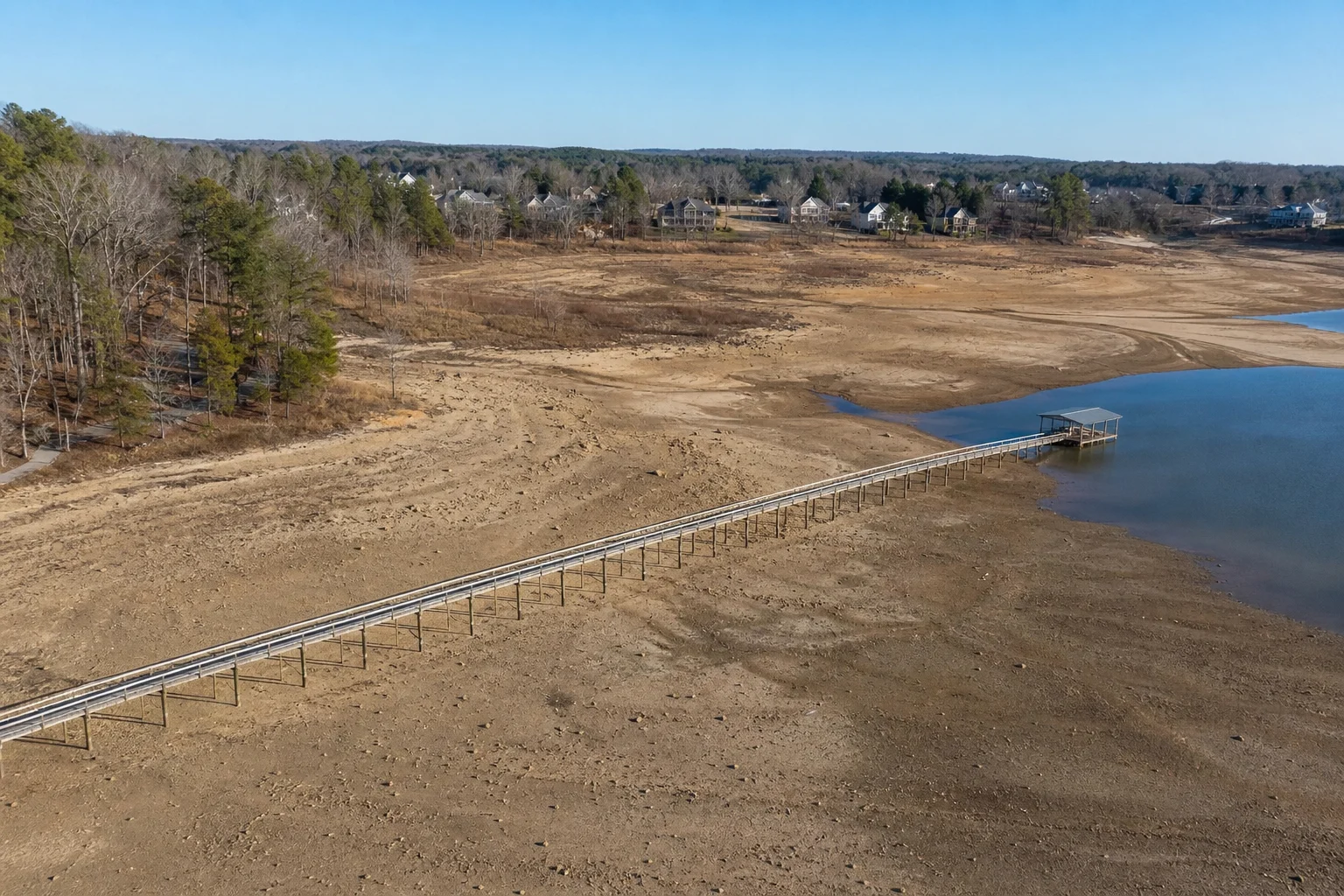
Raleigh Activates Stage 1 Water Restrictions as Falls Lake Drops to 84% Capacity
May 2, 2026
Auburn, Alabama Enacts Mandatory Water Restrictions and Drought Surcharges
May 1, 2026
Vancouver Bans All Lawn Watering — Why BC Skipped Straight to Stage 2
May 1, 2026
Charlotte Imposes First Mandatory Water Restrictions Since 2007 — What Homeowners Need to Know
May 1, 2026
Corpus Christi Could Become the First American City to Run Out of Water
May 1, 2026