Flowers to Plant in Your City
Choosing the right flowers starts with understanding your USDA hardiness zone. This single number, determined by your region’s average annual minimum winter temperature, dictates which perennials will survive your winters, when to set out annuals, and which bulbs need a cold period to bloom. A flower that thrives in balmy Zone 9 may not survive a single winter in Zone 5, and a tulip that needs 12 weeks of cold vernalization will never bloom properly in frost-free Zone 10. Beyond cold hardiness, your zone influences bloom timing, pest pressure, and the length of your growing season. Our city-level guides combine USDA zone data with local climate patterns to recommend the best spring, summer, fall, and winter flowers for your exact location — so you spend less time guessing and more time gardening.
Browse by Flower Type
Looking for the right time to plant a specific flower? Each guide below covers the exact planting window for every US state, the best varieties for your USDA zone, and the practical care steps that produce healthy first-year plants.
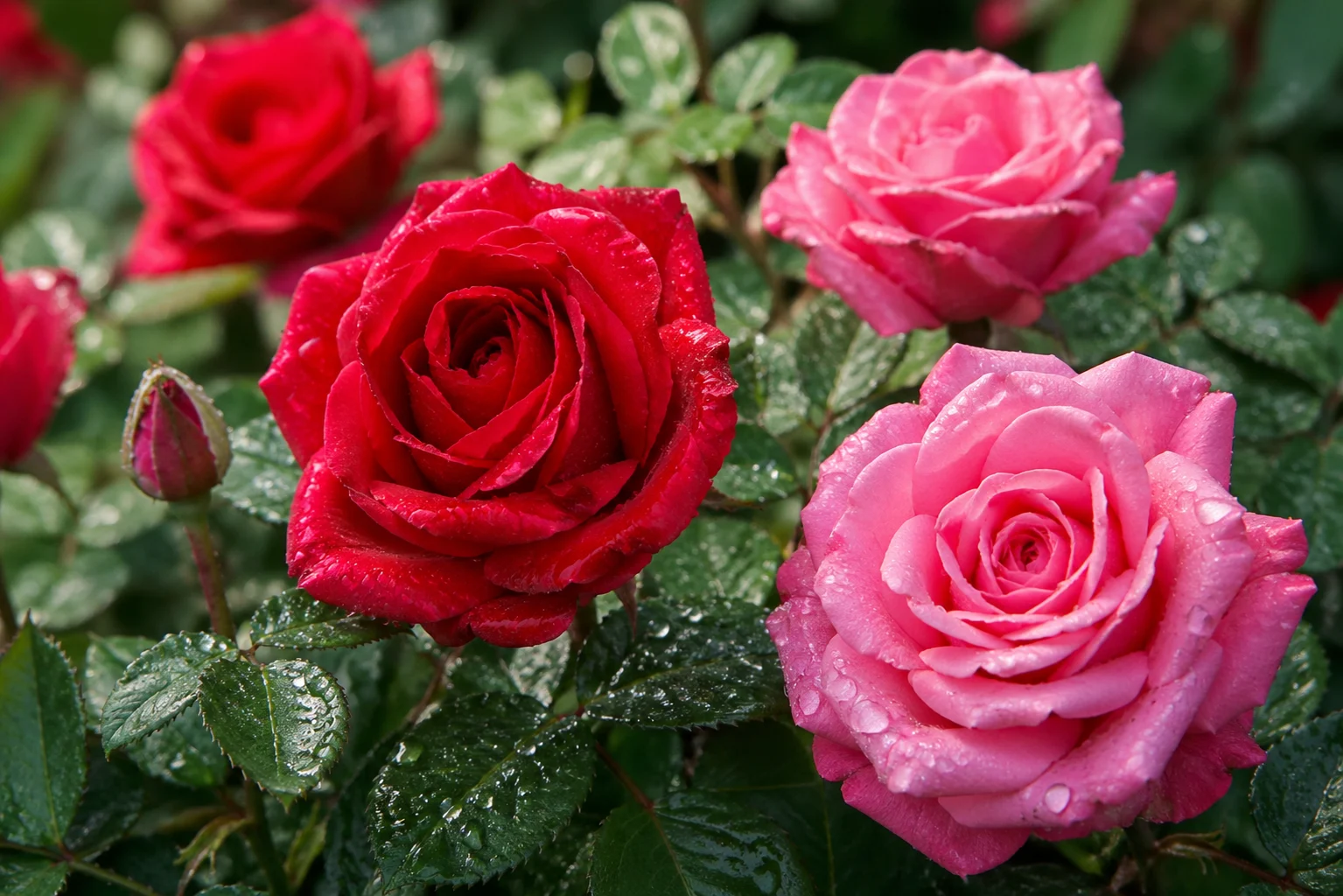
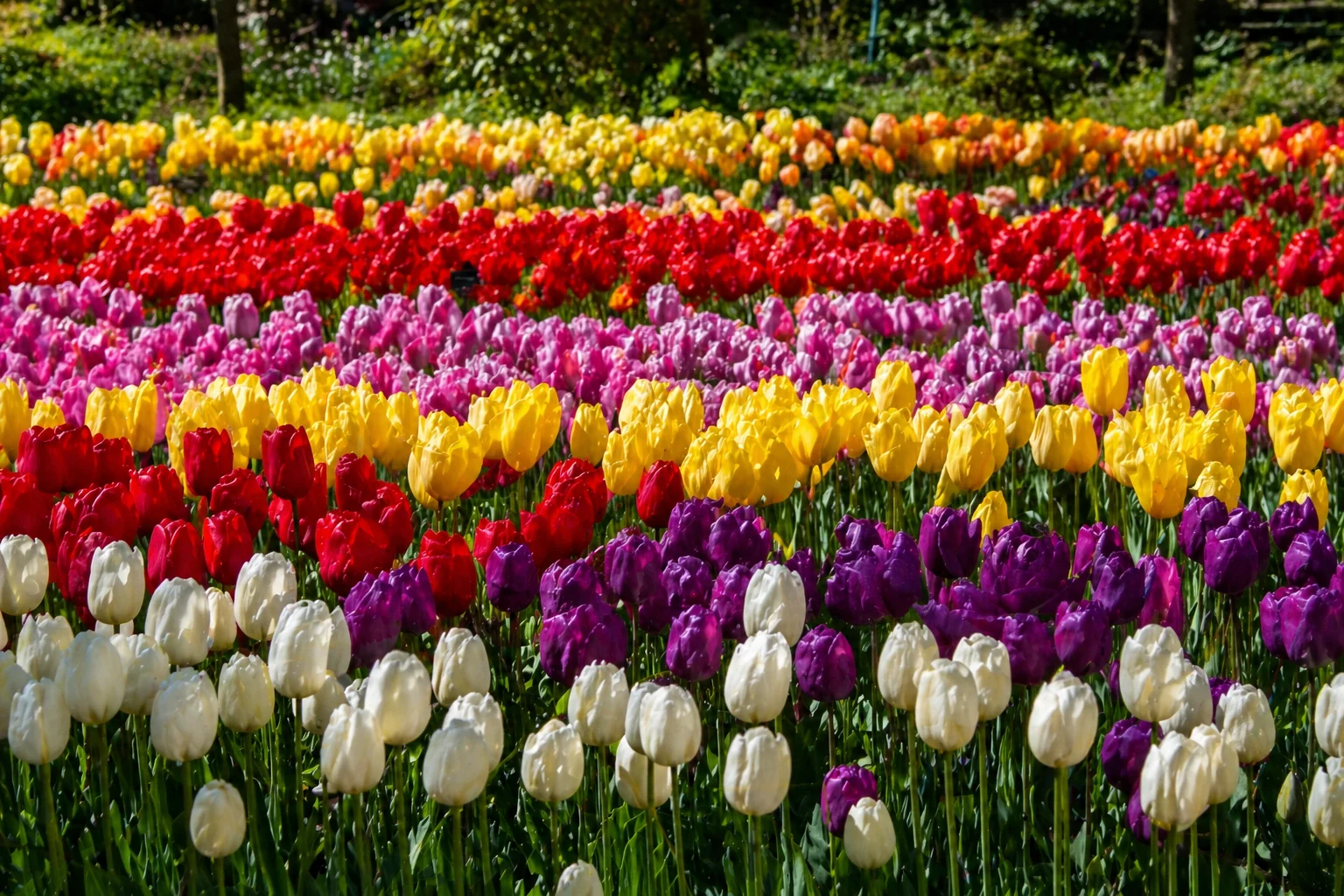
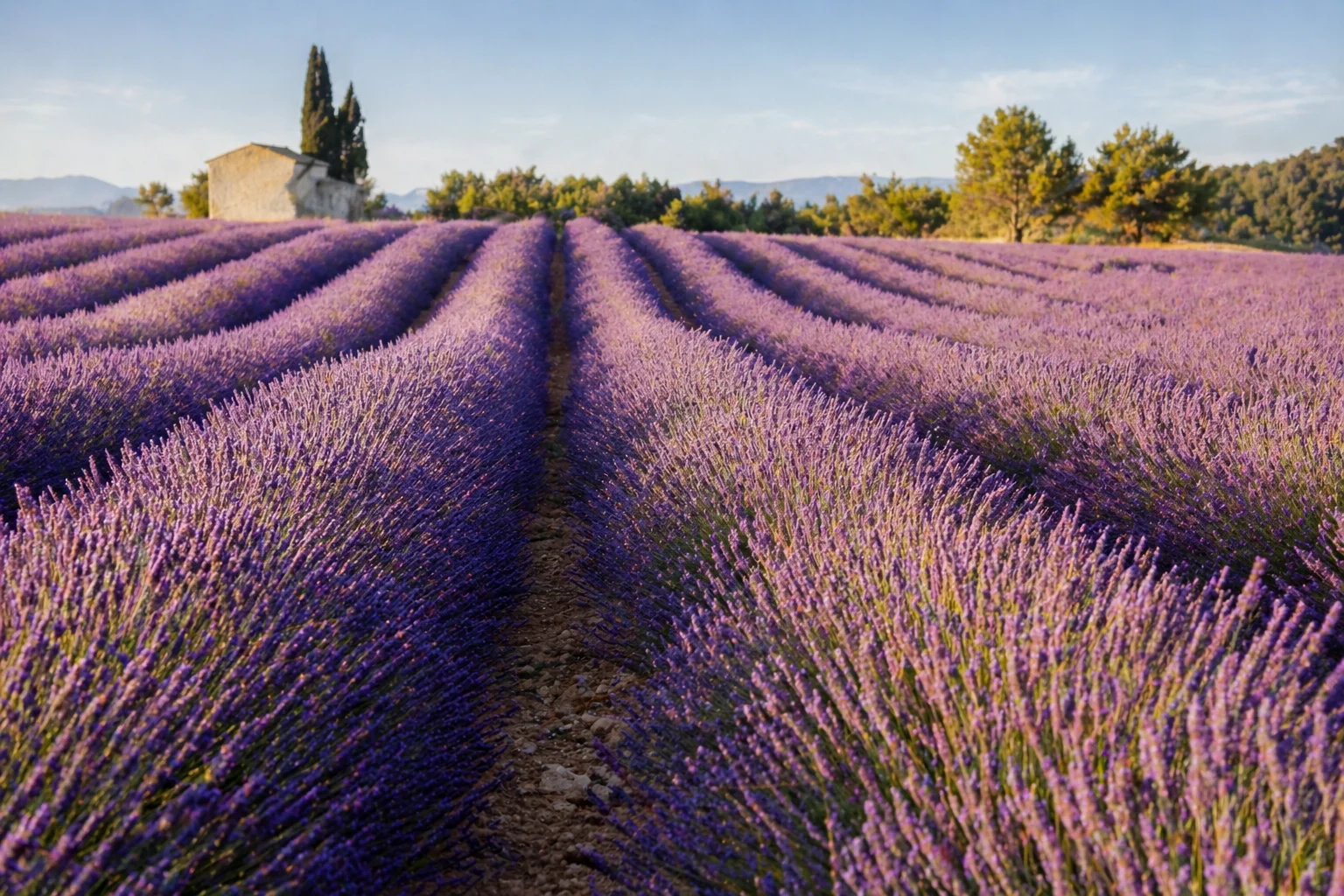
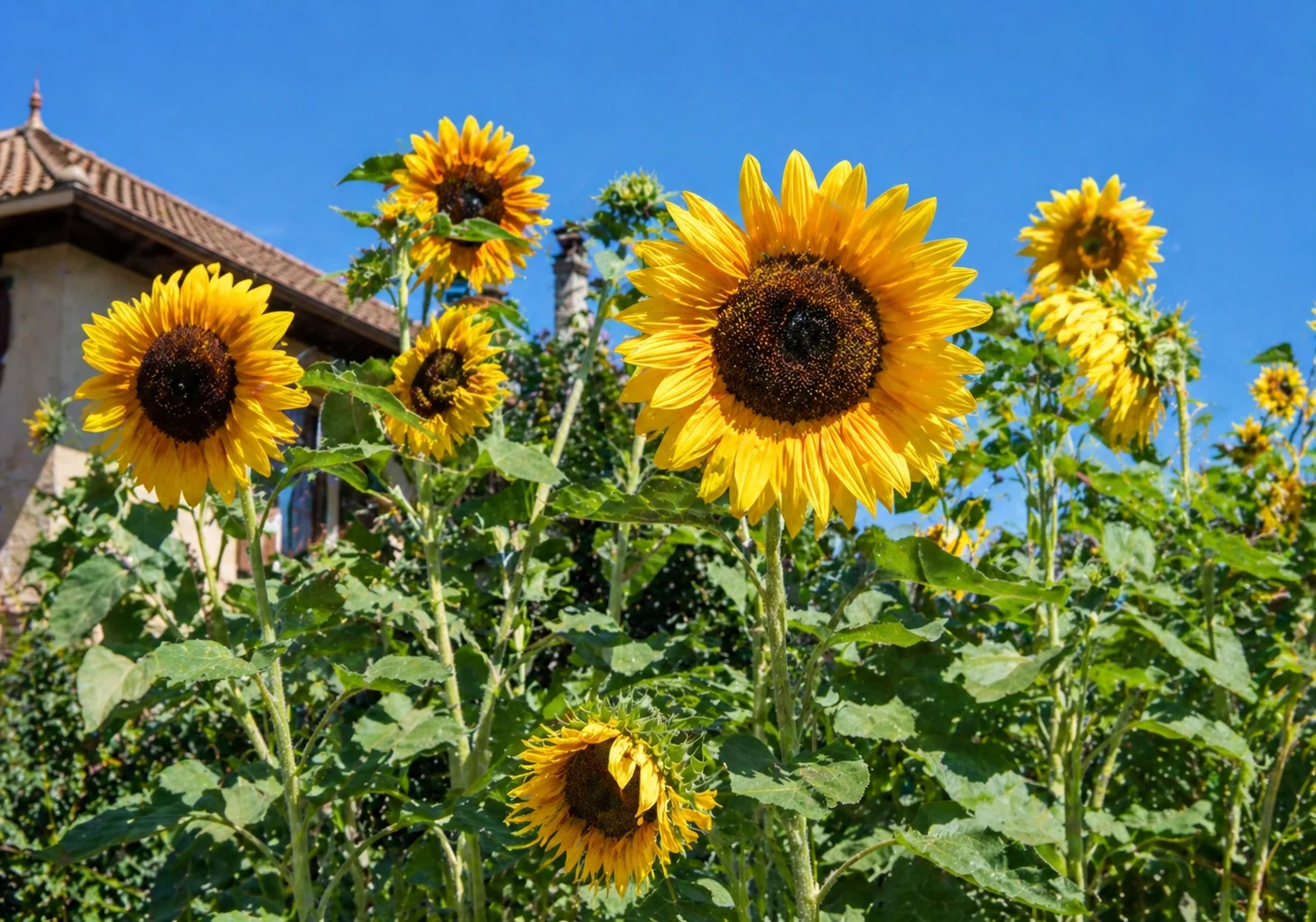
Flowers by Season
Spring
- Tulipred, yellow, pink, purple, white, orange
- Daffodilyellow, white, orange, bicolor
- Crocuspurple, yellow, white, striped
Summer
- Purple Coneflowerpurple, pink, white
- Black-Eyed Susanyellow, gold
- Zinniared, orange, pink, yellow, white, purple, lime
Fall
- Garden Mumyellow, orange, red, purple, white, bronze
- New England Asterpurple, pink, blue, white
- Goldenrodyellow, gold
Winter
- Witch Hazelyellow, orange, red
- Hellebore (Lenten Rose)purple, pink, white, green, spotted
Flowers by Climate Zone
Cold
Cold (Zones 3–5)
- Tulip · Spring
- Daffodil · Spring
- Purple Coneflower · Summer
Moderate
Moderate (Zones 6–7)
- Tulip · Spring
- Virginia Bluebells · Spring
- Butterfly Weed · Summer
Warm
Warm (Zones 8–9)
- Lantana · Spring through Fall
- Salvia · Spring through Fall
- Zinnia · Summer to Fall
Tropical
Tropical (Zones 10+)
- Plumeria · Spring through Fall
- Bougainvillea · Year-round (peak spring and fall)
- Hibiscus · Year-round (peak summer)
Flowers by State
Frequently Asked Questions
- When is the best time to plant flowers?
- The best time depends on your USDA hardiness zone and the type of flower. In cold climates (Zones 3–5), most planting happens from late April through June after the last frost. In warm climates (Zones 8–9), you can plant cool-season flowers in fall and warm-season varieties in spring. Check your local frost dates and aim to plant annuals after the last expected frost, while perennials and bulbs often go in the ground earlier.
- What are the best flowers for beginners?
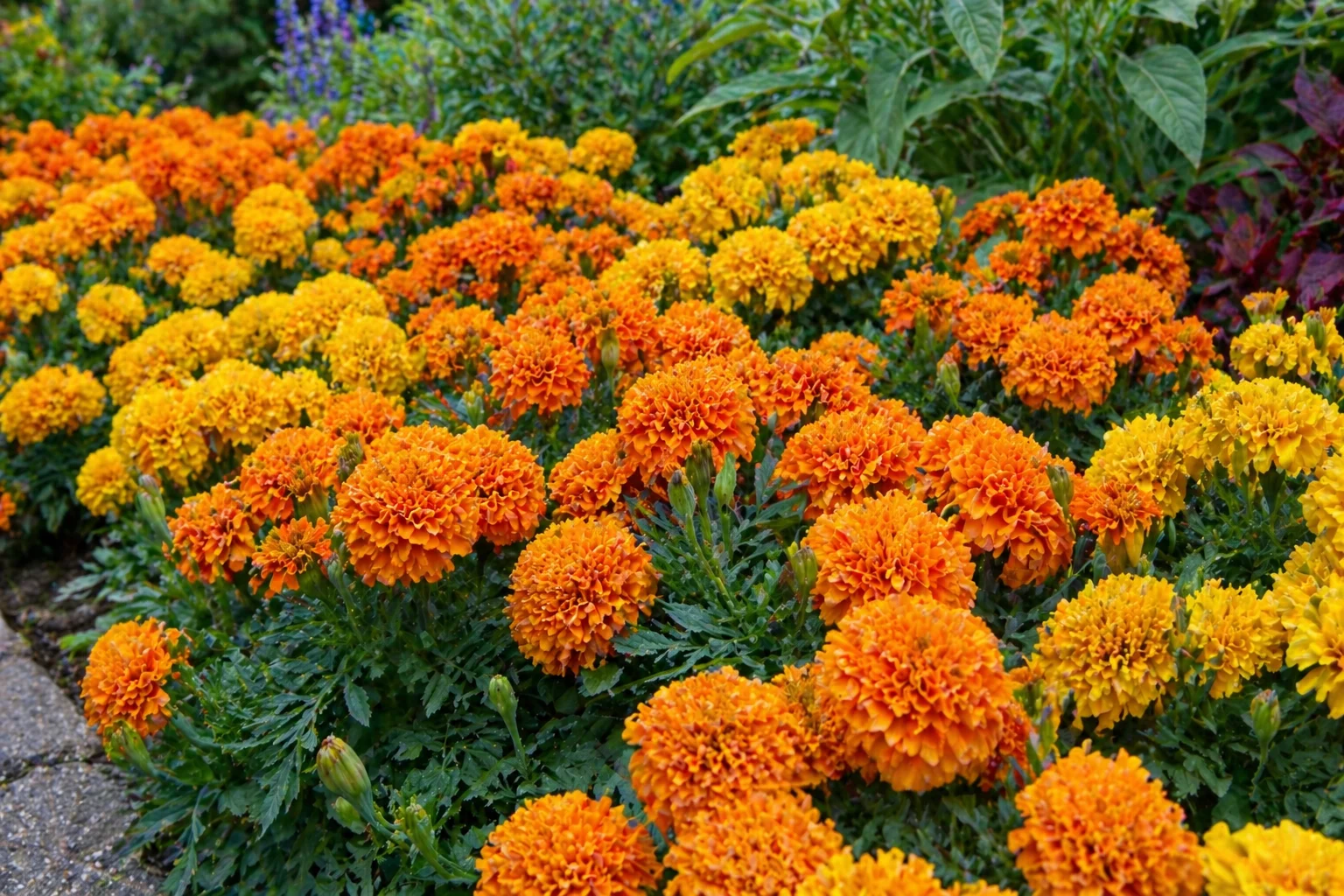
- Marigolds, zinnias, sunflowers, and pansies are excellent beginner flowers because they germinate quickly, tolerate a range of conditions, and bloom prolifically with minimal fuss. For perennials, try coneflowers (Echinacea), black-eyed Susans, and daylilies — they are drought-tolerant, deer-resistant, and come back year after year with little care.
- What is the difference between perennials and annuals?
- Annuals complete their life cycle in one growing season — they sprout, bloom, set seed, and die within a single year. You replant them each spring. Perennials live for multiple years, dying back to their roots in winter and re-emerging in spring. Perennials cost more upfront but save money over time, while annuals provide continuous, vibrant color all season long.
- How do I choose flowers for my USDA zone?
- Your USDA hardiness zone tells you which plants can survive your winter low temperatures. Look for plants rated for your zone or lower. For example, if you live in Zone 6, choose plants rated for Zones 1–6. Beyond cold hardiness, also consider your heat zone, rainfall patterns, and soil type. Our city-level guides factor in all of these variables to give tailored recommendations.
- Can I plant flowers in the fall?
- Absolutely. Fall is the ideal time to plant spring-blooming bulbs like tulips, daffodils, and crocuses. It is also a great time to plant perennials because cooler temperatures and autumn rains help roots establish before winter dormancy. In warm climates (Zones 8–10), fall is prime planting season for cool-season annuals like pansies, snapdragons, and sweet alyssum.
- How much sun do most flowers need?
- Most flowering plants need at least 6 hours of direct sunlight per day, which is classified as “full sun.” Part-shade flowers (like impatiens, begonias, and bleeding hearts) do well with 3–6 hours. A few species thrive in full shade with fewer than 3 hours of direct sun. Always match the plant’s sun requirement to the actual light conditions in your garden for the best results.