When to Plant Sunflowers — 2026 Planting Guide
Published:
Sunflowers are one of the easiest annuals to grow from seed — direct sow after the last frost when soil reaches 10°C (50°F), water occasionally, and harvest blooms 70 to 100 days later. The timing window is forgiving (most US zones can plant from April through July) and the success rate is exceptional for new gardeners. This guide covers the right window for every US state, the best sunflower varieties (giants, branching, dwarf, pollenless cut-flower types), and the spacing and depth that produces tall, sturdy plants with large heads.
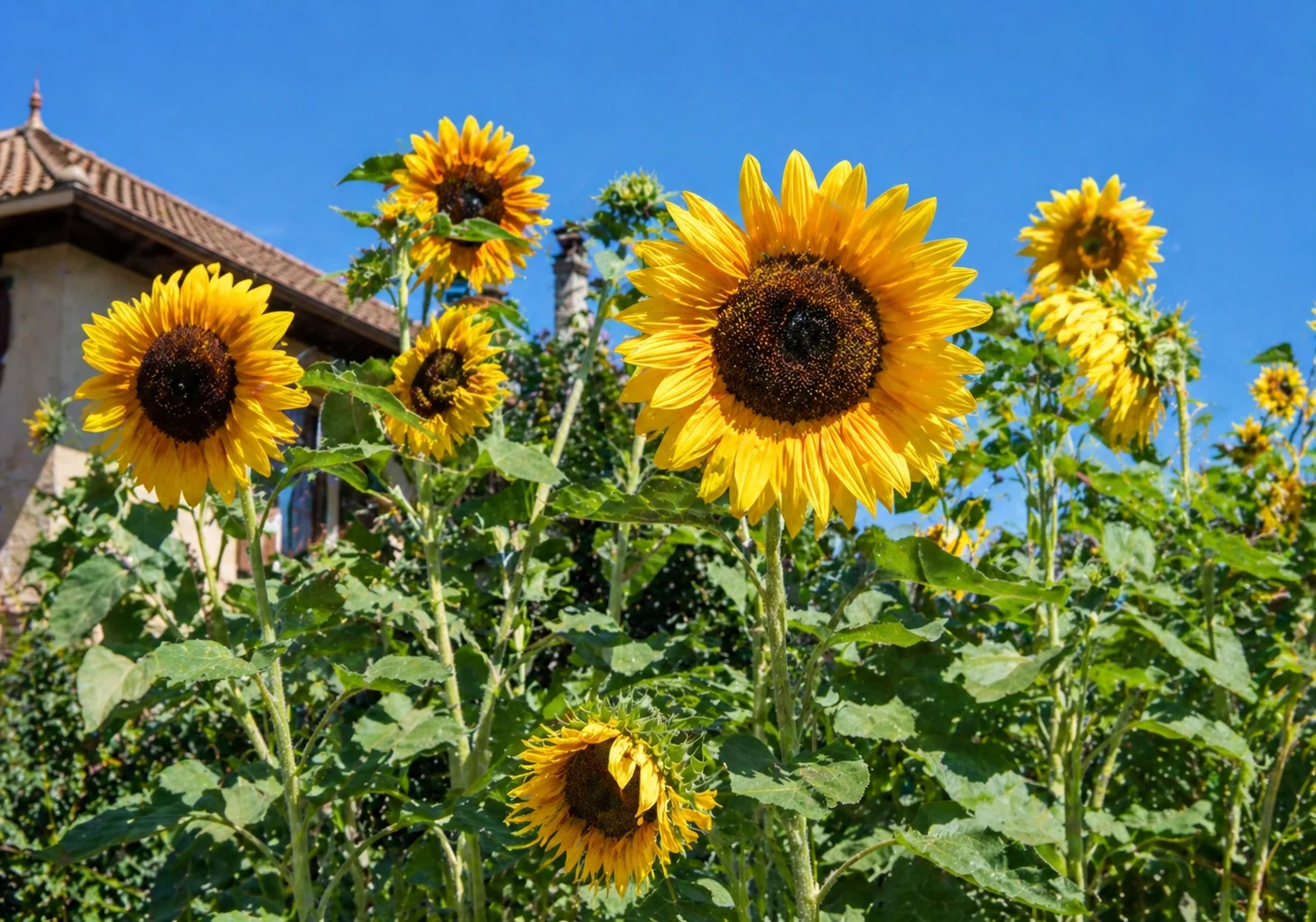
Quick Answer
Direct sow sunflower seeds after last frost when soil reaches 10°C / 50°F. Most zones: April–June. Warm-season annual — does not tolerate frost. Days to bloom: 70–100 days from seed.
Sunflowers Planting Dates by State
Click your state for the exact sunflowers planting window, the best varieties for your USDA zone, and a state-specific care calendar. All dates are based on average last frost dates and population-weighted USDA zone primary for each state.
How to Plant Sunflowers
Sow method: direct sow after last frost. Below are the practical steps — site selection, depth, spacing, and first-season care — that produce healthy first-year plants. Each step matters; skipping site selection or depth in particular dramatically reduces success rates.
- →Direct sow sunflower seeds 2.5 cm (1 inch) deep, after the last frost when soil reaches 10°C (50°F).
- →Space giant varieties 60 cm (24 inches) apart; branching types 30 cm (12 inches); dwarf 20 cm (8 inches).
- →Choose a site with full sun (8+ hours) — sunflowers track the sun and lean toward shade.
- →Water consistently for the first 3 weeks; once established, water deeply weekly during dry periods.
- →Stake giant varieties at planting — adding stakes after the plant reaches 1 m (3 ft) damages roots.
- →Sidedress with balanced fertilizer when plants reach 60 cm (2 ft) tall — once is enough.
- →Successive sowings every 2 weeks from late spring through midsummer give continuous blooms through fall.
- →Harvest cut flowers when the bloom is fully open but the back of the head is still bright green; cut early in the morning.
Sunflowers Care After Planting
First-season care for sunflowers centers on consistent watering during establishment, light fertilization (or none for low-input species like lavender and natives), and protection from pests during the vulnerable early-season period. Established plants typically need far less attention than first-year plantings — this is the year-by-year payoff for choosing perennial and self-seeding species.
Bloom timing for sunflowers is summer through fall. Match this expected bloom window to your garden design — pair sunflowers with species that bloom before and after to extend total garden color from spring through fall. Most plants take 1 to 3 full growing seasons to reach mature size and full flowering performance, which is why first-year results often look modest. Plant for the third year, not the first.
Best Sunflowers Varieties by Zone
The right variety for your garden depends on your USDA zone, sun exposure, and soil. Below are the top sunflowers cultivars and species for each major US climate region.
Single 30 cm (12 inch) heads on 3 m (10 ft) stalks. The classic giant sunflower. 90 days to bloom.
Branching habit, 1.5–2 m (5–7 ft) tall, multiple smaller blooms in red, orange, yellow, and bronze tones. 70 days.
Branching pale yellow blooms, 1.5–2 m (5–7 ft) tall. Excellent for cutting and pollinator gardens. 90 days.
Cut-flower industry standard. No pollen drop. Single bloom per stem. 50–60 days. Successive sowings every 2 weeks for continuous blooms.
60 cm (24 inch) tall, fully double yellow blooms. Container-friendly. 60 days.
Common Mistakes When Planting Sunflowers
The most common sunflower mistake is planting too early. Sunflower seeds rot in cold wet soil — wait until soil temperature reaches a consistent 10°C (50°F), which is typically 2 weeks after last frost. Cold-soil seeded sunflowers either fail to germinate or produce weak stunted plants.
The second common mistake is overcrowding. Giant varieties need 60 cm (24 inches) of space; planting at 30 cm produces tall thin plants with small heads that fall over in summer storms. Branching types tolerate closer spacing but still need 30 cm minimum for full development.
Third mistake: trying to transplant sunflower seedlings. Sunflowers have a deep taproot that does not transplant well — direct seeding is dramatically more successful than starting indoors and transplanting. If you must start indoors (Zone 4 or colder), use deep biodegradable pots that go in the ground without disturbing the roots.
Frequently Asked Questions
When can I plant sunflower seeds?
After the last frost when soil reaches 10°C (50°F). Most US zones plant April through June. Zone 9–10 can plant from February (after the brief winter cool spell) through July. Zone 3 plants in late May through June. Always wait 2 weeks after last frost rather than the frost date itself.
How deep do I plant sunflower seeds?
2.5 cm (1 inch) deep in average soil; up to 4 cm (1.5 inches) in sandy soil. Plant 2 to 3 seeds per hole, then thin to the strongest seedling after germination (5 to 10 days). Deeper planting helps anchor giant varieties against summer winds.
Why are my sunflowers falling over?
Three common causes: overcrowding (insufficient spacing produces weak stems), insufficient sun (plants stretch toward light and become unbalanced), and missed staking (giant varieties need stakes installed at planting time, not added later). Stake giants 1.5 m (5 ft) at planting; tie loosely as the plant grows.
How tall do sunflowers grow?
Varies dramatically by variety: dwarf types (Teddy Bear, Big Smile) reach 60 cm (24 inches); standard cut-flower types (ProCut, Sunfinity) reach 1.5–2 m (5–7 ft); giants (Mammoth, Mongolian Giant) reach 3–4 m (10–14 ft). Choose variety based on garden space — dwarf for small beds and containers, giants only for back-of-border plantings.
Can I plant sunflowers in pots?
Yes, but only dwarf varieties (60 cm / 24 inches or shorter). Standard and giant types have deep taproots that need 60 cm (24 inches) of soil depth — impractical in containers. Use a 30 cm (12 inch) deep pot minimum for dwarf varieties; provide full sun and water daily during summer heat.