US Vegetable Planting Calendar 2026
Published: March 1, 2026 · Updated:
Knowing exactly when to plant vegetables in your state is the single biggest factor in a successful harvest. Every vegetable has a preferred soil temperature, a required number of frost-free days, and an ideal window for starting seeds indoors or direct-sowing outdoors. These windows vary dramatically by location — a tomato transplanted outdoors in mid-March in Houston would freeze solid in Minneapolis. This hub provides 32 vegetable type guides, USDA zone-aware planting tables, and city-specific calendars for all 50 states.
Browse Vegetables
Select any vegetable to see its US planting calendar, variety guide, and city-by-city dates.
Cool-season staples
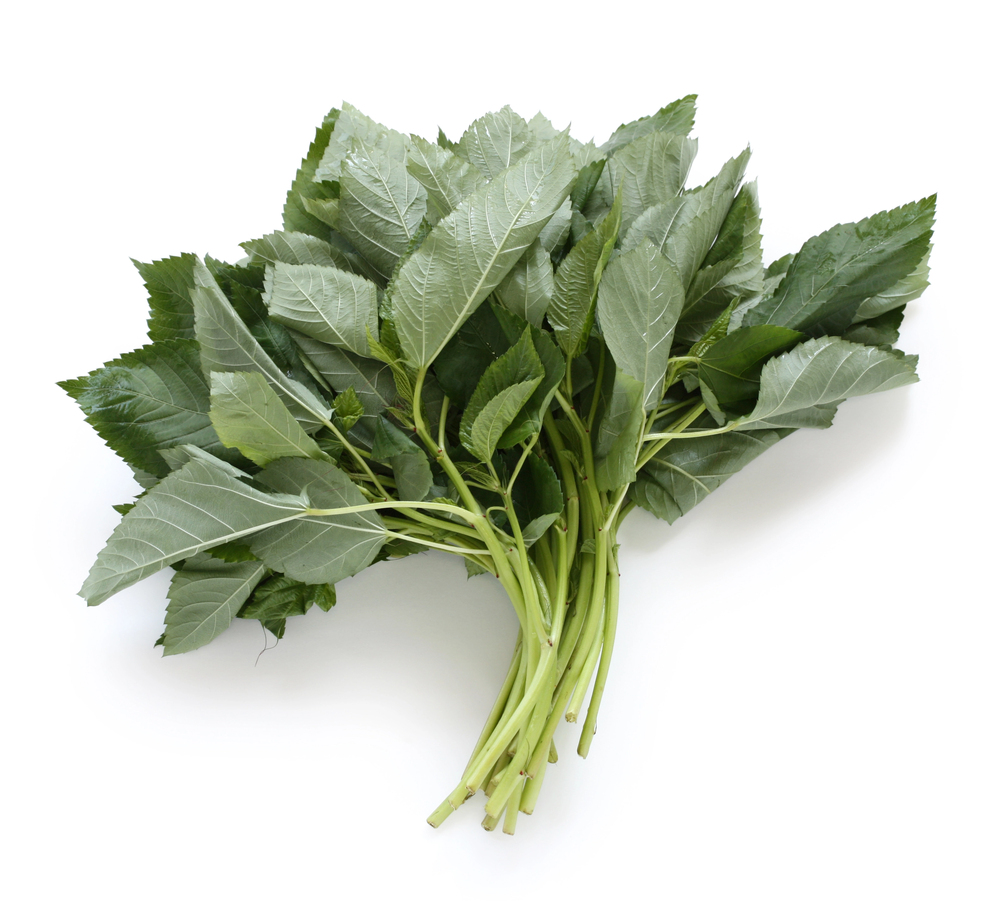
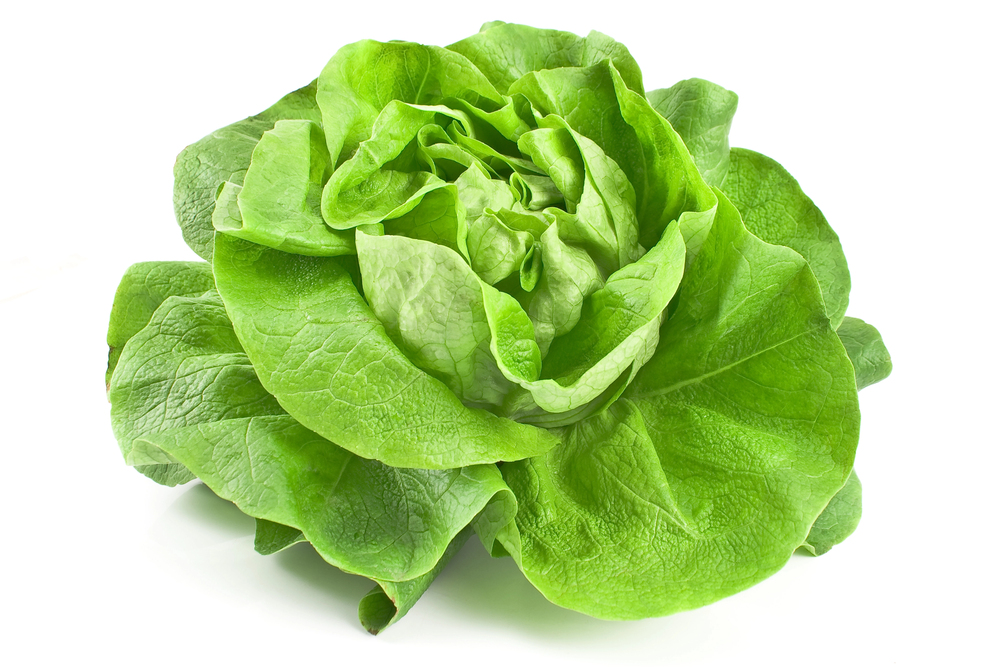
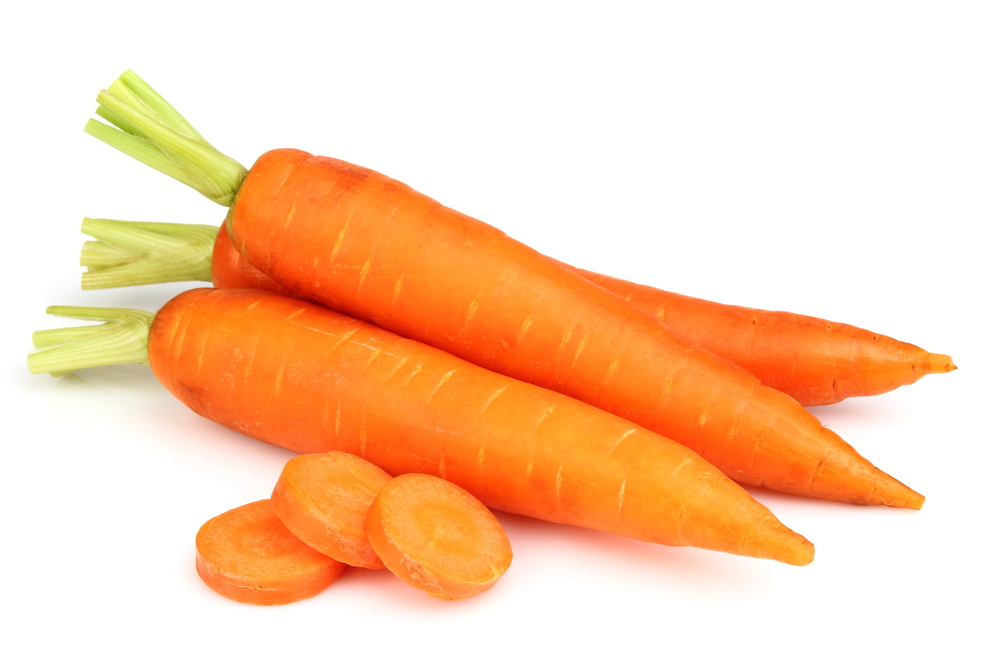
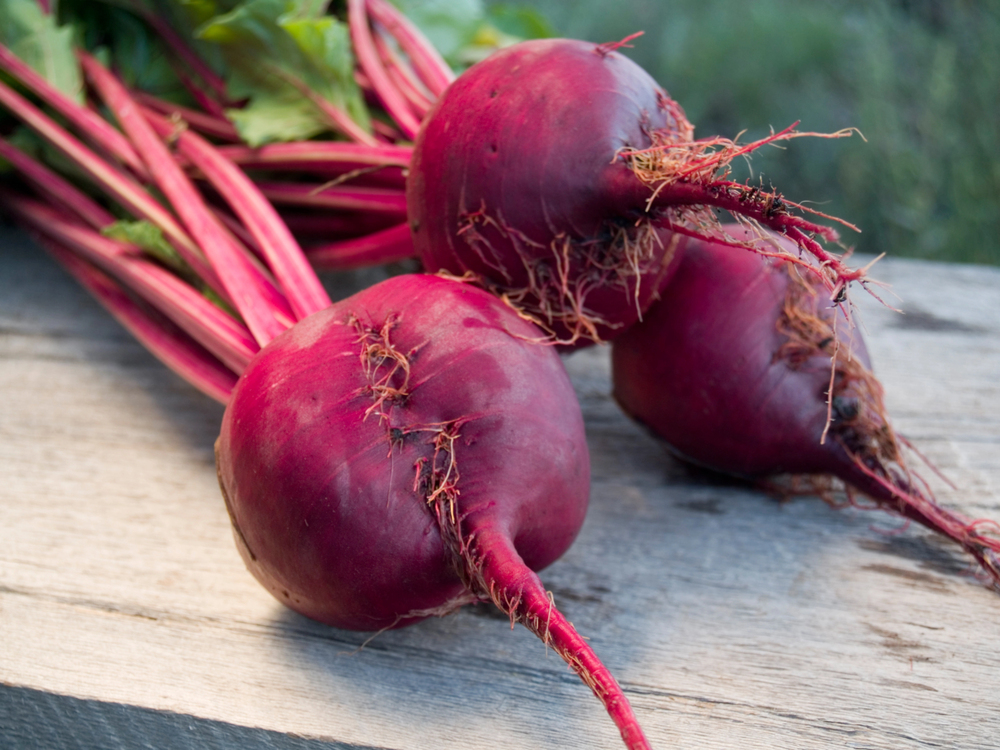
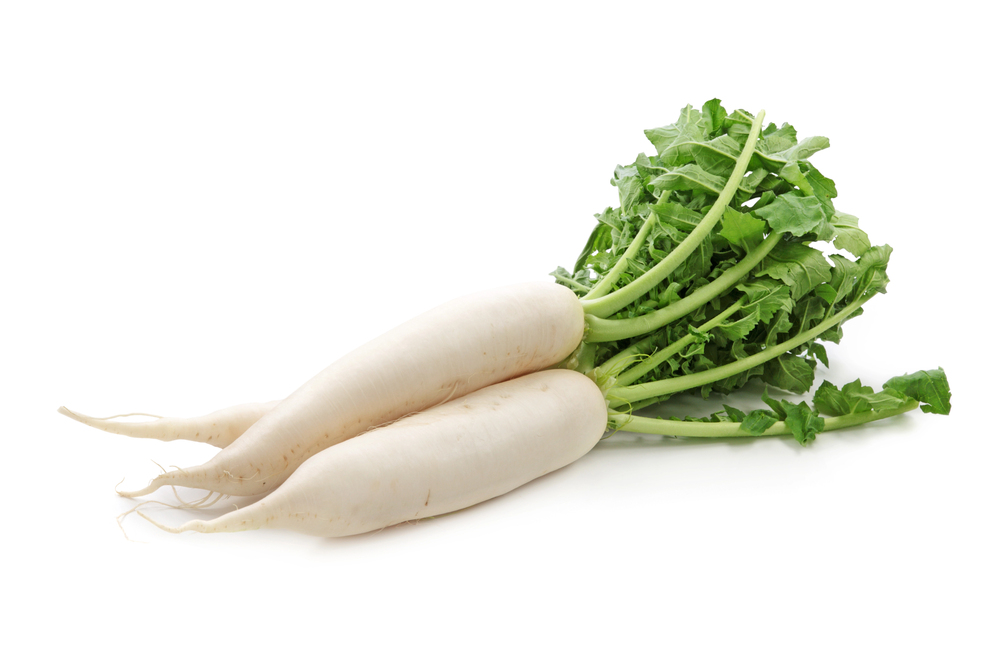
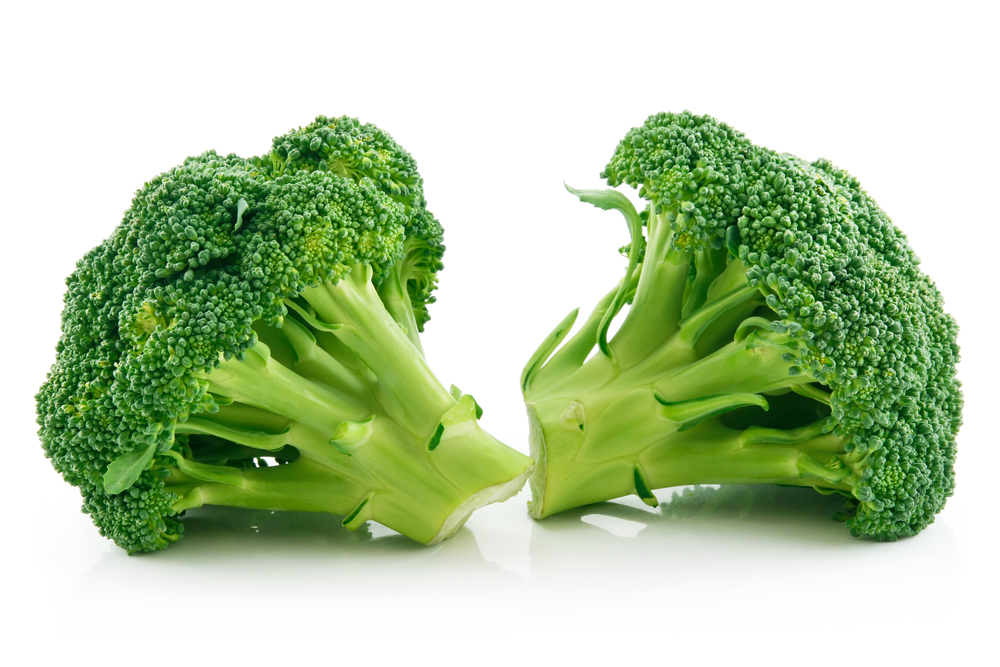
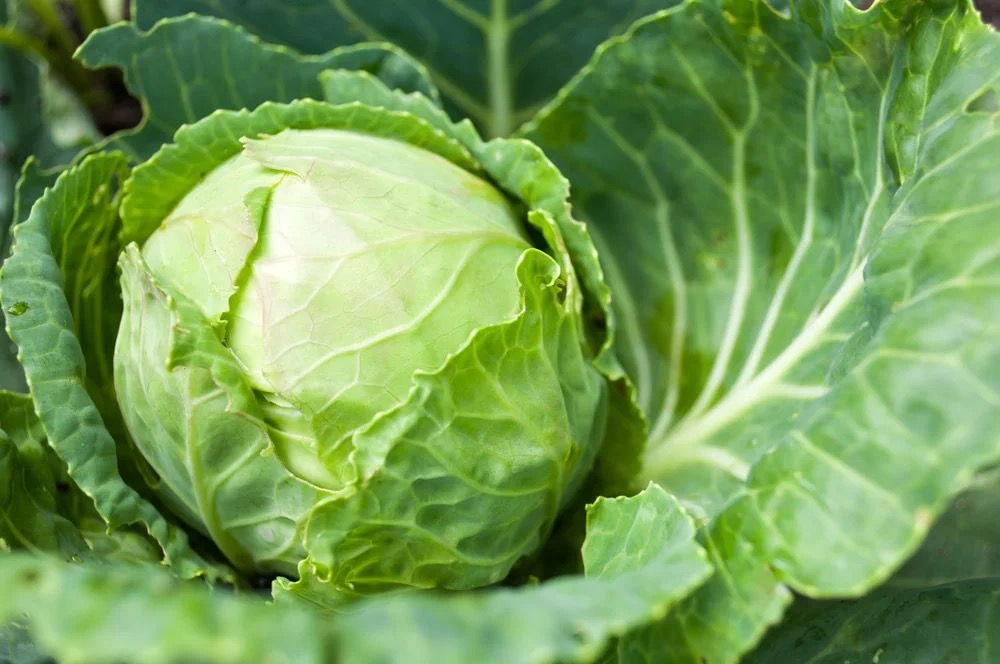
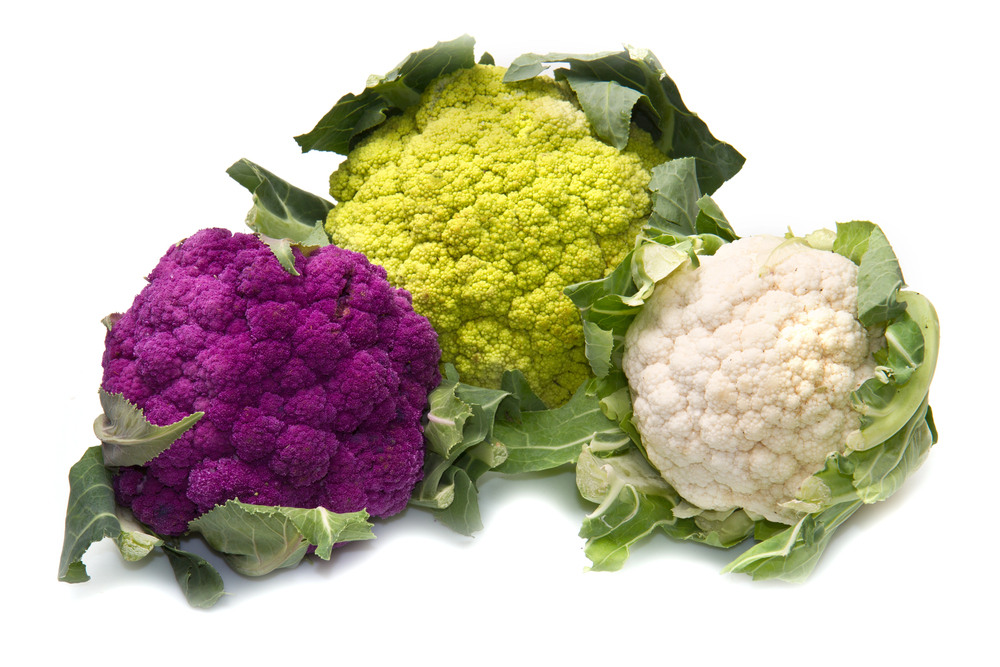
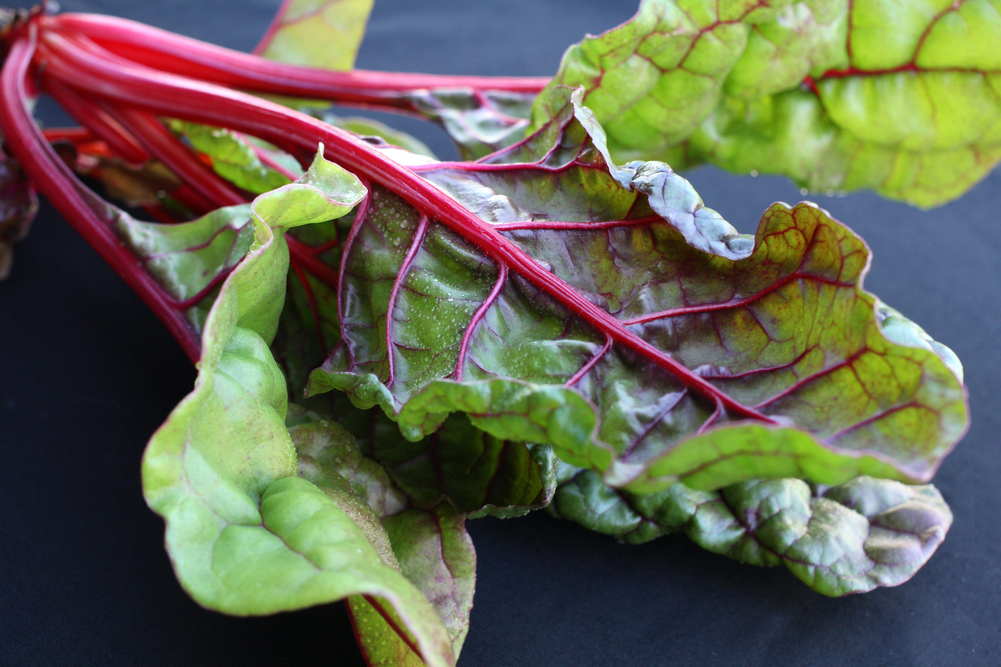
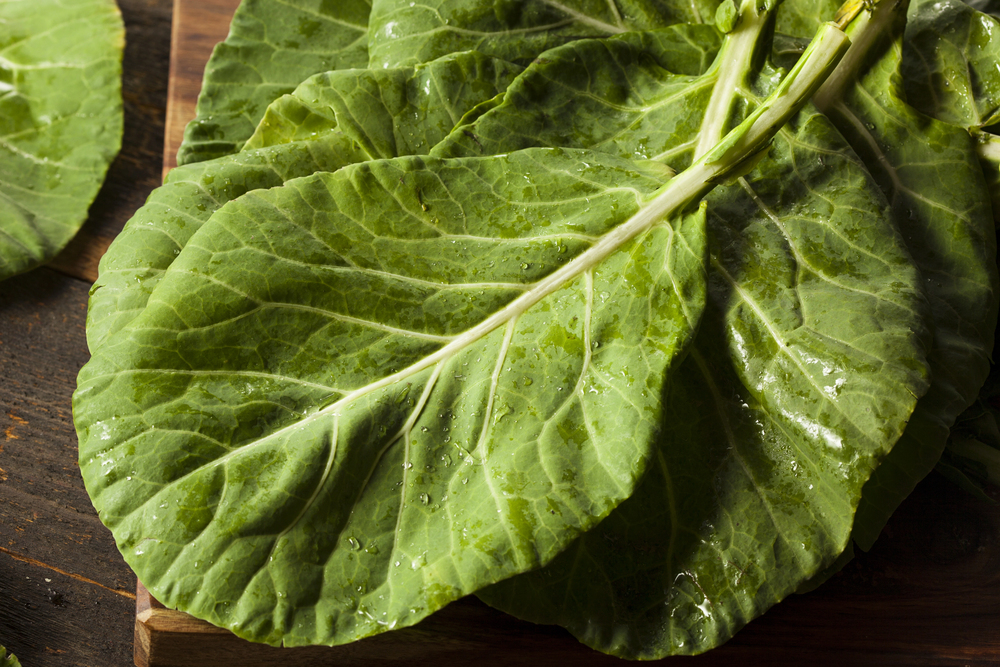
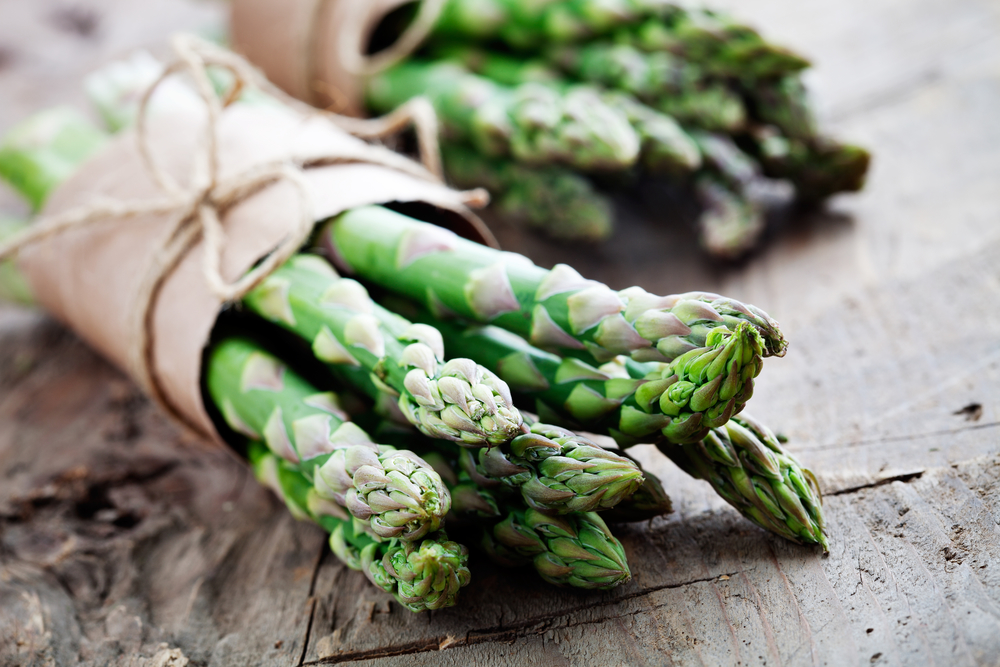
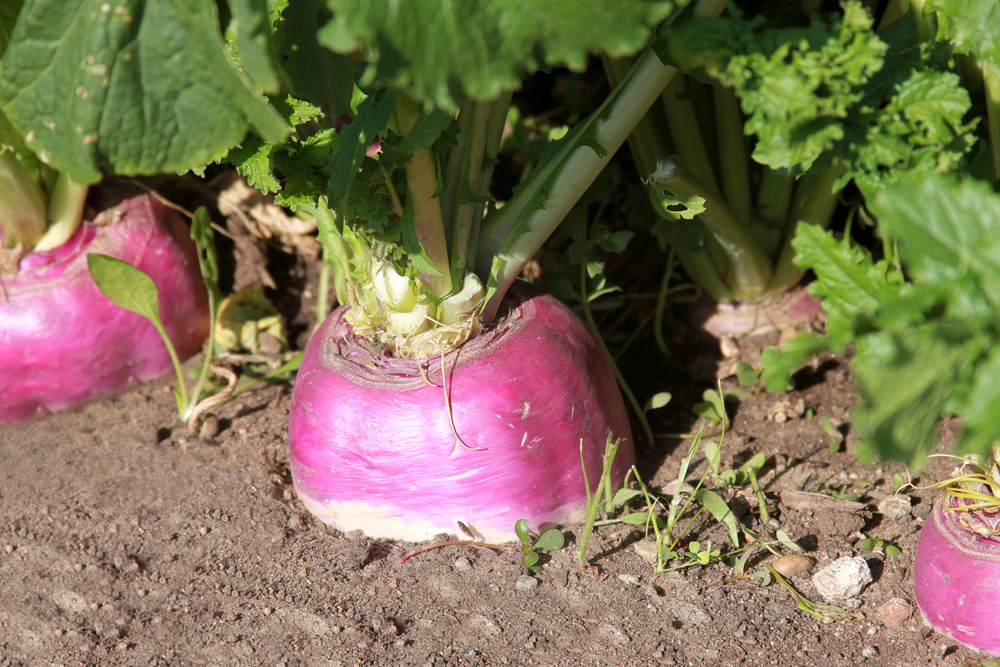
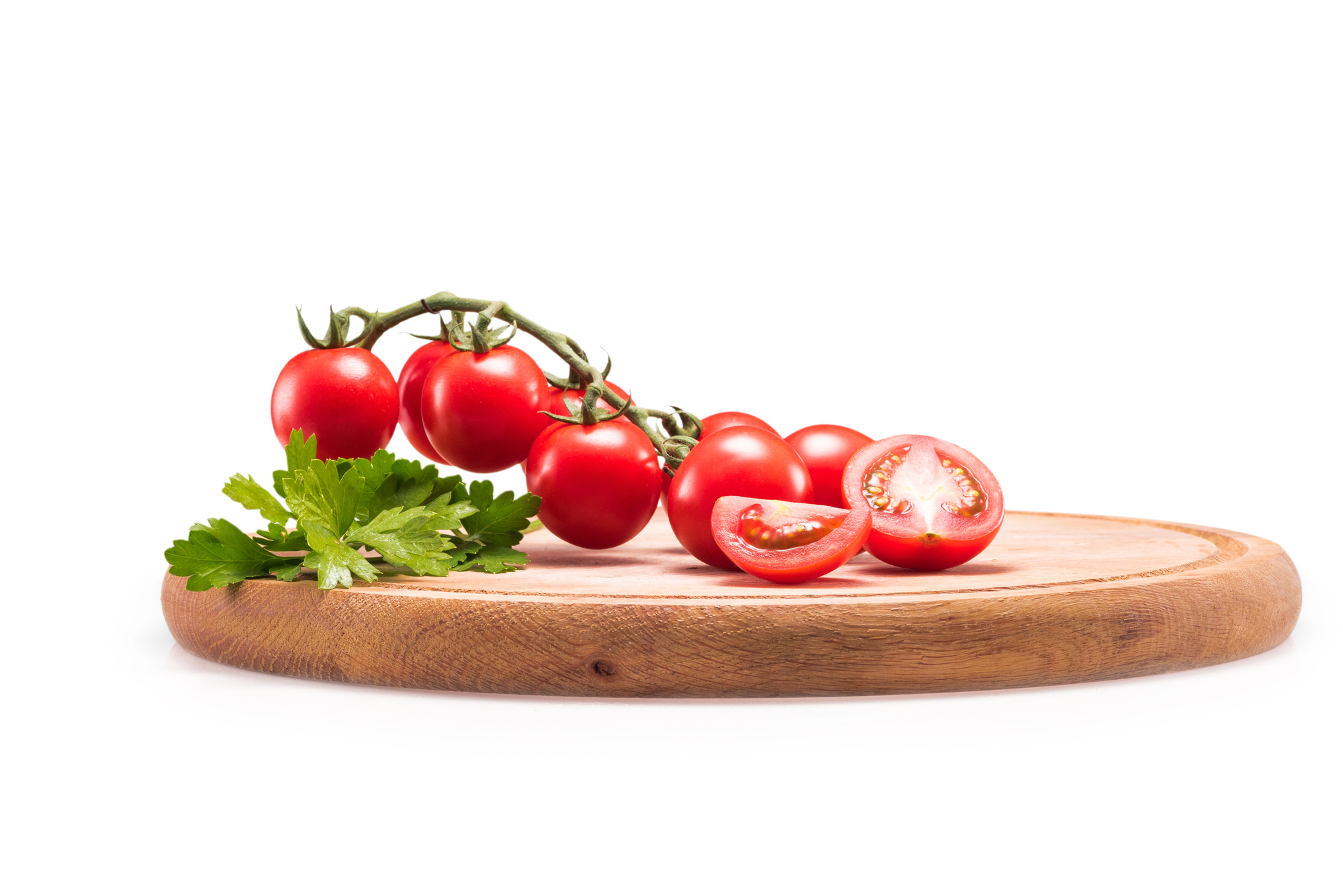
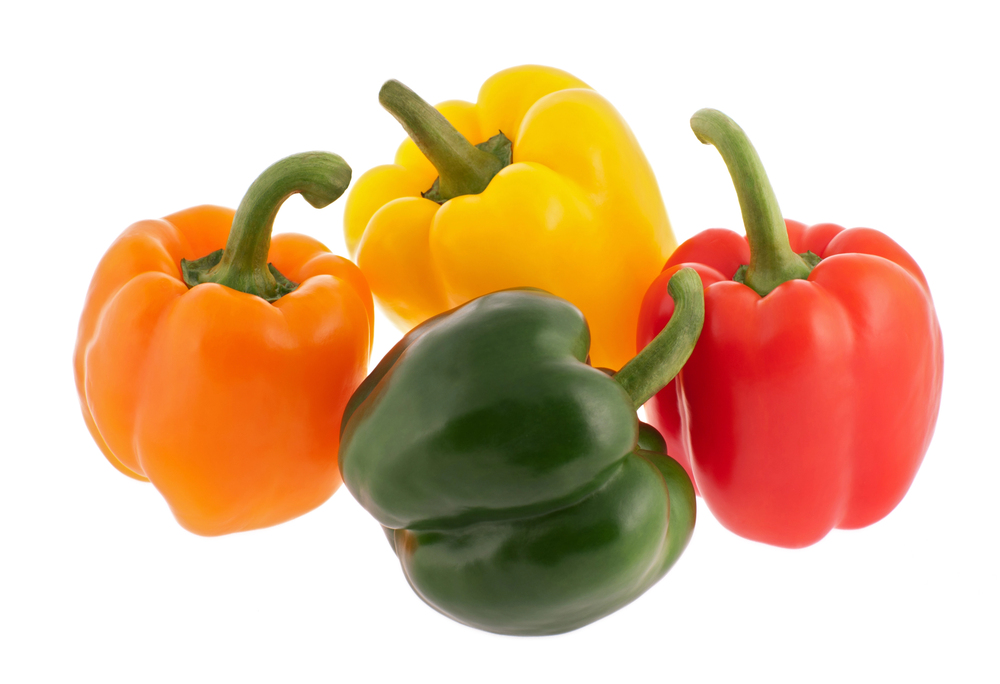
Warm-season vegetables

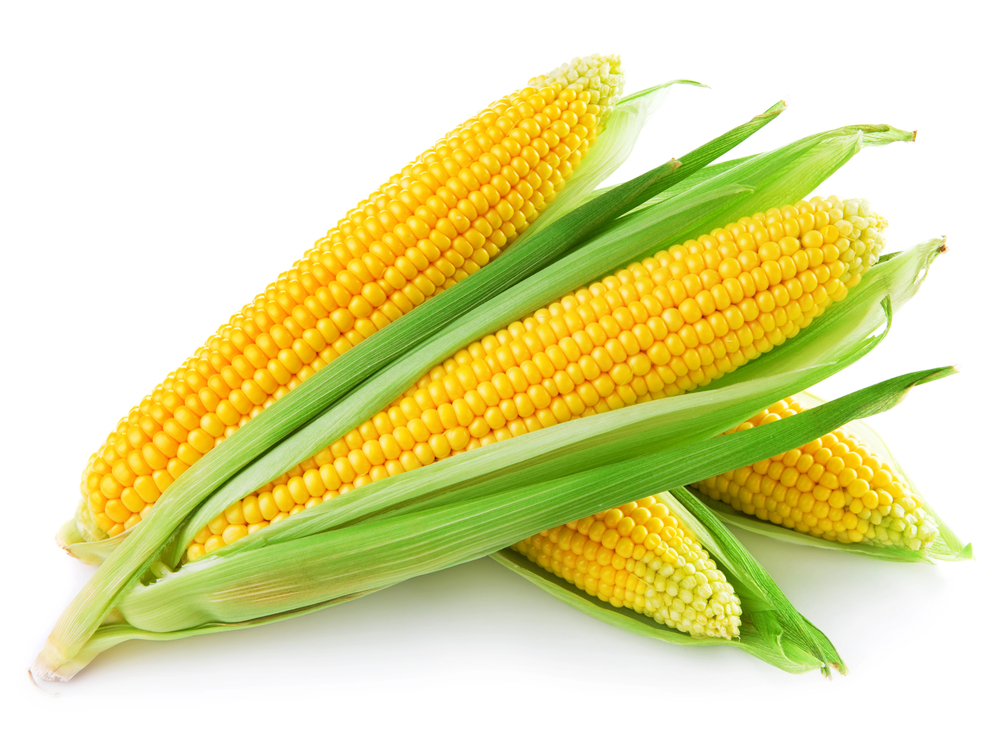
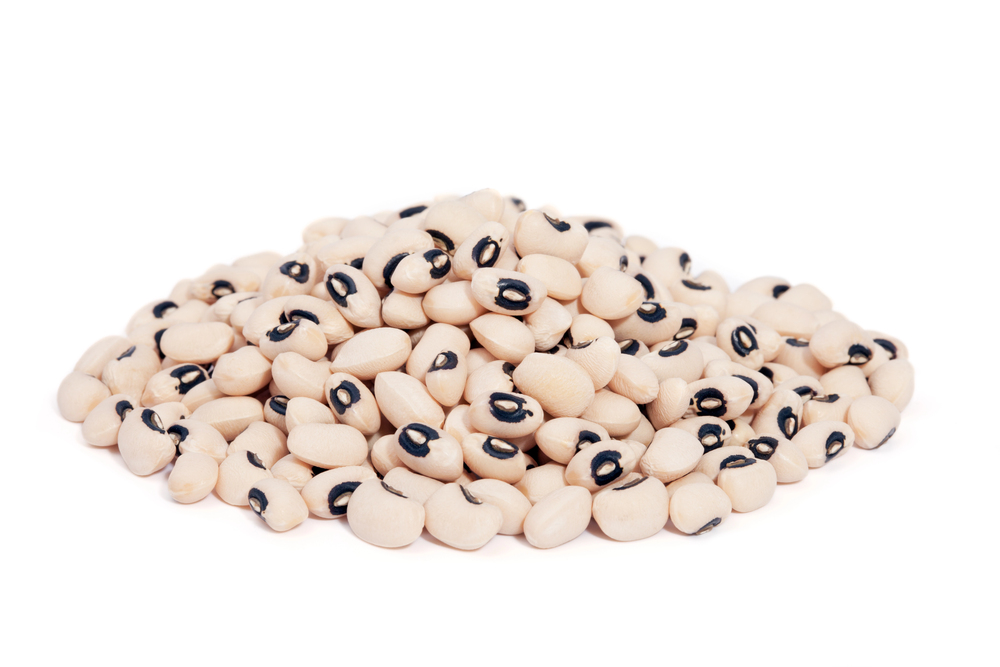
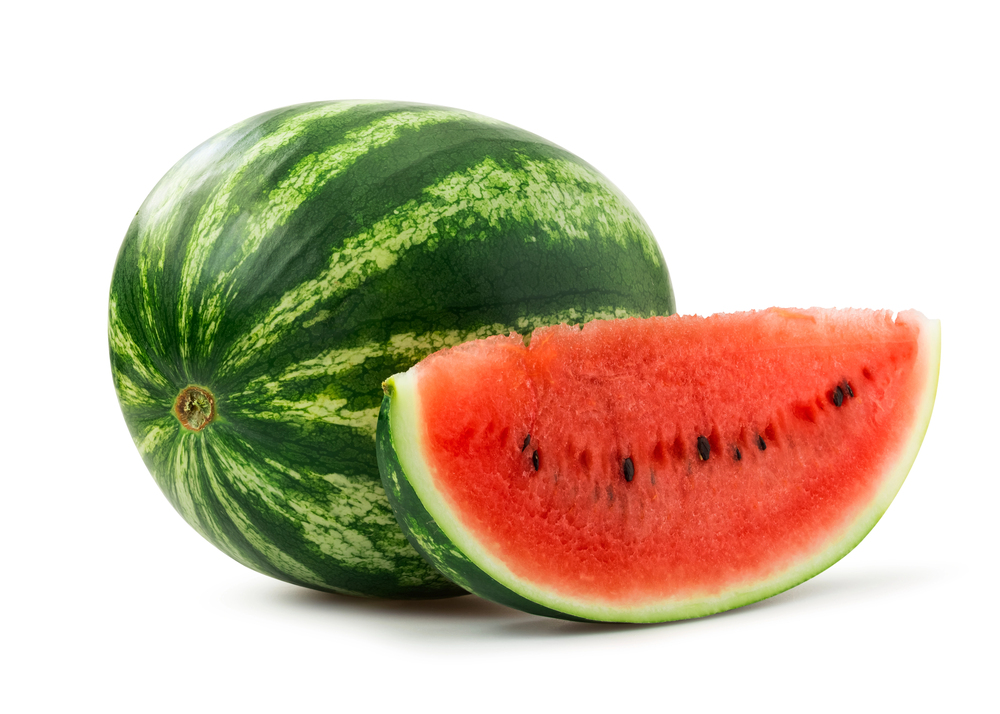

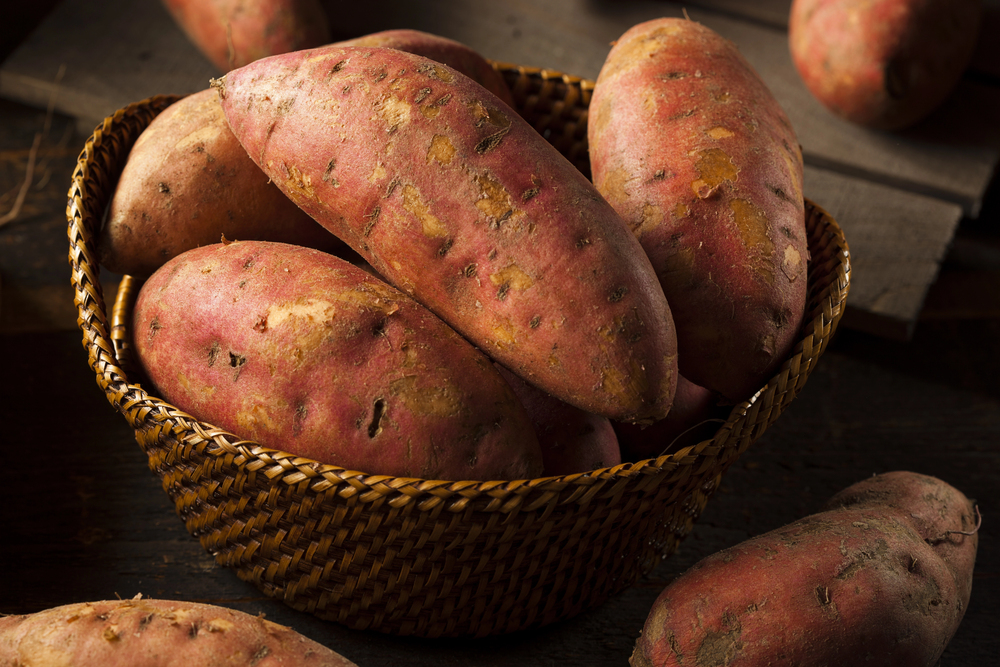
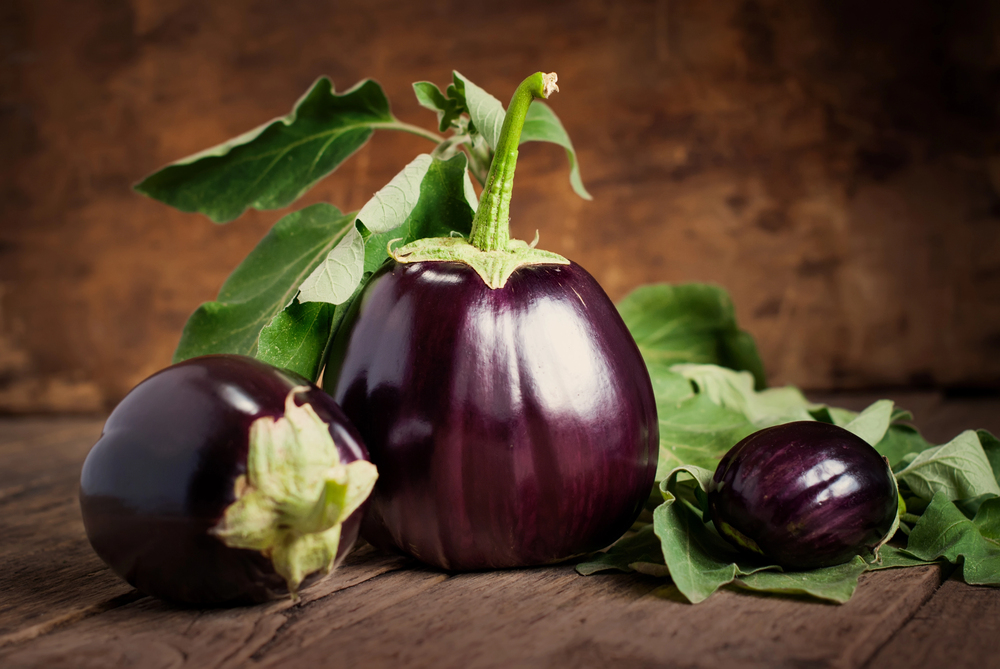
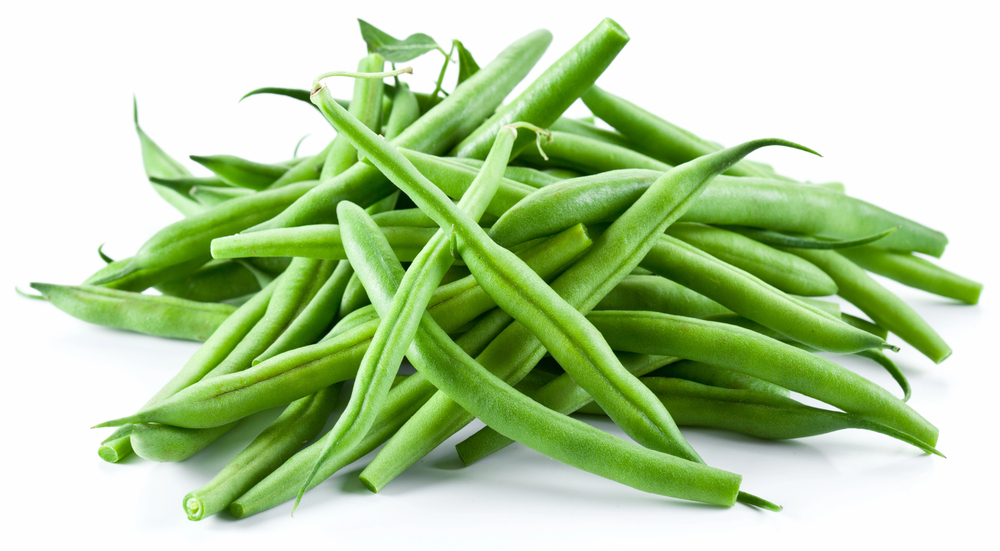
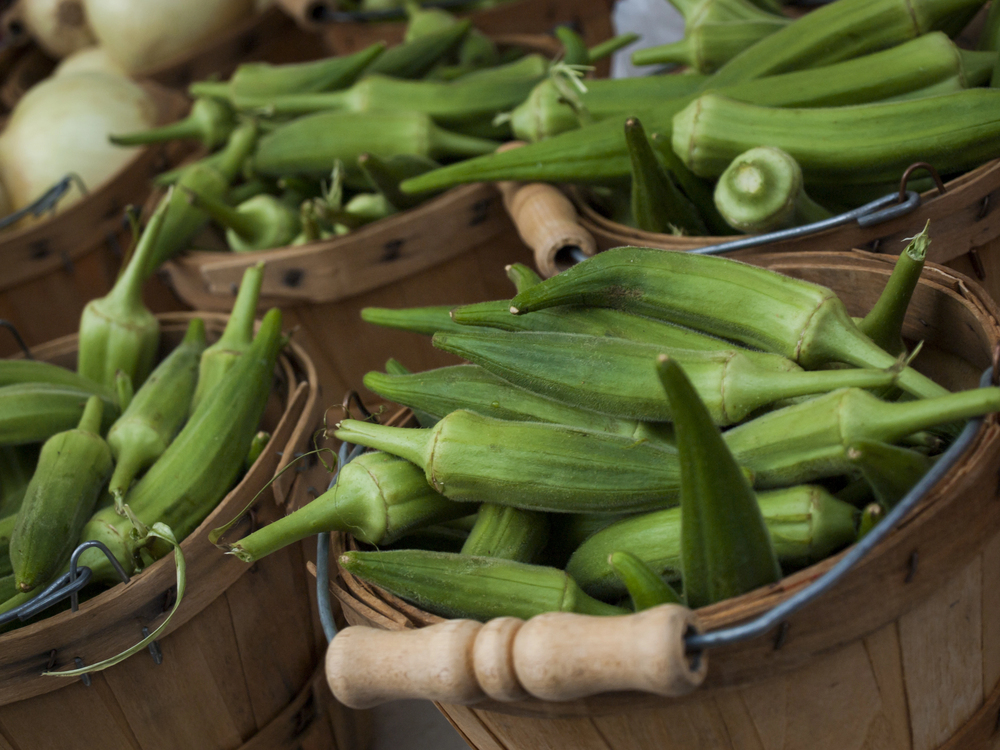
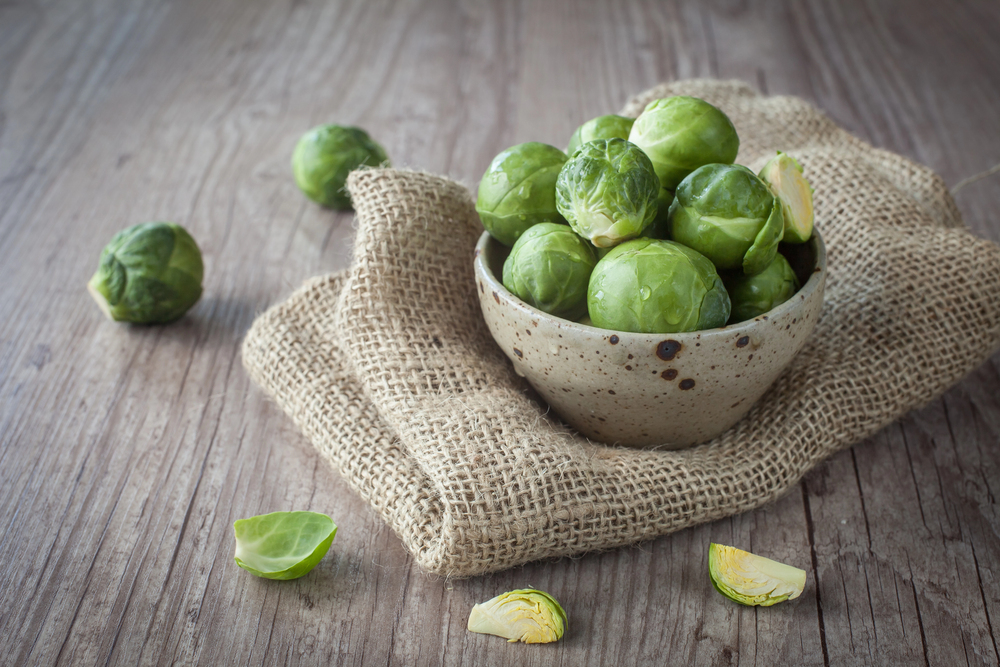
Herbs & specialty
US Planting Zones & Growing Seasons
The United States Department of Agriculture (USDA) divides the country into 13 hardiness zones based on average annual minimum winter temperature. For vegetable gardeners, those zones map directly to four practical climate bands that govern planting dates, variety selection, and indoor seed-starting timing. Picking the wrong zone for a seed packet’s instructions is the single most common cause of disappointing harvests.
Zone 3-4 (Northern Plains and mountain west): 90-130 frost-free days. Includes northern Minnesota, Montana, North Dakota, Wyoming, Vermont, and northern Maine. Last frost runs from mid-May into early June; first fall frost arrives in early September. Only short-season varieties succeed reliably. Start tomatoes, peppers, and eggplant indoors 8-10 weeks before last frost. Prairie gardeners depend heavily on cool-season crops (peas, kale, spinach, beets, carrots) and short-day onions.
Zone 5-6 (Midwest, New England, Mid-Atlantic): 140-180 frost-free days. Covers Illinois, Ohio, Indiana, Pennsylvania, New York, Massachusetts, southern Michigan, and most of Iowa. The full vegetable range succeeds with correct timing — tomatoes 6-8 weeks indoors, peppers 8-10 weeks, brassicas 4-6 weeks. Last frost is mid-April to mid-May. A productive fall garden is possible from August plantings of broccoli, cabbage, kale, and lettuce that mature into October.
Zone 7-8 (Mid-South, Mid-Atlantic, Pacific Northwest): 200-240 frost-free days. Includes Virginia, North Carolina, Tennessee, northern Georgia, Oregon, and Washington. Warm- season crops are highly reliable. Spring planting begins in late March; fall gardens are productive enough to yield broccoli, kale, and lettuce through November. Many gardeners harvest two crops of warm-season vegetables in one season by planting again in mid-July for fall.
Zone 9-11 (Deep South, Southwest, Hawaii, coastal California): 250-365 frost-free days. Florida, southern California, southern Arizona, the Texas Gulf Coast, and Hawaii all support year-round vegetable gardening. Cool-season crops (lettuce, spinach, broccoli, peas) actually grow better in winter than summer here, while warm-season crops (tomatoes, peppers) often struggle in peak summer heat and produce best in spring or fall windows. Gardeners flip the seasonal calendar on its head: October through March is the prime growing season.
For your specific city’s zone, frost dates, and recommended varieties, select your state below.
US Vegetable Planting Calendar
Indoor seed-starting and outdoor transplant windows by USDA zone band. Count back from your local last frost date for exact city timing.
| Crop | Zone 3-4 | Zone 5-6 | Zone 7-8 | Zone 9-10 |
|---|---|---|---|---|
| Onions / Leeks | Feb 1 | Feb 15 | Mar 1 | Oct–Nov (fall) |
| Peppers (indoor start) | Jan 15 | Feb 1 | Feb 15 | Aug–Sep (fall) |
| Tomatoes (indoor start) | Feb 15 | Mar 1 | Mar 15 | Jan–Feb |
| Broccoli | Mar 1 | Mar 15 | Aug 15 (fall) | Sep 1 (fall) |
| Cucumbers / Squash | Apr 15 | Apr 1 | Mar 15 | Feb 1 |
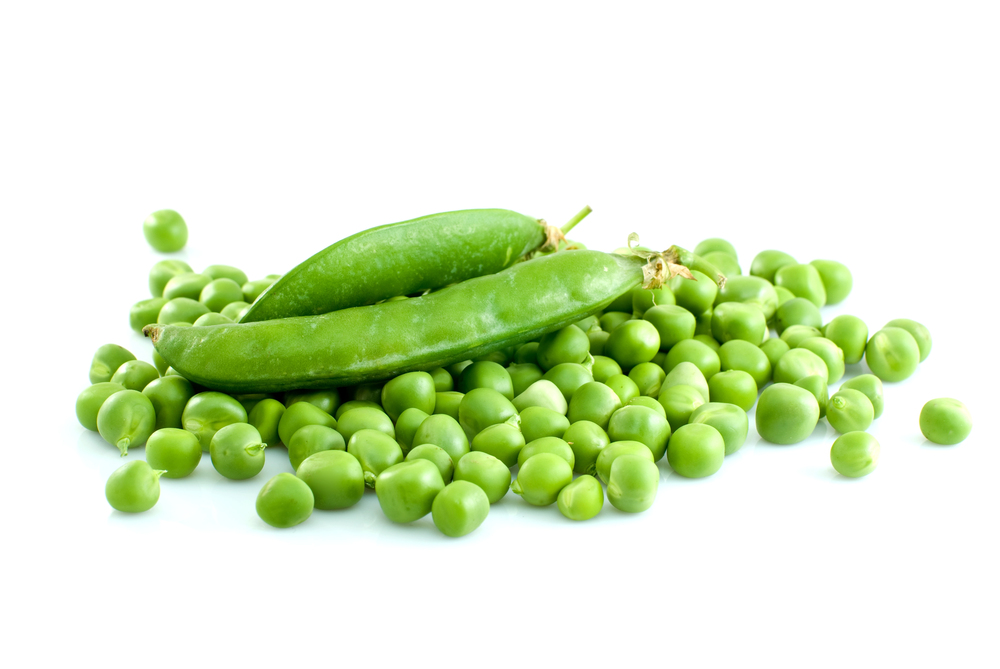
| Peas | Apr 1 | Mar 15 | Feb 15 | Oct–Nov (fall) |
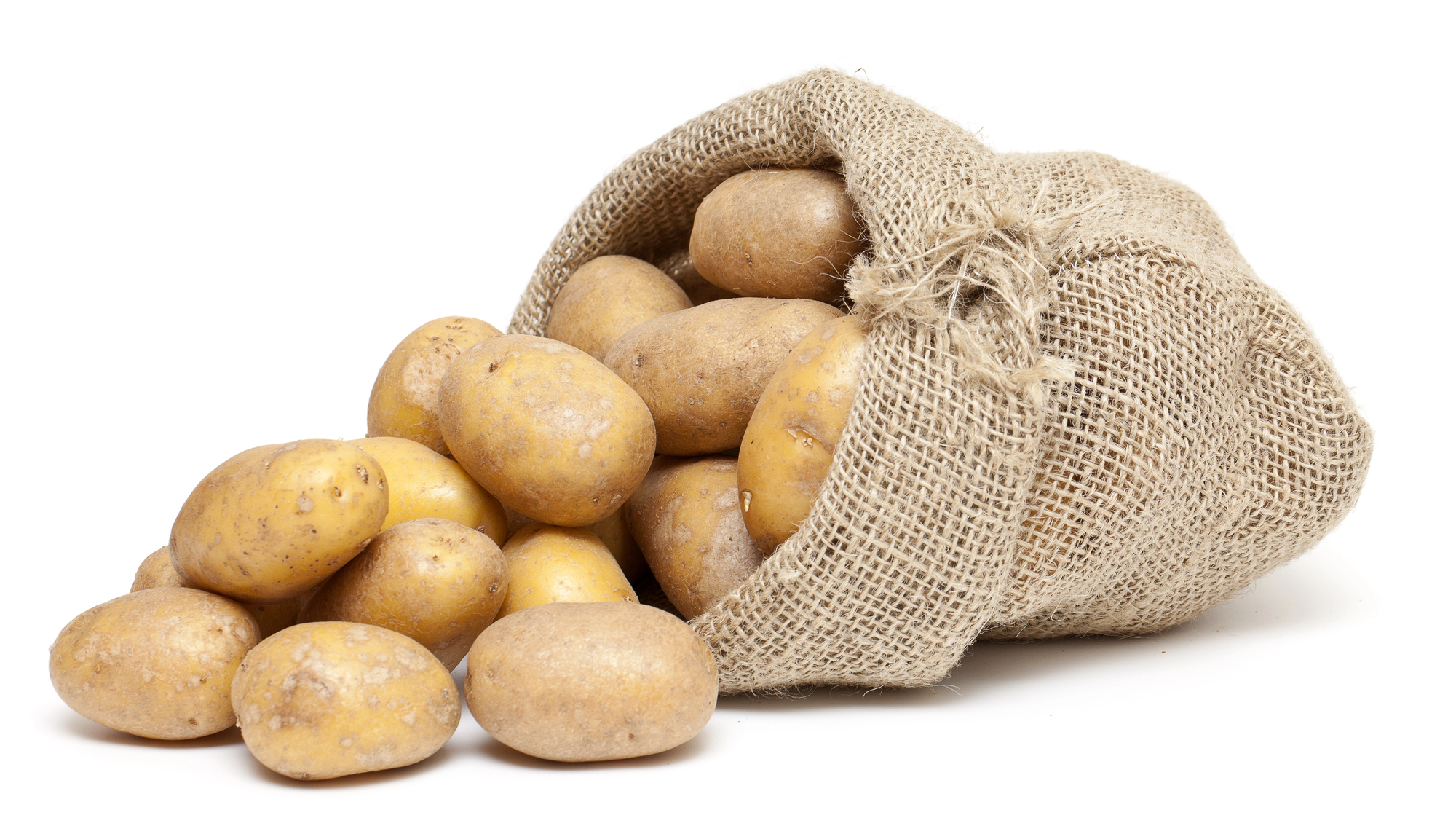
| Potatoes | May 1 | Apr 15 | Mar 1 | Jan 15 |
| Corn | May 15 | May 1 | Apr 1 | Feb 15 |
Best Vegetables for First-Year US Gardens
New gardeners almost always start with too many varieties and too long a list of warm-season crops. The best results in a first-year US vegetable garden come from a small number of forgiving, fast crops that produce within a single summer regardless of zone.
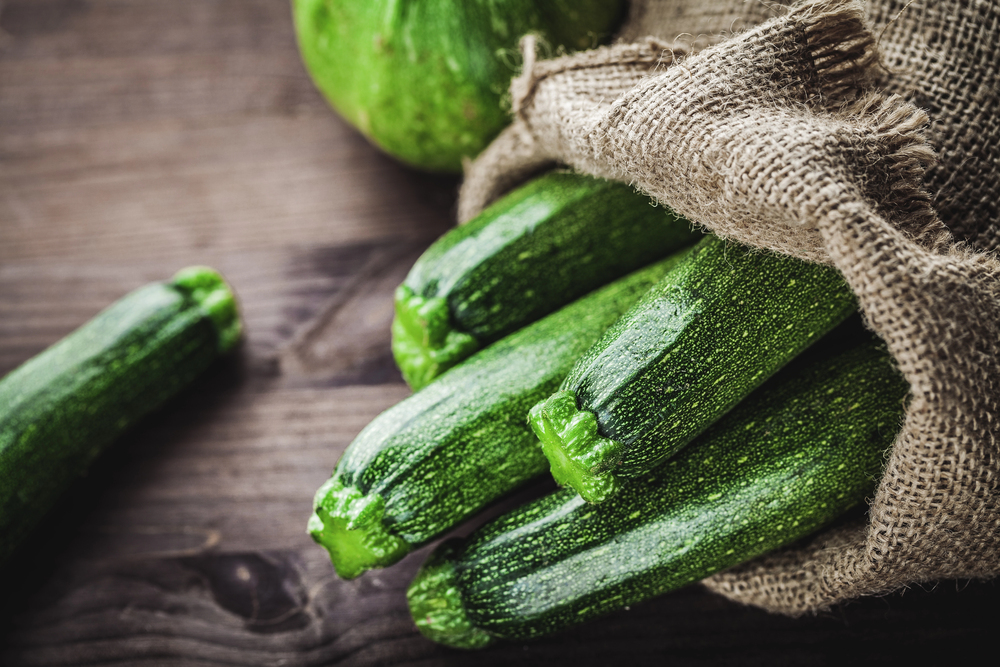
Radishes mature in 22-30 days from seed and are the fastest food crop in any US zone. Direct sow in spring (Zones 3-7) or fall and winter (Zones 8-10). Bush beans are nearly impossible to fail — direct sow after last frost when soil reaches 60°F and harvest in 50-60 days. Zucchini produces so heavily that one or two plants feeds a family. Lettuce works in every zone — direct sow leaf varieties in spring (Zones 3-8) or year-round (Zones 9-10) for cut-and-come-again harvests over many weeks.
For warm-season crops, tomatoes reward the effort but require correct timing — 6-8 weeks of indoor seed starting before last frost — or buying transplants from a local nursery. Peppers are similar but slower (8-10 weeks indoors). Save these for year two if first-year time is limited.
Vegetable Planting Guides by State
City-specific planting calendars for 500+ US cities, organized by state.
Frequently Asked Questions
When should I plant vegetables in the US?
Timing varies by USDA hardiness zone. Zone 3-4 (Northern Plains, Maine, mountain west): plant warm-season crops outdoors after May 15-June 1. Zone 5-6 (Midwest, New England, Mid-Atlantic): April 15-May 15. Zone 7-8 (Mid-South, Pacific Northwest): March 15-April 15. Zone 9-10 (Florida, Gulf Coast, Southern California, low-elevation Arizona): February for warm-season crops, October-November for cool-season. Use the state guide links below to find your exact city dates and frost calendar.
What vegetables grow in all US climate zones?
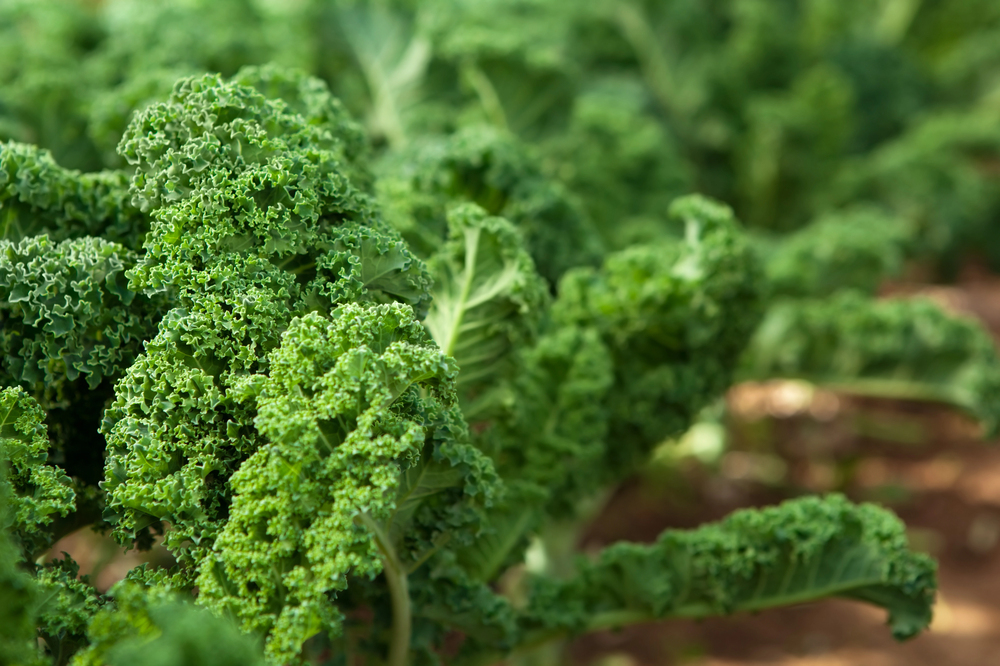
Cool-season crops — kale, spinach, Swiss chard, beets, carrots, peas, lettuce, and radishes — grow reliably from Zone 3 through Zone 10. Plant them in spring (all zones) and again in fall (Zones 6-10) or winter (Zones 9-10). These vegetables tolerate light frost on both ends of the season and finish their crop cycle inside even short frost-free windows. They form the foundation of nearly every American vegetable garden, regardless of climate.
How long can I grow vegetables in my state?
Your state's frost-free days determine the growing window. Zone 3 (Minnesota, Montana, North Dakota, northern Maine): 90-120 days. Zone 5-6 (most of the Midwest, New England, and Mid-Atlantic): 150-180 days. Zone 7-8 (Mid-Atlantic, Mid-South, Pacific Northwest): 200-240 days. Zone 9-10 (Florida, Gulf Coast, coastal California, southern Arizona, Hawaii): 300+ days, supporting year-round growing with seasonal rotation. Find your state's planting calendar in the grid below.
Do I need to start seeds indoors?
For warm-season crops (tomatoes, peppers, eggplant, melons) in Zones 3-7, yes — start seeds 6-10 weeks before your last frost date. Tomatoes need 6-8 weeks indoors; peppers and eggplant need 8-10 weeks. In Zones 8-10, you can often direct-sow these same crops outdoors when soil warms above 60°F. Cool-season crops (peas, beans, carrots, radishes, beets) are always direct-seeded outdoors — they dislike transplanting and germinate quickly in cool spring soil.
What's the easiest vegetable for a beginner?
Radishes (22-30 days from seed to harvest), zucchini, bush beans, and lettuce are the easiest vegetables for first-time gardeners in any US zone. They germinate reliably, tolerate small mistakes in watering and spacing, and produce harvests within 30-70 days. Tomatoes and peppers are popular first crops too, but require transplanting and a longer growing season. Find your state guide below for exact planting dates calibrated to your local climate.