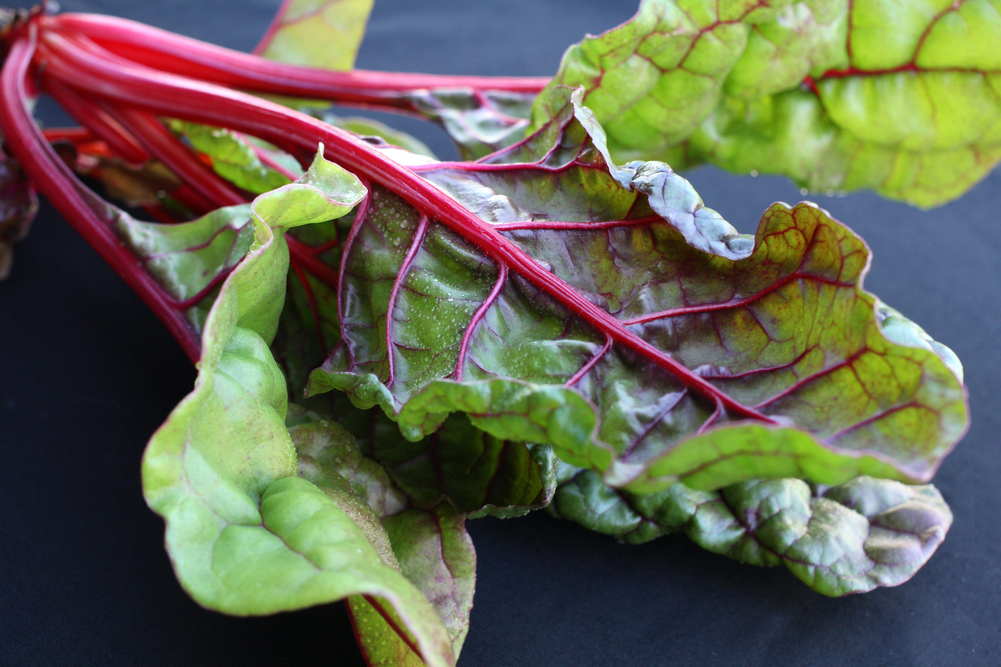
When to Plant Swiss Chard
Published:
One of the most versatile vegetables — tolerates both cool and warm weather. Direct sow 2–4 weeks before last frost and harvest outer leaves continuously for months through summer.
When to plant swiss chard
- Direct sow outdoors: 3 weeks before last frost
- Minimum soil temperature: 40°F
- Days to harvest: 50–60 days
- Sun requirement: Full sun to partial shade
- Spacing: 8 inches apart
- Water: 1 inches per week
- Fall crop: Yes — plant 8 weeks before first fall frost
⚠ Direct sow Swiss chard 2–4 weeks before last frost. Tolerates both cool and warm weather — one of the most flexible vegetables in the garden. Harvest outer leaves continuously for months.
Growing Tips for Swiss Chard
- •Each chard 'seed' is a multi-seed cluster — thin to 8-inch spacing or transplant extras for full plants.
- •Harvest outer stalks when they reach 8–10 inches; the plant produces continuously for 4–6 months.
- •Chard tolerates part shade better than most leafy greens — good for shaded corners of the garden.
- •In Zones 6+ Swiss chard often overwinters with light mulch and produces early spring leaves before bolting.
Companion Planting for Swiss Chard
✅ Plant swiss chard with
- • Bean
- • Onion
- • Cabbage
- • Kohlrabi
❌ Avoid planting near
- • Cucumber
- • Melon
Common Swiss Chard Pests and Problems
Regional pest pressure varies — see your state guide below for state-specific pest calendars and treatment timing.
Swiss Chard Planting Dates by State
Select your state for exact sow and transplant dates based on local frost calendars.
Frequently Asked Questions
When do I plant Swiss chard?
Direct sow Swiss chard 2–4 weeks before your last frost date, once soil is workable and above 4°C. In Zones 3–5 this is mid-April; in Zones 7–8, early March. Chard tolerates light frost and keeps producing through summer — one of the few greens that handles both seasons without bolting.
How do I harvest Swiss chard?
Harvest outer stalks once they reach 8–10 inches, cutting cleanly at the base and leaving the central growing point. A single plant produces continuously for 4–6 months. Pick at least a few stalks weekly to keep plants vigorous and prevent leaves from growing tough and bitter.
Can Swiss chard survive winter?
In Zones 6+, Swiss chard often overwinters outdoors with light mulch (straw or shredded leaves) and produces fresh leaves in early spring before bolting. In Zones 3–5, row covers and a sheltered location can extend harvests into December. Plants eventually bolt in their second spring and should be replaced.
Why is my Swiss chard bitter?
Bitter leaves come from heat stress, drought, or overly mature plants. Keep chard consistently moist, harvest leaves while they are young (8–10 inches), and provide afternoon shade in climates with intense summer heat. Bolted chard is always bitter — pull and replant for a fall crop.
What should I plant with Swiss chard?
Beans fix nitrogen that chard needs. Onions and brassicas (cabbage, kohlrabi) share similar care and deter chard-specific pests. Avoid cucumbers and melons which compete for space and attract overlapping pests. Chard also makes an excellent ornamental border thanks to its colorful stems.