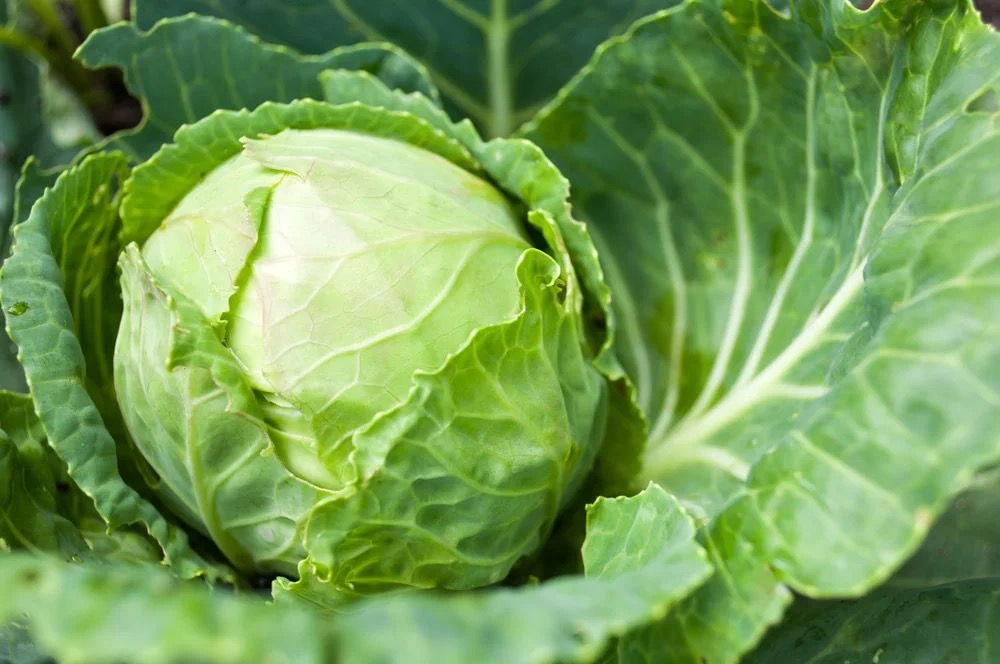
When to Plant Cabbage
Published:
Extremely cold-hardy brassica — survives temperatures as low as -7°C (20°F). Start indoors 6–8 weeks before last frost, transplant 2–4 weeks before last frost, and also plant for fall harvest.
When to plant cabbage
- Start seeds indoors: 7 weeks before last frost
- Transplant outdoors: 3 weeks before last frost
- Minimum soil temperature: 45°F
- Days to harvest: 60–100 days
- Sun requirement: Full sun (6+ hours)
- Spacing: 18 inches apart
- Water: 1.5 inches per week
- Fall crop: Yes — plant 12 weeks before first fall frost
⚠ Start cabbage indoors 6–8 weeks before last frost. Transplant 2–4 weeks before last frost. Very frost tolerant — withstands temperatures as low as 20°F. Also plant in late summer for fall harvest.
Growing Tips for Cabbage
- •Space plants 18 inches apart — crowding reduces head size and promotes fungal disease.
- •Side-dress with nitrogen 3–4 weeks after transplanting to support rapid leaf formation.
- •Harvest when heads feel firm; leave the root ball in the ground and small secondary heads may form.
- •Fall cabbage sweetens after light frost — one of the best-tasting garden crops when harvested in October.
Companion Planting for Cabbage
✅ Plant cabbage with
- • Onion
- • Dill
- • Celery
- • Beet
- • Potato
❌ Avoid planting near
- • Tomato
- • Strawberry
- • Pepper
Common Cabbage Pests and Problems
Regional pest pressure varies — see your state guide below for state-specific pest calendars and treatment timing.
Cabbage Planting Dates by State
Select your state for exact sow and transplant dates based on local frost calendars.
Frequently Asked Questions
When do I plant cabbage?
Start cabbage seeds indoors 6–8 weeks before your last frost date, then transplant 2–4 weeks before last frost. In Zones 3–5 this is late April to mid-May transplant; in Zones 7–8, mid-February to early March. Cabbage tolerates hard frost to -7°C, so it goes out earlier than most vegetables.
How cold can cabbage tolerate?
Mature cabbage survives temperatures as low as -7°C (20°F) — making it one of the most cold-hardy vegetables you can grow. Seedlings are slightly less tolerant but still handle light frost. Use row covers in Zones 3–4 to protect young transplants from harsh late-spring cold snaps.
Why is my cabbage splitting?
Cabbage heads split when they receive a sudden surge of water after a dry period — often right before harvest. To prevent splitting, harvest heads as soon as they feel firm, maintain consistent moisture, and twist the head 90 degrees to break some roots and slow water uptake if you need to delay harvest.
Can I grow a fall cabbage crop?
Fall cabbage is often better than spring — plants mature as temperatures cool, and fall heads are sweeter and crack-resistant. Start fall seeds indoors in June, transplant in mid-July, and harvest September–November. Choose fast-maturing varieties (60–75 days) for reliable fall crops.
What should I plant with cabbage?
Onions and aromatic herbs (dill, chamomile, rosemary) deter cabbage worms and aphids. Celery, beets, and potatoes share similar water and nutrient needs. Avoid tomatoes, strawberries, and peppers, which compete with cabbage and attract overlapping pests.