Canadian Vegetable Planting Calendar 2026
Published: April 24, 2026 · Updated:
Canada’s short growing seasons and wide climate variation — from Zone 8 in Vancouver to Zone 3 on the Prairies — make planting timing critical in ways that US-centric gardening guides simply don’t account for. This hub provides city-specific planting calendars for every major Canadian city using Canadian hardiness zones, Celsius temperatures, and real local frost dates.
Browse by Vegetable Type
Select any vegetable to see its Canadian planting calendar, variety guide, and city-by-city dates.
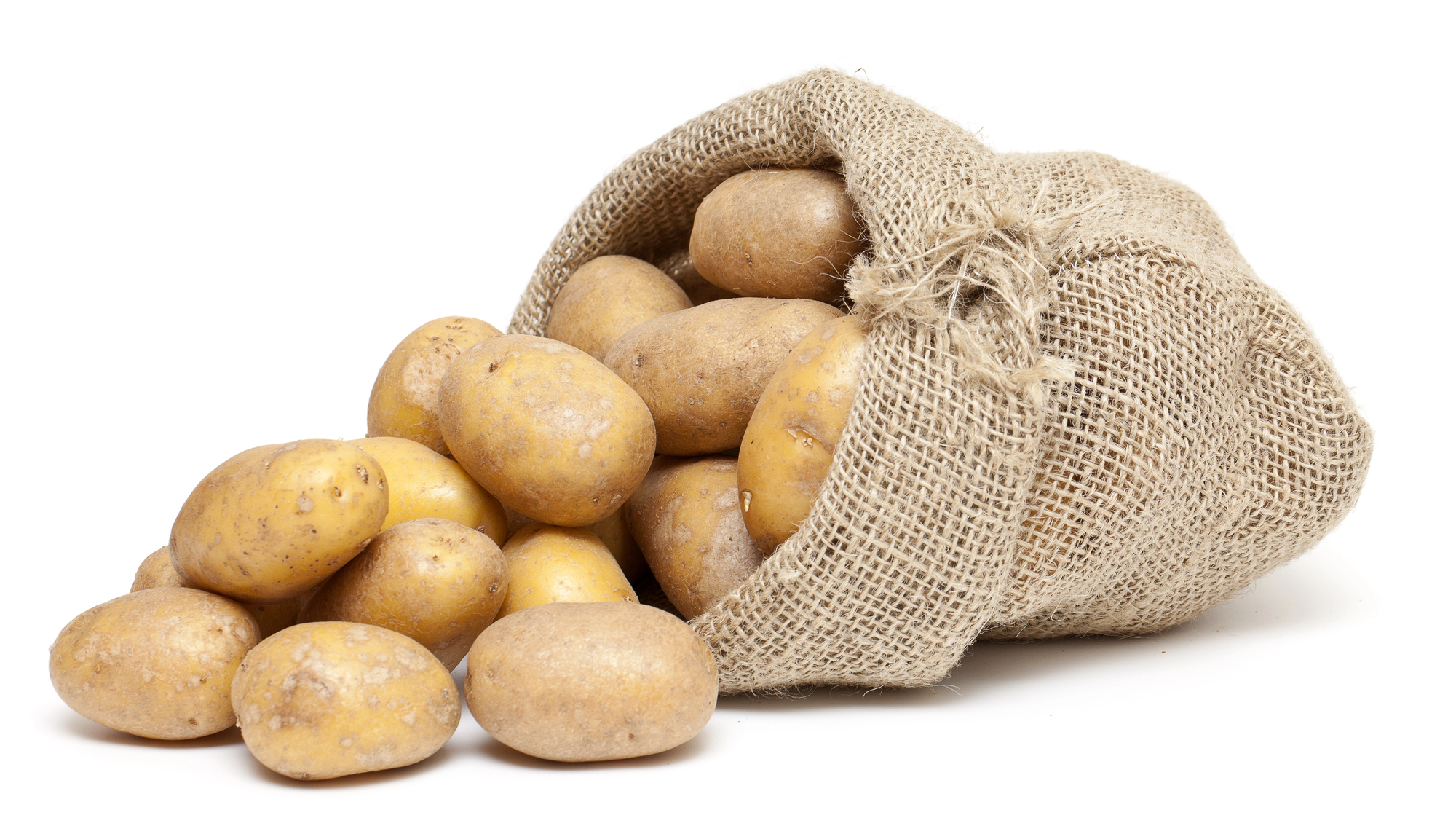
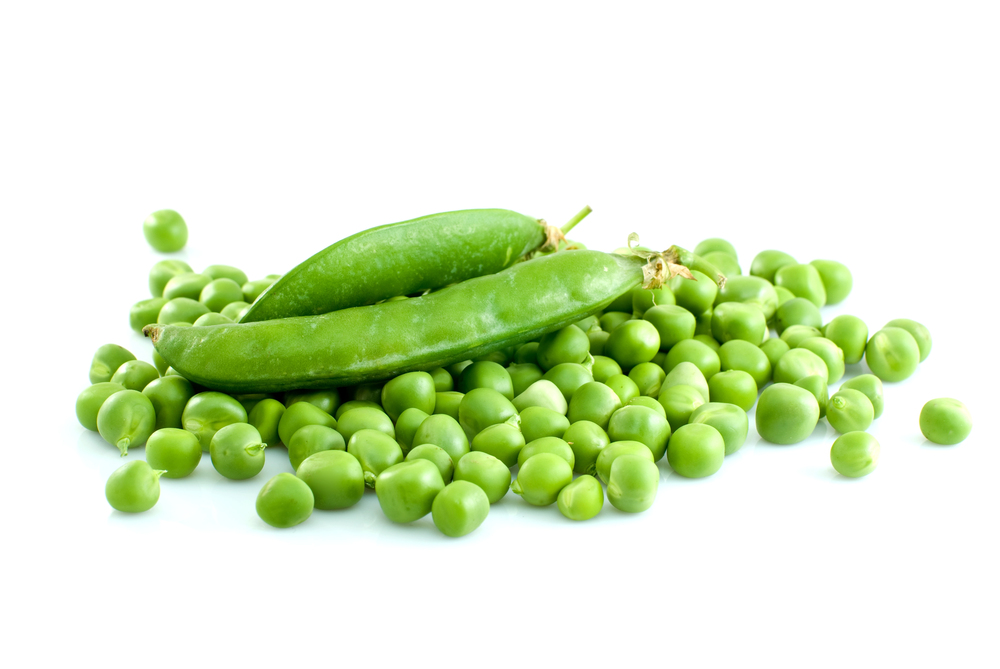
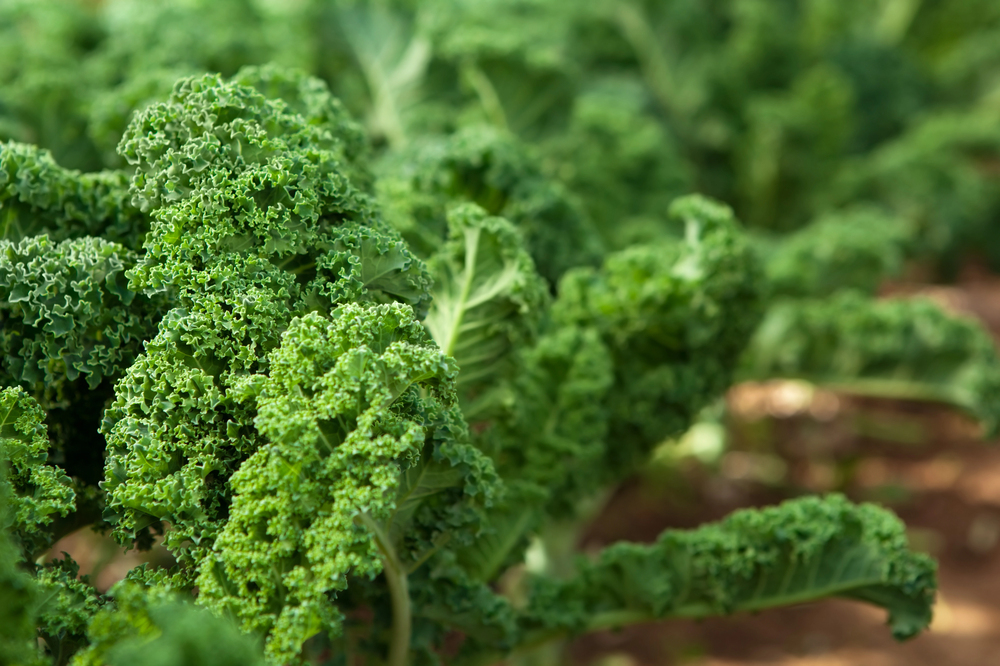
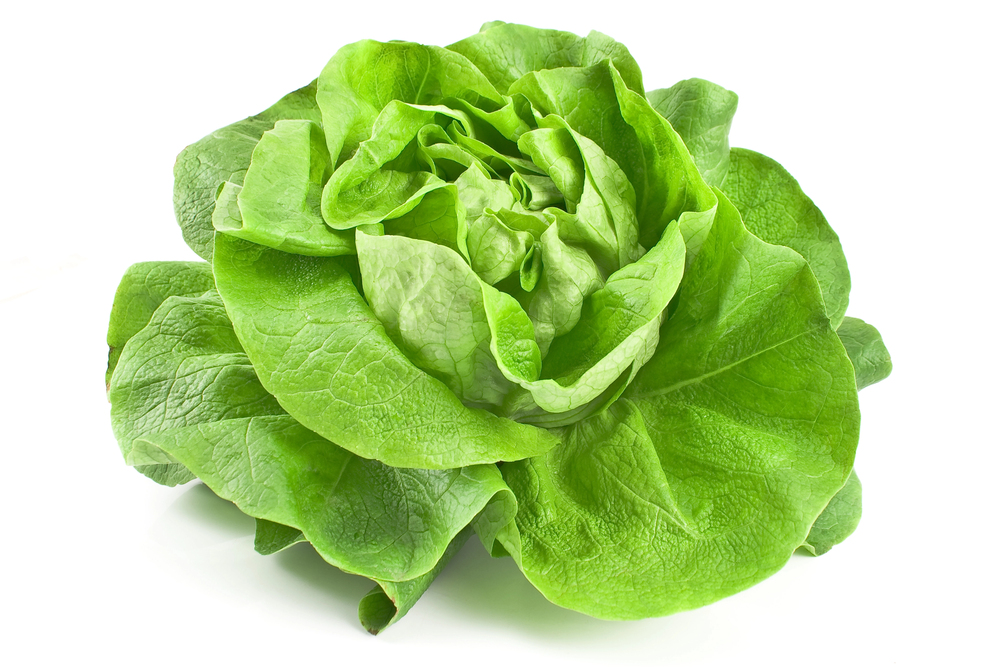
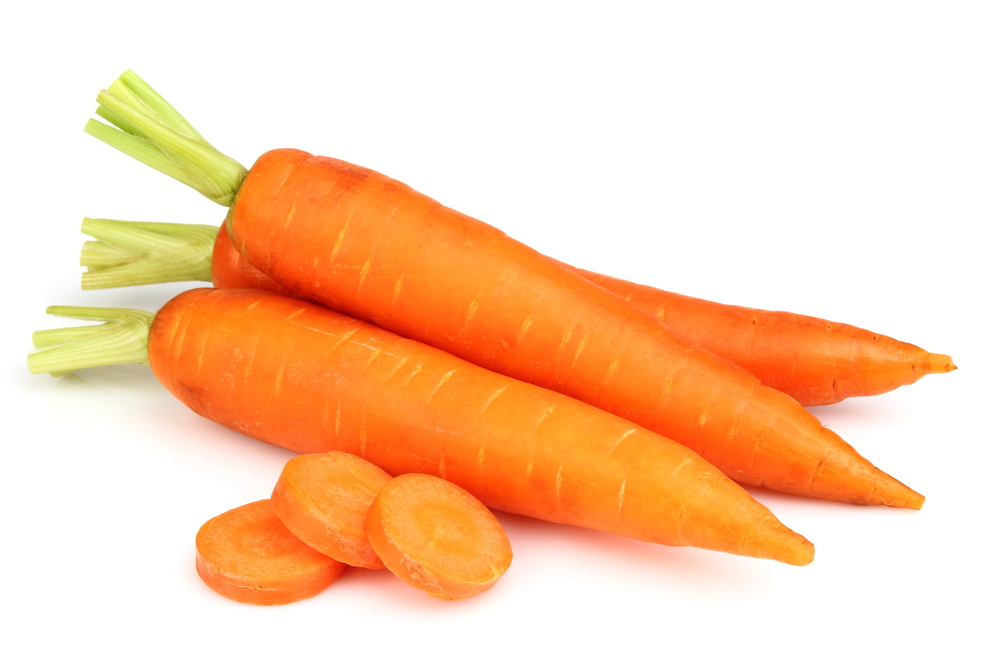
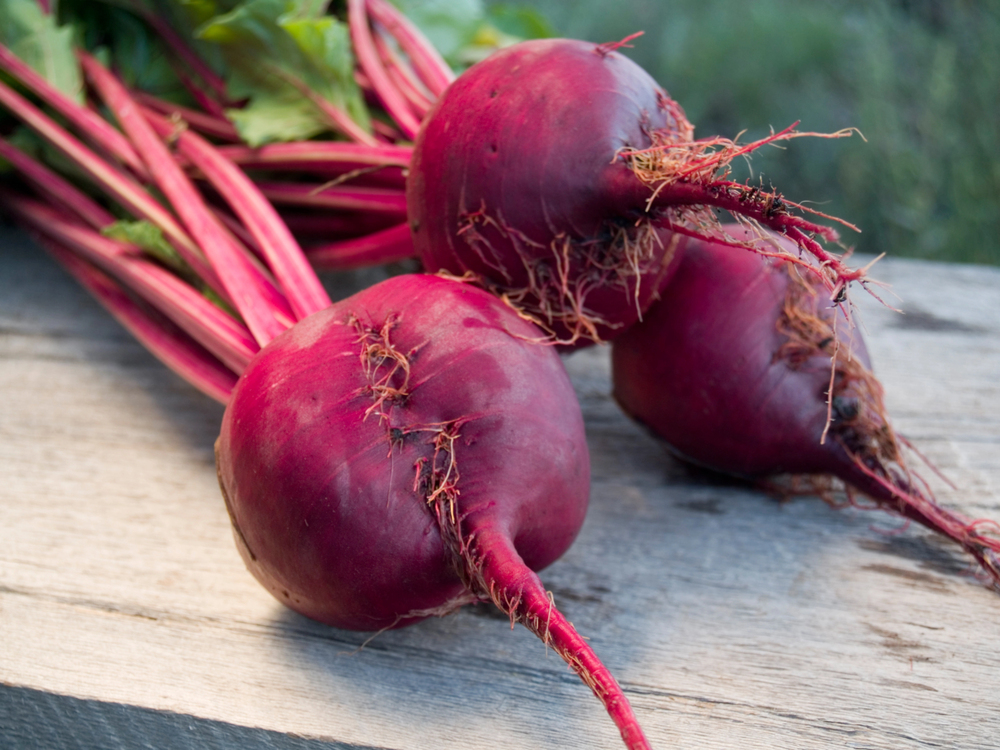
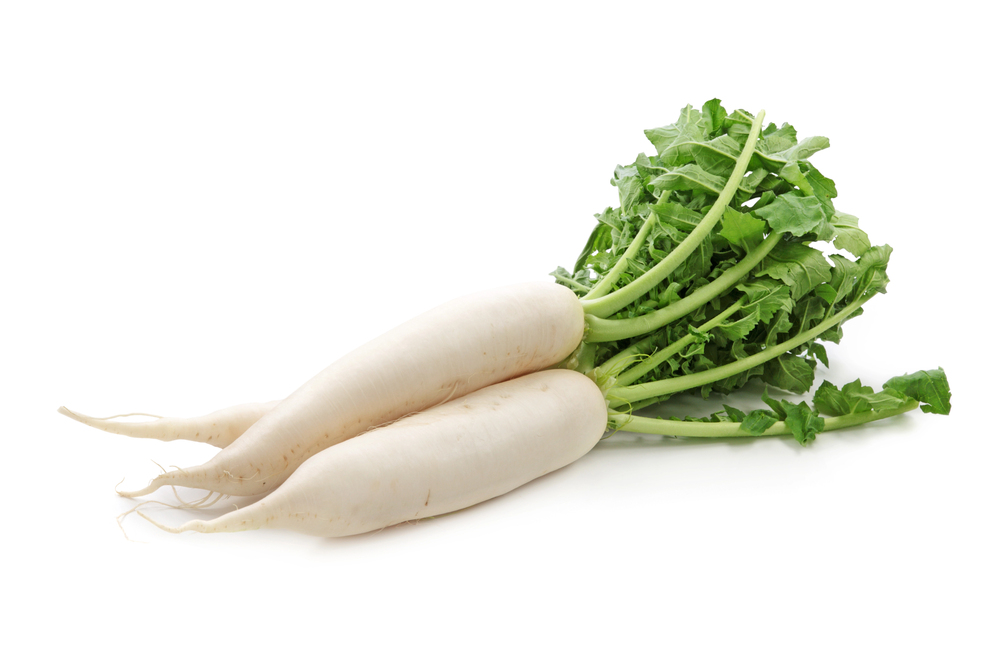
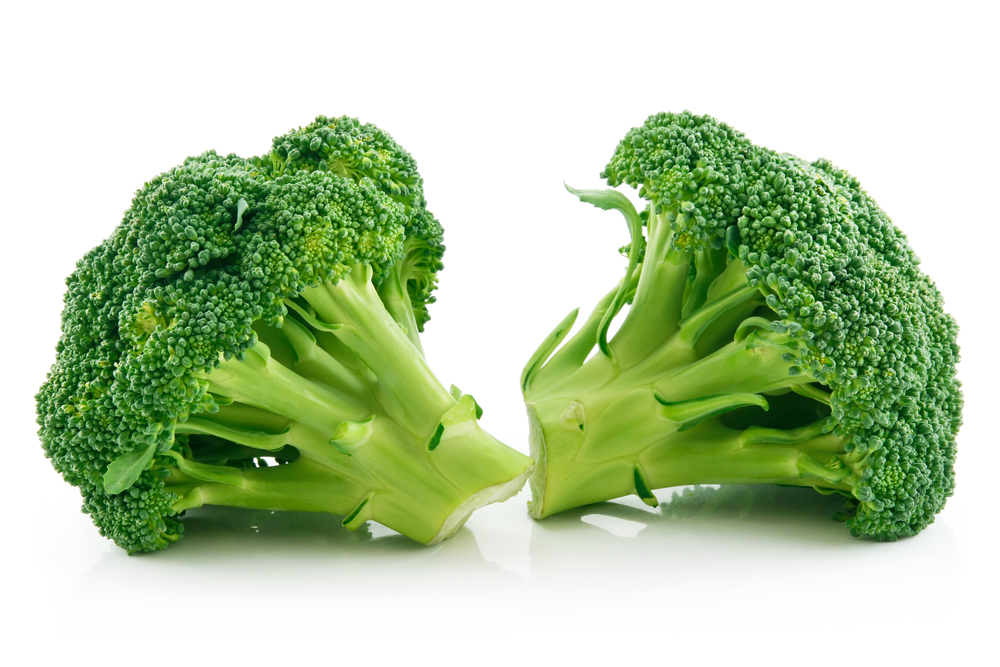
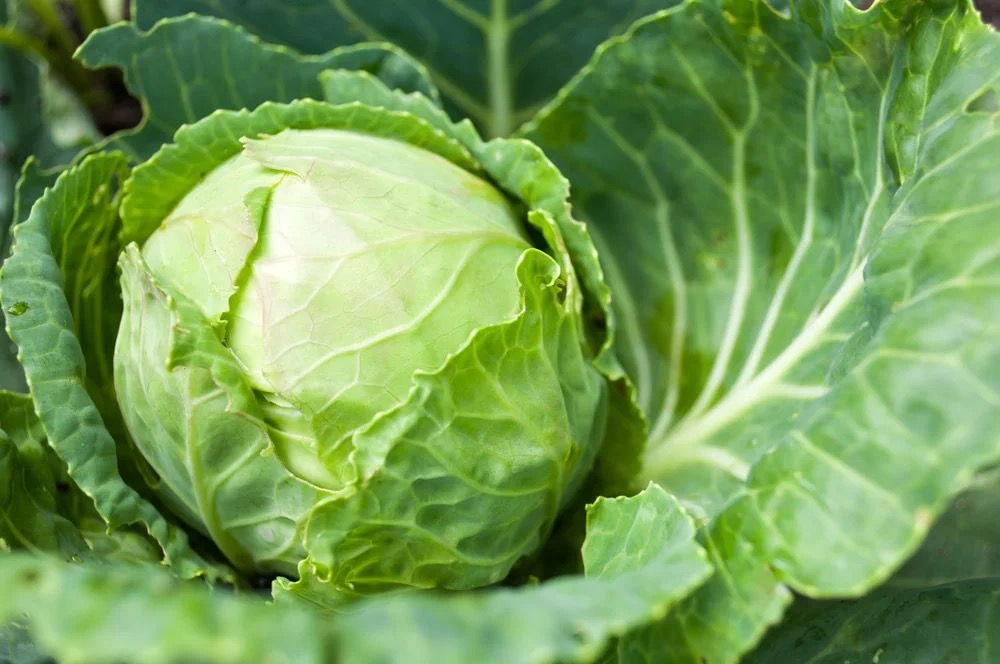
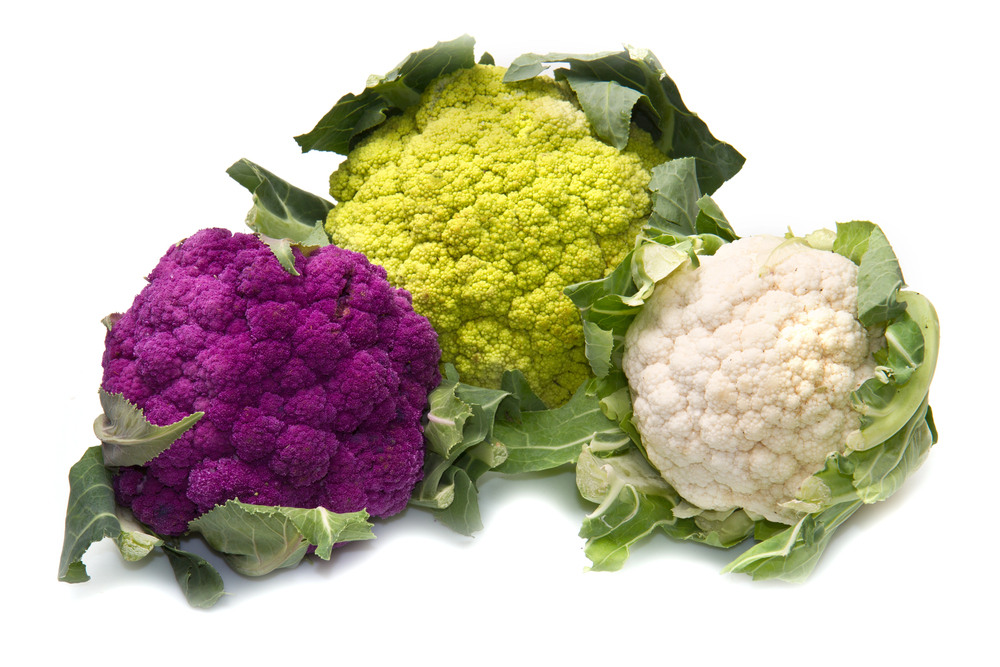
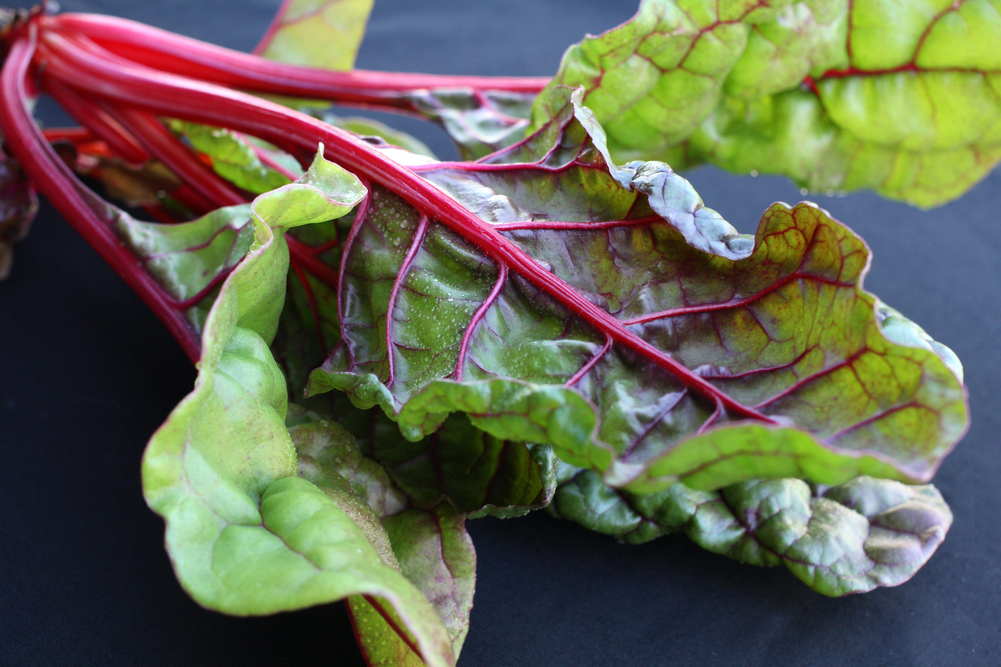
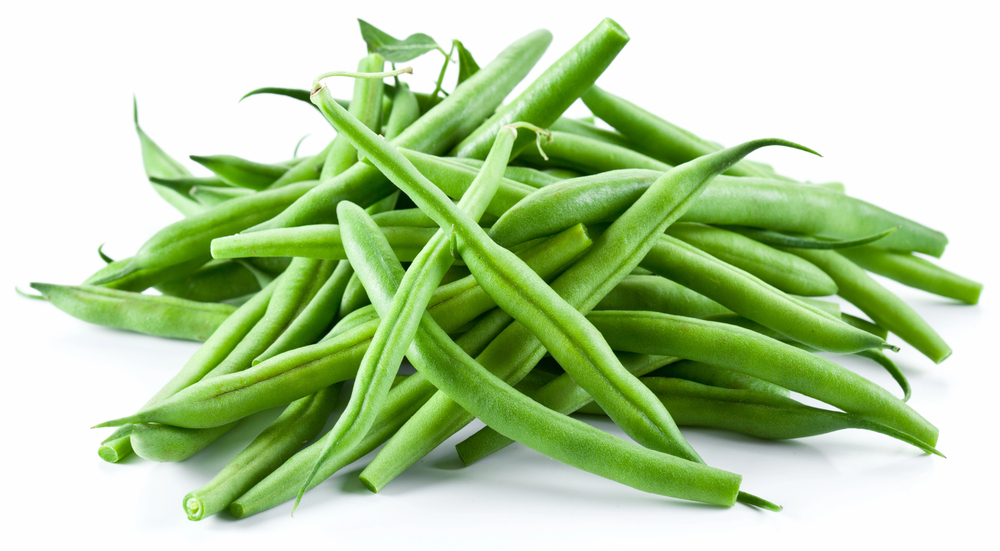
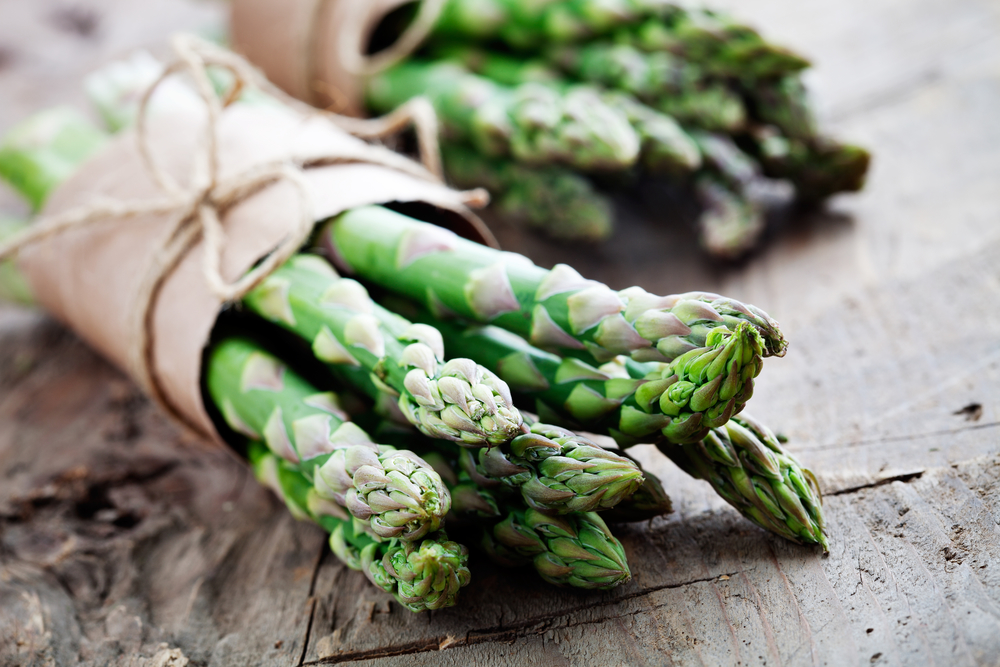
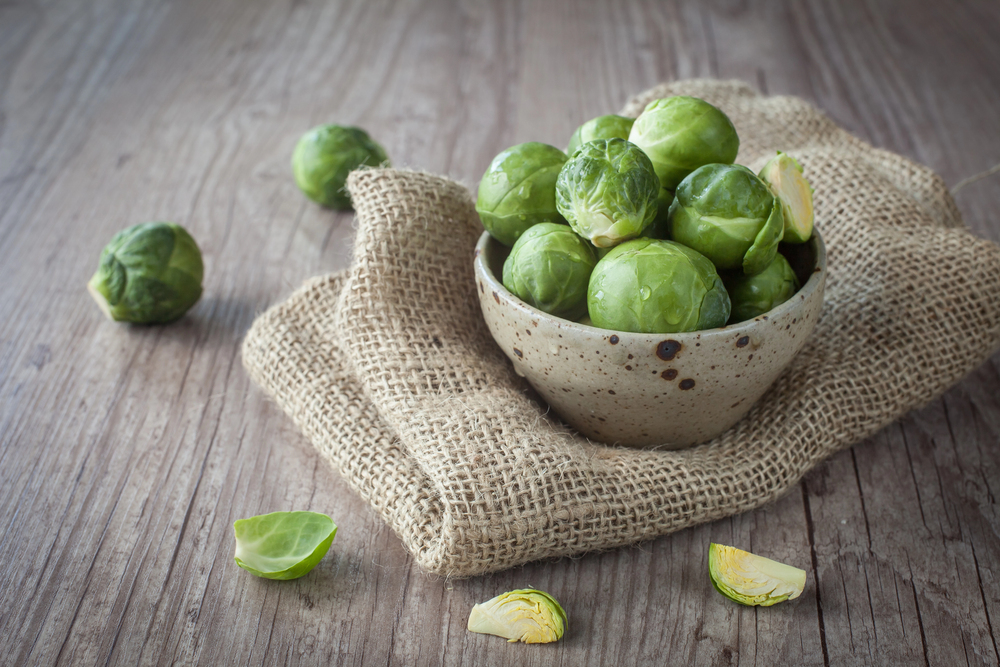
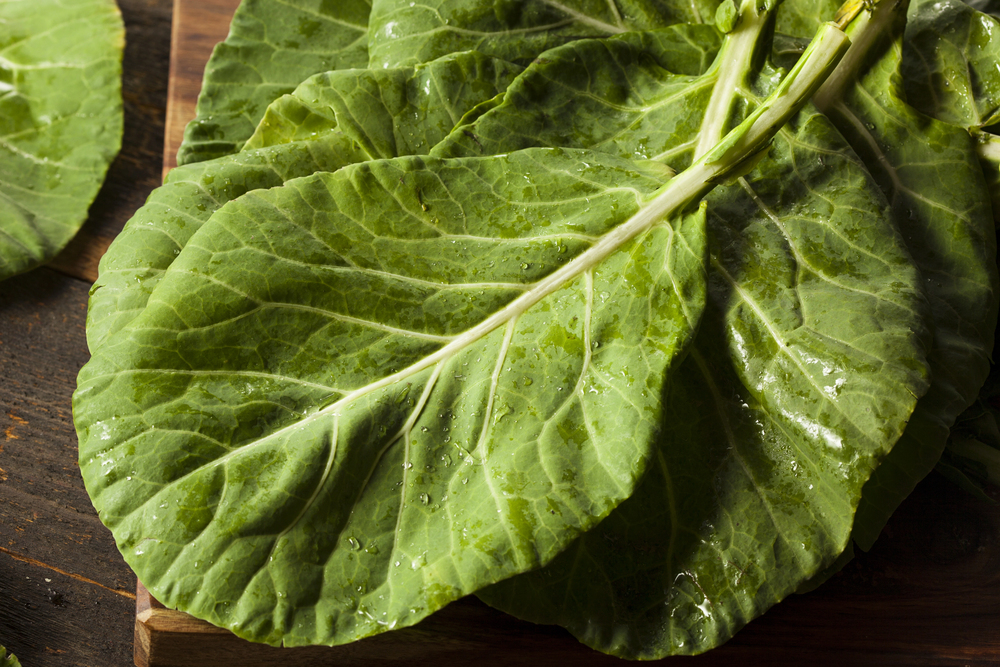
Cool-season staples
Warm-season vegetables
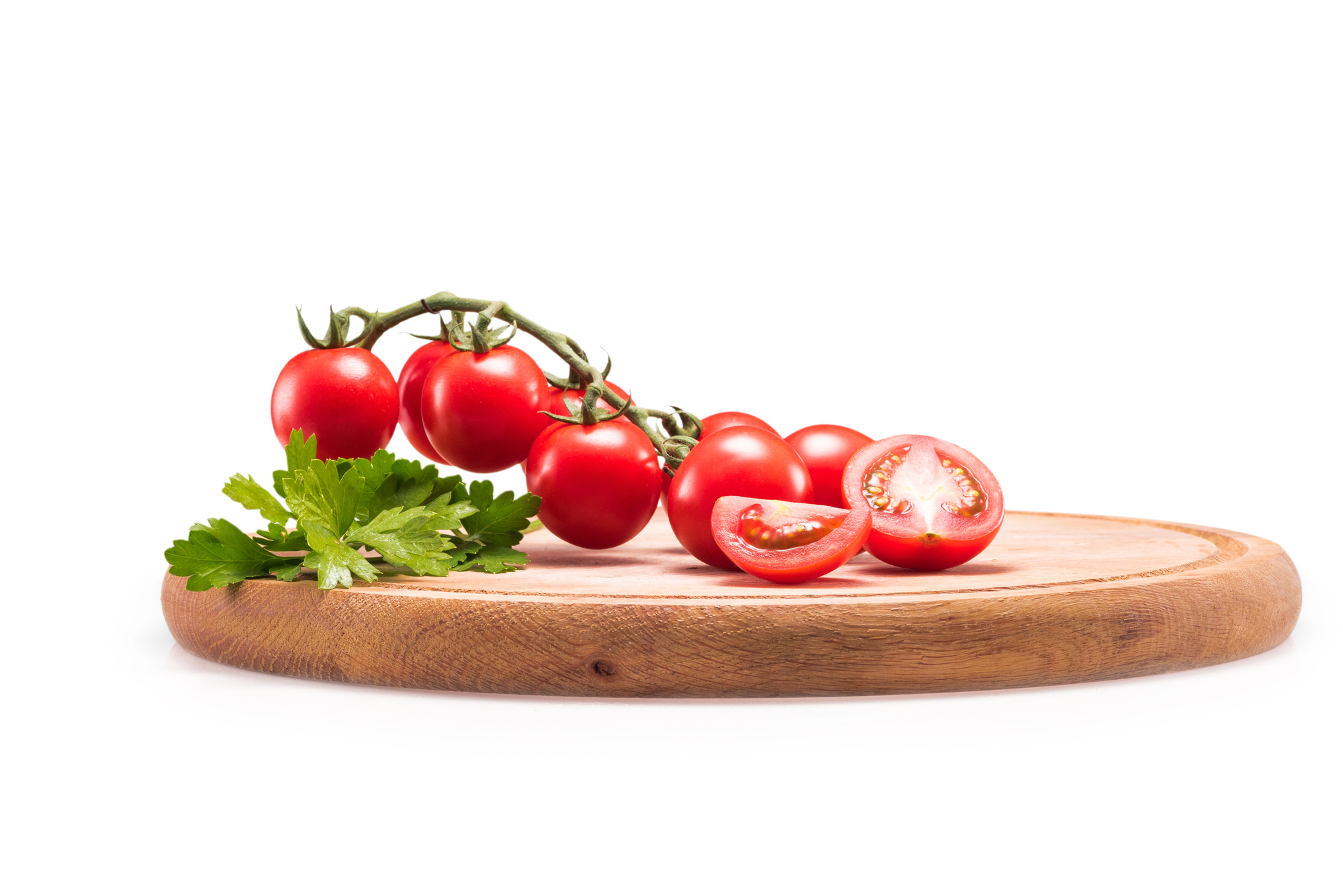
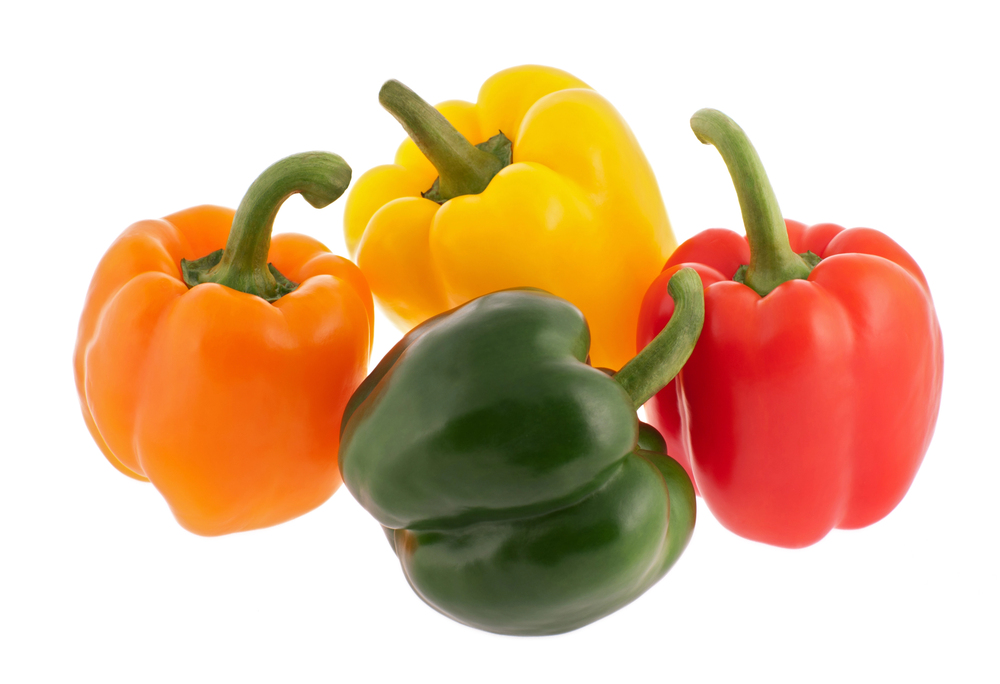

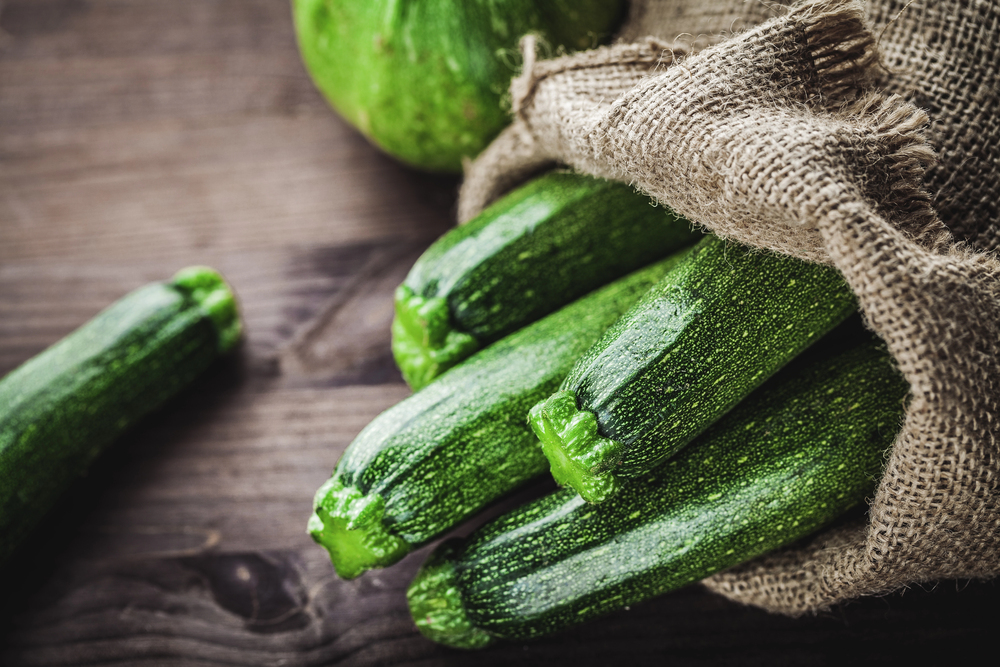
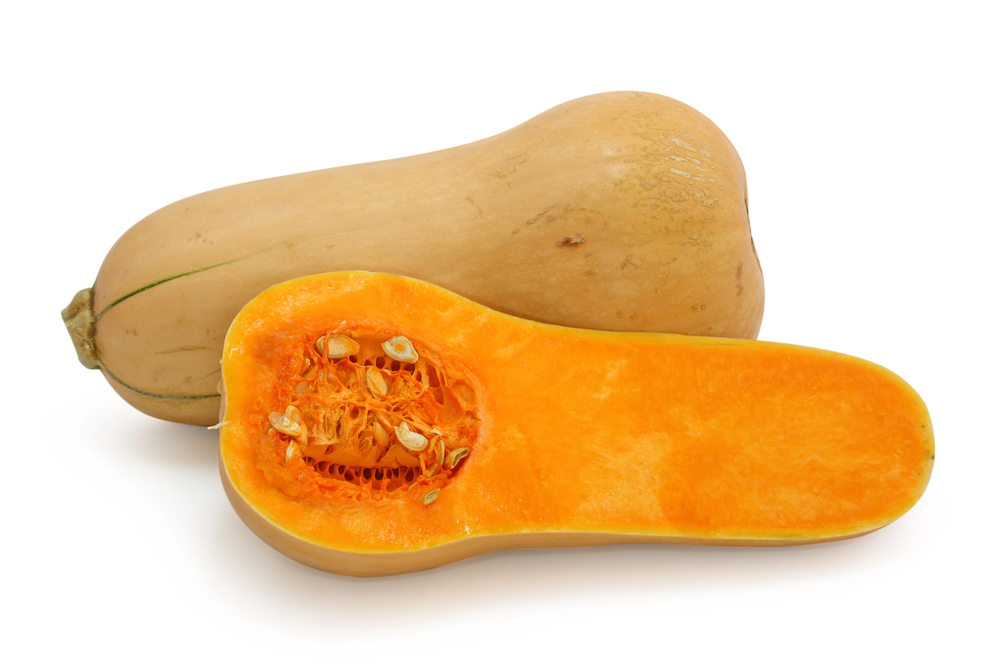
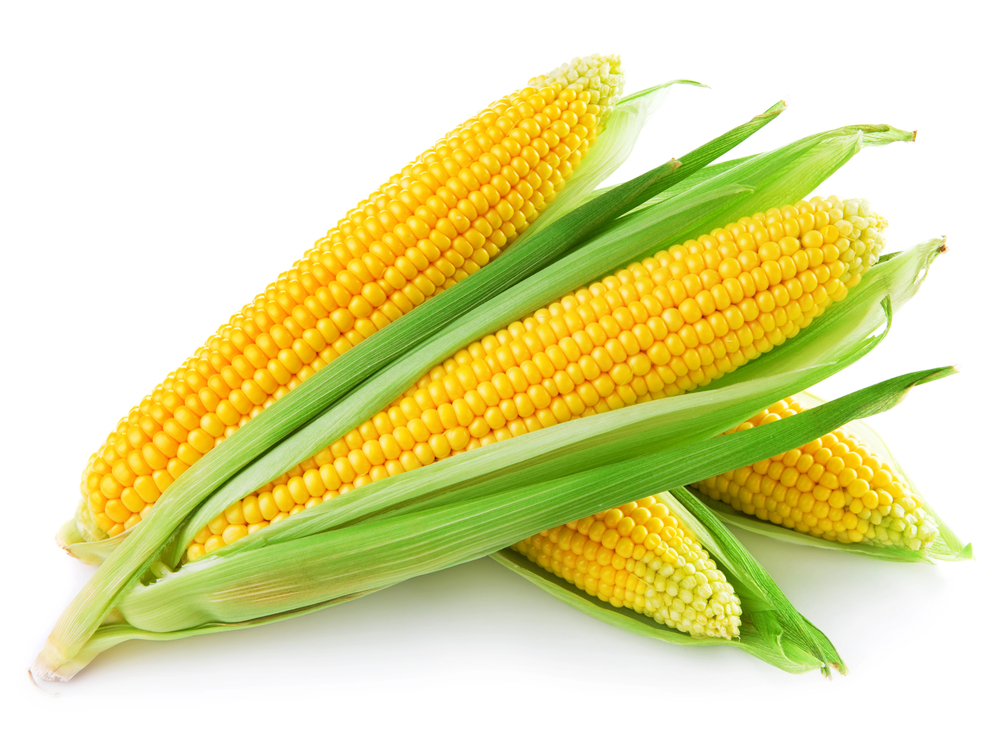
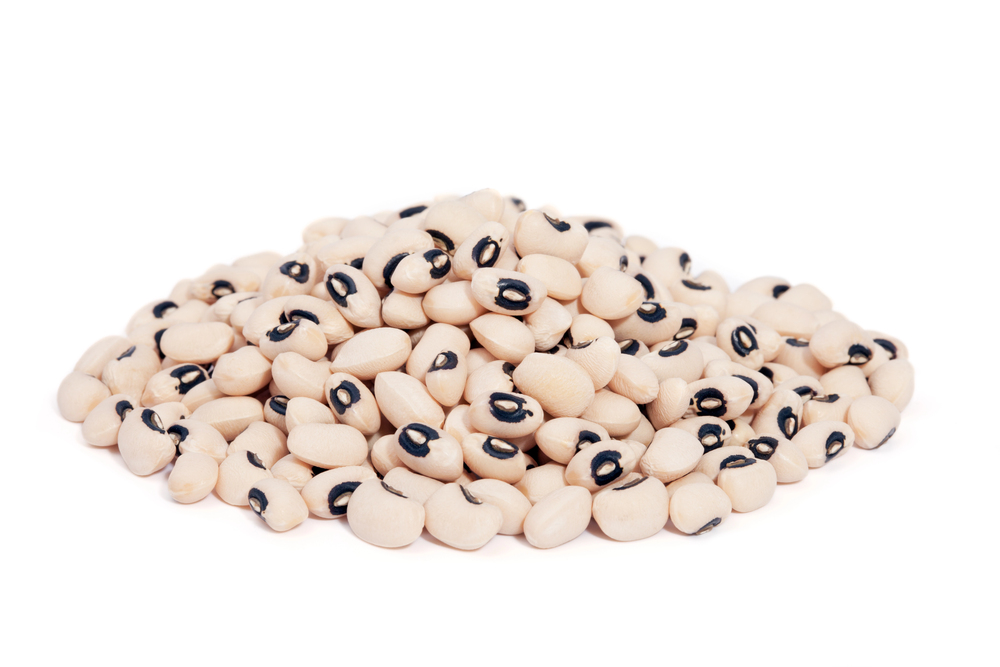
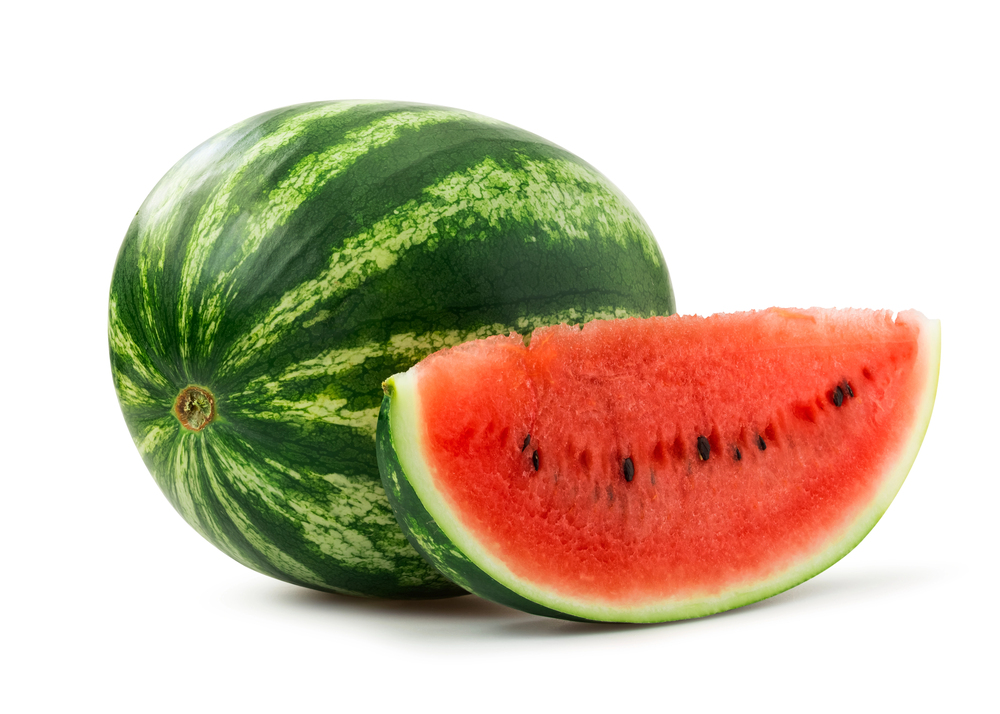

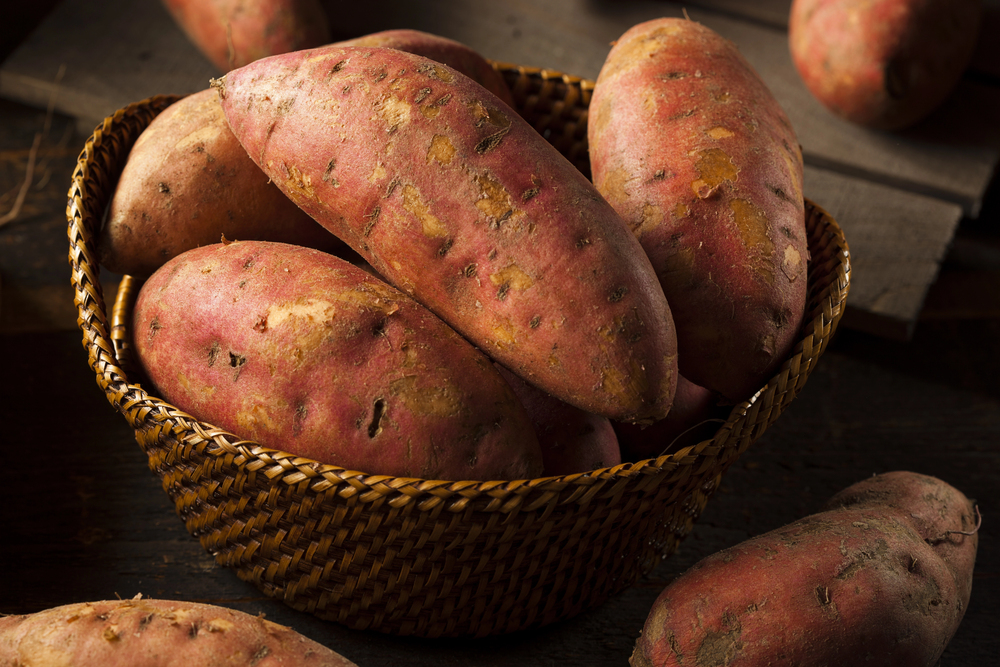
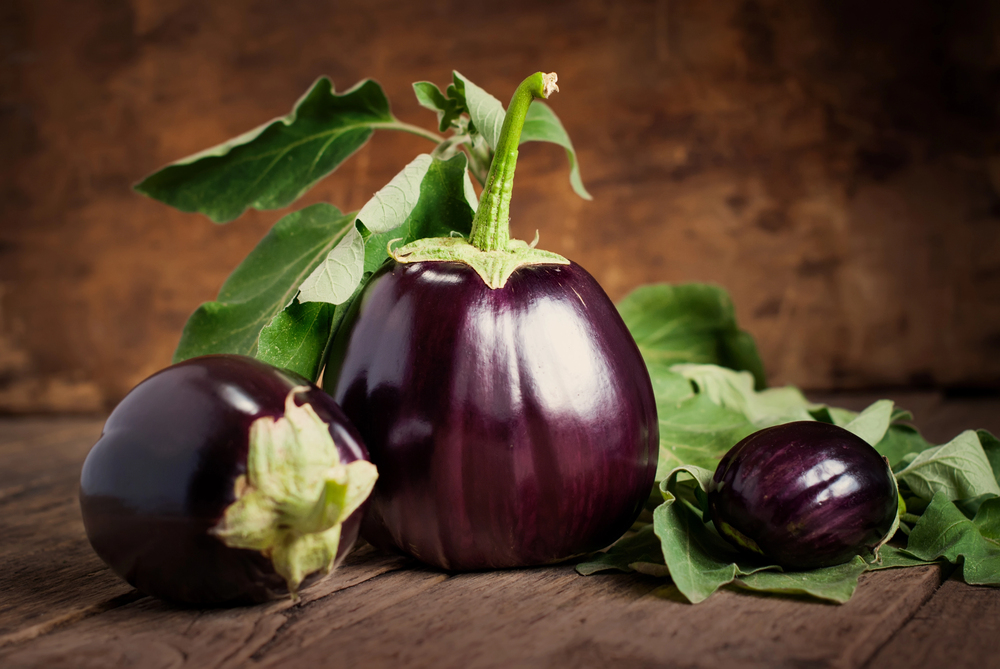
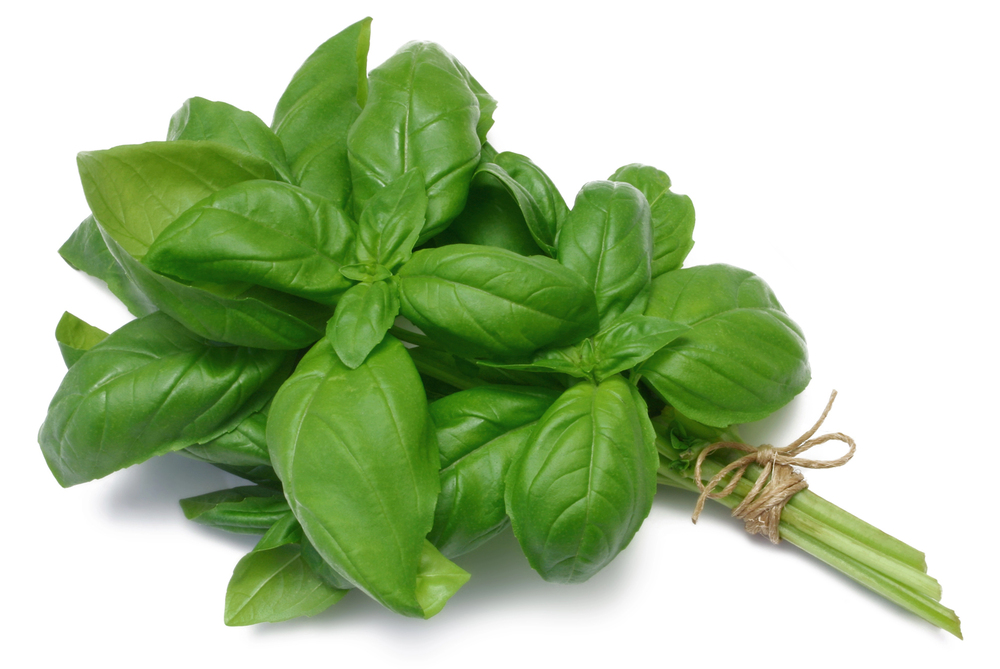
Herbs & specialty
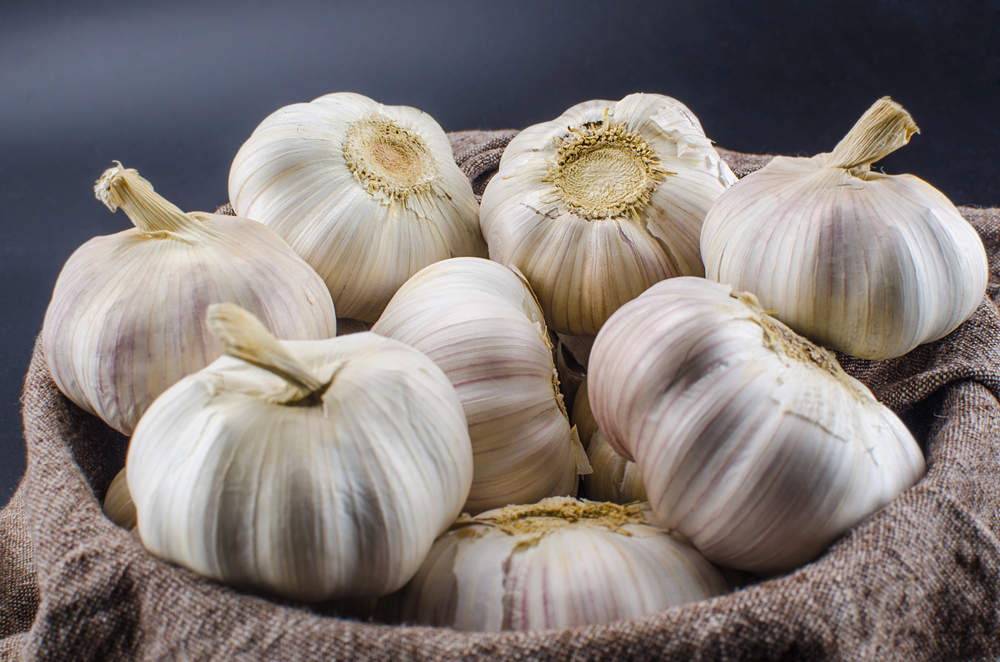
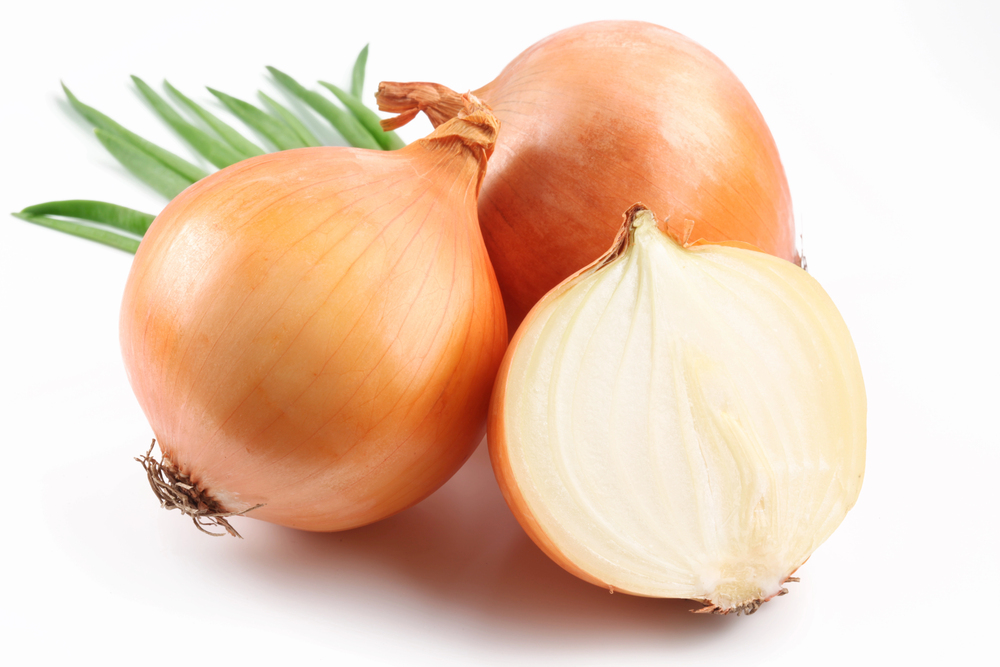
Browse by Province
Zones 5b–6b · 153–195 frost-free days
Zones 4b–5b · 138–162 frost-free days
Zones 6b–8b · 168–302 frost-free days — most diverse
Zones 3b–4a · 107–128 frost-free days — short season
Zone 3b · 123–125 frost-free days
Zone 3a · 120 frost-free days
Zone 6a · 181 frost-free days
Zone 5b · 151–155 frost-free days
Zone 6a · 172 frost-free days
Find Your City’s Planting Calendar
City-specific planting calendars for 21 Canadian cities — exact frost dates, Canadian zone, and month-by-month sowing schedule.
Ontario
- Toronto, ONZone 6b · 195 frost-free days
- Ottawa, ONZone 5b · 153 frost-free days
- Hamilton, ONZone 6b · 189 frost-free days
- London, ONZone 6a · 170 frost-free days
- Kitchener, ONZone 6a · 167 frost-free days
Quebec
- Montréal, QCZone 5b · 162 frost-free days
- Québec City, QCZone 4b · 138 frost-free days
- Gatineau, QCZone 5a · 152 frost-free days
British Columbia
- Vancouver, BCZone 8a · 274 frost-free days
- Victoria, BCZone 8b · 302 frost-free days
- Kelowna, BCZone 6b · 168 frost-free days
Alberta
- Calgary, ABZone 4a · 112 frost-free days
- Edmonton, ABZone 4a · 128 frost-free days
- Red Deer, ABZone 3b · 107 frost-free days
Saskatchewan
- Saskatoon, SKZone 3b · 123 frost-free days
- Regina, SKZone 3b · 125 frost-free days
Manitoba
- Winnipeg, MBZone 3a · 120 frost-free days
Nova Scotia
- Halifax, NSZone 6a · 181 frost-free days
New Brunswick
- Moncton, NBZone 5b · 155 frost-free days
- Fredericton, NBZone 5b · 151 frost-free days
Prince Edward Island
- Charlottetown, PEZone 6a · 172 frost-free days
Canadian Growing Zones Explained
Canada uses a nine-zone hardiness system that differs significantly from the US Department of Agriculture (USDA) system. Canadian zones combine winter survival temperatures with growing season length, summer heat, frost-free days, and snow cover into a single rating, while USDA zones rely primarily on average minimum winter temperature. The two systems overlap in name but not in meaning — Canadian Zone 6 is roughly equivalent to USDA Zone 5b, and Canadian gardeners following USDA-based guides routinely plant warm-season crops 2–3 weeks too early.
Zone 3 (Prairies — Calgary, Edmonton, Winnipeg, Saskatoon, Regina): 90–130 frost-free days, last frost late May, first fall frost mid-September. Indoor seed starting begins in February for tomatoes and peppers. Outdoor planting waits until late May or early June. Choose short-season warm-season varieties under 65 days to maturity.
Zone 4 (Alberta foothills, Manitoba pockets): 110–140 frost-free days, last frost mid-May, first fall frost late September. Slightly more flexibility than Zone 3 but still demands short-season variety selection. Tomatoes succeed reliably with 60–65 day varieties and Wall-O-Water season extension.
Zone 5 (Ottawa, Québec City, Moncton, Fredericton): 140–165 frost-free days, last frost early to mid-May, first fall frost early October. Most warm-season vegetables succeed with standard 70–80 day varieties. Indoor seed starting begins mid-February for peppers and onions, mid- March for tomatoes.
Zone 6 (Toronto, Hamilton, London, Halifax, Charlottetown): 165–195 frost-free days, last frost late April, first fall frost late October to early November. Reliable for the full range of common vegetables including peppers, eggplant, melons, and full-size tomatoes. Lake-effect microclimates near Lake Ontario and the Bay of Fundy extend the season further.
Zone 8 (Vancouver, Victoria): 250–300+ frost-free days, last frost February to early March, first fall frost December or later. Coastal BC supports year-round vegetable gardening with cool-season crops (kale, spinach, cabbage) producing through winter and warm-season crops (tomatoes, peppers, cucumbers) producing from May through October. The same Stupice tomato variety that demands a February seed start in Calgary can be direct-sown outdoors in Victoria with no protection.
For a complete zone-by-zone breakdown of any Canadian province, select that province above for a province-specific guide with city zones, frost dates, and recommended varieties.
The Victoria Day Rule
The Victoria Day weekend (third Monday in May, generally falling between May 18 and May 24) is Canada’s near-universal “safe to transplant” signal. The long weekend reliably falls after the average last frost across Zones 5–6, where most Canadians live, and serves as the classic baseline for transplanting tomatoes, peppers, cucumbers, squash, and other warm-season crops outdoors.
Southern Ontario and coastal British Columbia gardeners can typically transplant 1–3 weeks earlier than Victoria Day — Toronto’s last frost is around April 20 and Vancouver’s is March 1. Prairie gardeners (Calgary, Edmonton, Winnipeg, Saskatoon) should wait at least until the weekend after Victoria Day; many veteran Prairie gardeners hold off until June 1 to avoid late-May cold snaps that can kill tender transplants overnight. The rule also fails in Ontario’s far north and rural Quebec, where last frosts commonly extend into early June.
Use Victoria Day as a baseline and adjust by your specific city’s last-frost date, which is listed on every city page linked above. Plant cool-season crops (peas, kale, spinach, lettuce, radishes, beets) several weeks earlier — these tolerate light frost and produce best in cool spring weather.
Canadian Seed Starting Calendar
Indoor seed-starting windows by Canadian zone. Count back from your local last frost date for exact city timing.
| Crop | Zone 3 (Prairies) | Zone 5 (Ottawa, Quebec) | Zone 6 (Toronto, Halifax) | Zone 8 (Vancouver) |
|---|---|---|---|---|
| Onions / Leeks | Jan 15 – Feb 1 | Feb 1 – 15 | Feb 10 – 25 | Dec 15 – Jan 15 |
| Peppers | Jan 20 – Feb 5 | Feb 20 – Mar 5 | Feb 28 – Mar 14 | Jan 1 – 20 |
| Tomatoes | Feb 20 – Mar 5 | Mar 10 – 25 | Mar 15 – 30 | Jan 15 – Feb 1 |
| Broccoli / Cauliflower | Mar 1 – 15 | Mar 15 – Apr 1 | Mar 20 – Apr 5 | Jan 15 – Feb 15 |
| Cucumbers / Squash | Apr 15 – May 1 | Apr 20 – May 5 | Apr 25 – May 10 | Mar 1 – 20 |
These windows are typical ranges. Use the city-specific calendars linked above for precise dates calibrated to your local frost calendar. Heat mats are essential for pepper and tomato germination in Canadian basement seed-starting setups, where ambient temperature rarely exceeds 18°C.
Frequently Asked Questions
When can I plant vegetables outside in Canada?
It depends on your zone. Zone 3 (Calgary, Winnipeg, Saskatoon): early June after the last frost passes around May 25–28. Zone 5 (Ottawa, Montréal): late May, after the May long weekend. Zone 6 (Toronto, Halifax): mid-May for most warm-season crops. Zone 8 (Vancouver, Victoria): April or earlier for cool-season crops, late April for warm-season. The Victoria Day weekend (third Monday of May) is the universal Canadian baseline for warm-season transplants in southern Canada.
What vegetables grow best in all Canadian zones?
Peas, kale, spinach, Swiss chard, carrots, beets, and potatoes grow reliably across every Canadian zone including Zone 3 Prairie gardens. These cool-season crops thrive in Canada's long daylight, cool nights, and short but intense summers. They form the foundation of almost every Canadian vegetable garden because they tolerate frost on both ends of the season and finish their crop cycle within Canada's frost-free windows.
Can you grow tomatoes in Canada?
Yes — in every Canadian province — but variety selection is critical. Zone 8 BC: full-size heirloom and beefsteak varieties succeed. Zone 6 Ontario and Nova Scotia: choose 70–80 day varieties like Early Girl. Zone 5 Quebec/Ottawa: stick to 60–65 day varieties such as Bush Beefsteak or Sunrise. Zone 3 Prairies (Calgary, Edmonton, Winnipeg): use 52–65 day short-season cultivars like Stupice, Glacier, or Sub-Arctic Plenty for reliable harvests within a 100–125 day window.
What's the difference between Canadian and USDA hardiness zones?
Canadian hardiness zones (published by Agriculture and Agri-Food Canada) account for winter survival, growing season length, summer heat, frost-free days, and snow cover differently than the US Department of Agriculture's USDA system. Canadian Zone 6 is roughly equivalent to USDA Zone 5b. Always use the Canadian zone for Canadian planting calendars — USDA-based guides routinely give incorrect timing for Canadian gardens because they ignore the shorter season and longer winter.
When should I start seeds indoors in Canada?
Count back from your local last frost date: tomatoes 6–8 weeks, peppers 8–10 weeks, onions and leeks 10–12 weeks, brassicas (broccoli, cauliflower, cabbage) 4–6 weeks. Prairie gardeners (Zone 3) start tomato seeds in late February. Toronto (Zone 6): mid-March. Vancouver (Zone 8): January. Use the city-specific guides linked above for exact dates calibrated to your local frost calendar.