Growing Vegetables in Containers in Canada
Published:

Container vegetable gardening works brilliantly in every Canadian province — from Vancouver balconies producing year-round brassicas to Winnipeg apartments growing Stupice tomatoes in 20L pots. Container gardening offers three advantages over in-ground gardens in Canada: (1) containers warm faster in spring than soil, effectively extending the Canadian growing season by 2–3 weeks; (2) container plants can be moved indoors during late-May cold snaps or early-September frost; (3) apartment and condo residents can garden on balconies where in-ground gardens aren't possible. This guide covers province-specific timing, container size requirements (Canadians often use containers that are too small), watering management for hot Canadian summers, soil selection, and condo balcony considerations.
Best Vegetables for Canadian Container Gardens
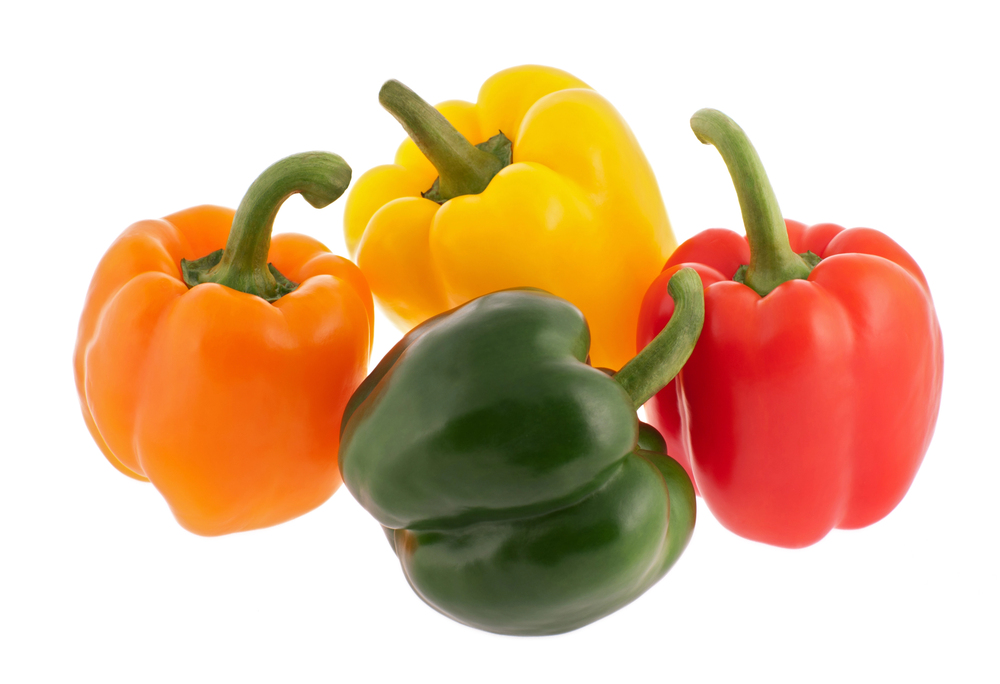
Container gardening success in Canada depends heavily on choosing vegetables matched to container culture. Tier 1 crops (always work): cherry tomatoes, all leafy greens and lettuces, herbs (basil, parsley, cilantro, mint), bush beans, radishes, green onions, kale, chard, Swiss chard, arugula. These crops produce reliably in standard-sized containers with basic care.
Tier 2 crops (work with right variety and adequate container size): peppers, compact cucumbers, zucchini (one plant per 30L+ container), compact eggplant, beets, carrots (choose short varieties for shallow containers). These require 20L+ containers and attentive watering but produce well.
Tier 3 crops (challenging but possible): full-size indeterminate tomatoes (need 30L+ with substantial staking), corn (need 3+ plants for pollination and 30L+ containers), melons and winter squash (need large containers and climbing support). These crops push container limits but can produce impressive results for patient gardeners with space.
Container Tomatoes in Canada — Province by Province
BC Coast (Vancouver, Victoria): cool summer nights challenge tomato ripening even in containers. Best choices: Tumbler (cascading cherry, excellent flavour, tolerates cool nights), Patio (compact determinate, 70 days), Sweet Million (vigorous cherry), Sungold (orange cherry, sweet, prolific). Position containers on south-facing balconies or against south-facing walls for maximum heat capture. Greenhouse-attached balconies or container gardens under polytunnel protection significantly outperform open-air containers.
Ontario: full range of container tomato varieties succeed. Sun Gold and Black Cherry for cherry types; Juliet and Celebrity for slicers; Tumbler for hanging baskets. Toronto balconies in the Greater Toronto Area have excellent tomato seasons — urban heat island plus balcony thermal mass create conditions rivaling in-ground suburban gardens. 20L minimum container for cherry varieties; 30L for full-size.
Alberta and Prairies (Calgary, Edmonton, Saskatoon, Regina, Winnipeg): short-season varieties essential. Glacier (55 days), Stupice (52 days), Sub-Arctic Plenty (52 days), Polar Baby cherry (55 days), Sungold (57 days). Black or dark-coloured containers absorb more solar heat, helping short-season production. Moveable containers enable protection from hail storms (roll indoors or under covered overhangs) — a significant Prairie advantage over in-ground gardens.
Quebec: Montreal's balcony container gardening is a cultural tradition. Best varieties: Tumbler, Sweet Million, Juliet, Sungold for cherry and small slicer types. Saint-Pierre (Quebec heritage variety, 75 days) works in large 30L containers. Montreal's long warm summers support impressive container tomato yields. Urban heat island effect in the Plateau, Villeray, and Rosemont neighbourhoods extends the effective growing season by 1–2 weeks.
Atlantic Canada (Halifax, Moncton, St. John's): cool Atlantic summers limit variety choice. Stick to short-season varieties (Early Girl, Juliet, Sun Gold) and blight-resistant options (Legend, Defiant PhR — sea fog creates late blight pressure similar to the BC coast). Position containers on sheltered south-facing sites for maximum warmth.
Container Sizes — What Canadians Get Wrong
Tomatoes: minimum 20L (5 US gallons) for cherry varieties; 30L (8 gallons) for full-size tomatoes. Garden centres often sell 12L (3 gallon) pots marketed as 'tomato containers' — these are too small for adequate root mass and productive yield. Plants in undersized containers produce 40–60% less fruit than the same variety in properly-sized containers.
Peppers: minimum 15L (4 gallons) for compact varieties; 20L (5 gallons) for standard bell peppers. Peppers tolerate slightly smaller containers than tomatoes because their root systems are less vigorous, but the same 'too small' failure mode applies.
Cucumbers: minimum 20L (5 gallons) with substantial trellis support — cucumbers are vines that need vertical structure. Container cucumbers without trellises sprawl across balconies and produce stunted fruit. Bush varieties (Spacemaster, Salad Bush) work better than full-size vining types in containers.
Lettuce, greens, herbs: 15 cm soil depth is adequate. Wide shallow planters work well for leafy greens. Depth matters less than surface area for these crops. A 60 cm × 20 cm × 15 cm window planter can produce 10–15 lettuce heads across a growing season.
Root vegetables: depth matters — carrots need 30 cm of soil depth for full-size roots; beets need 20 cm; radishes need 15 cm. Short-rooted carrot varieties (Parisian, Round Baby) work in shallower 15 cm containers. Choose varieties matched to container depth.
The 'too small container' failure: gardeners buy 4 tomato seedlings at the garden centre and put them in 4 matching 12L pots because that's what the store sold with the plants. By mid-July, plants are stunted and yellow despite good watering and fertilization. The problem is root constriction, not plant health. Repot to 25L+ containers and the same plants recover dramatically within 2 weeks.
Watering Container Vegetables in Canadian Summers
Container plants dry out faster than in-ground plants because containers have limited soil volume, exposed sides that lose moisture, and higher soil-to-air ratios. On hot Canadian summer days (30°C+), containers may need watering twice daily. This is the biggest operational challenge of container gardening.
Self-watering containers: double-walled pots with water reservoirs in the bottom. Plant roots access water as needed; top-up the reservoir weekly. Brands: Earthbox, Grow Box, Lechuza. Cost $30–80 per container. Reduce watering frequency from twice daily to once per week in hot weather. Significant investment but transformative for container gardening.
Drip irrigation for balconies: small-scale drip kits ($30–80) with a battery-powered timer deliver measured water to individual containers automatically. Rain Bird, Orbit, and Hunter all make balcony-scale systems. The timer handles daily watering while gardeners work, travel, or forget — eliminating the most common container garden failure mode.
Watering signs: soil feels dry 2 cm below surface = water now. Plant wilting at midday = water now (wilting reduces yield even if plant recovers overnight). Wilting persists after evening watering = root damage from prior drought, or possibly root rot from overwatering — inspect roots.
Over vs under watering: overwatered containers stay wet for days, produce yellow lower leaves, and show fungal problems. Underwatered containers dry out hourly on hot days, produce wilting, and show tip-burn on leaves. Most Canadian container failures are from underwatering during hot summer stretches — not from overwatering.
Drainage essentials: every container needs drainage holes in the bottom. Standing water causes root rot within days. Elevate containers slightly (on feet or blocks) to ensure drainage isn't blocked by balcony surfaces. Drip trays collect excess water but should be emptied regularly.
Container Gardening in Apartments and Condos — Canadian Rules
Weight restrictions: filled 30L containers weigh 30–50 kg each. Multiple large containers plus soil, water, and plants can add 300–500 kg to a balcony. Canadian condo bylaws often restrict balcony weight to 50 psf (244 kg/m²) — approximately 2 large containers per m² of balcony space. Check your building's bylaws before installing many large containers.
Water drainage: condo bylaws typically require that water drained from balcony planters not fall on units below. Drip trays under each container prevent runoff. Self-watering containers eliminate the runoff problem entirely. Many condos prohibit unlimited watering from balconies for this reason.
Railings and structural limits: mounting planter boxes directly on balcony railings requires secure attachment and weight verification. Most condo boards prohibit permanent modifications to railings. Over-the-rail planter hooks (clamp onto railing without drilling) are usually acceptable.
Wind exposure on high floors: balconies above the 5th floor experience significantly higher wind speeds than ground level. Wind dries containers fast and damages tall plants. Solutions: position containers against walls (sheltered from prevailing wind), install windbreaks (lattice panels, tall planter windbreaks), choose compact bushy varieties over tall staked ones, add extra water to compensate for wind evaporation.
Privacy and visual screening: taller plants (pole beans, tall tomatoes) provide privacy screening on dense urban balconies. This dual function — productive vegetables plus visual barrier — makes container gardening appealing beyond food production alone.
Condo board pre-approval: check with your condo board before installing elaborate balcony garden setups. Many boards have standard rules for container gardening (sizes, locations, plant types). Some boards actively encourage balcony gardening as part of building sustainability goals. Some restrict it completely. Know the rules before investing.
Season Extension for Canadian Container Gardens
Containers warm up faster than ground soil in spring — often 2–3 weeks earlier. This gives Canadian container gardeners a head start on the growing season. Vancouver balcony tomatoes can be transplanted in mid-March; Toronto balconies in late April; Calgary balconies in early May (3 weeks before June 7 in-ground transplant date).
Portability for cold snaps: containers can be moved indoors when frost or cold snaps threaten. Calgary's Wall-O-Waters become unnecessary for container tomatoes because gardeners can just roll containers into the garage on cold nights. This portability advantage is significant for Prairie Zone 3 gardens.
Fall extension: containers can stay productive until hard frost because they can be moved indoors overnight. BC coast containers can grow year-round with polytunnel or cold-frame protection. Fall and winter balcony harvests (kale, chard, hardy greens) are a coastal BC specialty.
Indoor finishing for short seasons: Prairie gardens often have first frost before all tomatoes ripen. Move containers indoors in late September; tomatoes continue ripening on vine in a sunny window. Extends the effective productive season by 3–4 weeks compared to in-ground gardens where plants must be harvested green.
Soil for Canadian Container Vegetables
Potting mix vs garden soil: always use potting mix, never garden soil. Garden soil compacts in containers, drains poorly, contains weed seeds and pathogens, and is too dense for container root growth. Potting mix is formulated for container culture with appropriate drainage, aeration, and moisture retention.
Canadian potting mix brands: Pro-Mix (Quebec-made, widely available), FafardPRO, Black Earth, Miracle-Gro, Schultz. A 50L bag covers 2–3 large containers. Expect to pay $15–25 per 50L bag at garden centres; significantly cheaper in bulk at nurseries.
Soil refresh: container soil degrades over a growing season as plants deplete nutrients, organic matter breaks down, and salt accumulates from fertilizer. Refresh half the soil annually — scoop out top 15 cm, replace with fresh potting mix amended with compost. Fully replace soil every 2–3 years.
Compost addition: adding 20–30% by volume of compost to potting mix improves long-term fertility and water retention. Use well-composted material (not fresh compost which can burn roots). Bagged composts or local municipal compost programs provide adequate quality.
Perlite for drainage: Canadian containers often have drainage issues because potting mixes become waterlogged in our humid summer conditions. Mixing 20–30% perlite into potting mix dramatically improves drainage. Essential for container tomatoes and peppers on Vancouver and Victoria's rainy coast.
Fertilization: container plants need regular feeding because soil volume is limited. Balanced liquid fertilizer (20-20-20 at half-strength) weekly through the growing season keeps plants productive. Slow-release granular fertilizers (Osmocote) provide 3–4 months of nutrition from a single application — simpler than weekly liquid feeding.
Frequently Asked Questions
Can I grow tomatoes on a balcony in Canada?
Yes — container tomatoes succeed on balconies across Canada. Best balcony varieties: Tumbler (cascading cherry), Patio (compact determinate), Sweet Million (prolific cherry), Sungold (orange cherry), Bush Early Girl. Minimum 20L container for cherry varieties, 30L for full-size. Position on south-facing balconies for maximum sun. Water daily in summer heat; use self-watering containers if available. Canadian urban heat island effect produces excellent balcony tomato conditions in most provinces.
How do I water container vegetables in a hot Canadian summer?
Check soil daily — dry 2 cm below surface means water now. On 30°C+ days, containers may need watering twice daily (morning and evening). Self-watering containers ($30–80 each) with water reservoirs reduce frequency to weekly topping-up. Small-scale drip irrigation with timer ($30–80 kit) delivers daily watering automatically. Morning watering is optimal; avoid evening watering on vegetables susceptible to fungal disease.
What size container do I need for tomatoes in Canada?
Minimum 20L (5 US gallons) for cherry tomatoes; 30L (8 gallons) for full-size slicer tomatoes. The 12L pots sold at garden centres are too small — plants stall in undersized containers and produce 40–60% less fruit than properly-sized containers. If you have tomatoes in 12L pots and they're struggling mid-summer, repot to 25L+ containers and plants recover dramatically within 2 weeks.
Can my condo building stop me from growing vegetables on my balcony?
Condo boards can establish rules about balcony gardening — weight limits, water drainage, railing modifications, plant size restrictions. Review your building's bylaws before investing in extensive container gardens. Most Canadian condos allow basic container gardening; restrictions focus on weight (50 psf balcony limits), drainage (no water runoff to units below), and railing safety (no drilling, use clamp-on planters). Pre-approval from the condo board prevents conflicts.
What's the best balcony vegetable for beginners in Canada?
Cherry tomatoes in 20L containers. Specifically Sungold, Tumbler, or Sweet Million. Reasons: (1) reliable production across all Canadian provinces with appropriate variety selection, (2) forgiving of watering mistakes (cherry varieties bounce back from brief drought stress), (3) visually rewarding (fruit ripens continuously through the season), (4) cost-effective (one plant produces $30–60 worth of tomatoes over a summer). Start with one tomato plus a pot of fresh basil; expand from there in future seasons.
About the Author
Landscaping Expert & Writer · Raleigh, North Carolina · North Carolina State University
Jennifer Hall is a professional landscaper and lawn care writer based in Raleigh, North Carolina. She studied landscape horticulture at North Carolina State University, home to one of the country's leading turfgrass programs, and went on to build a specialized landscaping service serving the greater Raleigh-Durham region. Jennifer's expertise spans the Southeast and Mid-Atlantic transition zone, where she advises homeowners on warm-season grass selection, seasonal lawn care calendars, landscape design, and water-efficient gardening. Her writing brings together professional horticultural training and real-world experience in one of America's most challenging grass-growing climates.