When to Plant Tomatoes in Ontario
Published:

Transplant tomatoes outdoors in Ontario between May 9 and May 25 for most cities — Windsor and Niagara can go as early as May 3, while Ottawa and eastern Ontario should wait until around May 20 when soil consistently reaches 15°C. Start seeds indoors 6–8 weeks before transplant: Toronto gardeners sow March 1–8, Ottawa gardeners wait until March 17–24. This guide gives city-specific dates, the Victoria Day rule, variety selection by zone, hardening off procedure, and the disease pressures that make Ontario tomato growing different from drier provinces.
Ontario Tomato Planting Dates by City
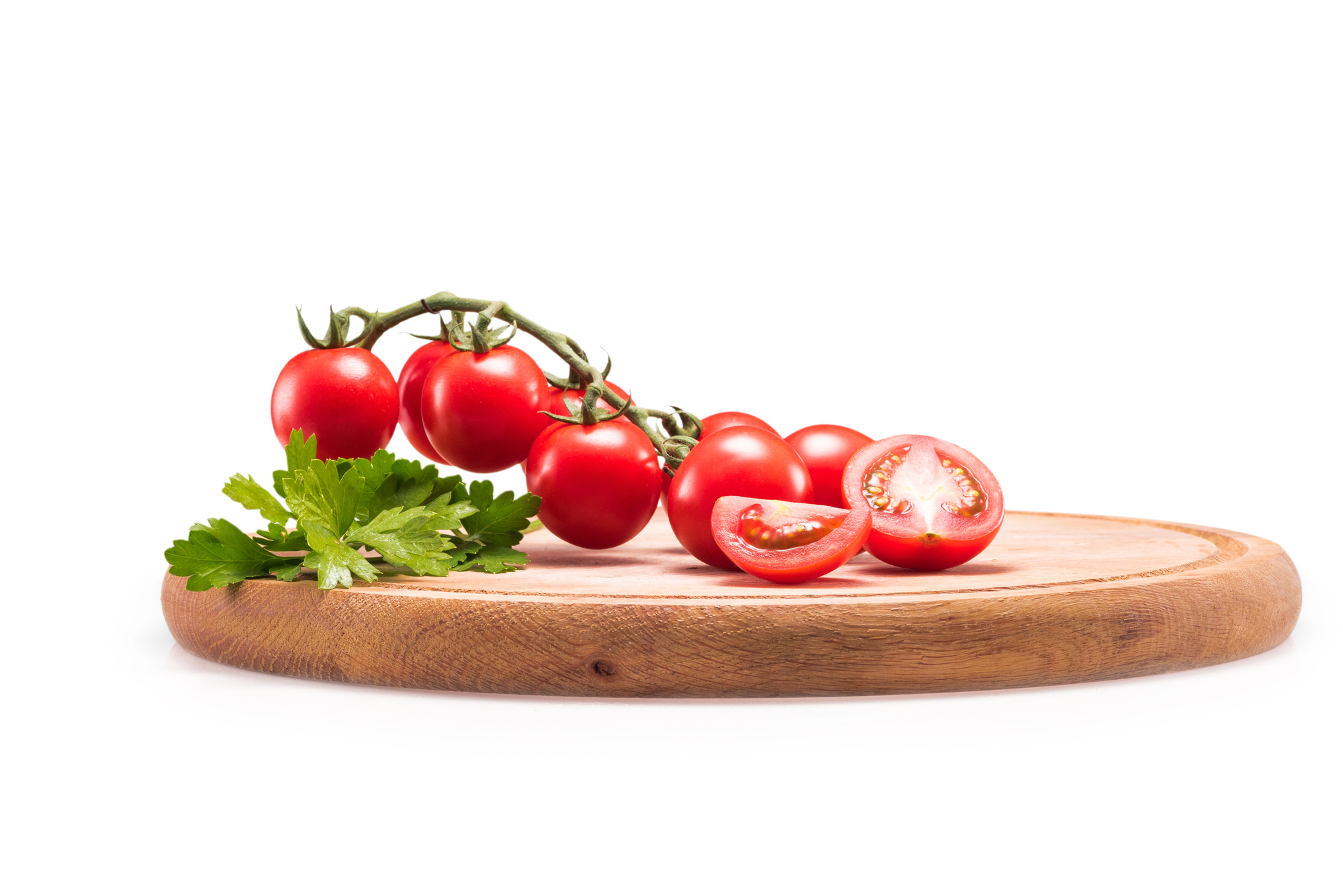
Ontario spans USDA zones 4b through 7a and Canadian zones 5 through 7. The last spring frost date ranges from mid-April on the Niagara Peninsula to early May in Ottawa and eastern Ontario — a two-to-three-week spread within the province. Your local frost date is the anchor for every other decision: start indoor seeds 6–8 weeks before, transplant outdoors 1–2 weeks after, and expect first fall frost roughly 150–200 days later depending on zone.
The table below gives last spring frost dates from Environment Canada 30-year averages, the indoor seed-starting window (6–8 weeks before transplant), and the safe outdoor transplant window (1–2 weeks after last frost, when overnight lows stay above 10°C). In a cold spring these windows shift later by a week; in an early spring they shift earlier. Always watch the 14-day forecast before moving transplants outdoors.
| City | Last Frost | Start Indoors | Transplant Outside |
|---|---|---|---|
| Toronto | April 20 | March 1–8 | May 9–15 |
| Ottawa | May 6 | March 17–24 | May 20–June 1 |
| Hamilton | April 22 | March 3–10 | May 11–18 |
| London | May 3 | March 14–21 | May 17–24 |
| Kitchener-Waterloo | May 1 | March 12–19 | May 15–22 |
| Kingston | May 7 | March 18–25 | May 21–27 |
| Windsor | April 21 | March 2–9 | May 10–16 |
| Niagara | April 15 | Feb 24–Mar 3 | May 3–10 |
| Sudbury | May 22 | April 3–10 | June 5–12 |
| Thunder Bay | May 31 | April 12–19 | June 14–21 |
How to Calculate Your Tomato Start Date in Ontario
The standard tomato seed-starting formula is 6–8 weeks before your target transplant date. If you plan to transplant May 15, count back 6 weeks (March 20 = earliest reasonable start) or 8 weeks (April 10 = latest useful start). Most Ontario gardeners target 7 weeks — old enough to transplant with a strong root system, young enough to avoid becoming rootbound in 4-inch pots.
Tomatoes are 6–8 weeks, not the 10-week window peppers require. If you start tomatoes too early, they become leggy, rootbound, and stressed before outdoor conditions allow transplanting. A stressed transplant produces less than a well-timed one. Resist the urge to start in January just because you have grow lights ready — wait until the correct 6–8 week window for your specific city.
To find your local last frost date precisely, check Environment Canada's climate normals for the nearest weather station. The 30-year average gives a statistically safe date, but a 10% risk remains that frost occurs afterward. For risk-averse gardeners in Ottawa and eastern Ontario, the traditional rule is to wait until after the Victoria Day long weekend (third Monday of May) regardless of what the calendar says.
Ontario Tomato Varieties by Zone
Zone 7a (Niagara Peninsula, Point Pelee): full-size heirlooms succeed reliably. Brandywine (85 days), Mortgage Lifter (85 days), San Marzano (80 days), Cherokee Purple (80 days) all ripen before first frost in the warmest parts of Ontario. These varieties fail in Ottawa but thrive in Niagara's extended season.
Zone 6b (Toronto, Hamilton, Mississauga): mainstream hybrids and shorter-season heirlooms. Celebrity (70 days), Early Girl (57 days), Better Boy (72 days), Sun Gold cherry (57 days), Black Krim (80 days) all perform well. This is the Ontario sweet spot — most varieties marketed to home gardeners target Zone 6 conditions.
Zone 5b (Ottawa, Kingston, eastern Ontario): short-season varieties under 75 days. Stupice (52 days), Glacier (55 days), Early Girl (57 days), Juliet (60 days) are the reliable choices. Heirloom beefsteaks over 80 days will not finish in Ottawa's 150-day frost-free window — gardeners who plant them every spring harvest green tomatoes every fall.
Zone 5a (Sudbury, Thunder Bay, northern Ontario communities): ultra-short-season only. Sub-Arctic Plenty (52 days), Glacier (55 days), Stupice (52 days), Siletz (52 days). Cold-tolerant varieties bred for Canadian and Scandinavian conditions are non-negotiable. Choose cherry and paste types over beefsteaks — the smaller fruit sizes mature faster.
Indoor Seed Starting for Ontario Tomatoes
Germination: tomato seeds need soil at 21–27°C to germinate reliably in 5–10 days. A heat mat under seedling trays keeps soil warm regardless of room temperature. Without a heat mat, germination can take 2–3 weeks in cool Ontario basements — long enough that many seeds rot before sprouting. Heat mats cost $30–50 and are the single biggest upgrade an Ontario seed-starter can make.
Light: Ontario winter daylight is inadequate for seedlings — 10–11 hours in February is not enough, even on a south-facing windowsill. Grow lights are strongly recommended. T5 fluorescent fixtures (older technology) cost $80–150 and work well. Modern LED grow panels ($60–200) use less electricity and last longer. Run lights 14–16 hours per day, 5–10 cm above seedlings, raised as plants grow.
Potting up: start seeds in small cells (32 or 50 cells per flat), then transplant to 4-inch (10 cm) pots when seedlings have 2–3 true leaves. Use a seed-starting mix (Pro-Mix or similar) for germination, then switch to standard potting mix with added fertilizer for the second container. Skipping potting up produces rootbound transplants that struggle outdoors.
Hardening off: 7–10 days of gradual outdoor exposure before final transplant is mandatory in Ontario. Begin with 1 hour of protected shade on day 1, increase to 2 hours on day 2, move into morning sun by day 4, full sun by day 7. Bring plants indoors if night temperatures forecast below 10°C. Skipping hardening off is the #1 cause of transplant failure — shocked plants stall for weeks and may never fully recover.
Transplanting Tomatoes in Ontario — What Can Go Wrong
Late frost: Ontario experiences damaging late-May frosts approximately every 3–4 years. The 2021, 2018, and 2015 seasons all saw damaging frosts between May 20 and 28 across parts of Ontario. Row covers, bed sheets, or the practice of bringing containers indoors overnight protect transplants during cold snaps. Check the 7-day forecast every morning from May 1 to June 10.
Cold soil: even when air temperature is frost-free, soil below 15°C stalls tomato root development. Transplants sit in cold soil for 2–3 weeks before growth resumes. Black plastic mulch warms soil 3–5°C and is standard practice in eastern Ontario gardens where soil warms slowly. A soil thermometer confirms readiness — $10 investment that prevents weeks of wasted growing time.
Transplant shock: the stress of moving from 22°C indoor conditions to 12°C outdoor conditions is severe. Hardening off (above) is the mitigation. Wall-O-Water season-extension sleeves ($10–15 each) create a microclimate 5–8°C warmer than ambient, allowing transplanting 3–4 weeks before last frost and reducing shock. Wall-O-Waters are nearly standard practice in Ottawa and eastern Ontario gardens.
The Victoria Day Rule — Ontario's Practical Benchmark
Traditional Ontario gardening wisdom uses the Victoria Day long weekend (third Monday of May, May 18–24 depending on the year) as the safe tomato transplant signal. The date averages 2 weeks past most Ontario last-frost dates, provides a roughly 90% confidence the growing season has begun, and aligns with when garden centers fully stock transplants.
Southern Ontario (Windsor, Niagara, Point Pelee) can safely plant 1–2 weeks before Victoria Day — early to mid-May. Toronto and Hamilton hit the Victoria Day window exactly. Ottawa and Kingston should wait until the weekend AFTER Victoria Day for highest safety margin. Northern Ontario (Sudbury, Thunder Bay) should plan 2–3 weeks after Victoria Day for reliable frost-free conditions.
The rule has limits. Modern climate change has made Victoria Day slightly later than necessary in many years — gardens that plant May 10 often harvest earlier than Victoria Day transplants. But the rule remains a useful risk-averse default, particularly for gardeners who cannot monitor daily forecasts or cover plants quickly during cold snaps.
Growing Tomatoes in Ontario — Seasonal Care
June: staking, caging, or trellising immediately at transplant prevents root damage from later installation. Apply balanced fertilizer (20-20-20) at half-strength every 2 weeks for first month to encourage leaf and root growth. Watch for early blight symptoms as humid June days begin — remove any yellow lower leaves, ensure 60 cm spacing for airflow.
July: switch to tomato-specific fertilizer (higher phosphorus and potassium, 3-6-8 or similar) as plants flower and set fruit. Deep water twice weekly — 2.5 cm per session — rather than daily shallow watering. Mulch with straw or shredded leaves to retain moisture and reduce soil splash (which spreads disease). Watch for late blight in wet stretches (Phytophthora infestans) — this disease can destroy a crop in 5 days.
August: remove bottom leaves up to the first fruit cluster for improved airflow. Prune suckers on indeterminate varieties to channel energy into existing fruit. Maintain even moisture to prevent blossom end rot. Calcium foliar spray if blossom end rot appears. Begin harvesting cherry varieties (mid-August); beefsteaks ripen late August through September.
September: harvest timing becomes critical. First frost in Toronto averages October 20, Ottawa October 6. Harvest all ripe fruit before any frost warning. Pick full-size green tomatoes 2–3 days before forecast first frost — they ripen indoors at 18–21°C over 2–4 weeks. Remove plants after first killing frost to prevent disease carryover to next year.
Disease Pressure in Ontario — What Makes It Different
Ontario's humid continental climate with Great Lakes influence creates higher fungal disease pressure than drier Prairie provinces. Late blight (Phytophthora infestans) arrives annually on wind currents from the US and Quebec, typically infecting Ontario tomatoes in mid-July to early August. In wet years, blight can destroy entire crops within a week.
Blight-resistant varieties are the single best defense. Defiant PhR (70 days), Legend (68 days), Mountain Merit (75 days), and Iron Lady (75 days) all carry late blight resistance genes. These varieties may still show some infection in heavy pressure years but produce through the outbreak rather than dying. Include at least one resistant variety in every Ontario garden of 4+ tomato plants.
Cultural controls: space plants 60 cm apart for airflow, stake or trellis to keep leaves off the ground, water at soil level (drip irrigation or soaker hoses) not overhead, morning watering only so leaves dry before night, remove any diseased tissue immediately. These practices cannot prevent blight entirely but significantly reduce severity and slow spread.
Early blight (Alternaria solani) is a separate disease that appears as concentric-ringed dark spots on lower leaves starting in June. Less devastating than late blight but persistent. Same cultural controls plus copper fungicide applications at first sign. Septoria leaf spot, another Ontario summer disease, responds to the same treatment protocol.
Frequently Asked Questions
Can I plant tomatoes before Victoria Day in Ontario?
In southern Ontario (Windsor, Niagara, Hamilton, Toronto), yes — typically 1–2 weeks before Victoria Day is safe in a normal spring. Watch overnight lows for 10°C minimum and use row covers or Wall-O-Waters if cold snaps are forecast. In Ottawa and eastern Ontario, wait until after Victoria Day — the late May cold-snap risk is real and damages unprotected transplants.
What's the latest I can transplant tomatoes in Ontario?
June 15 is the practical late limit in most of Ontario — later transplanting leaves insufficient time for fruit to mature before first fall frost. June 15 transplants using 60–65 day varieties (Stupice, Glacier, Early Girl) will produce ripe fruit before October frost in most zones. Later plantings with longer-season varieties will harvest only green tomatoes in most years.
Why are my Ontario tomatoes not ripening?
Three common causes: (1) variety too long for your season — heirloom 80–90 day varieties won't finish in Ottawa's 150-day frost-free window; (2) cool summer temperatures below 18°C overnight stall fruit ripening (Great Lakes influence in coastal cities); (3) excessive nitrogen fertilizer pushes foliage at the expense of fruit. Switch to lower-nitrogen tomato fertilizer (5-10-10 ratio) after fruit set.
What tomatoes grow best in Ottawa vs Toronto?
Ottawa's Zone 5b climate with 150-day frost-free window demands varieties under 75 days to maturity. Stupice, Glacier, Early Girl, and Juliet are reliable Ottawa choices. Toronto's Zone 6b with 195 frost-free days supports longer-season varieties — Celebrity, Better Boy, Sun Gold, Cherokee Purple all succeed. Toronto gardeners can experiment with 85-day heirlooms; Ottawa gardeners cannot.
Do I need to start tomatoes indoors in Ontario?
Yes, for most of Ontario. Direct sowing tomato seeds outdoors leaves insufficient time for fruit to mature — seeds take 2 weeks to germinate plus 50–80 days to produce ripe fruit, totaling 80–100 days from direct sow. Ontario's frost-free windows of 150–195 days would run out before harvest. Transplants from a 6–8 week indoor start produce ripe fruit 60–90 days after transplant, fitting easily within the season.
About the Author
Landscaping Expert & Writer · Raleigh, North Carolina · North Carolina State University
Jennifer Hall is a professional landscaper and lawn care writer based in Raleigh, North Carolina. She studied landscape horticulture at North Carolina State University, home to one of the country's leading turfgrass programs, and went on to build a specialized landscaping service serving the greater Raleigh-Durham region. Jennifer's expertise spans the Southeast and Mid-Atlantic transition zone, where she advises homeowners on warm-season grass selection, seasonal lawn care calendars, landscape design, and water-efficient gardening. Her writing brings together professional horticultural training and real-world experience in one of America's most challenging grass-growing climates.