How to Grow Tomatoes in Zone 3 Canada
Published:

Zone 3 Canadian gardeners (Calgary, Edmonton, Saskatoon, Regina, Winnipeg, Red Deer) can absolutely grow tomatoes — but only with specific variety selection, early indoor starts, and season extension techniques. Long-season heirloom varieties (Brandywine, San Marzano) fail reliably in Zone 3; short-season cold-tolerant varieties (Stupice, Glacier, Sub-Arctic Plenty) succeed reliably. The 10-week indoor starting window, Wall-O-Water transplants, and black plastic mulch are the three techniques that convert marginal Zone 3 tomato conditions into productive harvests. This guide covers everything Zone 3 gardeners need: the definitive variety list, city-by-city seed-starting calendar, season extension tools, and what to do with the green tomatoes that remain when first frost arrives.
Can You Grow Tomatoes in Zone 3 Canada?
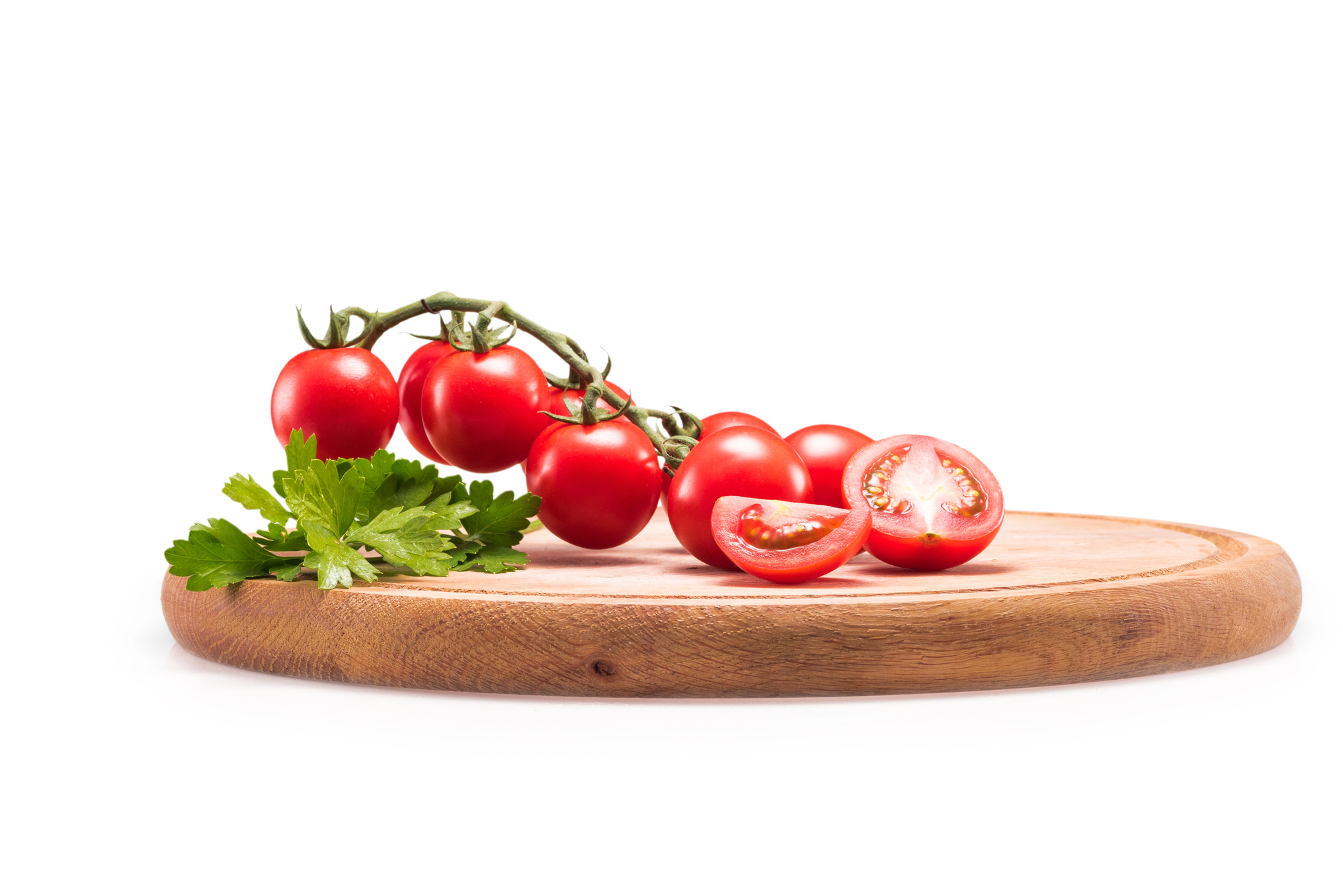
Yes, but with specific techniques. Zone 3 has 90–125 frost-free days, long summer daylight (16–18 hours), and cool nights. These conditions challenge tomato production but do not prevent it. Zone 3 tomato success requires: (1) variety selection under 65 days to maturity, (2) indoor seed starting 10 weeks before transplant, (3) Wall-O-Water or polytunnel season extension, (4) black plastic mulch for soil warming, (5) careful hardening off and transplant timing.
What Zone 3 gardeners get wrong most often: planting standard Ontario/American tomato varieties (Brandywine, Beefsteak, Better Boy), starting seeds too late (mid-March instead of late February), transplanting into cool soil without season extension, and skipping the hardening-off period. Each of these mistakes separately is recoverable; combined, they produce crops of only green tomatoes in October.
Zone 3 Tomato Variety Guide — Tested and Rated
Stupice (52 days): the #1 Zone 3 recommendation from virtually every Prairie extension service and master gardener. Czech heirloom bred for extreme short-season cold-tolerance. Medium 4-cm red fruit, excellent flavour, prolific production. Tolerates cool nights below 10°C that stall other varieties. Widely available from Canadian seed companies. Plant 2–3 per Zone 3 garden as your foundation tomato.
Glacier (55 days): the Stupice alternative. Larger fruit (6-cm) than Stupice with similar cold-tolerance. Good flavour, good keeping quality. Reliable in Edmonton, Calgary, Saskatoon gardens. Often available from Heritage Harvest Seed and other Prairie-focused seed companies.
Sub-Arctic Plenty (52 days): bred at Beaverlodge Research Station in northern Alberta specifically for Canadian Prairie conditions. Small fruit, early-season producer, extremely cold-tolerant. This is the most distinctly Canadian Zone 3 tomato variety — rare to find outside Canada but widely available in Canadian seed catalogues.
Polar Baby (55 days cherry): very early cherry-size tomato. Prolific, sweet, cold-tolerant. Works in all Zone 3 cities. Excellent choice for gardeners who want to add cherry tomatoes alongside larger varieties.
Early Girl (57 days): mainstream hybrid widely available at every Prairie garden centre. Reliable, good yields. Not as cold-tolerant as Stupice or Glacier but succeeds in most Zone 3 conditions. Good choice for beginners or for gardeners who want familiar named varieties.
Sungold (57 days cherry): outstanding orange cherry tomato. Sweet flavour, prolific production, reliable even in cool Zone 3 summers. Plant at least one Sungold per Zone 3 garden — it almost always produces well even in difficult years.
Siletz (52 days): Pacific Northwest cold-tolerant variety that translates well to Zone 3. Medium red fruit, steady production, no green shoulders. Works well in Saskatoon and Regina's dry Prairie conditions.
AVOID in Zone 3 open gardens: Brandywine (85 days), Cherokee Purple (80 days), San Marzano (80 days), Better Boy (72 days), Mortgage Lifter (85 days), Beefmaster (80 days), Black Krim (80 days). These varieties produce only green tomatoes in 90%+ of Zone 3 seasons. Don't be tempted by the flavour reputations — these are not Zone 3 varieties regardless of anything else.
Zone 3 Tomato Seed Starting Calendar
Calgary (June 7 transplant): start tomato seeds February 25–March 4. 10 weeks of indoor growth. Using Wall-O-Waters for early transplant (mid-May): start February 10–17 instead.
Edmonton (June 2 transplant): start seeds February 20–27. Wall-O-Water early transplant (May 10): start February 5–12.
Red Deer (June 10 transplant): start seeds February 28–March 7. Wall-O-Water early transplant (May 18): start February 13–20.
Saskatoon (June 1 transplant): start seeds February 19–26. Wall-O-Water early transplant (May 9): start February 4–11.
Regina (May 30 transplant): start seeds February 17–24. Wall-O-Water early transplant (May 7): start February 2–9.
Winnipeg (June 1 transplant): start seeds February 19–26. Wall-O-Water early transplant (May 9): start February 4–11.
Indoor management: 10-week indoor period requires at least one pot-up from germination cells to 4-inch pots around week 4. For very early starts (early February), a second pot-up to 6-inch pots around week 8 prevents rootbinding. Grow lights running 16 hours daily throughout. Heat mat for germination (remove after sprouting).
Wall-O-Water: Essential Tool for Zone 3 Tomatoes
Wall-O-Water is a water-filled insulating sleeve that surrounds young tomato plants. The 18 vertical water-filled chambers absorb daytime solar heat and release it overnight, creating a 5–8°C warmer microclimate than ambient air. Wall-O-Waters enable Zone 3 gardeners to transplant tomatoes 3–4 weeks before standard dates.
Practical impact: Calgary transplant date without Wall-O-Water = June 7. With Wall-O-Water = May 15 (3 weeks earlier). Those 3 weeks are the difference between a 52-day tomato ripening August 3 vs ripening August 24 — both fine, but the earlier date gives more total production before first frost.
Setup: buy Wall-O-Waters before transplanting (stores sell out in May). Place around each transplant at planting time. Fill the 18 vertical chambers with water in stages — start with 4 chambers, let the plant adjust to the sheltered microclimate, fill the remaining chambers over 3–5 days. The staged filling prevents the sleeve from collapsing inward onto the plant before water stabilizes.
Removal: lift and drain when tomato growth reaches the top of the sleeve (approximately 45 cm), typically 5–7 weeks after placement. Store the sleeves flat for next season. Good-quality Wall-O-Waters last 5–8 seasons with reasonable care.
Cost-benefit: $10–15 per sleeve. A 10-plant garden costs $100–150 upfront. Each productive Zone 3 season with Wall-O-Waters produces significantly more fruit than without — the investment typically pays back in the first or second season through increased harvest.
Site Selection in Zone 3
South-facing exposure: a south-facing garden receives maximum solar radiation and reaches higher summer daytime temperatures. For Zone 3 tomatoes, a south-facing site is worth 2–3°C of average summer temperature — meaningful for fruit ripening. Next-best: southwest or southeast exposure.
Sheltered from wind: Prairie winds stress young tomato plants, dry out containers rapidly, and damage developing fruit. Gardens sheltered by house walls, fences, or windbreak plantings produce more reliably than exposed sites. Planting tomatoes along the south or east side of a house provides both thermal radiation and wind protection.
Black plastic mulch: warm soil to 3–5°C above unmulched surroundings. Install plastic mulch 2 weeks before transplant; soil temperatures should reach 15°C by transplant day. Cut X-shaped holes for each plant at transplant. Leave plastic in place through the growing season.
Raised beds: warm faster in spring than in-ground gardens because exposed sides absorb solar radiation. A 45 cm deep raised bed in Calgary reaches 15°C soil temperature 10–14 days earlier than surrounding in-ground gardens. Effectively adds 2 weeks to the Zone 3 tomato growing season.
Wind-breaks: semi-permeable wind breaks (lattice fences, planted hedges, shrub barriers) reduce wind speed without creating the damaging turbulence of solid walls. Position windbreaks on the prevailing wind side (usually west or north on the Canadian Prairies). Effective windbreaks reduce average wind speed by 50% in the protected zone.
Managing the Zone 3 Tomato Season
May (after transplant or in Wall-O-Waters): plants adjust to outdoor conditions. Growth may appear stalled for 1–2 weeks as roots establish in cool soil. This is normal — don't add fertilizer to stimulate growth yet. Cover with row cloth on nights below 8°C. Monitor forecasts daily for late frost or cold snaps.
June: rapid growth once soil warms to 18–20°C. Tomatoes produce leaves and set fruit rapidly during Zone 3's long (16–18 hour) June days. Stake or cage plants if not already done. Apply balanced fertilizer (20-20-20) at half strength every 2 weeks. Water deeply twice weekly rather than daily shallow watering.
July: peak production month. Long days, warm temperatures, and established root systems drive rapid fruit development. Switch to lower-nitrogen tomato fertilizer (5-10-10) as fruit sets. Maintain consistent moisture to prevent blossom end rot. Begin harvesting cherry varieties around mid-July.
August: peak harvest for most short-season varieties. Stupice, Glacier, Sub-Arctic Plenty ripen continuously through August. Watch for early blight on lower leaves (cool Prairie nights + humid days) and remove affected foliage immediately. Continue deep watering — Prairie August heat stresses plants if water is inadequate.
September: harvest timing becomes critical. First frost arrives in Calgary mid-September, Edmonton late September, Saskatoon and Regina around September 20. Pick ripe fruit daily. Begin picking full-size green fruit 2–3 days before any forecast first frost — green tomatoes ripen indoors over 2–4 weeks.
Green Tomato Management in Zone 3
Reality: Zone 3 first frost arrives before all tomatoes ripen. Even well-chosen short-season varieties leave 20–40% of fruit still green on the vine when September frost threatens. Green tomato management is a Zone 3 skill.
Pre-frost harvest: pick all full-size green tomatoes 2 days before forecast hard frost. Any tomato that has reached full size and has begun showing colour (light green shading toward yellow) will ripen indoors. Very small green fruit (under 3 cm) won't ripen and should be used for green tomato recipes.
Indoor ripening: place single-layer in cardboard boxes or paper bags at 18–21°C. Store in dark or dim locations. Check every 3 days and remove ripened fruit (fully red/orange/yellow depending on variety). Typical ripening time: 2–4 weeks for mostly-green fruit, faster for fruit that was already showing colour at harvest.
Ethylene acceleration: placing a ripe banana or apple in the ripening box releases ethylene gas that speeds tomato ripening. Can reduce ripening time by 30–50%. Don't overdo it — too much ethylene can cause over-ripe soft tomatoes.
Green tomato uses: fried green tomatoes (southern US classic, works excellent with Zone 3 green fruit), green tomato chutney (Indian and British classic preserving recipe), green tomato salsa, green tomato pickles. Zone 3 gardeners with reliable late-season green tomato surplus often develop preserving traditions around these options.
Very small green tomatoes (under 3 cm): use for pickling or composting. Won't ripen to edible red condition indoors. Prairie gardeners often plant cherry tomato varieties (Sungold, Sweet Million, Polar Baby) specifically to minimize green-tomato waste because cherries ripen in 3–4 days from the yellow-green stage.
Frequently Asked Questions
What tomatoes grow best in Zone 3 Canada?
Short-season varieties under 65 days to maturity: Stupice (52), Glacier (55), Sub-Arctic Plenty (52), Polar Baby cherry (55), Early Girl (57), Sungold cherry (57), Siletz (52). Stupice is the most recommended Zone 3 tomato in Canadian seed catalogues and extension recommendations. Avoid long-season heirlooms (Brandywine, Cherokee Purple, San Marzano) — they will not ripen before first frost in 90%+ of Zone 3 seasons.
How early can I transplant tomatoes in Zone 3?
Using Wall-O-Waters: 3–4 weeks before standard transplant date. Calgary: May 15 (vs June 7 standard). Edmonton: May 10 (vs June 2). Saskatoon: May 9 (vs June 1). Without season extension, wait until after last frost and overnight temperatures consistently above 8°C — typically first week of June for most Zone 3 cities. Never transplant before soil reaches 10°C at 10 cm depth.
Do I need Wall-O-Water in Zone 3?
Strongly recommended. Wall-O-Water extends the effective Zone 3 growing season by 3–4 weeks through early transplant, which converts to significantly more ripe fruit before first frost. The $10–15 per sleeve cost is recovered in a single productive season. Alternatives (row covers, cold frames, polytunnels) work but Wall-O-Water is the most practical tool for Zone 3 tomato production specifically.
When does first frost arrive in Zone 3 Canadian cities?
Calgary: September 15. Edmonton: September 25. Red Deer: September 12. Saskatoon: September 20. Regina: September 20. Winnipeg: September 22. Prince George: September 18. Zone 3 first-frost dates cluster around September 12–25 — significantly earlier than Zone 5 or 6 regions. Last expected harvest date is roughly September 10–15 in most Zone 3 cities, with green-tomato harvest happening 2–3 days before forecast first frost.
Why do my Zone 3 tomatoes not ripen?
Most common reasons: (1) variety too long to mature — anything over 75 days won't finish in Zone 3; (2) transplanted into cool soil — waited too long for soil to reach 15°C, stunting early growth; (3) cool summer nights below 14°C slow fruit ripening; (4) excessive nitrogen fertilizer pushed foliage at fruit's expense — switch to 5-10-10 after fruit set; (5) started seeds too late — needed 10 weeks indoors not 8. Address all five factors and Zone 3 tomato production becomes reliable.
About the Author
Landscaping Expert & Writer · Raleigh, North Carolina · North Carolina State University
Jennifer Hall is a professional landscaper and lawn care writer based in Raleigh, North Carolina. She studied landscape horticulture at North Carolina State University, home to one of the country's leading turfgrass programs, and went on to build a specialized landscaping service serving the greater Raleigh-Durham region. Jennifer's expertise spans the Southeast and Mid-Atlantic transition zone, where she advises homeowners on warm-season grass selection, seasonal lawn care calendars, landscape design, and water-efficient gardening. Her writing brings together professional horticultural training and real-world experience in one of America's most challenging grass-growing climates.