Zone 3 Vegetable Gardening in Canada
Published:

Canadian Zone 3 gardens — Calgary, Edmonton, Red Deer, Saskatoon, Regina, Winnipeg, Prince George, Timmins, Whitehorse — have 90–120 frost-free days, long summer daylight hours (16–18 hours), cold winters down to -40°C, and highly variable spring and fall conditions. Success depends on variety selection (under 65 days to maturity), early indoor starts (10 weeks before transplant), season extension tools (Wall-O-Water, row covers, cold frames), and accepting that some crops won't work without greenhouse protection. This guide covers everything that grows reliably, everything that doesn't, and how Zone 3 gardeners extract maximum production from the shortest growing window in mainstream Canadian gardening.
What Zone 3 Means for Canadian Vegetable Growers
Zone 3 in the Canadian hardiness system covers areas with average annual minimum temperatures between -40°C and -35°C. These are Canada's coldest inhabited zones outside the far north. Zone 3a (Winnipeg, parts of Regina) is slightly colder than Zone 3b (most of Saskatoon, Calgary in some years). Both zones share short growing seasons (90–125 frost-free days), intense summer sun, long daylight hours, cold variable springs, and rapid fall temperature drops.
The defining challenge: only 90–125 days between last spring frost and first fall frost. Compare to Zone 6 Toronto at 195 days or Zone 8 Vancouver at 275 days. Everything about Zone 3 vegetable gardening — variety selection, seed starting timing, season extension tools — flows from this short window. Varieties and techniques from longer-season regions simply don't work in Zone 3.
Best Vegetables for Zone 3 Gardens
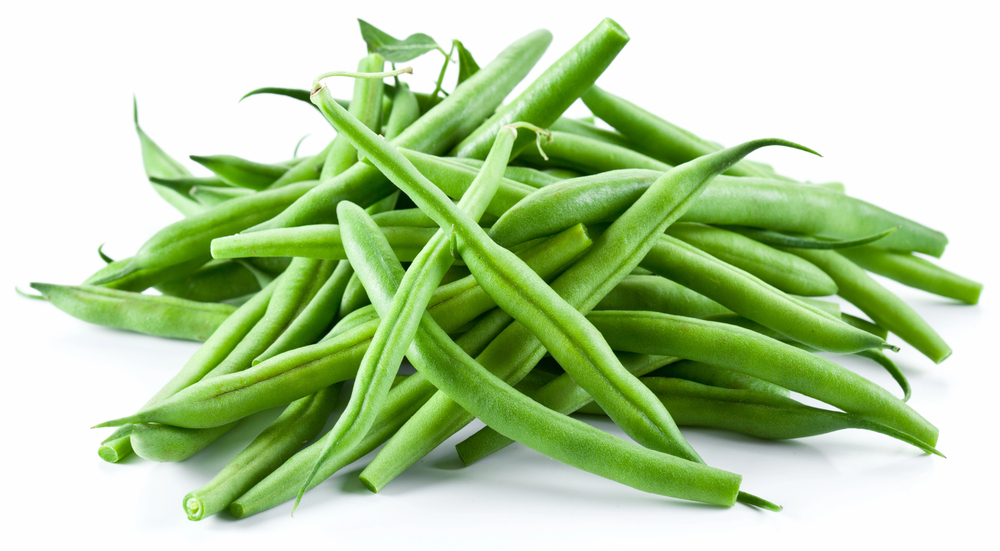
Reliable crops that succeed without special technique: peas (all types — snow, sugar snap, shelling), bush beans (not pole beans), root vegetables (carrots, beets, parsnips, turnips, rutabaga), potatoes (outstanding Zone 3 crop — Red River valley soil is legendary), onions, garlic, leeks, lettuce and salad greens, spinach, chard, kale (extraordinary Zone 3 productivity), broccoli, cauliflower, cabbage, Brussels sprouts, radishes. These crops either have short-season varieties or tolerate Zone 3 conditions naturally.
Possible with effort (short-season varieties + season extension): tomatoes (Stupice, Glacier, Sub-Arctic Plenty under 60 days with Wall-O-Water), zucchini and summer squash (Black Beauty, 50 days), bush cucumbers (Marketmore 76, 60 days), short-season corn (Early Sunglow 62 days — marginal but possible), bush sweet peppers (Ace Bell 55 days — only in warmer parts of Zone 3). Season extension tools required for consistent results.
Not viable without greenhouse: full-size tomatoes (over 75 days — Brandywine, Cherokee Purple), standard peppers (jalapeño, habanero, bell varieties over 70 days), eggplant, melons, watermelon, okra, winter squash with seasons over 90 days, standard pole beans. These crops cannot complete their cycles in Zone 3's 100-day window regardless of technique. Greenhouse-grown with heat supplementation can work, but open-garden culture fails.
Zone 3 winter crops: garlic planted in October overwinters under snow and harvests the following July — one of the most reliable Zone 3 crops. Some Prairie gardeners direct-sow spinach and cold-hardy lettuce in late October for snow-covered overwintering and very-early spring harvest. Hardy winter radishes and turnips can overwinter with mulch cover in some Zone 3 microclimates.
Zone 3 Tomato Varieties — The Definitive List
Tier 1 (proven Zone 3 champions): Stupice (52 days) — the most recommended Zone 3 tomato in Canada. Czech heirloom with excellent flavour and cold tolerance. Glacier (55 days) — outstanding cold-tolerance and flavour. Sub-Arctic Plenty (52 days) — bred at Beaverlodge, Alberta specifically for Canadian conditions. All three varieties succeed year after year across Zone 3 Canada.
Tier 2 (reliable): Polar Baby (55 days cherry), Siletz (52 days), Early Girl (57 days). These varieties work in most Zone 3 conditions with basic season extension. Widely available at garden centres.
Tier 3 (variable success): Bush Early Girl (54 days), Fourth of July (49 days), Juliet (60 days). Can succeed in warmer Zone 3 microclimates (Lethbridge, Medicine Hat, southern parts of Saskatoon) but fail in cooler exposed sites.
Do not attempt in Zone 3 open gardens: Brandywine (85 days), Cherokee Purple (80 days), San Marzano (80 days), Better Boy (72 days), Beefmaster (80 days). These varieties will produce only green tomatoes in 95% of Zone 3 seasons.
Cherry vs beefsteak in Zone 3: cherry tomatoes (Sungold, Sweet Million, Polar Baby) mature faster than beefsteak types because smaller fruit requires less time. Zone 3 cherry tomato yields are often spectacular even in cool summers. Beefsteak tomatoes in Zone 3 are genuinely difficult even with ideal variety selection; cherry tomatoes are easy.
Season Extension in Zone 3
Wall-O-Water: $10–15 per sleeve, extends transplant date 3–4 weeks earlier than standard. A Calgary gardener using Wall-O-Waters can transplant tomatoes May 15 instead of June 7. Essential tool for tomato production in Zone 3. Reusable for 5–8 years with care.
Row covers (Reemay, Agribon, Proteknet): $15–40 per 10m length. Extends spring planting 2 weeks earlier and fall harvest 2–4 weeks later. Protects transplants from frost, wind damage, and insect pressure. Floating covers (supported by hoops) or draped covers (directly on plants) both work. Proteknet 20g/m² is sufficient for Zone 3 frost protection; heavier weights (30g/m²) provide more protection but reduce light.
Cold frames: $50–300 depending on DIY vs commercial. A cold frame extends the growing season by 4–6 weeks on each end. Start seedlings in cold frames in March, move plants outside in late May, finish fall harvest in cold frames into November. Most productive season-extension tool for Zone 3 after Wall-O-Waters.
Polytunnels and greenhouses: $200–1000+ for small structures. Polytunnels extend the season 4–8 weeks on each end and enable growing varieties impossible in open gardens. Small polytunnels (3m × 3m) can be DIY-built with PVC framing and 6-mil plastic for $150–300. Larger structures require proper permits and wind-rated construction.
Black plastic mulch: $20–40 per 15m roll. Warms soil 3–5°C, suppresses weeds, retains moisture. Essential for warm-season crops in Zone 3 — without it, cool spring soils stall tomato and pepper growth for 2–3 weeks after transplant.
Raised beds: warm faster than in-ground gardens (exposed sides absorb solar radiation from multiple angles). A well-built 45 cm deep raised bed in Calgary reaches 15°C a full 2 weeks before surrounding in-ground gardens. Combined with black plastic mulch, raised beds effectively add 3–4 weeks to the Zone 3 growing season.
Zone 3 Seed Starting Schedule
Onions and leeks: start January 27–February 15 for June 2–14 transplant. Long indoor period (14–16 weeks) produces well-developed transplants ready to establish in Zone 3's cool May/June soil. Direct-sowing onions in Zone 3 nearly always fails — the season is too short.
Peppers and eggplant: start February 15–March 4. 10–12 week indoor period. Heat mat essential. Grow lights essential. Even with optimal indoor management, pepper production is marginal in much of Zone 3.
Tomatoes: start February 25–March 10. 10 week indoor period produces mature transplants. Grow lights essential. Choose short-season varieties only.
Brassicas (broccoli, cabbage, kale, Brussels sprouts): start March 20–April 15. 6–8 week indoor period. These cool-season crops actually thrive in Zone 3 summers — the cool nights keep them productive while hot-summer zones see bolting and bitterness.
Direct sow outdoors (after last frost, around June 1 in Calgary): peas, beans, carrots, beets, radishes, turnips, lettuce (succession), spinach (may overwinter if sown late), chard, summer squash, cucumbers, corn.
August plantings for fall harvest: lettuce (8 weeks before first frost), spinach (6 weeks before first frost), radishes (4 weeks before first frost), arugula (6 weeks). These fast-maturing crops extend the productive season through September.
Zone 3 Garden Design for Maximum Production
Site selection: south-facing exposure is worth 2–3 weeks of effective season. A south-facing garden with protection from north winds (house wall, fence, shelter belt) creates a microclimate measurably warmer than surrounding areas. When possible, locate vegetable gardens against south walls rather than exposed yards.
Windbreaks: Prairie winds stress young plants, accelerate soil drying, and reduce effective temperature. Semi-permeable windbreaks (lattice fences, planted hedges) break wind speed without creating turbulence. Solid walls cause wind to jump over and slam down on the far side, actually increasing damage. Plan windbreaks upwind of gardens on the prevailing wind side.
Raised beds: warm faster, drain better, and enable earlier planting than in-ground gardens. 45–60 cm deep raised beds with good compost-amended soil are the Zone 3 gold standard. Even simple 20 cm raised beds improve results. Timber or concrete block construction; avoid treated wood (pressure-treated lumber chemicals leach into soil).
Dark mulches: black plastic or dark organic mulches (dark bark, black landscape fabric with exposed black surface) absorb solar heat and warm soil. Reflective mulches (white plastic, aluminum foil) do the opposite — keep soil cool. Use reflective mulches only if preventing pest establishment (reflective mulches confuse some aphids and thrips) matters more than soil warming. Most Zone 3 gardens benefit from dark mulches.
Shelter planning: tall crops (corn, pole beans — if growing them, sunflowers) shade shorter crops from intense afternoon sun. Plant tall crops on the north side of gardens so they don't shade other vegetables. Strategic tall crop placement can reduce excessive afternoon heat stress on sensitive greens.
What Zone 3 Gardeners Should NOT Try
Standard long-season heirloom tomatoes: Brandywine, Cherokee Purple, Mortgage Lifter, San Marzano, Black Krim. These varieties produce only green tomatoes in Zone 3. Do not waste seed space or indoor grow-light space on them. Stick to under-65-day varieties.
Full-size sweet peppers: California Wonder, Big Bertha, and other 70+ day bell peppers rarely ripen in Zone 3. Choose short-season variants (Ace Bell 55 days, Lipstick 53 days) or buy red peppers from the grocery store and accept that bell peppers are a marginal Zone 3 crop.
Hot peppers over 75 days to maturity: habanero, scotch bonnet, Carolina Reaper — these super-hot peppers need sustained heat and long seasons that Zone 3 cannot reliably provide. Jalapeño (70 days) and Hungarian Wax (65 days) are the reliable hot pepper choices.
Eggplant: standard eggplant varieties (Black Beauty, 80 days) don't produce in Zone 3. Early Midnight hybrid (55 days) is borderline even in Calgary's best years. Most Zone 3 gardeners skip eggplant.
Melons: standard cantaloupe and watermelon varieties need 80–100+ days of sustained heat. Zone 3 can produce marginal harvests only with short-season varieties (Minnesota Midget cantaloupe 70 days, Sugar Baby watermelon 75 days) grown under black plastic mulch in a warm microclimate. Most Zone 3 gardeners skip melons.
Okra, sweet potato: tropical/sub-tropical crops requiring 100+ days of 25°C+ heat. Zone 3 summers don't provide enough sustained warmth. Skip entirely.
Pole beans: 65–80 day varieties that produce later and longer than bush beans. Zone 3's short season means pole beans produce less total than bush beans (which produce heavily in a concentrated 4-week window). Choose bush varieties.
Corn (except short-season varieties): standard sweet corn (80–100 days) rarely matures in Zone 3. Only short-season varieties (Early Sunglow 62 days, Polar Vee 55 days) have any chance, and even these fail in cool summers. Many Zone 3 gardeners save corn-growing ambitions for Zone 4+ locations.
Frequently Asked Questions
Can you grow tomatoes in Zone 3?
Yes, with short-season variety selection (under 65 days to maturity) and ideally Wall-O-Water season extension. Reliable Zone 3 tomato varieties: Stupice (52 days), Glacier (55 days), Sub-Arctic Plenty (52 days), Early Girl (57 days), Sungold cherry (57 days). Start seeds indoors 10 weeks before transplant date. Standard tomato varieties over 75 days to maturity do not ripen in Zone 3 and should be avoided.
What vegetables grow best in Zone 3 Canada?
Reliable Zone 3 crops: peas (all types), bush beans, all root vegetables (carrots, beets, parsnips, turnips), potatoes (outstanding Zone 3 crop), onions, garlic, leeks, lettuce and salad greens, spinach, chard, kale (exceptional Zone 3 productivity), broccoli, cauliflower, cabbage, Brussels sprouts, radishes. Cool-season crops actually thrive in Zone 3's cool nights while hot-summer zones see bolting and bitterness.
Is Zone 3 too cold for peppers?
Borderline. Standard pepper varieties (70+ days) fail in most of Zone 3. Short-season varieties (Ace Bell 55 days, Early Jalapeño 65 days) can produce in Zone 3 with season extension but yields are inconsistent. Many Zone 3 gardeners skip peppers entirely or buy transplants rather than seed-starting. Southern edges of Zone 3 (Lethbridge, Medicine Hat) have slightly better pepper success than central Zone 3 (Calgary, Edmonton).
How do I extend the season in Zone 3?
Five main tools: (1) Wall-O-Water sleeves add 3–4 weeks to transplant date, (2) Row covers extend planting 2 weeks earlier and fall 2–4 weeks later, (3) Cold frames add 4–6 weeks on each end, (4) Polytunnels add 4–8 weeks on each end, (5) Black plastic mulch warms soil 3–5°C and extends growing period. Combining tools (Wall-O-Water + black plastic mulch + raised beds) can effectively add 4–6 weeks to Zone 3's growing window.
What's the difference between Zone 3a and Zone 3b?
Zone 3a (Winnipeg, parts of Regina, northern Saskatchewan) has average annual minimum temperatures of -40°C to -37.2°C. Zone 3b (most of Saskatoon, Calgary in some years) has averages of -37.2°C to -34.4°C. The 3°C difference between 3a and 3b is marginal for most gardening decisions — both require the same short-season variety selection and season extension techniques. Zone 3a has slightly shorter growing season (90–110 days vs 100–125 in 3b) and more extreme winter cold for overwintering garlic and perennials.
About the Author
Landscaping Expert & Writer · Raleigh, North Carolina · North Carolina State University
Jennifer Hall is a professional landscaper and lawn care writer based in Raleigh, North Carolina. She studied landscape horticulture at North Carolina State University, home to one of the country's leading turfgrass programs, and went on to build a specialized landscaping service serving the greater Raleigh-Durham region. Jennifer's expertise spans the Southeast and Mid-Atlantic transition zone, where she advises homeowners on warm-season grass selection, seasonal lawn care calendars, landscape design, and water-efficient gardening. Her writing brings together professional horticultural training and real-world experience in one of America's most challenging grass-growing climates.