When to Plant Vegetables in Toronto, ON
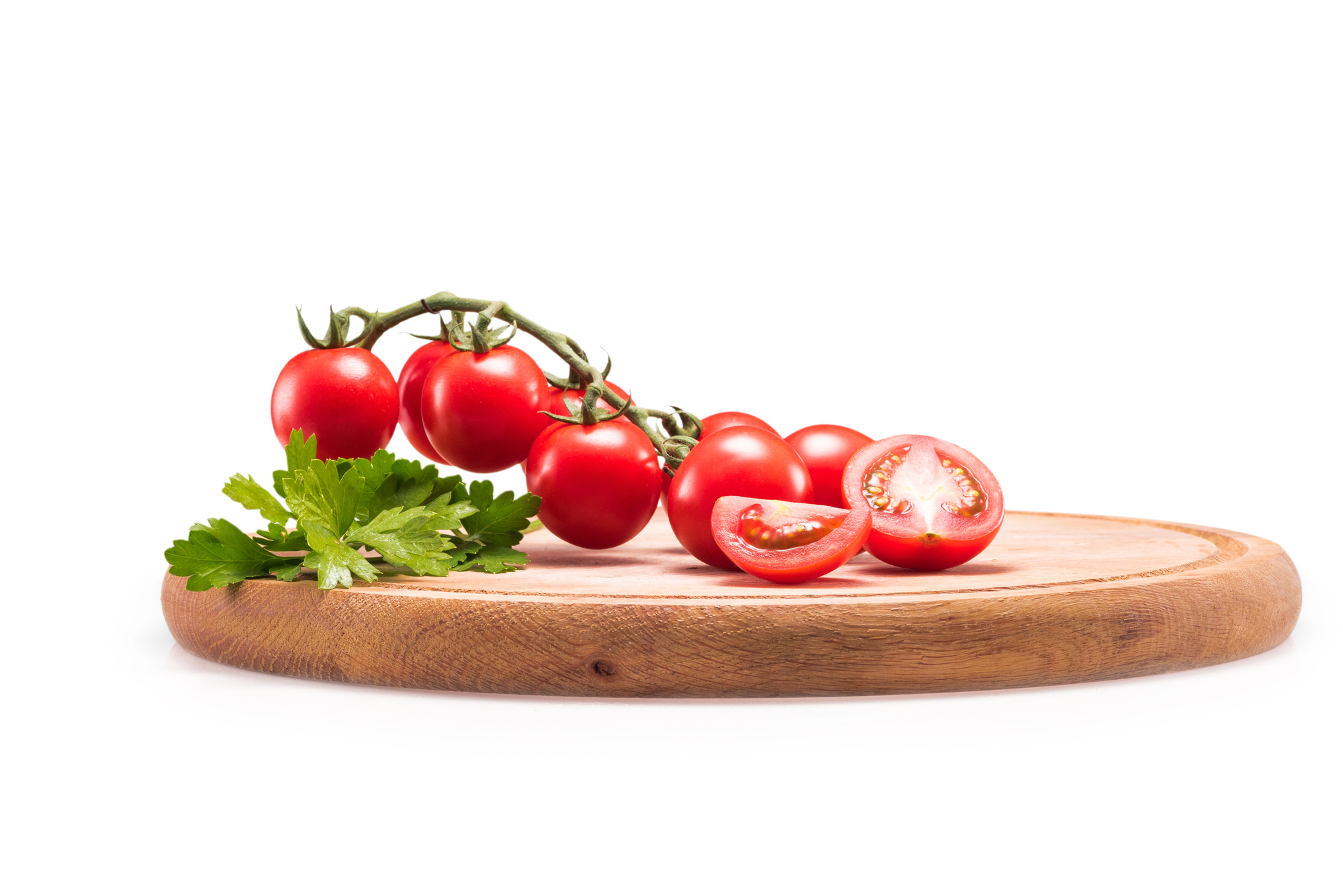
Toronto sits in Canadian Zone 6b (USDA equivalent 6a) along the shore of Lake Ontario. The lake-effect moderation produces warm summers, cold winters, and one of Canada's longest growing seasons at 195 frost-free days. Tomatoes and peppers thrive; warm-season crops ripen reliably from mid-June through early October.
Lake Ontario extends the growing season 2-3 weeks compared to inland Ontario. Toronto gardeners enjoy one of Canada's longest productive windows. Heirloom and heat-loving varieties that struggle farther north (eggplant, melons, sweet potato) succeed reliably here.
Key Dates for Toronto Gardeners
Last Spring Frost
April 20
First Fall Frost
November 1
Seed Start Indoors
Late February to mid-March
Transplant Outdoors
Mid-May after last frost
Understanding Toronto's Growing Seasons
Toronto's Canadian Zone 6b climate gives you one main growing season from last frost (April 20) to first frost (November 1) — approximately 28 weeks to grow warm-season crops from transplant to harvest. Maximising this window with succession planting, early indoor starts, and fall-season extension is the key to Canadian vegetable garden productivity.
Don't rush spring — planting warm-season crops before April 20 risks losing them to late frost. Use the last frost date as your master planning date and work backwards to calculate indoor seed-starting timing.
What to Plant This Month in Toronto
October
Direct Sow Outdoors
Garlic
Harvest
Kale, Broccoli, Lettuce, Spinach, Carrot, Beet, Radish
Tasks
- Complete garlic planting by mid-October and mulch heavily
- Harvest all remaining root crops before hard frost
- Set up cold frames over fall lettuce and spinach
- Clean up garden debris to reduce overwintering pests
- Compost or till in spent plant material
- Apply fall amendments — bone meal, greensand, or lime as needed
Full 12-Month Planting Calendar for Toronto
| Month | Direct Sow | Transplant | Start Indoors | Harvest |
|---|---|---|---|---|
| Jan | — | — | Onion, Lettuce, Broccoli | Kale |
| Feb | Pea, Spinach | — | Pepper, Eggplant, Tomato, Broccoli, Kale, Lettuce | Kale, Spinach |
| Mar | Pea, Spinach, Lettuce, Radish, Carrot, Beet, Cilantro, Onion | Broccoli, Kale, Lettuce | Tomato, Pepper, Basil, Zucchini, Cucumber | Spinach, Kale |
| Apr | Pea, Bean, Carrot, Beet, Radish, Lettuce, Spinach, Corn, Cilantro | Broccoli, Kale, Onion, Lettuce | Zucchini, Cucumber, Eggplant | Radish, Lettuce, Spinach, Pea |
| May | Bean, Corn, Cucumber, Zucchini, Beet, Carrot | Tomato, Pepper, Eggplant, Basil, SweetPotato | — | Lettuce, Spinach, Radish, Pea, Broccoli |
| Jun | Bean, Corn, Cucumber, Zucchini | — | — | Lettuce, Pea, Radish, Bean, Zucchini, Cucumber, Basil, Beet, Carrot |
| Jul | Bean, Carrot, Beet, Lettuce, Cilantro | — | Broccoli, Kale | Tomato, Pepper, Cucumber, Zucchini, Bean, Corn, Basil, Eggplant, Beet, Carrot |
| Aug | Lettuce, Spinach, Radish, Carrot, Beet, Cilantro, Pea | Broccoli, Kale | — | Tomato, Pepper, Eggplant, Cucumber, Zucchini, Bean, Corn, Basil, Onion, SweetPotato |
| Sep | Garlic, Spinach, Radish, Lettuce | — | — | Tomato, Pepper, Eggplant, Carrot, Beet, Bean, Broccoli, Kale, Lettuce, SweetPotato |
| Oct ← | Garlic | — | — | Kale, Broccoli, Lettuce, Spinach, Carrot, Beet, Radish |
| Nov | — | — | — | Kale, Spinach, Lettuce, Carrot |
| Dec | — | — | — | Kale |
Best Vegetables for Toronto
These 10 vegetables are the top picks for Toronto's Great Lakes temperate climate (Canadian Zone 6b). Each one is well-adapted to the local growing season, frost dates, and soil conditions. Locally productive crops include: tomatoes, peppers, cucumbers, squash, kale, lettuce, carrots, beans, peas, garlic.
60-85 days · 10-15 lbs per plant · moderate
Companions: basil, marigold, parsley, carrot
Harvest: Harvest tomatoes when color begins to change from green to their mature color — they will continue to ripen on the counter. For best flavor, never refrigerate tomatoes; instead, place them stem-side down on a countertop out of direct sunlight. If frost threatens, pick all remaining fruit including green tomatoes and ripen them indoors in a paper bag with a banana.
70-90 days · 5-10 peppers per plant · easy
Companions: tomato, basil, carrot, onion
Harvest: Peppers can be picked green for a milder flavor or left on the plant to fully ripen to red, orange, or yellow for maximum sweetness and vitamin C content. Use sharp pruners or scissors to cut the stem rather than pulling, which can damage the branch. Frequent harvesting encourages the plant to produce more fruit throughout the season.
50-70 days · 10-20 cucumbers per plant · easy
Companions: bean, pea, nasturtium, radish, lettuce
Harvest: Harvest cucumbers before they turn yellow, when they are firm and dark green — overripe cucumbers become bitter and seedy. Pick slicing varieties at 6-8 inches and pickling types at 2-4 inches. Check plants daily during peak production, as cucumbers can double in size in just 24 hours and overgrown fruit signals the plant to stop producing.
45-80 days · 1/2-1 lb per plant · easy
Companions: carrot, radish, onion, strawberry, chive
Harvest: Use the cut-and-come-again method: snip outer leaves at the base when they reach 4-6 inches, leaving the central growing point intact to produce new leaves. For head lettuce, harvest the entire plant when it feels firm. Always harvest in the cool morning hours for the crispest leaves, and watch for bolting — once the central stem elongates, leaves turn bitter.
70-80 days · 1 lb per foot of row · moderate
Companions: tomato, lettuce, onion, pea, rosemary
Harvest: Harvest carrots when the top of the root reaches about 3/4 inch in diameter, which you can check by gently brushing soil away from the crown. Loosen soil alongside the row with a garden fork before pulling to prevent breaking the roots. Carrots left in the ground past maturity can crack or become woody, but a light frost actually converts starches to sugars and sweetens the flavor.
240-270 days (fall planted) · 1 bulb per clove planted · easy
Companions: tomato, pepper, lettuce, beet, carrot
Harvest: Harvest garlic when the lower 3-4 leaves have turned brown but 4-5 green leaves remain at the top — each green leaf represents one intact wrapper on the bulb. Dig rather than pull the bulbs to avoid breaking the stems. Cure bulbs in a warm, dry, shaded area with good air circulation for 3-4 weeks, then trim the roots and store in mesh bags or braids.
50-65 days · 1/2 lb per plant per picking · easy
Companions: corn, cucumber, carrot, lettuce, radish
Harvest: Pick green beans when pods snap cleanly and before seeds visibly bulge through the pod walls. Harvest bush beans every 2-3 days to keep plants producing, and pole beans every day during peak season. Never harvest when foliage is wet, as this spreads bacterial diseases between plants.
55-75 days · 1-2 lbs per plant per season · easy
Companions: beet, celery, onion, garlic, dill
Harvest: Harvest kale from the bottom of the plant upward, snapping or cutting the lower leaves and leaving the top rosette intact to keep producing. Kale is one of the few vegetables whose flavor actually improves after a light frost, which converts starches to sugars. In mild climates kale can produce leaves through winter and into the following spring before finally bolting.
24-28 days to first harvest · 1/2-1 cup fresh leaves per week per plant · easy
Companions: tomato, pepper, oregano, lettuce
Harvest: Pinch or cut stems just above a leaf pair to encourage branching — each cut stem will produce two new growing tips, creating a bushier, more productive plant. Always remove flower buds as soon as they appear, because once basil flowers, the leaves lose their essential oils and turn bitter. For the best flavor, harvest in the morning after dew has dried but before the midday heat.
45-60 days · 6-10 lbs per plant · easy
Companions: corn, bean, nasturtium, radish
Harvest: Harvest zucchini at 6-8 inches long for the best texture and flavor — larger fruit become watery and seedy. Check plants every other day because zucchini grows incredibly fast in warm weather. Use a knife to cut the stem rather than twisting, and leave about an inch of stem attached to help prevent rot.
Spring Vegetable Garden in Toronto
Spring planting in Toronto starts with cool-season crops as soon as soil is workable — often 4-6 weeks before last frost (April 20). Peas, spinach, lettuce, and radishes tolerate light frost. Warm-season crops (tomatoes, peppers, basil, beans, cucumbers) go in after April 20. Start tomatoes and peppers indoors 6-8 weeks before April 20 — that means seed-starting around February 18.
Spring Planting Timeline
- 6-8 weeks before last frost (February 18): start tomatoes, peppers, eggplant indoors
- 4-6 weeks before last frost: direct sow peas, spinach, lettuce, radishes
- 2-3 weeks before last frost: transplant broccoli, kale, onion sets
- On last frost date (April 20): direct sow beans, corn
- 1-2 weeks after last frost: transplant tomato and pepper seedlings
- 2 weeks after last frost: direct sow cucumbers, squash; transplant basil
Fall Vegetable Garden in Toronto
The fall garden in Toronto extends the productive season significantly — and many Canadian gardeners skip it. Fast crops planted in mid to late summer harvest before first frost (November 1). Frost-hardy crops (kale, Brussels sprouts, carrots) actually improve in flavour after light frost as plants concentrate sugars.
Fall Planting Timeline
- Mid-July: start broccoli, cabbage, and kale transplants indoors
- Mid-August: transplant brassicas; direct sow beets, carrots, turnips, radishes
- Late August: direct sow spinach, lettuce, arugula for fall harvest
- September: plant garlic cloves for next-year harvest (July-August following year)
- Early October: last garlic planting before ground freezes; harvest fall brassicas and greens
Garlic is one of the most reliable and rewarding crops for Canadian gardens. Cloves planted in fall develop roots before ground freeze, overwinter under snow or mulch, and produce large heads the following July.
Companion Planting Guide for Toronto
Companion planting maximises your garden's productivity by pairing plants that benefit each other. These combinations are drawn from the top vegetables recommended for Toronto's Canadian Zone 6b. Planting companions together helps repel pests, attract pollinators, improve soil fertility, and make the most of limited garden space.
Common Vegetable Garden Pests in Toronto
Attacks: Tomatoes, peppers, eggplant
Identify: Large green caterpillar with white stripes.
Organic control: Handpick or apply BT spray.
Attacks: Brassicas
Identify: Velvety green caterpillars, white butterflies.
Organic control: BT spray and row covers.
Attacks: Most vegetables
Identify: Clusters on undersides of leaves.
Organic control: Strong water spray. Neem oil. Ladybugs.
Attacks: Lettuce, tender foliage
Identify: Irregular holes, slime trails, night-active.
Organic control: Copper barriers, beer traps, iron phosphate bait.
Attacks: Squash, cucumbers, zucchini
Identify: White powdery coating on leaves.
Organic control: Milk spray (1 part milk : 9 parts water). Improve air circulation. Remove affected leaves.
Soil & Growing Tips for Toronto
Moderate climates offer an excellent balance of season length and winter chill, making a wide range of vegetables possible. Take advantage of both spring and fall planting windows. Start cool-season crops outdoors in early March under row covers, and extend the fall season with cold frames. The moderate zone allows two full crops of lettuce, radish, and spinach — spring and fall — maximizing your garden's productivity throughout the year.
Toronto-specific note: Lake Ontario extends the growing season 2-3 weeks compared to inland Ontario. Toronto gardeners enjoy one of Canada's longest productive windows. Heirloom and heat-loving varieties that struggle farther north (eggplant, melons, sweet potato) succeed reliably here.
Seed Starting Guide for Toronto
Your last frost date in Toronto is April 20. Use this as your anchor date — count backwards to know when to start seeds indoors.
| Crop | Weeks Before Frost | Start Indoors | Transplant |
|---|---|---|---|
| Tomatoes | 8 weeks | February 18 | 1-2 weeks after last frost |
| Peppers | 10 weeks | February 4 | 2 weeks after last frost |
| Eggplant | 10 weeks | February 4 | 2 weeks after last frost |
| Broccoli | 6 weeks | March 4 | 2-3 weeks before last frost |
| Cabbage | 6 weeks | March 4 | 2-3 weeks before last frost |
| Cucumber | 3 weeks | March 25 | On or just after last frost |
| Squash | 3 weeks | March 25 | After last frost, soil 15°C+ |
| Basil | 4 weeks | March 18 | 2 weeks after last frost |
Based on average last frost of April 20. Actual dates vary year to year — keep frost cloth available until 2 weeks after your average last frost.
Vegetable Storage Guide for Toronto Harvests
Getting the most from your Toronto garden means knowing how to store each harvest. Improper storage is the most common post-harvest mistake.
| Vegetable | Best Storage | Duration | Key Tip |
|---|---|---|---|
| Tomatoes | Room temperature | 1-2 weeks | NEVER refrigerate — destroys texture and flavour |
| Garlic | Dark, dry, ventilated | 6-12 months | Cure 3-4 weeks before storage |
| Onions | Cool, dark, dry | 3-6 months | Don't store near potatoes |
| Winter Squash | Cool, dry | 3-6 months | Cure 10-14 days at 27-30°C first |
| Carrots | Refrigerator in damp bag | 4-6 months | Remove tops before storing |
| Potatoes | Cool, dark, humid | 3-6 months | Cure 1-2 weeks at 13-18°C before long storage |
| Peppers | Refrigerator | 1-2 weeks | Don't wash until ready to use |
| Beans | Refrigerate or freeze | 5 days fresh, 1 year frozen | Blanch before freezing |
| Lettuce | Refrigerator in damp towel | 1-2 weeks | Keep away from ethylene-producing fruits |
| Basil | Room temp in water | 1 week | Never refrigerate — turns black |
Common Garden Mistakes in Toronto
Even experienced gardeners make mistakes. Here are the most common pitfalls for vegetable gardens in Toronto's Great Lakes temperate climate and how to avoid them.
Waiting too long to start cool-season crops in spring
Fix: In zones 6-7, peas, spinach, and lettuce can go outside in early to mid-March. These crops tolerate light frost and actually grow better in cool weather.
Not starting a fall vegetable garden in late summer
Fix: Begin starting fall brassica transplants indoors in July, and direct sow fall lettuce, spinach, and radish in August for harvest through October and November.
Overwatering clay soils common in moderate zones
Fix: Add organic matter annually to improve drainage, and water deeply but less frequently. Use raised beds if soil is consistently waterlogged.
More Guides for Toronto
Frequently Asked Questions
When should I start planting vegetables in Toronto?
In Toronto (Canadian Zone 6b, Great Lakes temperate), cool-season crops like lettuce, spinach, and peas can be direct-sown as soon as the soil can be worked in spring — usually 2-4 weeks before the last frost (April 20). Warm-season crops such as tomatoes, peppers, and cucumbers should wait until soil temperature reaches 15°C and all danger of frost has passed. Start tomato and pepper seeds indoors late february to mid-march and transplant outdoors mid-may after last frost.
What are the best vegetables to grow in Toronto, ON?
The top vegetables for Toronto's Great Lakes temperate climate (Canadian Zone 6b) include tomatoes, peppers, cucumbers, squash, kale, lettuce. These varieties are well-suited to the local 195-day growing season, frost dates, and soil conditions. See the "Best Vegetables" section above for detailed profiles of each recommended crop.
What Canadian hardiness zone is Toronto, ON?
Toronto is in Canadian Hardiness Zone 6b (roughly equivalent to USDA Zone 6a). This zone determines your frost dates (last spring frost April 20, first fall frost November 1), growing season length of 195 days, and which varieties will thrive in your garden. Canadian hardiness zones differ slightly from USDA zones because they also account for rainfall, snow cover, and other climate factors beyond minimum temperature.
Can I grow a fall vegetable garden in Toronto?
Yes. In Toronto's Zone 6b, cool-season crops like lettuce, spinach, kale, radishes, and broccoli can be planted in mid to late summer for a fall harvest. Count backwards 60-90 days from your first expected fall frost (November 1) to determine your last planting date. Many gardeners find fall-grown greens taste sweeter because cool temperatures convert starches to sugars. Cold frames and row covers extend the fall season another 4-6 weeks.
When should I plant tomatoes in Toronto?
Start tomato seeds indoors late february to mid-march and transplant mid-may after last frost after soil warms to 15°C. Toronto's Great Lakes temperate climate supports longer-season varieties; heat-loving types that struggle elsewhere in Canada thrive here.
Can I grow vegetables year-round in Toronto?
Not without significant season extension. Toronto's frost-free window is approximately 28 weeks (April 20 to November 1). Cold frames, row covers, and low tunnels add 4-6 weeks on each end. Winter gardening is limited to cold-hardy greens (kale, chard, spinach) under protection. Garlic planted in October overwinters and harvests the following July.
Does Canadian Zone 6b differ from USDA Zone 6a?
Canadian hardiness zones are calculated using a broader set of climate variables than USDA zones — including rainfall, snow cover, wind, and elevation — in addition to minimum winter temperature. Toronto's Canadian Zone 6b is roughly equivalent to USDA Zone 6a for plant selection purposes. When using American seed catalogs or garden references, check both zone numbers and adjust for the slight differences between the two systems.