When to Plant Peppers in Ontario
Published:

Peppers are harder to grow than tomatoes in Ontario. They need 8–10 weeks indoors (vs 6–8 for tomatoes), soil temperatures above 15°C before transplanting (vs 10°C for tomatoes), and a heat mat for reliable germination. Most Ontario gardeners who try peppers from seed fail at the germination step because home February temperatures are too cool. Toronto gardeners should start seeds February 15–22 with a heat mat; Ottawa gardeners wait until March 3–10. Transplant outdoors in late May or early June when soil confirms 15°C on a soil thermometer. This guide covers city-by-city timing, variety selection, the heat mat requirement, and why buying transplants often makes more sense than seed-starting for Ontario pepper gardens.
Ontario Pepper Planting Dates by City
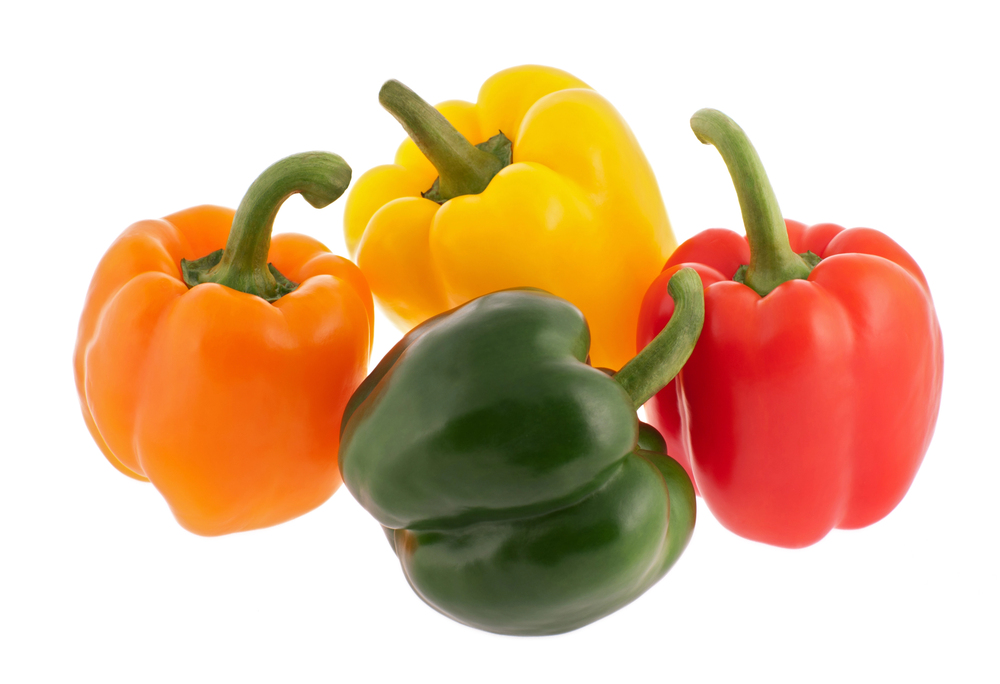
Pepper indoor-start dates are 2–3 weeks earlier than tomato start dates for the same city. The reason: peppers grow more slowly indoors, require more time to reach transplant-ready size (15–20 cm with multiple sets of true leaves), and transplant 1–2 weeks later than tomatoes because they demand warmer soil. Every step takes longer for peppers than tomatoes.
The table shows pepper indoor-start dates for Ontario cities. The "Transplant Outside" column indicates when soil typically reaches the 15°C minimum that peppers require — typically 2–3 weeks later than last frost. Transplanting into cool soil stalls pepper growth for weeks; the plants survive but produce no new growth until soil warms. Waiting for warm soil produces better pepper harvests than transplanting early.
| City | Last Frost | Start Indoors | Transplant (15°C soil) |
|---|---|---|---|
| Toronto | April 20 | February 15–22 | May 25–June 5 |
| Ottawa | May 6 | March 3–10 | June 5–15 |
| Hamilton | April 22 | February 17–24 | May 27–June 7 |
| London | May 3 | February 28–March 7 | May 30–June 10 |
| Kitchener-Waterloo | May 1 | February 26–March 5 | May 28–June 8 |
| Kingston | May 7 | March 4–11 | June 6–16 |
| Windsor | April 21 | February 15–22 | May 25–June 5 |
| Niagara | April 15 | February 9–16 | May 20–30 |
Peppers vs Tomatoes — Why Peppers Are Harder in Ontario
Indoor time: peppers need 8–10 weeks indoors to reach transplant-ready size; tomatoes need 6–8 weeks. The extra time is because pepper germination is slow (10–20 days vs 5–10 for tomatoes) and seedling growth is slower afterward. Pepper plants at 8 weeks indoor growth are smaller than tomato plants at the same age.
Germination temperature: peppers germinate reliably only at 21–27°C soil temperature. Ontario homes in February are typically 18–21°C ambient, which gives cool soil in seedling trays. Without supplemental heat, pepper germination is slow and unreliable — many seeds rot before sprouting. A heat mat (cost $30–50) solves this problem completely. For tomatoes, heat mats improve germination but aren't essential; for peppers, heat mats are nearly mandatory for reliable results.
Transplant soil temperature: peppers need soil at 15°C or warmer before outdoor transplanting. Ontario soils are often still 10–12°C in early May even after last frost has passed. Transplanting peppers into cool soil causes a 'stall' where plants sit unchanged for 2–3 weeks, waiting for soil to warm. Tomatoes tolerate 10°C soil much better and begin growth immediately.
Cold snap sensitivity: a single night below 10°C can stop pepper flower and fruit development for 1–2 weeks. Tomatoes recover from the same cold night more quickly. Ontario's early June cold snaps (occurring every 3–5 years) are more damaging to pepper crops than tomato crops.
The practical result: many Ontario gardeners buy pepper transplants from garden centres rather than starting from seed. A 6-inch transplant at the garden centre in mid-May costs $3–5 and eliminates the germination and early-seedling challenges. For gardeners growing 4 pepper plants, the cost of transplants ($12–20) is less than a bag of seed-starting mix plus a heat mat. Seed-starting makes sense for growing unusual varieties or larger numbers of plants.
Best Pepper Varieties for Ontario
Sweet bell peppers: California Wonder is the reliable mainstream choice, widely available and dependable in Zone 5–7 Ontario. Gypsy (65 days) is an early productive sweet pepper. Lipstick (53 days) is an early thick-walled red bell with superb flavour. King of the North (70 days) is cold-tolerant and bred for northern climates.
Snack-sized sweet peppers: Mini Bell Mix, Lunchbox Snack Peppers — these newer compact varieties mature faster than full-size bells and produce prolifically. Excellent for Ottawa and eastern Ontario where full-size bells are marginal. 55–60 days to maturity.
Hot peppers: Jalapeño (70 days) is the reliable standard. Hungarian Wax (70 days, medium heat) is prolific and dependable in Ontario Zone 5–6. Cayenne (75 days) works in Zones 6–7. Habanero (95 days, very hot) works only in Niagara, Windsor, and Toronto's warmest microclimates — Ottawa gardeners rarely succeed with habaneros.
Short-season options for eastern Ontario (Ottawa, Kingston): Ace Bell (55 days), New Ace (60 days), Ring-O-Fire Cayenne (60 days) — faster-maturing varieties that ripen before Ottawa's September slowdown. Full-size peppers in eastern Ontario require these short-season varieties.
Container varieties: Pot-A-Peno (60 days jalapeño for containers), Mohawk (60 days miniature bell), Mini Bell Mix work well in 20L containers on Ontario balconies. Container peppers mature earlier than in-ground peppers due to warmer soil (containers warm faster than ground soil) — a Toronto balcony can produce ripe bell peppers a week earlier than a garden bed.
Heat Mat — Is It Necessary in Ontario?
Yes, for peppers. Pepper seeds germinate poorly below 21°C soil temperature. Ontario homes in February typically keep ambient temperatures at 18–21°C — which gives seed-tray soil temperature of 16–19°C. At these temperatures, pepper germination takes 15–25 days with only 40–60% germination success. Many seeds rot in the cool wet soil before sprouting.
A heat mat under seed trays raises soil temperature to 24–27°C regardless of room temperature. At the correct soil temperature, peppers germinate in 7–10 days with 85–95% success. The heat mat is the single biggest upgrade an Ontario pepper seed-starter can make.
Heat mat selection: budget heat mats ($25–35) warm 2 standard seed trays. Thermostat-controlled mats ($50–80) maintain precise temperature and prevent overheating. For pepper-specific use, a thermostat-controlled mat set to 25°C is ideal — hot enough for fast germination without burning seeds.
Remove heat mat after germination. Once seedlings emerge, they prefer cooler soil (20–22°C) for healthy root development. Leaving peppers on heat mats post-germination produces leggy weak seedlings. Germinate on the mat, then move off-mat to standard growing conditions.
Alternative: a seedling heating cable wrapped in soil of a larger bed warms a 2–3 square foot area to suitable germination temperature. More expensive and setup-intensive than a simple heat mat but allows larger-scale pepper seeding. Appropriate for gardeners growing 100+ pepper seedlings.
The 15°C Soil Threshold — How to Test It
Peppers stall completely when transplanted into soil below 15°C. The plants don't die — they survive — but root growth stops, leaf expansion halts, and new flower formation doesn't happen. Plants sit in this stalled state for 2–3 weeks until soil warms, at which point they finally resume growth but have lost valuable production weeks.
Soil thermometer: a basic digital soil thermometer ($10–15) gives accurate readings at transplant depth (10 cm below surface). Measure morning temperature at the actual garden bed, not reported air temperature. Soil temperature lags air temperature significantly — a week of warm days may still leave soil cool if nights are cold.
Typical Ontario soil warming pattern: southern Ontario (Windsor, Niagara) reaches 15°C by May 15–20; Toronto by May 22–28; London by late May; Ottawa by June 1–5. Eastern Ontario and northern communities may not reach 15°C until June 10–15 in normal years.
Black plastic mulch accelerates soil warming by 3–5°C. Installing black plastic over the garden bed 2 weeks before transplant raises soil to 15°C significantly earlier than unmulched gardens. Leave the plastic in place after transplant, cutting X-shaped holes for each plant. The plastic continues warming soil through the growing season and suppresses weeds.
Raised beds warm faster than in-ground gardens. A raised bed's exposed sides absorb solar radiation and warm the soil from multiple angles. Well-built raised beds in Toronto reach 15°C 10–14 days before surrounding in-ground gardens — effectively extending the pepper season by two weeks.
Protecting Peppers from Cold in Ontario
Row covers: lightweight floating row cover fabric (Reemay, Agribon) over pepper transplants protects against temperatures 2–4°C below ambient. Useful for early transplants in late May where overnight lows may dip to 8°C. Remove covers during the day to allow pollination; replace overnight.
Wall-O-Water: less effective for peppers than tomatoes because peppers don't benefit as much from the warm night microclimate (they need warm soil more than warm air). Tomatoes in Wall-O-Waters transplant 3–4 weeks early; peppers in Wall-O-Waters transplant only 1–2 weeks early because the soil underneath remains cool. Most Ontario pepper gardeners skip Wall-O-Waters entirely.
Cold-snap protection: once peppers are in the ground, monitor overnight forecasts. Temperatures below 10°C for more than 4 hours can damage flower buds and set production back by weeks. Cover plants with bed sheets, inverted buckets, or row cloth on cold nights. Remove covers in the morning.
Container strategy: container peppers can be moved indoors or into a garage when cold is forecast. Many Ontario gardeners start peppers in large containers, move them outdoors in early June, and bring them back inside when fall cold arrives — extending the productive season by 3–6 weeks on each end.
Pepper Aftercare in Ontario
Watering: peppers need consistent soil moisture for fruit set and to prevent blossom end rot. Water deeply 1–2 times weekly rather than shallow daily watering. Drip irrigation or soaker hoses deliver water efficiently and keep foliage dry (reducing disease). Mulch with straw or shredded leaves to retain soil moisture.
Fertilization: peppers benefit from balanced fertilizer (10-10-10 or 20-20-20) at transplant plus one mid-season application. Avoid excess nitrogen — too much nitrogen produces large leafy plants with few peppers. Once fruit begins setting, switch to a lower-nitrogen formula (5-10-10) to encourage fruit production over foliage growth.
Calcium for blossom end rot: blossom end rot (dark leathery spots on fruit bottoms) is caused by calcium uptake failure, usually from inconsistent watering rather than actual calcium deficiency. Deep consistent watering prevents most blossom end rot. Calcium foliar spray can help in severe cases but rarely solves the underlying water management issue.
Disease management: Ontario's humid summers create pressure from bacterial spot and anthracnose. Space plants 45–60 cm apart for airflow. Water in morning at soil level, never overhead. Remove any yellowing leaves. For severe disease pressure, copper-based fungicide applied preventively works.
Harvest timing: bell peppers can be harvested green (immature) or allowed to fully ripen to red, orange, or yellow (depending on variety). Ripe peppers have significantly more flavour and nutritional content but require 2–3 extra weeks on the plant. Ontario's season allows full ripening if peppers are transplanted on time. Hot peppers should always be fully ripened for best flavour and heat development.
Frequently Asked Questions
When do I start pepper seeds indoors in Ontario?
Toronto: February 15–22 (10 weeks before May 25–June 5 transplant). Ottawa: March 3–10 (10 weeks before June 5–15 transplant). Windsor: February 15 (earliest start in Ontario). This is 2–3 weeks earlier than tomato starts. Use a heat mat for reliable germination at 21–27°C soil temperature — peppers germinate poorly without warmth.
Why are my Ontario pepper plants not growing?
Most likely cause: soil temperature below 15°C. Peppers stall completely in cool soil even when air temperature is warm. Check soil with a thermometer — it should read 15°C at 10 cm depth. Transplant later or use black plastic mulch to warm soil. Once soil warms, plants resume growth. Cool nights below 10°C also stall pepper development; row covers or indoor containers help during cold snaps.
Can I grow hot peppers in Ottawa?
Yes, with short-season varieties. Jalapeño (70 days), Hungarian Wax (70 days), and Ring-O-Fire Cayenne (60 days) all produce reliably in Ottawa's 150-day frost-free window. Super-hot varieties like habanero (95 days) and Carolina Reaper (100+ days) rarely ripen in Ottawa — they need longer warm seasons than eastern Ontario provides. Toronto can grow habaneros in sheltered warm microclimates; Ottawa cannot reliably.
Do I need a heat mat to grow peppers in Ontario?
Highly recommended. Pepper germination requires 21–27°C soil temperature for reliable results. Ontario homes in February typically have 16–19°C seed-tray soil (too cool). A heat mat raises soil to 24–27°C and improves germination from 40–60% success rate to 85–95% success. Heat mats cost $30–50 — the single biggest improvement for Ontario pepper seed-starting.
What's the difference between starting tomatoes and peppers?
Indoor time: peppers need 8–10 weeks; tomatoes need 6–8. Heat mat: essential for peppers; helpful but optional for tomatoes. Transplant soil: peppers need 15°C; tomatoes tolerate 10°C. Cold snap sensitivity: peppers stall for 1–2 weeks after a single cold night below 10°C; tomatoes recover more quickly. Overall: peppers are significantly more demanding than tomatoes and many Ontario gardeners buy pepper transplants rather than seed-starting.
About the Author
Landscaping Expert & Writer · Raleigh, North Carolina · North Carolina State University
Jennifer Hall is a professional landscaper and lawn care writer based in Raleigh, North Carolina. She studied landscape horticulture at North Carolina State University, home to one of the country's leading turfgrass programs, and went on to build a specialized landscaping service serving the greater Raleigh-Durham region. Jennifer's expertise spans the Southeast and Mid-Atlantic transition zone, where she advises homeowners on warm-season grass selection, seasonal lawn care calendars, landscape design, and water-efficient gardening. Her writing brings together professional horticultural training and real-world experience in one of America's most challenging grass-growing climates.