When to Plant Cauliflower
Published:
Cool-season brassica that bolts in heat above 24°C. Start seeds indoors 4–6 weeks before last frost and transplant 2–4 weeks before last frost. Needs consistent moisture.
When to plant cauliflower
- Start seeds indoors: 5 weeks before last frost
- Transplant outdoors: 3 weeks before last frost
- Minimum soil temperature: 45°F
- Days to harvest: 55–100 days
- Sun requirement: Full sun (6+ hours)
- Spacing: 18 inches apart
- Water: 1.5 inches per week
- Fall crop: Yes — plant 10 weeks before first fall frost
⚠ Start cauliflower indoors 4–6 weeks before last frost. Transplant 2–4 weeks before last frost. Needs consistent moisture and cool temps — bolts in heat above 75°F.
Growing Tips for Cauliflower
- •Blanch white varieties by tying outer leaves over the head when it reaches egg-size — prevents yellowing from sun exposure.
- •Keep soil evenly moist — drought stress causes small, bitter 'buttoning' heads instead of full curds.
- •Plant fall crops in mid-July to mid-August for October harvest; fall cauliflower is usually larger and sweeter than spring.
- •Use floating row covers at transplanting to block cabbage white butterflies from laying eggs.
Companion Planting for Cauliflower
✅ Plant cauliflower with
- • Onion
- • Celery
- • Dill
- • Beet
- • Chamomile
❌ Avoid planting near
- • Tomato
- • Strawberry
- • Pepper
Common Cauliflower Pests and Problems
Regional pest pressure varies — see your state guide below for state-specific pest calendars and treatment timing.
Cauliflower Planting Dates by State
Select your state for exact sow and transplant dates based on local frost calendars.
Frequently Asked Questions
When do I plant cauliflower?
Start cauliflower seeds indoors 4–6 weeks before your last frost date, then transplant 2–4 weeks before last frost once plants have 4–5 true leaves. In Zones 3–5 this means starting seeds in mid-March; in Zones 7–8, late January. Cauliflower tolerates light frost and actually benefits from cool spring temperatures.
Why is my cauliflower bitter or small?
Bitter or 'buttoned' cauliflower heads come from heat stress (above 24°C), drought, or nutrient deficiency. Cauliflower needs consistent moisture and cool temperatures to form proper curds. Choose heat-tolerant varieties like Snow Crown for warmer climates, or plant for fall harvest when temperatures drop.
Should I blanch cauliflower?
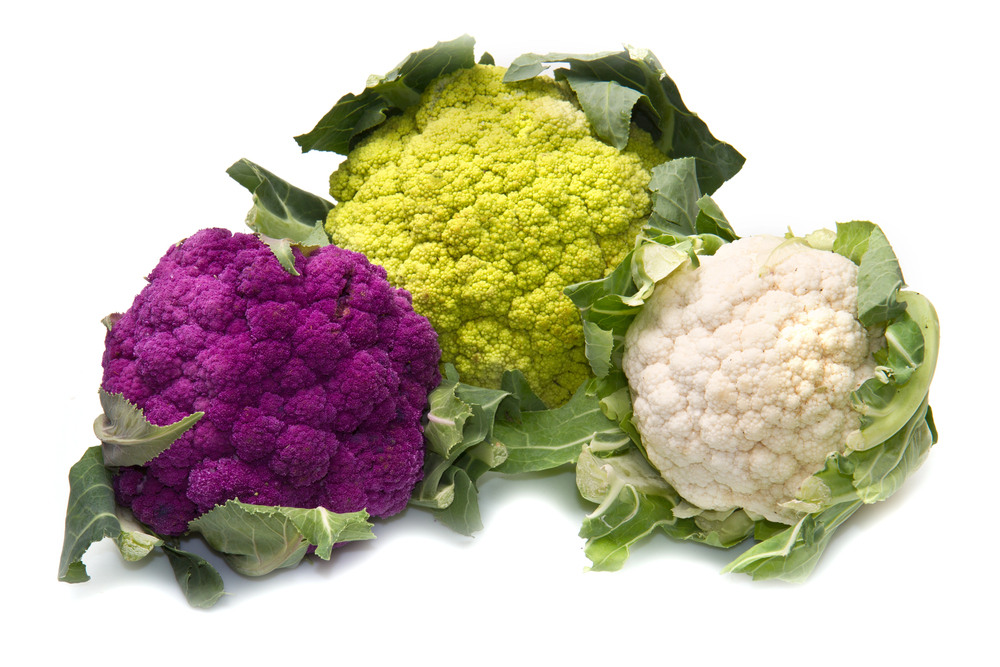
Traditional white varieties benefit from blanching — when the head reaches egg-size, tie the outer leaves over the top with twine or a rubber band to keep sunlight off. This prevents yellowing and preserves the crisp white appearance. Self-blanching and colored varieties (purple, orange, green) don't require this step.
Can I grow cauliflower in the fall?
Fall cauliflower is often easier than spring because plants mature as temperatures cool. Count back 10 weeks from your first fall frost date and plant transplants then — typically mid-July to mid-August in most climates. Fall heads are usually larger, denser, and sweeter than spring crops.
What should I plant with cauliflower?
Onions, celery, dill, beets, and chamomile all do well with cauliflower. Aromatic herbs like dill and chamomile attract beneficial insects that control cabbage worms. Avoid planting near tomatoes, strawberries, or peppers which compete for nutrients and attract overlapping pests.