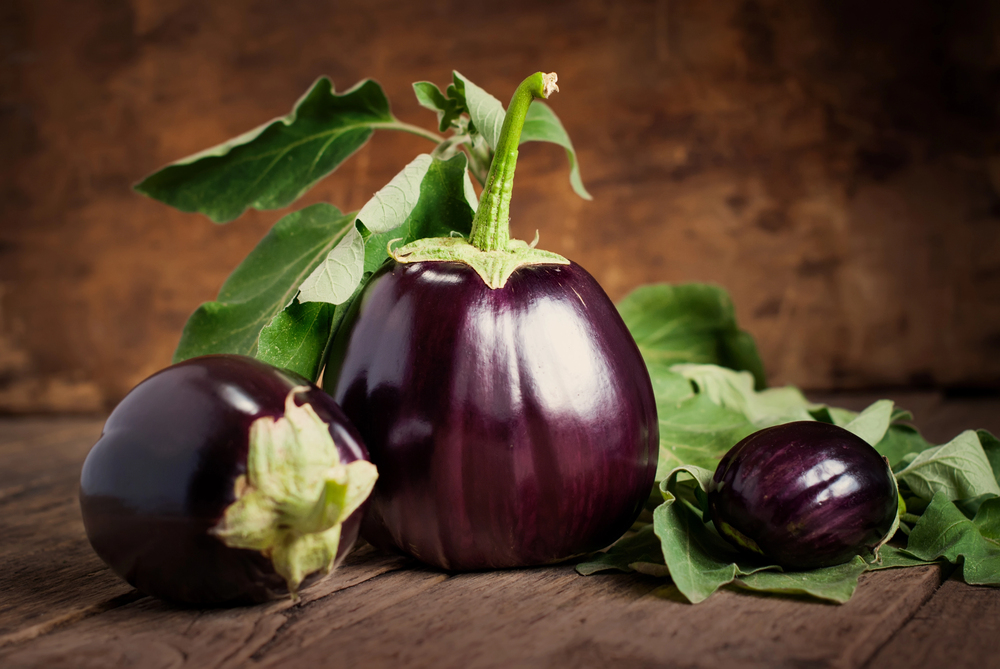
When to Plant Eggplant
Published:
Warm-season nightshade requiring the longest indoor start of any common vegetable — 8–10 weeks before last frost. Needs soil above 15°C and consistent summer heat; intolerant of cold below 10°C.
When to plant eggplant
- Start seeds indoors: 9 weeks before last frost
- Transplant outdoors: 3 weeks after last frost
- Minimum soil temperature: 60°F
- Days to harvest: 65–80 days
- Sun requirement: Full sun (8+ hours)
- Spacing: 24 inches apart
- Water: 1 inches per week
- Fall crop: No — single spring/summer crop only
⚠ Start eggplant indoors 8–10 weeks before last frost — same timing as peppers. Transplant 2–3 weeks after last frost when soil is above 60°F. Needs heat and full sun. Does not tolerate cold — protect from temps below 50°F.
Growing Tips for Eggplant
- •Use a heat mat during germination — eggplant seeds need 24–27°C soil to sprout reliably.
- •Protect transplants from cold spring nights — temperatures below 10°C halt growth for weeks.
- •Use stakes or small cages — eggplant stems bend or break under the weight of mature fruit.
- •Harvest while fruit skin is glossy; dull skin signals an over-ripe, bitter, seedy interior.
Companion Planting for Eggplant
✅ Plant eggplant with
- • Pepper
- • Bean
- • Basil
- • Marigold
- • Tarragon
❌ Avoid planting near
- • Fennel
- • Brassicas
Common Eggplant Pests and Problems
Regional pest pressure varies — see your state guide below for state-specific pest calendars and treatment timing.
Eggplant Planting Dates by State
Select your state for exact sow and transplant dates based on local frost calendars.
Frequently Asked Questions
When do I start eggplant seeds indoors?
Start eggplant seeds indoors 8–10 weeks before your last frost date — the same timing as peppers. Eggplant is one of the slowest warm-season crops to establish from seed and needs a long head start. Use a heat mat to keep soil at 24–27°C for reliable germination.
When can I transplant eggplant outdoors?
Transplant eggplant 2–3 weeks after your last frost date, once soil temperature is above 15°C and nighttime temperatures stay consistently above 10°C. Eggplant is highly sensitive to cold — transplants set out too early simply stop growing until warmer weather arrives.
Why is my eggplant not producing fruit?
Eggplant drops flowers and stops setting fruit below 18°C or above 35°C. Ensure consistent full sun (8+ hours), consistent moisture, and soil warm enough to support active growth. Low pollinator activity can also be a factor — gently shake flowering plants to aid self-pollination.
Can I grow eggplant in cold climates?
Short-season varieties like Fairy Tale (50 days) and Early Black Egg (65 days) succeed in Zones 4–5 with proper technique: start indoors 10 weeks early, use black plastic mulch to warm soil, use row covers until flowering, and choose a sheltered south-facing spot. Expect modest yields compared to Zone 7+.
What should I plant with eggplant?
Peppers share identical care needs. Bush beans fix nitrogen that eggplant needs. Basil, marigold, and tarragon repel flea beetles (eggplant's worst pest). Avoid fennel and brassicas, which compete for nutrients and inhibit eggplant growth.