When to Plant Perennials — 2026 Planting Guide
Published:
Perennials are the backbone of long-term gardens — plants that live for multiple years (most for 4 to 10 years; some for decades) and return reliably each spring. The right planting time depends on your zone and the specific species, but two windows work for most perennials: spring (after last frost when soil reaches 10°C / 50°F) or early fall (6 weeks before first frost). Fall planting in warm zones gives roots time to establish without summer heat stress; spring planting in cold zones gives a full growing season before winter. This guide covers the right window for every US state and the techniques that produce thriving perennial gardens.
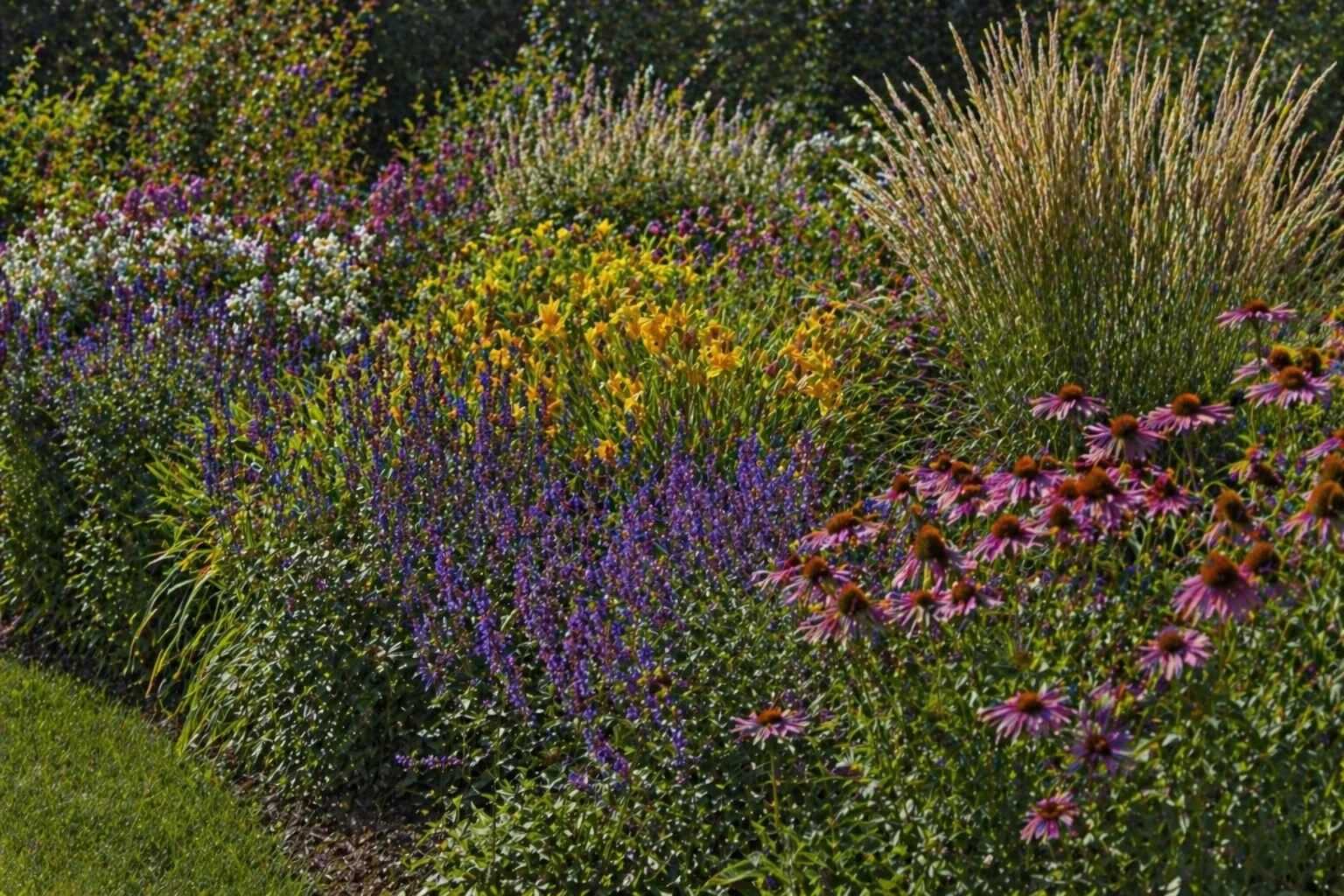
Quick Answer
Plant most perennials in spring (after last frost) or early fall (6 weeks before first frost). Fall planting gives roots time to establish before winter without summer heat stress. Most perennials take 2–3 years to reach full mature size.
Perennials Planting Dates by State
Click your state for the exact perennials planting window, the best varieties for your USDA zone, and a state-specific care calendar. All dates are based on average last frost dates and population-weighted USDA zone primary for each state.
How to Plant Perennials
Sow method: transplant (spring or fall). Below are the practical steps — site selection, depth, spacing, and first-season care — that produce healthy first-year plants. Each step matters; skipping site selection or depth in particular dramatically reduces success rates.
- →Plant in spring (after last frost when soil reaches 10°C / 50°F) or early fall (6 weeks before first frost).
- →Choose a site that matches the perennial's sun and moisture preferences (full sun, part shade, or full shade).
- →Dig planting hole 2x the rootball width; plant at the same depth as the rootball, never deeper.
- →Backfill with native soil amended with compost; firm gently and water deeply.
- →Mulch 5 cm (2 inches) deep with shredded bark; keep mulch 2 cm (1 inch) from the crown.
- →Water deeply twice weekly the first month, then weekly during the first growing season.
- →Apply slow-release fertilizer in spring; most established perennials need only annual spring feeding.
- →Divide perennial clumps every 3 to 5 years in early spring or fall to maintain vigor.
Perennials Care After Planting
First-season care for perennials centers on consistent watering during establishment, light fertilization (or none for low-input species like lavender and natives), and protection from pests during the vulnerable early-season period. Established plants typically need far less attention than first-year plantings — this is the year-by-year payoff for choosing perennial and self-seeding species.
Bloom timing for perennials is varies by type. Match this expected bloom window to your garden design — pair perennials with species that bloom before and after to extend total garden color from spring through fall. Most plants take 1 to 3 full growing seasons to reach mature size and full flowering performance, which is why first-year results often look modest. Plant for the third year, not the first.
Best Perennials Varieties by Zone
The right variety for your garden depends on your USDA zone, sun exposure, and soil. Below are the top perennials cultivars and species for each major US climate region.
Nearly indestructible perennial. Drought-tolerant, deer-resistant, blooms summer for 4 to 6 weeks. Spring or fall planting.
The standard shade perennial. Variegated foliage in many forms. Spring planting; can survive harsh winters reliably.
Drought-tolerant, blue-purple late-summer blooms. Excellent for hot dry sites. Spring planting.
Foliage perennial in dozens of colors. Part shade. Spring or fall planting.
Long-blooming perennial loved by pollinators. Drought-tolerant. Spring or fall planting.
Common Mistakes When Planting Perennials
The most common perennial mistake is expecting first-year performance. Most perennials follow the rule of 'sleep, creep, leap' — the first year they barely grow as roots establish, the second year they reach about half mature size, and the third year they reach full size and bloom. New gardeners often dig up healthy first-year perennials assuming they failed when in fact they were establishing normally.
The second common mistake is planting fall perennials too late. In cold zones (3–6), perennials need at least 6 weeks of root growth before first frost — planting in October or November typically produces winter kill. Plant spring through early September in cold zones; fall planting (September through November) works only in Zones 7+.
Third mistake: skipping division of mature clumps. Most perennials decline in vigor after 3 to 5 years and need to be dug up and divided to maintain blooms. Divide in early spring (cold zones) or fall (warm zones), splitting each clump into 3 to 5 sections each with healthy roots and shoots, and replanting at the original depth. Division revitalizes the parent plant and produces free new plants.
Frequently Asked Questions
When should I plant perennials?
Two windows work for most US zones: spring (after last frost when soil reaches 10°C / 50°F) or early fall (6 weeks before first frost). Spring planting in cold zones (3–6) gives a full growing season to establish; fall planting in warm zones (7–10) avoids summer heat stress. Avoid midsummer planting and late-fall planting in cold zones.
How long do perennials live?
Varies dramatically by species. Short-lived perennials (lupines, columbines, hollyhocks): 3 to 4 years. Standard perennials (Shasta daisy, coreopsis, salvia): 4 to 7 years. Long-lived perennials (peonies, daylilies, hostas): 50+ years. Plant a mix of short and long-lived species for continuous garden evolution.
Do I need to divide perennials?
Most perennials benefit from division every 3 to 5 years to maintain vigor. Signs that division is needed: hollow center on the clump, declining bloom count, smaller flowers than previous years, or visible woody crown above soil. Divide in early spring or fall, splitting into 3 to 5 sections each with healthy roots and shoots.
Why didn't my perennial bloom this year?
Several common causes: first-year planting (perennials follow 'sleep, creep, leap' — first-year focus is on root establishment, not blooming), insufficient sun (less than 6 hours for sun-loving perennials), late frost killing buds, excess nitrogen pushing leaves at the expense of flowers, or the plant needing division (older clumps lose vigor).
What's the difference between perennials and annuals?
Annuals complete their life cycle in one growing season — they germinate, flower, set seed, and die in one year. They must be replanted each spring. Perennials live multiple years — they die back to the ground each winter (or stay evergreen) and return the following spring from established roots. Perennials cost more upfront but provide better value over 5+ year horizons.