Canadian Flower Planting Guide 2026
Published:
When to plant flowers in Canada by province. Roses, tulips, lavender, and perennials with frost dates, zone maps, and Victoria Day planting guide. Canadian gardens follow a different calendar than US flower-planting content suggests — Victoria Day weekend (third Monday of May) is the traditional safe-to-plant signal for southern Ontario and Quebec, Calgary and Edmonton wait until June 1, and BC coastal gardens start in April. This guide covers the right window for every Canadian province, the cold-hardy varieties bred for Canadian winters, and the indoor seed-starting schedule that gives Prairie gardeners a head start on their short growing season.
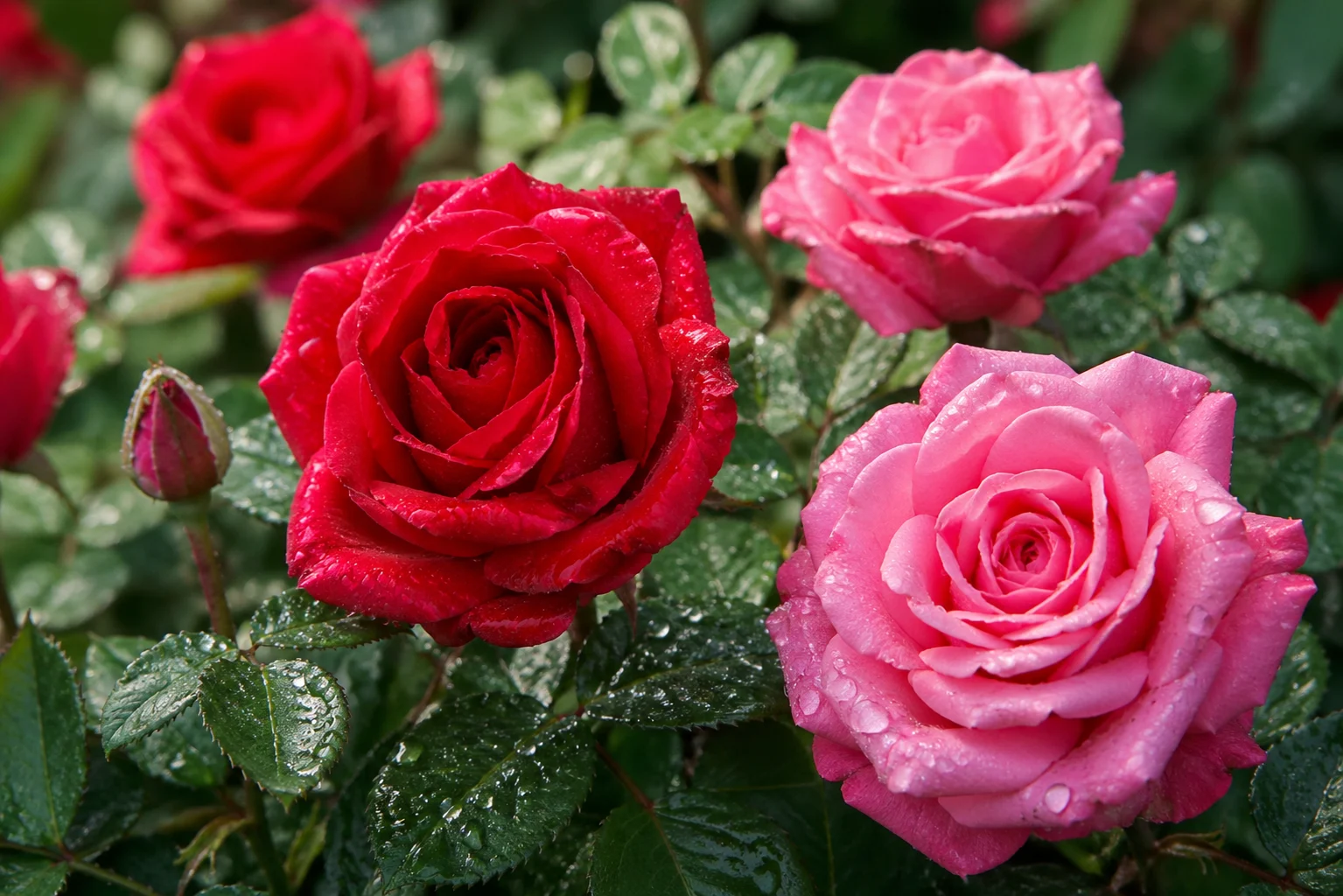
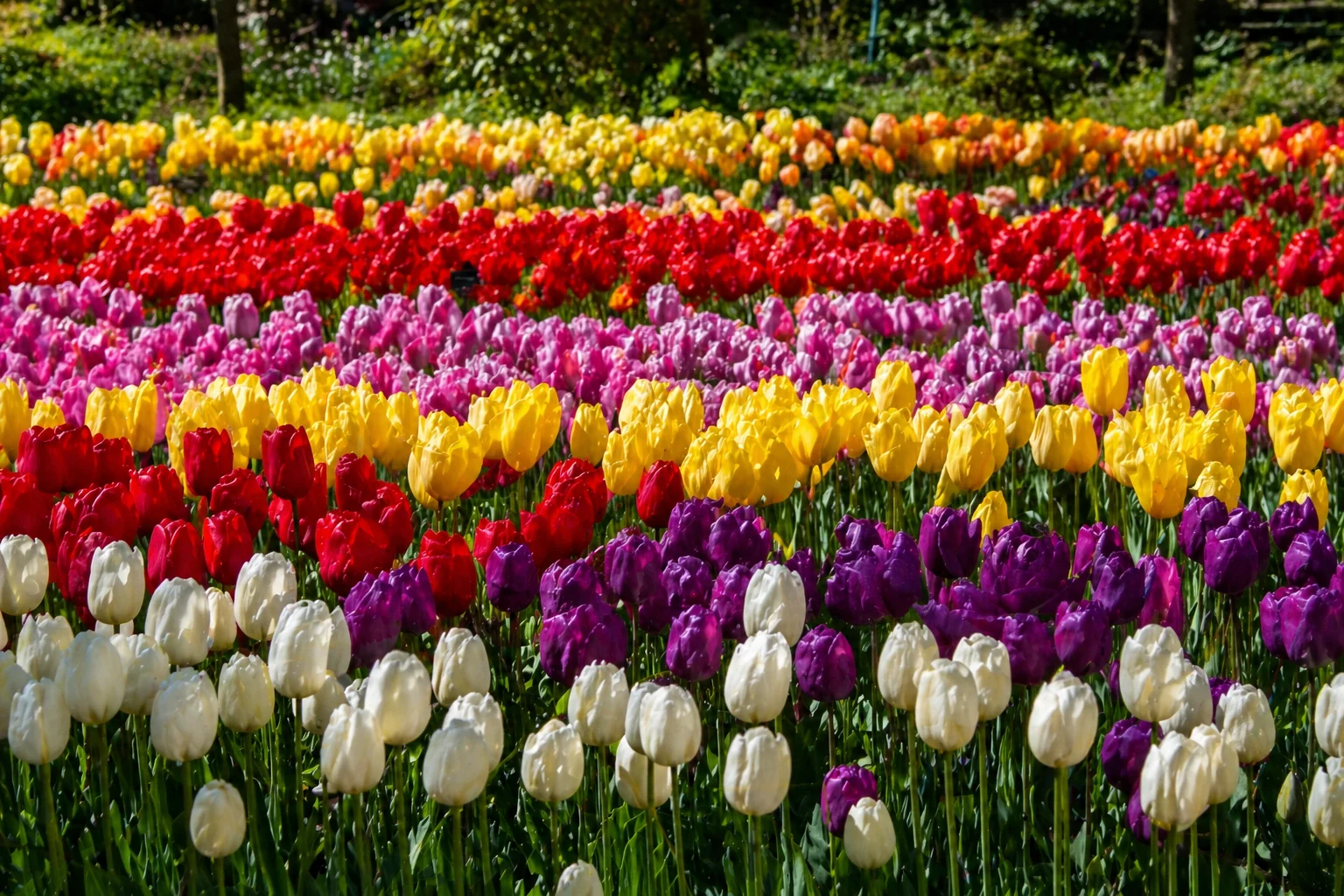
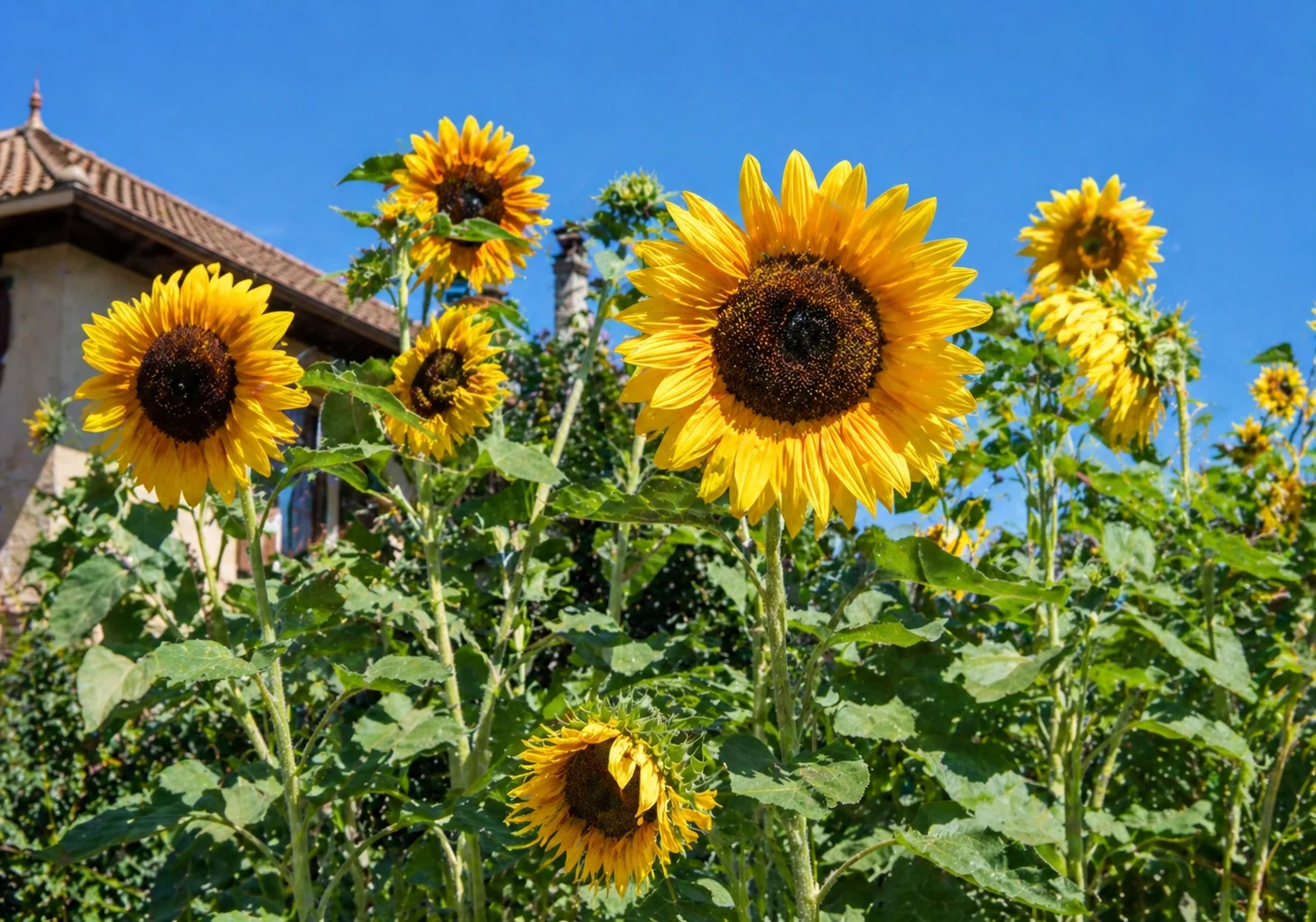
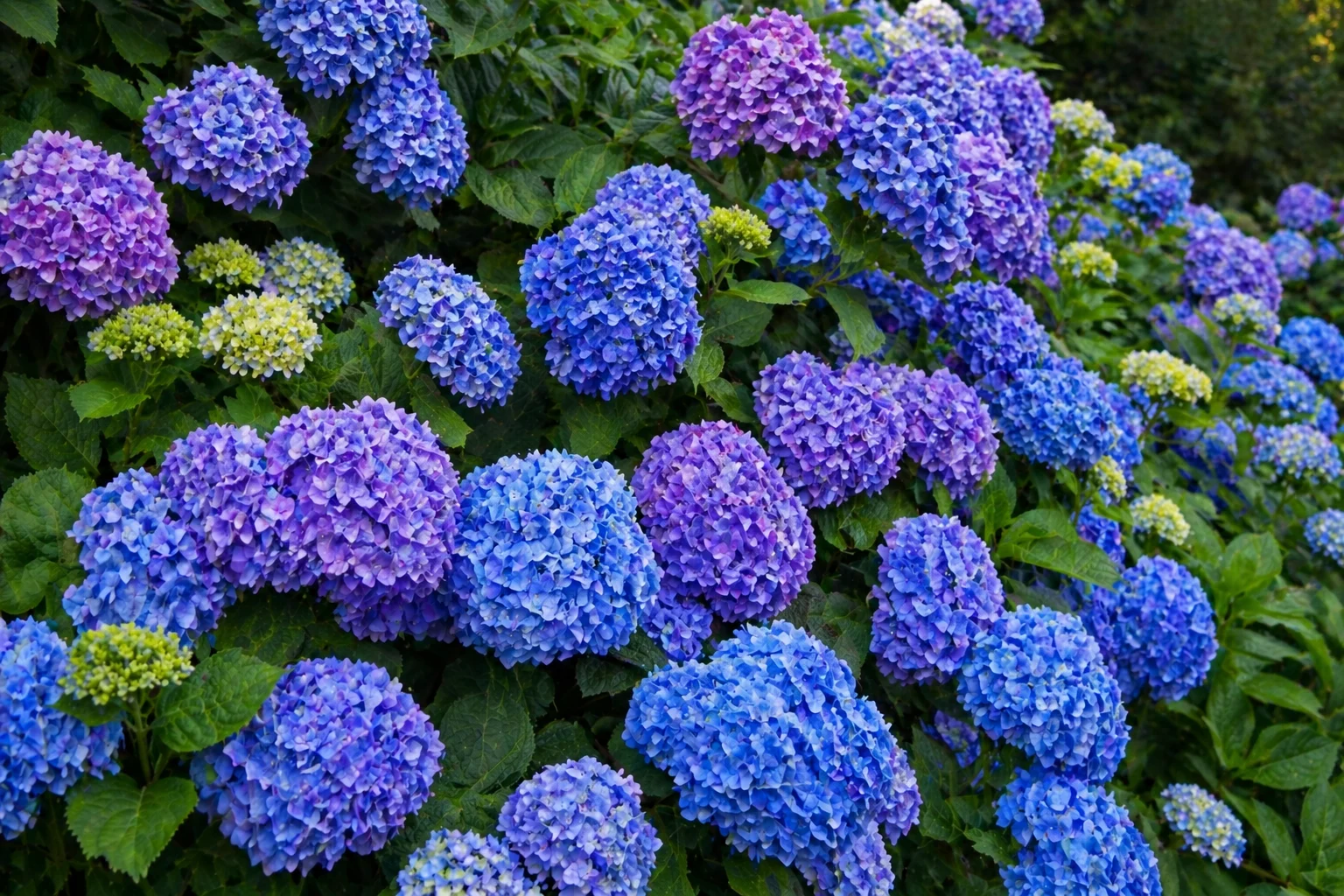
Browse by Flower Type
Each guide below covers the exact Canadian planting window for every province, the best cold-hardy varieties for your zone, and the practical care steps that produce healthy first-year plants.

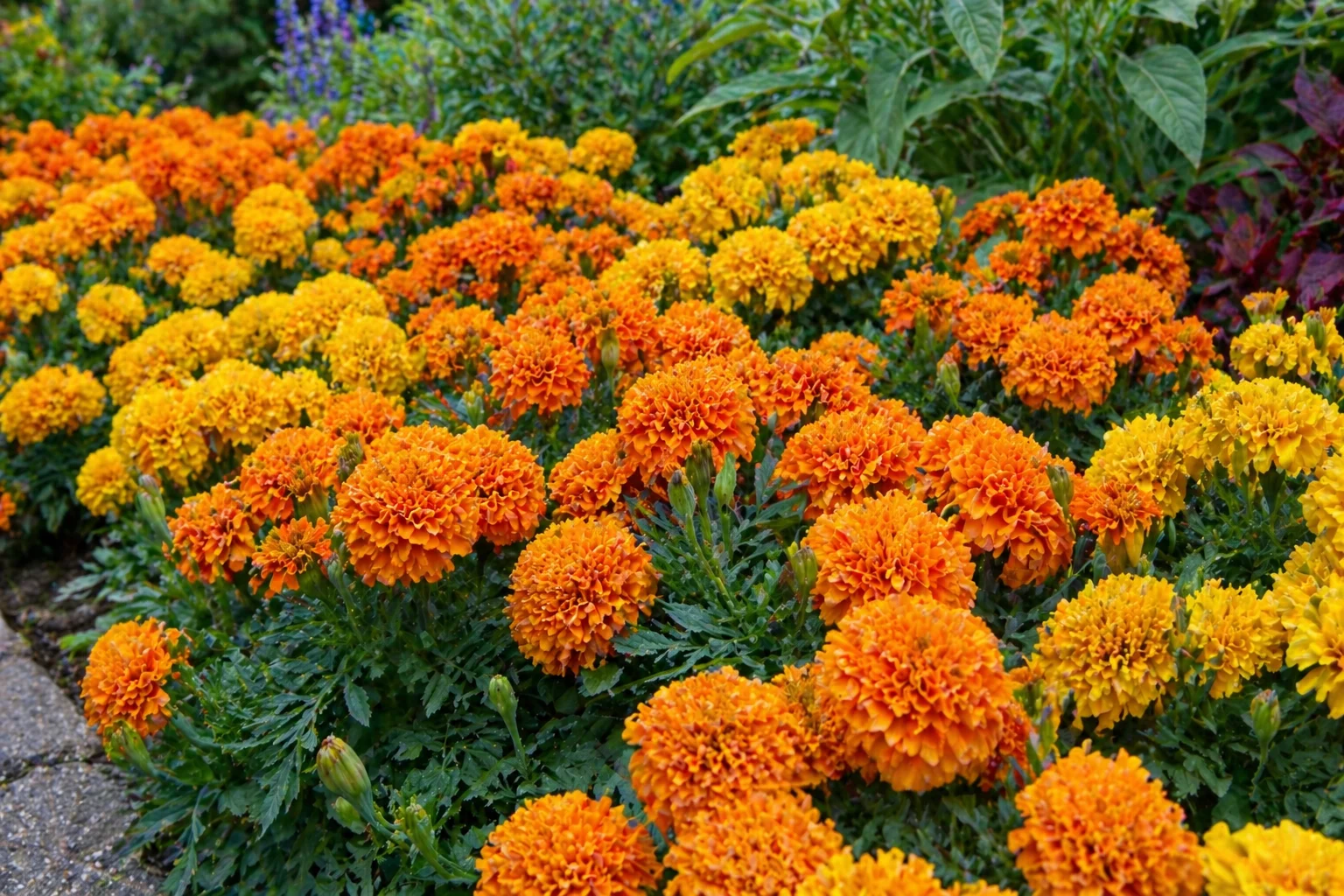
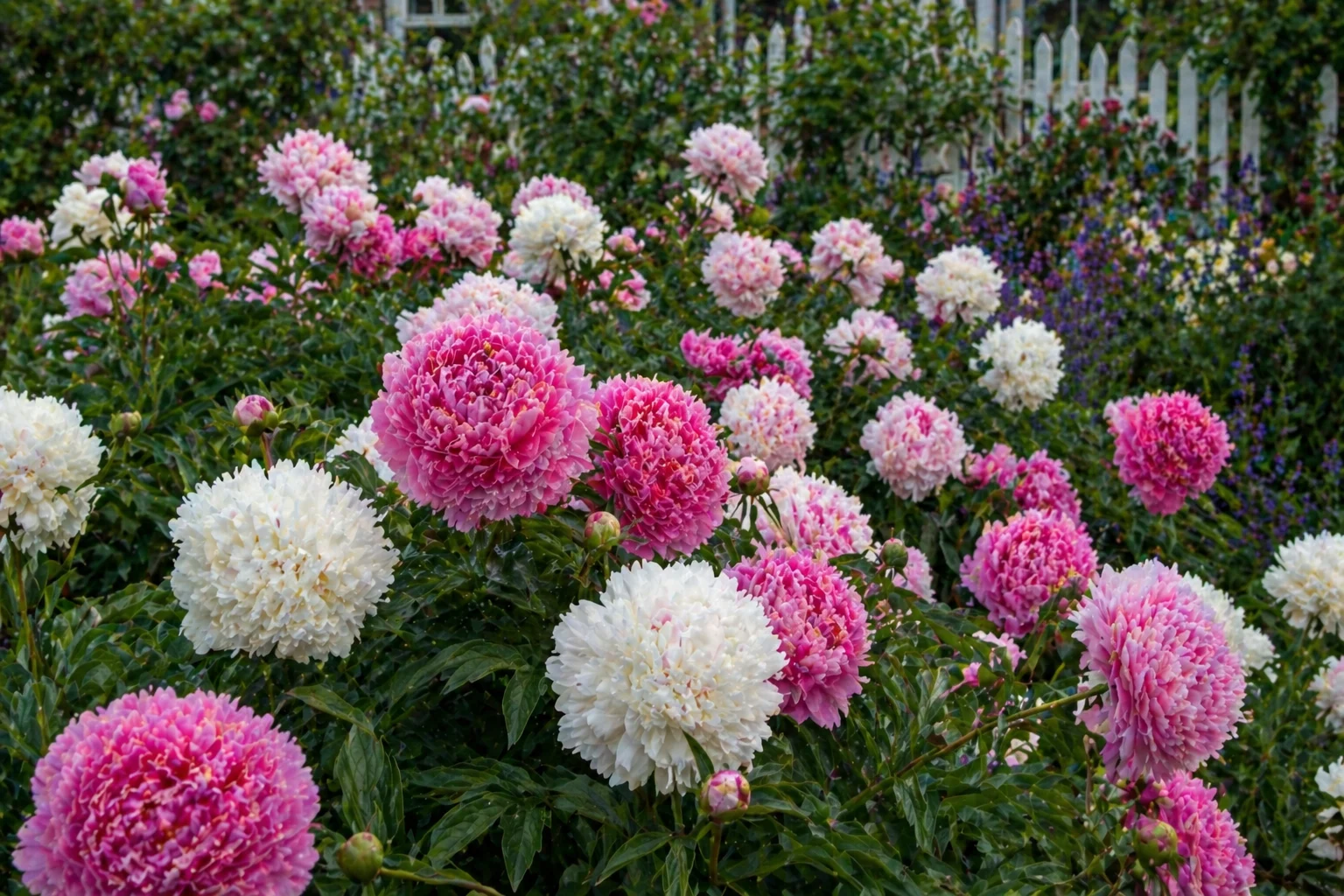



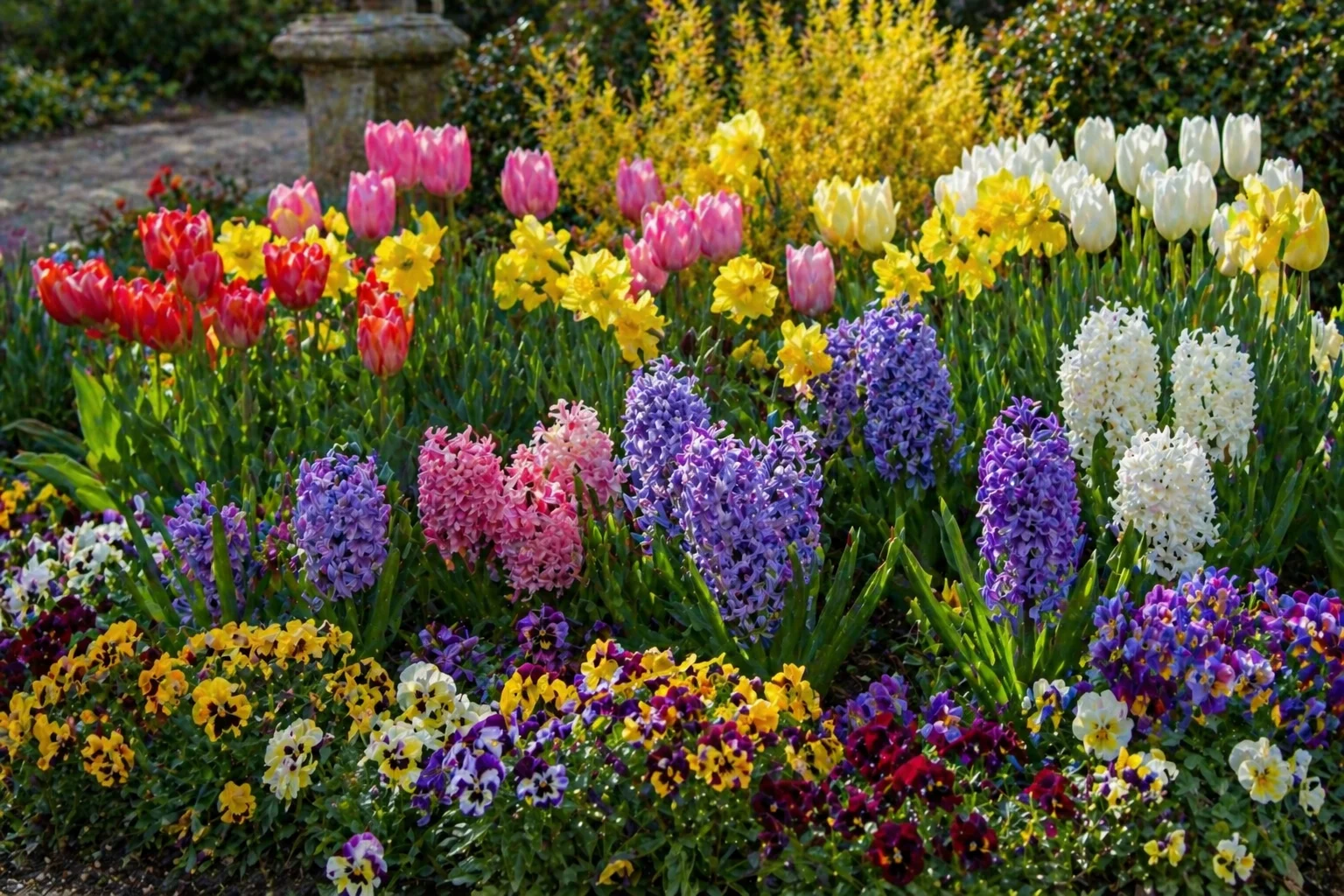

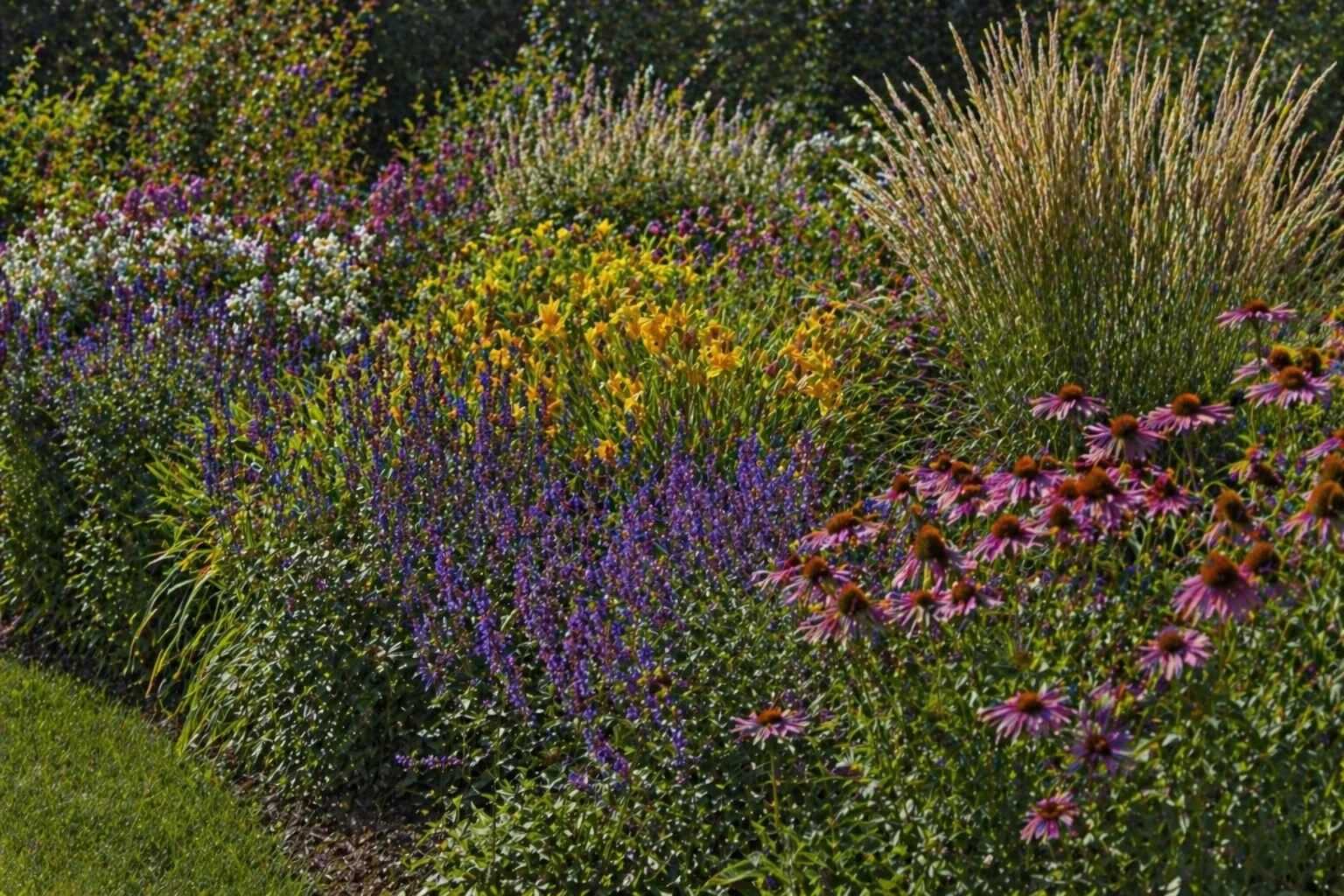

Browse by Province
The Victoria Day Rule — Canada's Planting Signal
Victoria Day (the third Monday of May, May 18 in 2026) is the traditional signal that frost risk has passed for most of southern Ontario, southern Quebec, and Atlantic Canada. The wisdom behind the rule is statistical — last-frost data for Toronto, Ottawa, Montreal, Halifax, Hamilton, and London consistently shows frost risk dropping below 10 percent after May 15 across these regions. For frost-sensitive annuals (marigolds, zinnias, petunias, impatiens, begonias) and warm-season vegetables, Victoria Day weekend is the green light.
The rule does NOT apply uniformly across Canada. BC coastal gardens (Vancouver, Victoria, Sunshine Coast) reach safe planting conditions in April — the Victoria Day rule is too late by 4 to 6 weeks for these gardens. Calgary, Edmonton, Red Deer, and BC interior cities (Kelowna, Kamloops) wait until June 1 for safe planting — the May long weekend is too early by 1 to 2 weeks. The Prairies (Saskatoon, Regina, Winnipeg) split the difference: late May is usually safe, but check the 10-day forecast before transplanting frost-sensitive flowers.
For perennials and hardy plants (peonies, hostas, daylilies, hardy roses), Victoria Day is more flexible — these plants tolerate light frost and can go in earlier in spring or later in fall (6 to 8 weeks before first frost) for fall planting. Bulbs are planted in fall (September through November) regardless of Victoria Day — tulip and daffodil bulbs need to root before winter dormancy.
Canadian Flower Planting Calendar
February (BC coast only): Start slow-germinating annuals indoors — begonias, petunias, pansies. Vancouver and Victoria can begin outdoor cool-season annuals in late February.
March: Indoor seed starting begins across most of Canada. Start petunias, begonias, lavender, and other slow germinators 10 to 12 weeks before last frost. BC coast: transplant pansies and snapdragons outdoors. Bare-root rose planting in BC.
April: BC continues outdoor cool-season planting — pansies, primroses, snapdragons go outside. Ontario and Quebec: still indoor seed-starting season. Ottawa and Toronto can plant cool-season annuals (pansies) outdoors late April. Bare-root rose planting in Ontario and Quebec.
May (early to mid): Cool-season annuals outdoors in Ontario, Quebec, and Atlantic Canada. Plant snapdragons, pansies, calendula. Lavender transplanting in Zone 5+ gardens. Bare-root rose planting in Atlantic and Prairies.
Victoria Day weekend (May 18, 2026): The big planting weekend in Ontario and Quebec. Plant frost-sensitive annuals — marigolds, petunias, zinnias, impatiens, begonias. Direct sow sunflowers, cosmos, and other warm-season flower seeds.
Late May to early June: Prairies safe planting window opens — Saskatoon, Regina, Winnipeg can plant after May 24. Calgary and Edmonton: wait until June 1 to 7. Direct sow sunflowers and cosmos on Prairies.
June: Calgary and Edmonton transplant window. Plant marigolds, sunflowers, petunias after June 1 on the Canadian Prairies. Continue Ontario summer planting — heat-loving annuals (zinnias, vinca) thrive in June heat.
July: Full summer growth across Canada. Plant fall-blooming asters and Korean mums for September display. Deadhead annuals weekly to extend bloom. Prairie peonies in full bloom.
August: Start fall pansies indoors for September planting. Last chance to direct sow quick-blooming annuals (zinnias, cosmos) for September colour.
September: THE MOST IMPORTANT MONTH for Canadian fall bulb planting. Plant tulips, daffodils, crocuses, hyacinths. Plant perennials in Ontario and Quebec for establishment before frost. Calgary and Edmonton: stop planting perennials by mid-September.
October: Last chance for bulb planting in southern Canada. Plant pansies for fall and winter colour in Zone 6+. Mulch perennials before first hard frost. Final rose pruning to reduce wind damage.
November–March: Dormancy across all of Canada. No outdoor planting. Plan next year's garden, order seeds for indoor starting, and review which plants survived the previous winter to inform next year's choices.
Canadian Hardiness Zones for Flowers
Canadian zones differ from USDA zones — generally Canadian zones run about 0.5 to 1 zone colder than the equivalent USDA number. Use planthardiness.gc.ca for your exact postal code.
- Zone 0: Extreme Prairies, Northern territories. Almost no perennial flowers survive.
- Zone 2: Yellowknife, far Northern Manitoba. Hardy peonies, native milkweed, fireweed.
- Zone 3: Saskatoon, Regina, Winnipeg, Moncton. Daylilies, peonies, Siberian iris, native asters.
- Zone 4: Edmonton, Calgary, Fredericton. Most hardy perennials, peonies, hostas, daylilies.
- Zone 5: Ottawa, Halifax, Charlottetown. English lavender, hardy roses, full perennial palette.
- Zone 6: Toronto, Hamilton, London. The widest perennial choices; bigleaf hydrangeas marginal.
- Zone 7: Southern Ontario (Niagara), Vancouver-area Zone 7. All temperate perennials thrive.
- Zone 8: Vancouver, Victoria, BC coast. Tender perennials, year-round blooms in mild winters.
Cold-Hardy Flowers for Canadian Winters
The following flowers reliably survive Canadian Zone 3 to 5 winters without lifting or special protection:
Hardy perennials (Zone 3+): Daylilies (Hemerocallis), purple coneflower (Echinacea), Siberian iris, hardy geraniums, hostas, black-eyed susans (Rudbeckia), creeping phlox, ornamental grasses, sedum (Autumn Joy), peonies, native asters, native milkweed, prairie smoke, golden Alexanders, monarda (wild bergamot).
Hardy bulbs (Zone 3+): Tulips, daffodils, crocuses, grape hyacinths (Muscari), Siberian squill (Scilla), allium (ornamental onion), hyacinths (Zone 4+).
Hardy shrubs (Zone 3+): Panicle hydrangeas ('Limelight', 'Bobo', 'Quick Fire'), Explorer Series roses, smooth hydrangea ('Annabelle'), Rugosa roses, Korean lilac.
Flowers needing lifting for Canadian winter (Zone 3 to 6): Dahlias (lift tubers in October), gladiolus (lift corms after frost), canna lilies (lift rhizomes), tuberous begonias (lift tubers). Store at 4 to 10°C in dry sand, peat moss, or vermiculite. Replant in spring after last frost.
Indoor Seed Starting Schedule for Canada
| Flower | Weeks Before Last Frost | Notes |
|---|---|---|
| Petunias | 10–12 weeks | Slow germinators. Surface sow — needs light to germinate. |
| Begonias | 10–12 weeks | Need 21°C soil to germinate. Use heat mat. |
| Lavender | 10–12 weeks | Very slow germination (3–4 weeks). Cold-stratify first. |
| Marigolds | 6–8 weeks | Fast, easy. Germinates in 5–7 days at 21°C. |
| Snapdragons | 6–8 weeks | Cool-season — can transplant before last frost. |
| Zinnias | 4–6 weeks | Or direct sow after last frost. Easy. |
| Cosmos | 4–6 weeks | Or direct sow. Fast and reliable. |
| Sunflowers | 2–4 weeks | Or direct sow after frost. Doesn't transplant well. |
| Roses | N/A | Buy bare root or container — not started from seed. |
| Tulips | N/A | Fall bulbs — not started indoors. Plant Sept–Nov. |
Frequently Asked Questions
When is it safe to plant flowers in Canada?
After your last frost date. Victoria Day weekend (third Monday of May, May 18 in 2026) is the safe signal for southern Ontario and Quebec. Calgary and Edmonton: wait until June 1. Vancouver: April 15 for most flowers. Use planthardiness.gc.ca for your exact postal code zone.
What flowers survive Canadian winters?
Hardy perennials: coneflowers, black-eyed Susans, Siberian iris, daylilies, hostas, sedum, ornamental grasses. All survive to Zone 3. Avoid tender perennials (dahlias, cannas, gladiolus) without lifting in fall.
When do I plant tulip bulbs in Canada?
Plant tulip bulbs in fall — September through November — before the ground freezes. Tulips need 12 to 16 weeks of cold (below 9°C) to bloom in spring. Southern Ontario and Quebec: October is ideal. Prairies: September is safer before hard freeze.
Can I grow lavender in Canada?
Yes in Zone 5+. English lavender (Lavandula angustifolia) is the hardiest — survives to -28°C with good drainage and snow cover. On the Prairies (Zone 3 to 4), treat as an annual or provide heavy mulch and a south-facing wall for winter protection.
What is Victoria Day and why is it important for planting?
Victoria Day is a Canadian federal holiday on the third Monday of May (May 18, 2026). It marks the traditional safe-to-plant date for southern Ontario and Quebec — the frost risk drops to under 10 percent after this date. It is the most important date in the Canadian gardening calendar for planting frost-sensitive flowers.