When to Plant Perennials in Canada — 2026 Province Guide
Published:
Perennials are the backbone of long-term gardens — plants that live for multiple years (most for 4 to 10 years; some for decades) and return reliably each spring. The right planting time depends on your zone and the specific species, but two windows work for most perennials: spring (after last frost when soil reaches 10°C / 50°F) or early fall (6 weeks before first frost). Fall planting in warm zones gives roots time to establish without summer heat stress; spring planting in cold zones gives a full growing season before winter. This guide covers the right window for every US state and the techniques that produce thriving perennial gardens. For Canadian gardeners specifically, the planting window shifts dramatically by province — BC coast starts in March or April, Ontario and Quebec wait until Victoria Day, and the Prairies hold until June 1. This guide covers province-specific windows, Canadian cold-hardy varieties, and the indoor seed-starting schedule that gives short-season Prairie gardeners a head start.
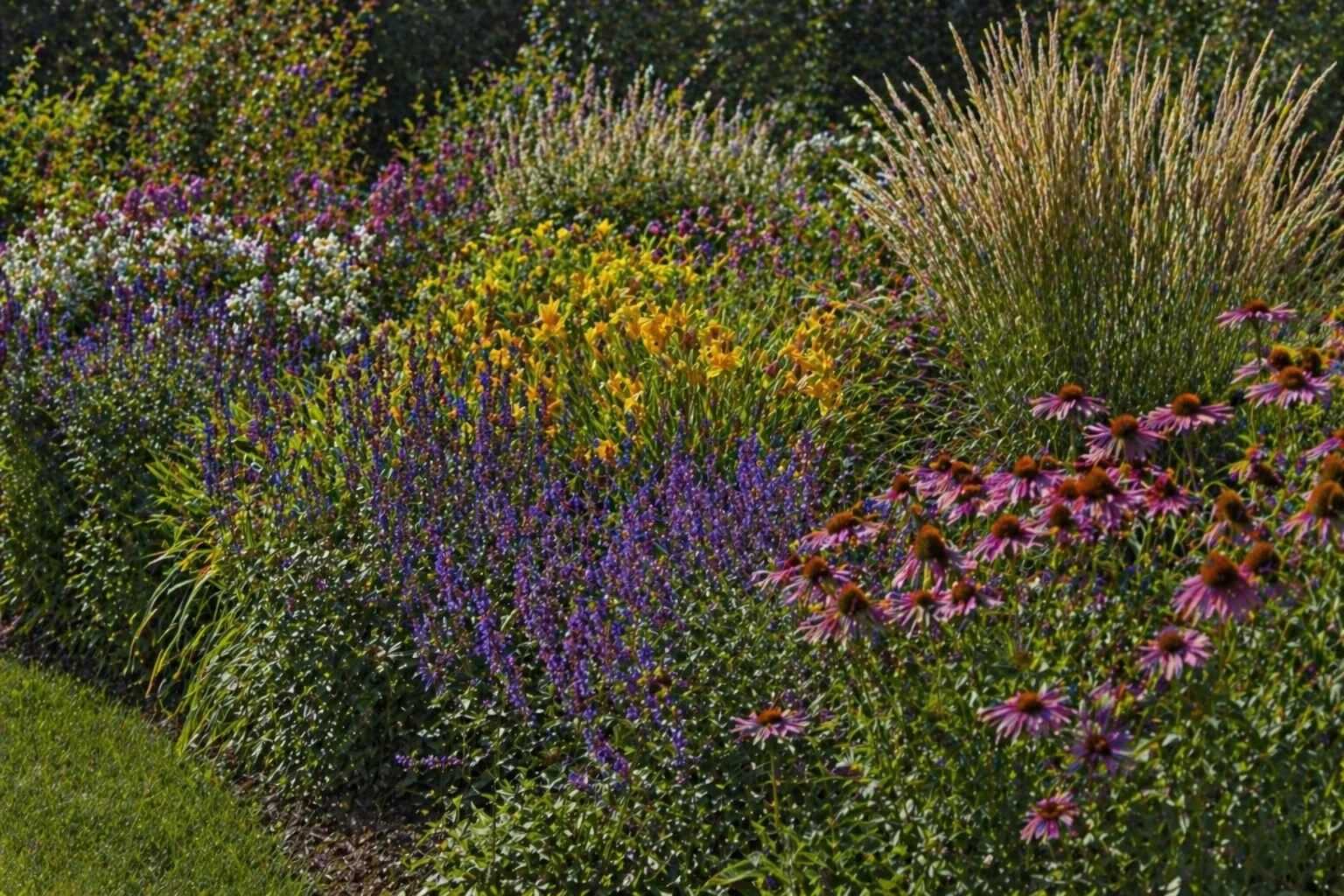
Quick Answer for Canada
Plant most perennials in spring (after last frost) or early fall (6 weeks before first frost). Fall planting gives roots time to establish before winter without summer heat stress. Most perennials take 2–3 years to reach full mature size.
When to Plant Perennials in Canada
| Region | Planting Window |
|---|---|
| BC Coast (Vancouver, Victoria) | March-April or September-October. |
| BC Interior (Kelowna, Kamloops) | April-May or September. |
| Ontario (Toronto, Ottawa) | After Victoria Day (mid-May) or September. |
| Quebec (Montreal, Quebec City) | Late May or early September. |
| Prairies (Calgary, Edmonton, Saskatoon, Winnipeg) | Late May through June or early September. |
| Atlantic Canada (Halifax, Moncton) | Mid- to late May or September. |
Perennials by Province
Perennials by City
Canadian Varieties for Perennials
The following perennials varieties are bred for or tested in Canadian conditions. Match variety to your specific Canadian zone — generic varieties recommended in US guides may not survive Canadian winters.
Nearly indestructible Canadian perennial. Hundreds of cultivars. Drought-tolerant, deer-resistant, blooms summer for 4 to 6 weeks.
The standard Canadian shade perennial. Variegated foliage in many forms. Survives Saskatoon and Winnipeg winters reliably with snow cover.
Drought-tolerant, blue-purple late-summer blooms. Excellent for hot dry Prairie sites in Calgary and Lethbridge.
More cold-hardy than bearded iris. Reliable to Saskatoon and Winnipeg. Long-lived (50+ years in Canadian gardens).
Critical for monarch butterfly conservation. Plant native species (common milkweed, swamp milkweed, butterfly milkweed) — not tropical milkweed.
How to Plant Perennials in Canada
Sow method: transplant (spring or fall). The steps below apply to Canadian climates with seasonal adjustments built in (mulching for winter, frost protection, zone-appropriate timing).
- →Plant in spring (after last frost when soil reaches 10°C / 50°F) or early fall (6 weeks before first frost).
- →Choose a site that matches the perennial's sun and moisture preferences (full sun, part shade, or full shade).
- →Dig planting hole 2x the rootball width; plant at the same depth as the rootball, never deeper.
- →Backfill with native soil amended with compost; firm gently and water deeply.
- →Mulch 5 cm (2 inches) deep with shredded bark; keep mulch 2 cm (1 inch) from the crown.
- →Water deeply twice weekly the first month, then weekly during the first growing season.
- →Apply slow-release fertilizer in spring; most established perennials need only annual spring feeding.
- →Divide perennial clumps every 3 to 5 years in early spring or fall to maintain vigor.
Winter Care for Perennials in Canada
Choose perennials rated for your specific Canadian zone or one zone colder for reliable winter survival. Prairie zones (3-4) require careful variety selection; Ontario/Quebec/Atlantic (4-6) have wider choices; BC coast (Zone 7-8) supports the widest range including tender perennials.
For Canadian gardens specifically, fall preparation is critical. In Zone 3 to 5 (Calgary, Edmonton, Saskatoon, Regina, Winnipeg, Ottawa, Montreal, Halifax), apply 5 to 10 cm of mulch over perennial root zones after the first hard frost — shredded bark, fall leaves, or straw all work. Avoid mulching too early (before consistent freezing) as this can encourage rodent nesting in the warm mulch.
For Zone 6 to 8 (Toronto, Hamilton, London, Vancouver, Victoria), winter protection is less critical but still beneficial — apply 3 to 5 cm of mulch to retain soil moisture during winter dry spells. In coastal BC gardens, winter wet rather than winter cold is the bigger threat — ensure good drainage rather than focusing on cold protection.
Calgary, Edmonton, Saskatoon, Regina, and Winnipeg perennial gardens depend on Zone 3-rated varieties: daylily, peony, Siberian iris, hardy geranium, hosta (in shade), Russian sage, sedum, ornamental grass (little bluestem, switchgrass). Marginal perennials need a south-facing wall microclimate and heavy mulching in fall.
Perennials Monthly Care Calendar for Canada
January–March: Dormant period across Canada. Plan and order seeds. Indoor seed starting begins in March for slow germinators (petunias, lavender, begonias) — 10 to 12 weeks before last frost.
April: BC coast: outdoor planting begins for cool-season perennials. Rest of Canada: continue indoor seed starting; bare-root planting in Ontario.
May (early to mid): Cool-season planting in Ontario, Quebec, and Atlantic Canada. Victoria Day weekend is the standard spring perennial transplanting date in Ontario and Quebec. New perennials need 6 to 8 weeks of root establishment before fall — plant by mid-September latest in Ontario, end of August in the Prairies.
Late May to early June: Prairie planting window. Saskatoon, Regina, Winnipeg can plant after May 24. Calgary and Edmonton wait until June 1 to 7.
June: Peak Prairie planting. Continue Ontario summer growth — deadhead annuals weekly, water deeply once a week.
July–August: Full summer. Established perennials at peak. Deadhead spent blooms to extend the bloom period.
September: Fall planting window in southern Canada. Plant new perennials, divide overgrown clumps, plant fall bulbs (tulips, daffodils). Calgary and Edmonton: stop perennial planting by mid-September.
October: Final mulching. Lift tender perennials (dahlias, cannas) before first hard frost. Stop watering perennials. Last bulb planting in southern Ontario and BC.
November–December: Dormancy. No outdoor work needed. Plan next year, review winter survival.
Common Mistakes Planting Perennials in Canada
The most common Canadian perennial mistake is expecting first-year performance. Most perennials follow the rule of 'sleep, creep, leap' — the first year they barely grow as roots establish, the second year they reach about half mature size, and the third year they reach full size. New Canadian gardeners often dig up healthy first-year perennials assuming they failed when they were establishing normally.
The second common mistake is planting perennials too late in fall on the Prairies. In Calgary, Edmonton, Saskatoon, Regina, and Winnipeg, perennials need at least 6 weeks of root growth before first frost — planting in October typically produces winter kill. Plant May through August; September is the absolute latest in Zone 3-4.
Third mistake: skipping division of mature clumps. Most Canadian perennials decline in vigour after 3 to 5 years and need to be dug up and divided. Divide in early spring (cold zones) or fall (warm zones), splitting each clump into 3 to 5 sections each with healthy roots and shoots, and replanting at the original depth.
Frequently Asked Questions
When can I plant perennials in Canada?
Canadian planting windows for perennials vary by province: BC coast march-april or september-october.; Ontario after victoria day (mid-may) or september.; Quebec late may or early september.; Prairies late may through june or early september.; Atlantic Canada mid- to late may or september..
Are perennials winter-hardy in Canada?
Choose perennials rated for your specific Canadian zone or one zone colder for reliable winter survival. Prairie zones (3-4) require careful variety selection; Ontario/Quebec/Atlantic (4-6) have wider choices; BC coast (Zone 7-8) supports the widest range including tender perennials.
What perennials varieties are best for the Canadian Prairies?
Calgary, Edmonton, Saskatoon, Regina, and Winnipeg perennial gardens depend on Zone 3-rated varieties: daylily, peony, Siberian iris, hardy geranium, hosta (in shade), Russian sage, sedum, ornamental grass (little bluestem, switchgrass). Marginal perennials need a south-facing wall microclimate and heavy mulching in fall.
Should I plant perennials on Victoria Day?
Victoria Day weekend is the standard spring perennial transplanting date in Ontario and Quebec. New perennials need 6 to 8 weeks of root establishment before fall — plant by mid-September latest in Ontario, end of August in the Prairies.
How do I start perennials indoors in Canada?
Most perennials are purchased as nursery transplants. Some can be started from seed indoors 10 to 12 weeks before last frost (lupines, columbines, hollyhocks).