When to Plant Perennials in Vancouver, BC – 2026
Published:
Vancouver is in Canadian Zone 8a (Pacific Maritime). Last spring frost averages March 1; first fall frost December 1; the growing season runs about 274 frost-free days. Plant perennials in Vancouver from march-april or september-october..
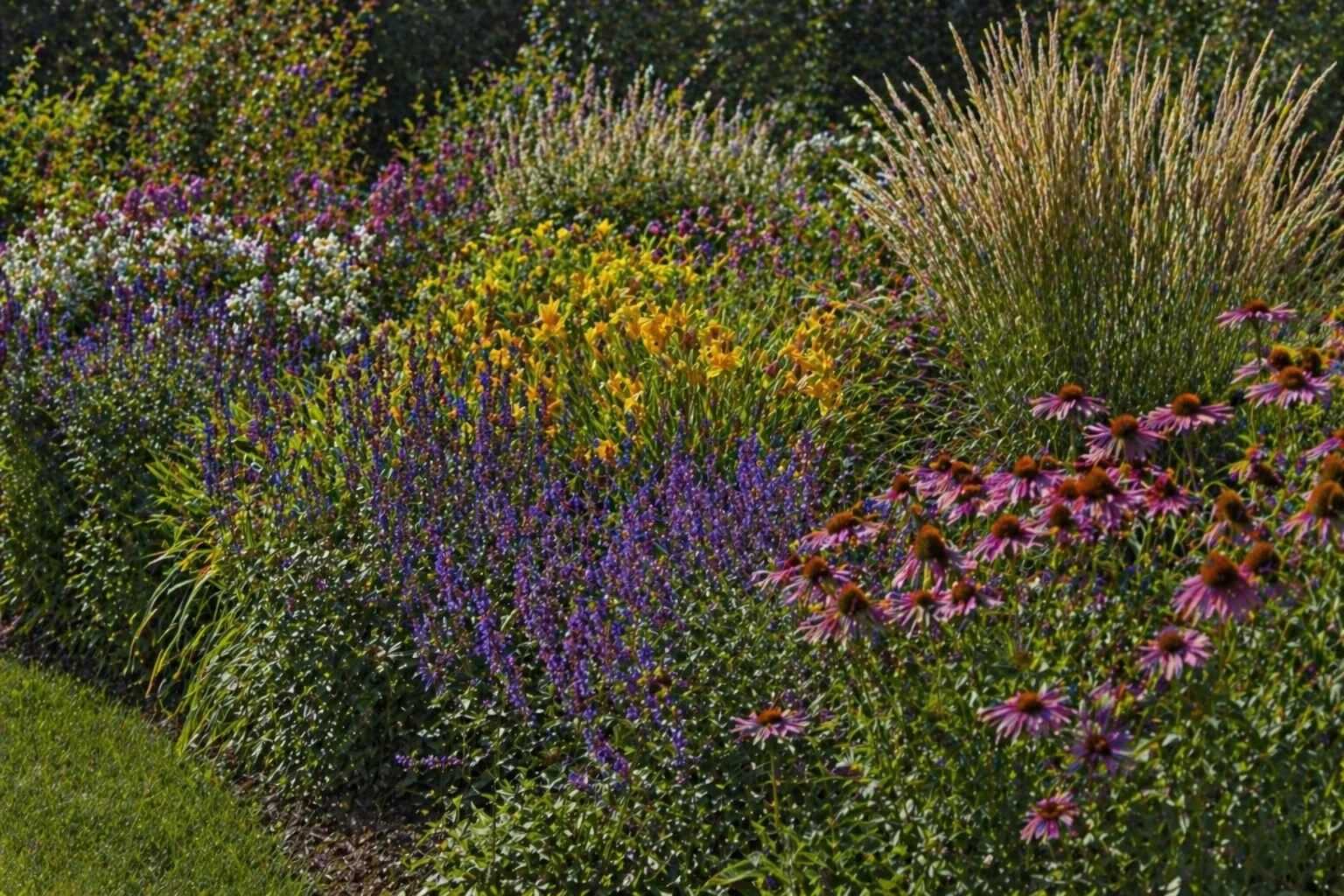
Perennials Planting Window for Vancouver, BC
Plant most perennials in spring (after last frost) or early fall (6 weeks before first frost). Fall planting gives roots time to establish before winter without summer heat stress. Most perennials take 2–3 years to reach full mature size.
For Vancouver, BC specifically, the recommended planting window is March-April or September-October.. Vancouver is Canada's gardening capital. Year-round growing is possible for hardy crops. Tomatoes need warm, sheltered spots or polytunnels for reliable ripening because summer nights are often cool. Slugs and powdery mildew are primary pest and disease challenges. Fall planting for winter harvest is a signature Vancouver technique that has no equivalent elsewhere in Canada.
Choose perennials rated for your specific Canadian zone or one zone colder for reliable winter survival. Prairie zones (3-4) require careful variety selection; Ontario/Quebec/Atlantic (4-6) have wider choices; BC coast (Zone 7-8) supports the widest range including tender perennials.
Best Perennials Varieties for Vancouver, BC
For Vancouver, BC (Canadian Zone 8a), choose varieties rated for your zone or one zone colder for reliable winter survival. The Canadian-bred or tested varieties below perform well in British Columbia conditions.
Nearly indestructible Canadian perennial. Hundreds of cultivars. Drought-tolerant, deer-resistant, blooms summer for 4 to 6 weeks.
The standard Canadian shade perennial. Variegated foliage in many forms. Survives Saskatoon and Winnipeg winters reliably with snow cover.
Drought-tolerant, blue-purple late-summer blooms. Excellent for hot dry Prairie sites in Calgary and Lethbridge.
More cold-hardy than bearded iris. Reliable to Saskatoon and Winnipeg. Long-lived (50+ years in Canadian gardens).
Critical for monarch butterfly conservation. Plant native species (common milkweed, swamp milkweed, butterfly milkweed) — not tropical milkweed.
How to Plant Perennials in Vancouver
Sow method: transplant (spring or fall). The steps below adapt the general planting advice for Vancouver, BC's climate and timing.
- →Plant in spring (after last frost when soil reaches 10°C / 50°F) or early fall (6 weeks before first frost).
- →Choose a site that matches the perennial's sun and moisture preferences (full sun, part shade, or full shade).
- →Dig planting hole 2x the rootball width; plant at the same depth as the rootball, never deeper.
- →Backfill with native soil amended with compost; firm gently and water deeply.
- →Mulch 5 cm (2 inches) deep with shredded bark; keep mulch 2 cm (1 inch) from the crown.
- →Water deeply twice weekly the first month, then weekly during the first growing season.
Frequently Asked Questions about Perennials in Vancouver, BC
When can I plant perennials in Vancouver?
Plant perennials in Vancouver from march-april or september-october. based on the city's Canadian Zone 8a. Last spring frost: March 1; first fall frost: December 1; frost-free growing season: 274 days.
What Canadian zone is Vancouver?
Vancouver is in Canadian Zone 8a (USDA equivalent 8a). The climate is pacific maritime. Vancouver is Canada's gardening capital. Year-round growing is possible for hardy crops. Tomatoes need warm, sheltered spots or polytunnels for reliable ripening because summer nights are often cool. Slugs and powdery mildew are primary pest and disease challenges. Fall planting for winter harvest is a signature Vancouver technique that has no equivalent elsewhere in Canada.
Are perennials winter-hardy in Vancouver?
Choose perennials rated for your specific Canadian zone or one zone colder for reliable winter survival. Prairie zones (3-4) require careful variety selection; Ontario/Quebec/Atlantic (4-6) have wider choices; BC coast (Zone 7-8) supports the widest range including tender perennials.