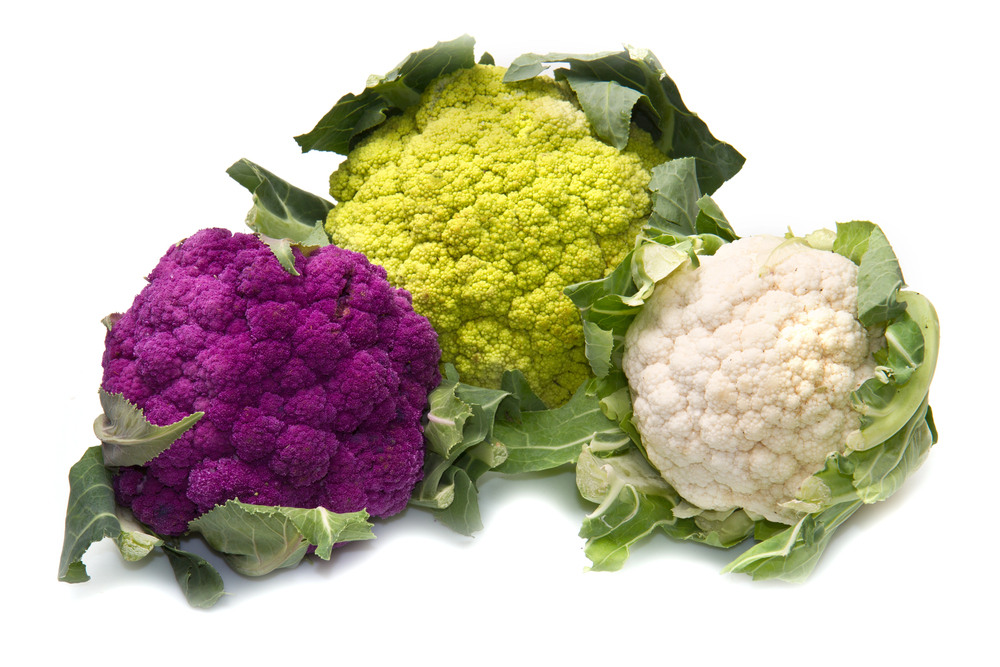
When to Plant Cauliflower in Toronto, ON
Published: April 24, 2026 · Updated:
Cool-season brassica that bolts in heat above 24°C. Start seeds indoors 4–6 weeks before last frost and transplant 2–4 weeks before last frost. Needs consistent moisture.
Toronto sits in Canadian Zone 6b (USDA equivalent 6a) along the shore of Lake Ontario. The lake-effect moderation produces warm summers, cold winters, and one of Canada's longest growing seasons at 195 frost-free days. Tomatoes and peppers thrive; warm-season crops ripen reliably from mid-June through early October.
Cauliflower Planting Calendar for Toronto
Start seeds indoors: March 16–23
Transplant outdoors: March 30–April 9
Harvest window: May 24 – July 8
Minimum soil temperature: 7°C (45°F)
Days to harvest: 55–100 days
Sun requirement: Full sun (6+ hours)
Fall crop planting: August 23–September 2 (harvest October 17)
⚠ Start cauliflower indoors 4–6 weeks before last frost. Transplant 2–4 weeks before last frost. Needs consistent moisture and cool temps — bolts in heat above 75°F.
Toronto Climate Notes
Lake Ontario extends the growing season 2-3 weeks compared to inland Ontario. Toronto gardeners enjoy one of Canada's longest productive windows. Heirloom and heat-loving varieties that struggle farther north (eggplant, melons, sweet potato) succeed reliably here.
Growing Tips for Cauliflower
- Blanch white varieties by tying outer leaves over the head when it reaches egg-size — prevents yellowing from sun exposure.
- Keep soil evenly moist — drought stress causes small, bitter 'buttoning' heads instead of full curds.
- Plant fall crops in mid-July to mid-August for October harvest; fall cauliflower is usually larger and sweeter than spring.
- Use floating row covers at transplanting to block cabbage white butterflies from laying eggs.
Companion Planting in Toronto
Pair cauliflower with Onion, Celery, Dill, Beet for mutual benefit. Avoid planting near Tomato, Strawberry, Pepper, which compete with or inhibit cauliflower growth.
Pests and Problems to Watch in Toronto
The most common pest and disease pressure on cauliflower in Toronto comes from Cabbage Worm, Cabbage Looper, Aphid, Flea Beetle. Floating row covers through the first 4–6 weeks after planting block adult pests from laying eggs, and a weekly scouting routine catches infestations before they damage the crop.
Other Ontario Cities
Frequently Asked Questions
When do I plant cauliflower in Toronto?
Toronto's last spring frost is around April 20. Start seeds indoors March 16–23. Transplant outdoors March 30–April 9.
What Canadian hardiness zone is Toronto?
Toronto is in Canadian Zone 6b (USDA equivalent 6a). The Great Lakes temperate climate delivers 195 frost-free days from April 20 to November 1, which shapes every planting date in the local calendar.
How long is Toronto's growing season?
Toronto has 195 frost-free days — from April 20 in spring to November 1 in fall. That is more than enough time to finish a full cauliflower crop (55–100 days to maturity) before the first fall frost.
Can I grow cauliflower in containers in Toronto?
Yes. Container growing on balconies and decks is practical in Toronto — choose a 5-gallon or larger dark-coloured container to warm the root zone, use a high-quality potting mix, and water daily during hot summer weather. In milder climates, containers extend both spring and fall windows by several weeks.
What is the first fall frost in Toronto?
Toronto's average first fall frost is November 1. For a fall cauliflower crop, plant around August 23–September 2 so plants mature before the first killing frost.