Front Yard Landscaping Ideas for Every City & Climate
Published: March 15, 2026 · Updated:
The best front yard landscaping ideas for your home depend heavily on where you live. A cottage garden that thrives in Seattle looks bedraggled in Phoenix. Native plants perfect for Austin need completely different species than native plants for Chicago. This guide gives you city-specific front yard ideas — design styles, plants, and cost estimates adjusted for your local climate and labour market. Find your city below for recommendations tailored to your USDA zone, local growing conditions, and contractor market.
8 Front Yard Styles — Find Your Look
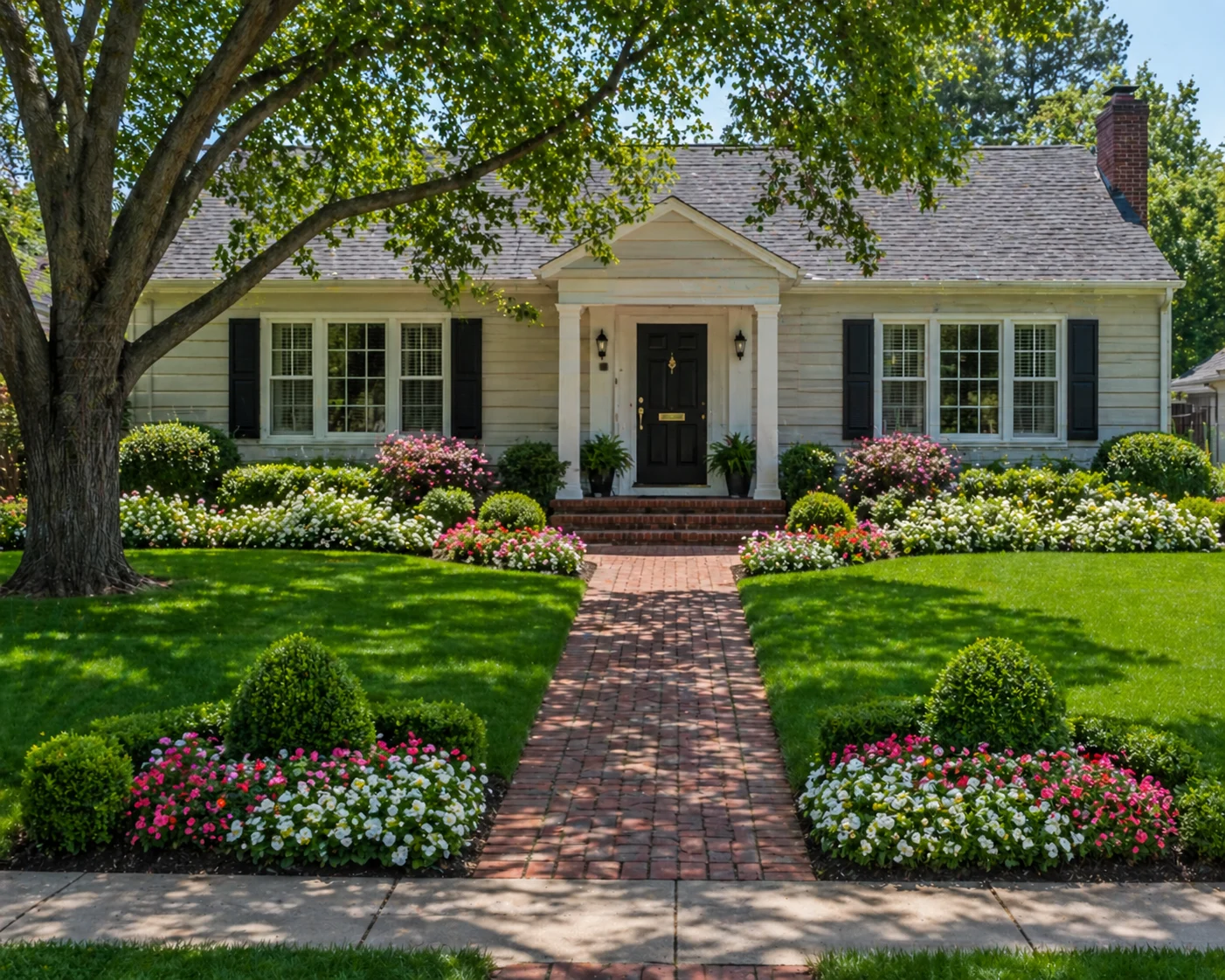
Traditional / Classic
medium maintenanceSymmetrical layout with manicured lawn, foundation plantings, and a clear path to the door. The most popular front yard style in the US — timeless and neighbourhood-friendly.
Typical cost: $2,000–$8,000
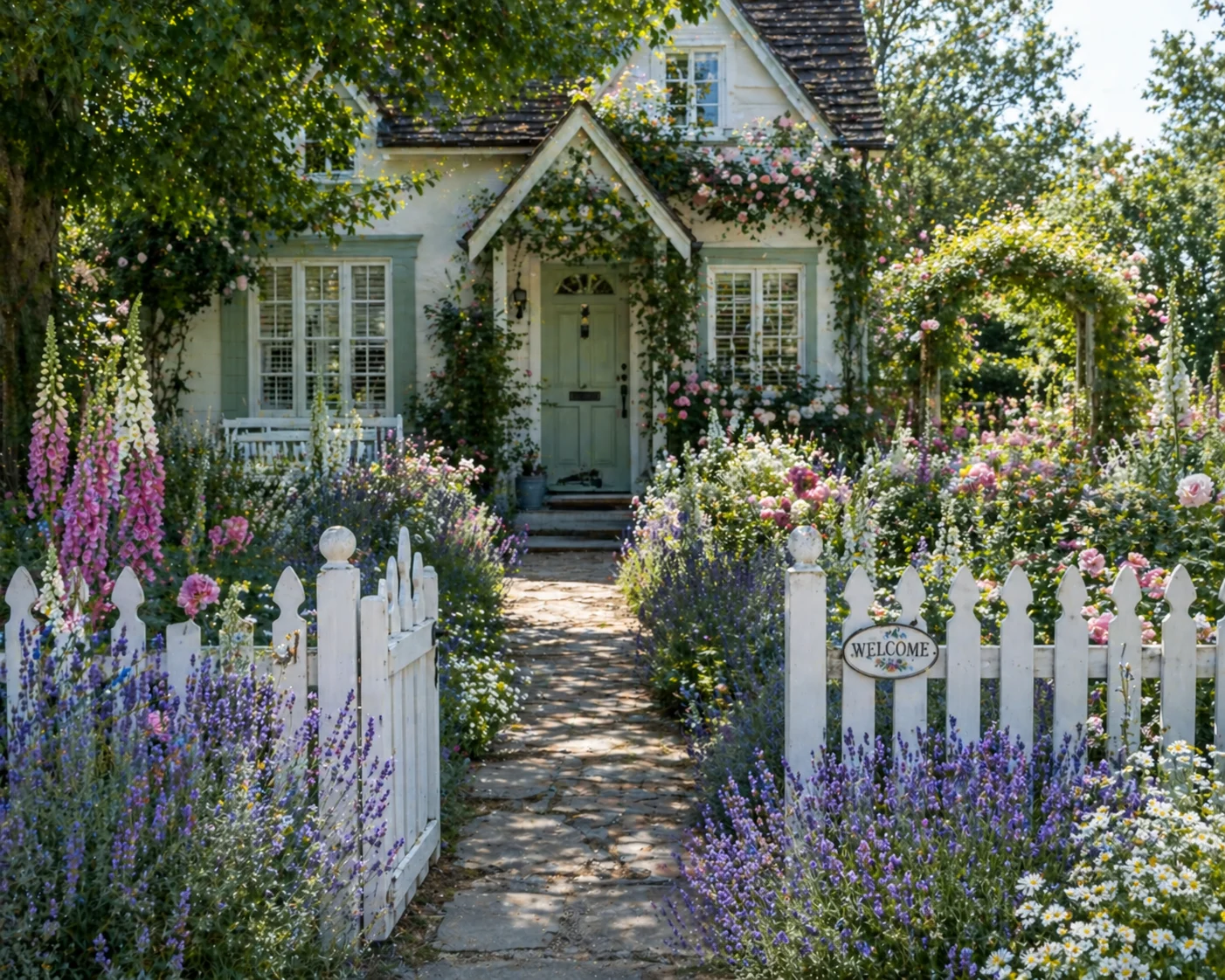
Cottage Garden
high maintenanceInformal, layered, and abundant. Cottage gardens feel overflowing with colour and texture — the opposite of manicured precision. Highly popular in the Pacific Northwest and New England.
Typical cost: $3,000–$12,000
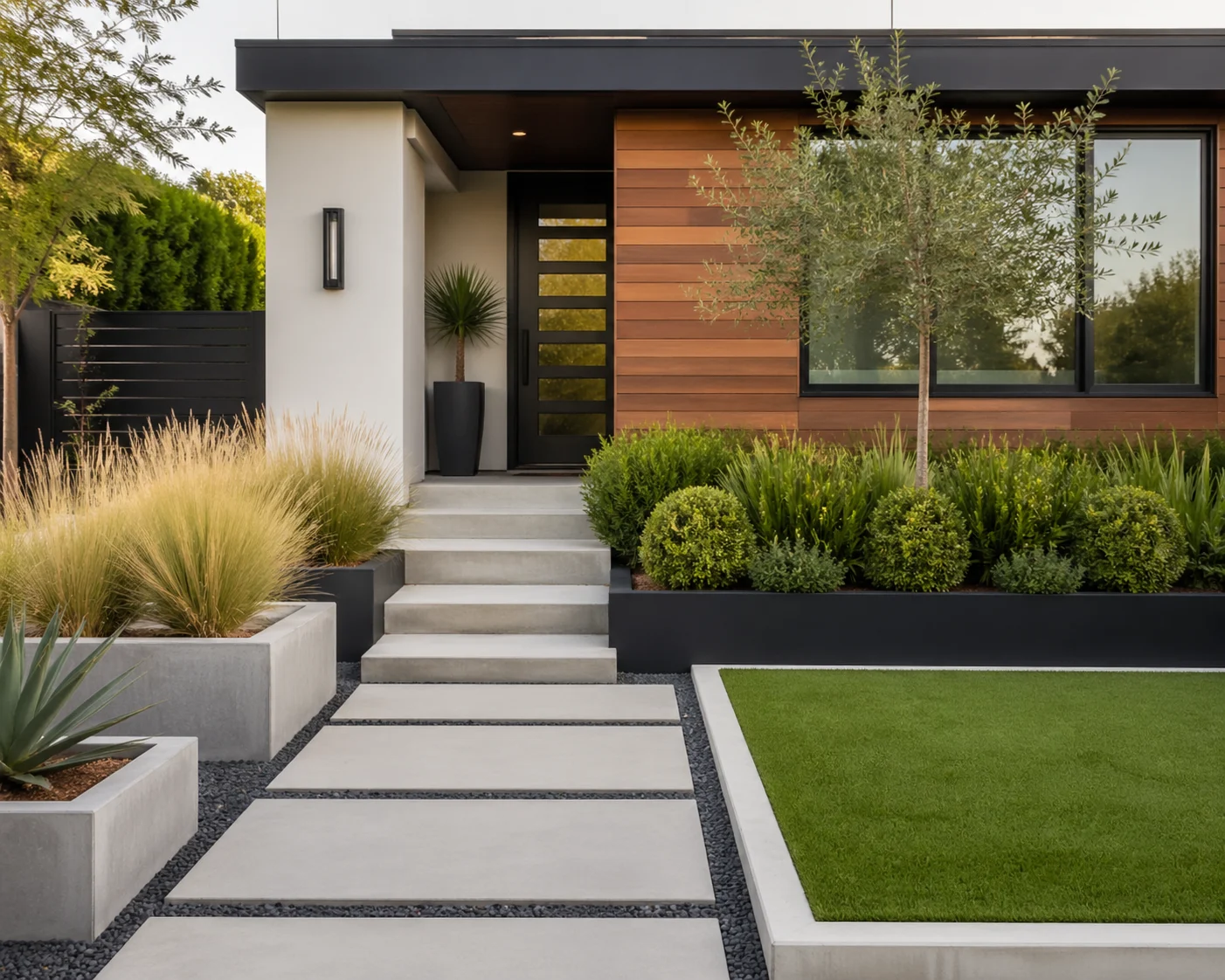
Modern / Contemporary
low maintenanceClean lines, structured geometry, and restrained plant palette. Gravel, concrete, ornamental grasses, and architectural plants create a sleek, low-maintenance look increasingly popular in urban markets.
Typical cost: $4,000–$15,000
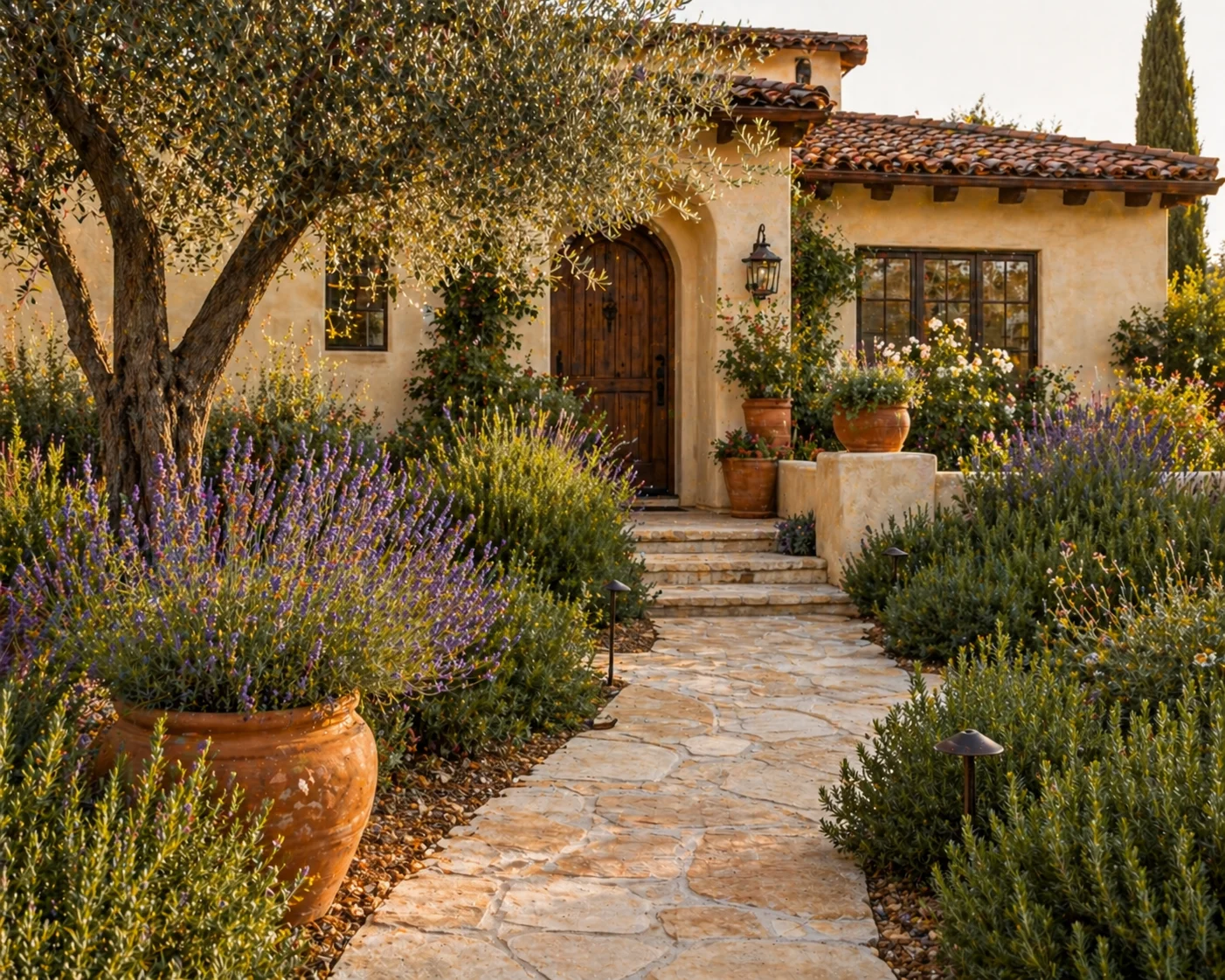
Mediterranean / Spanish
low maintenanceDrought-tolerant plants, terracotta, and warm colours inspired by Southern Europe. Perfectly suited to California, Arizona, and Texas climates. Increasingly popular for water-wise appeal.
Typical cost: $3,000–$10,000
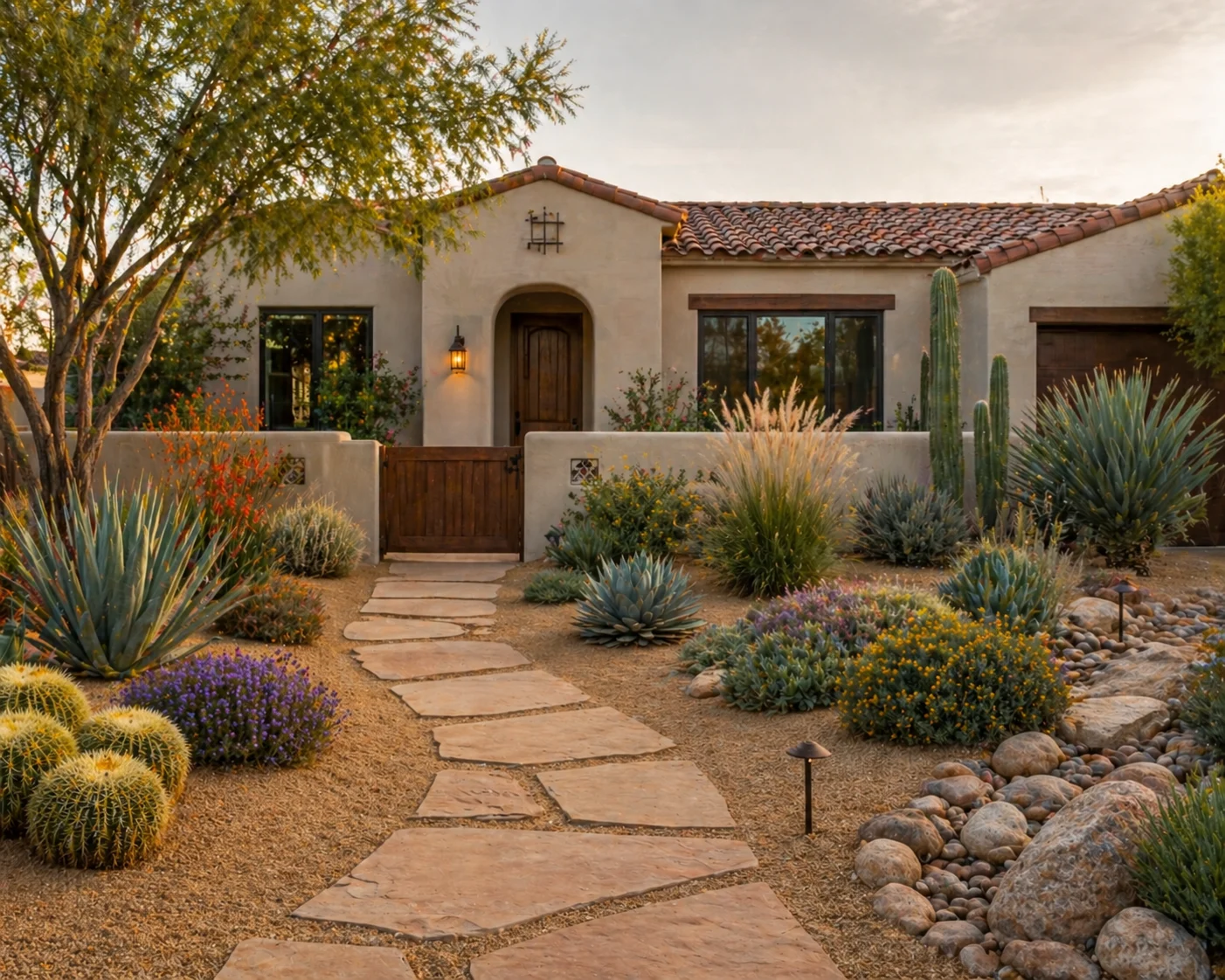
Xeriscape / Water-Wise
low maintenanceDesigned around minimal water use. Native plants, drought-tolerant species, mulch, and efficient irrigation replace thirsty traditional lawns. Fastest-growing landscaping category in water-stressed markets.
Typical cost: $3,500–$12,000
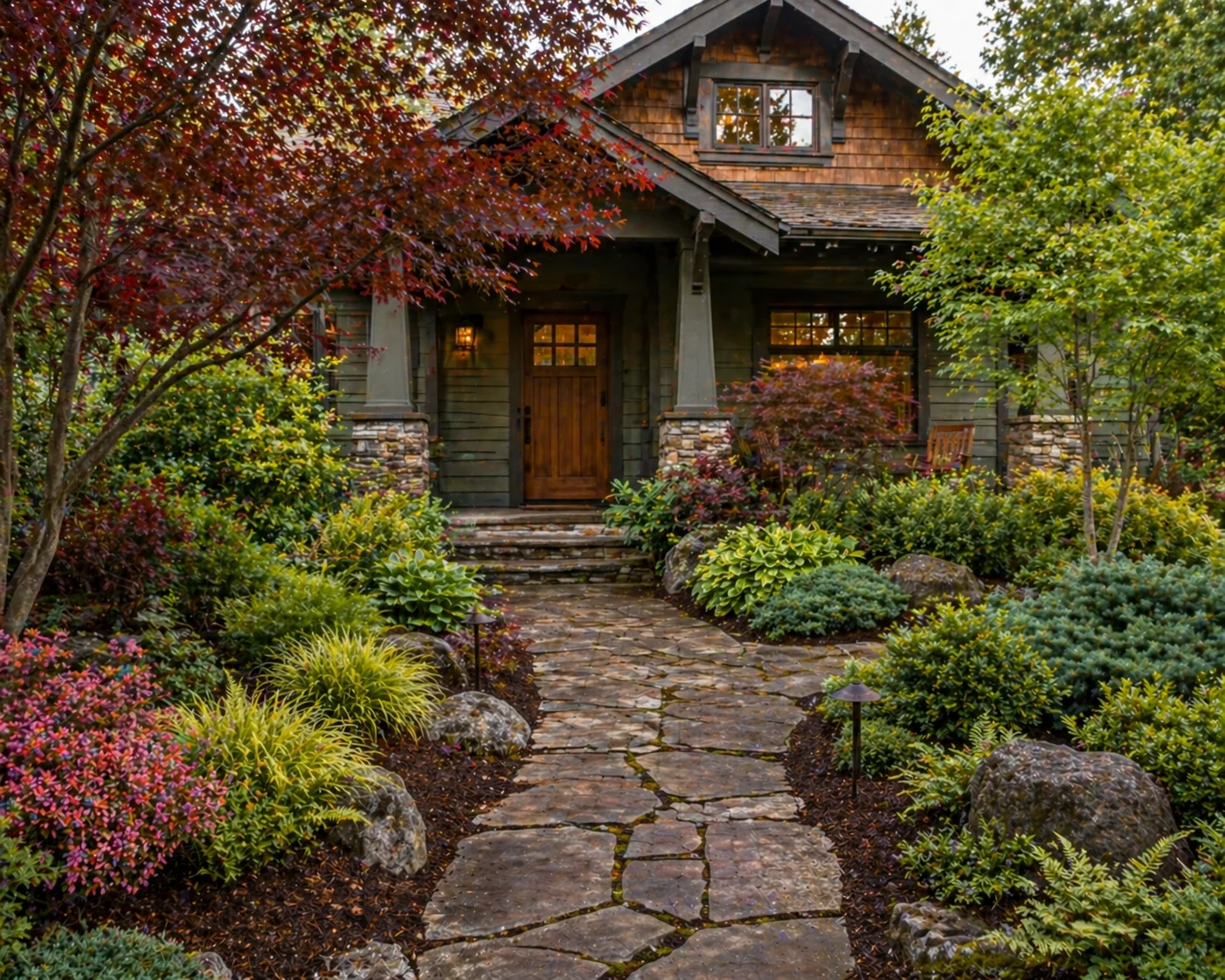
Native Plant Garden
low maintenancePlants native to the local region reduce water, fertiliser, and pesticide needs dramatically while supporting local pollinators and wildlife. The fastest-growing trend in American front yard design.
Typical cost: $2,500–$10,000
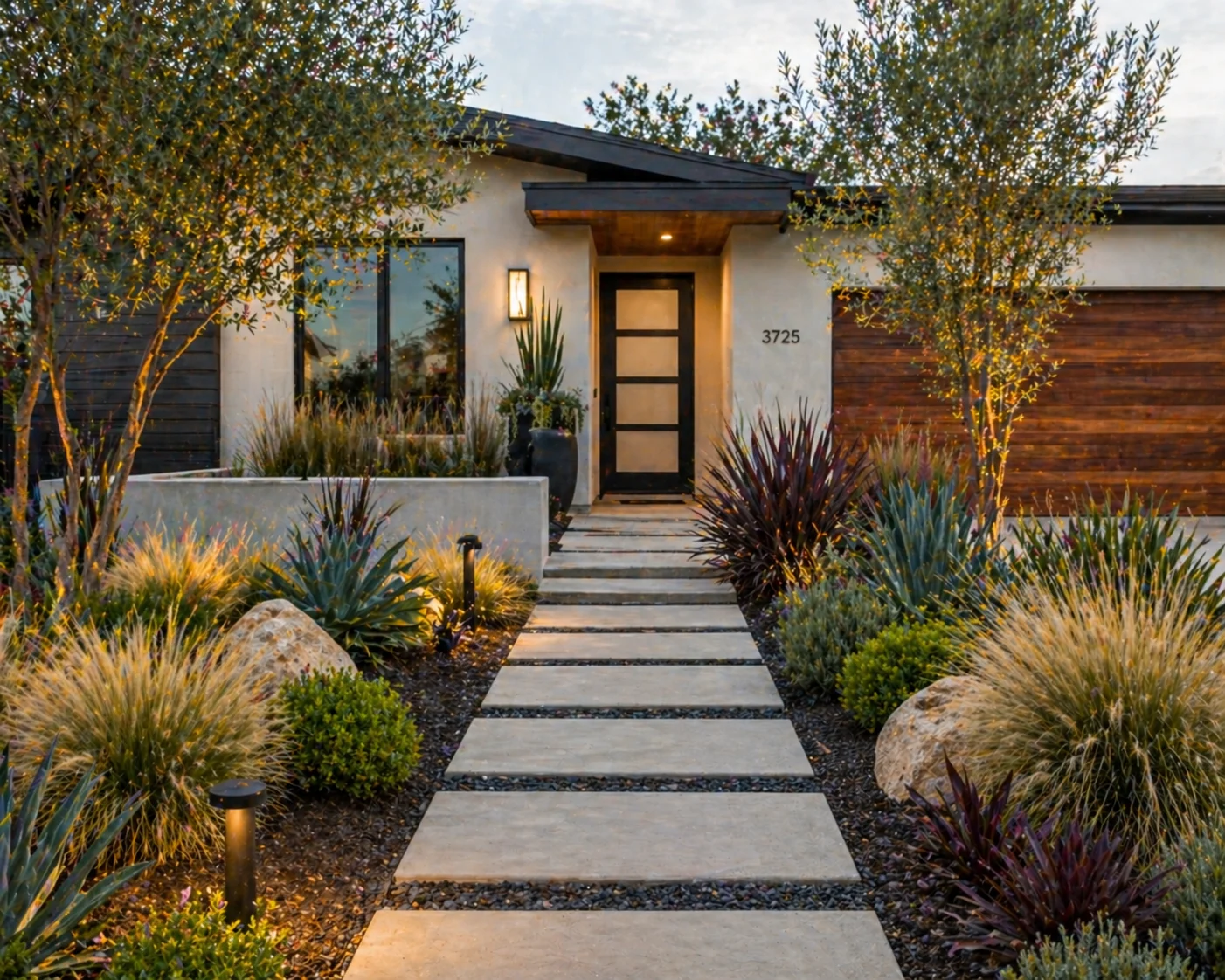
Lawn-Free Front Yard
low maintenanceEliminates all turf grass and replaces it with groundcovers, gravel, mulch, hardscape, and plantings. Fastest growing urban trend — especially in drought-prone California, Colorado, and Texas cities.
Typical cost: $4,000–$15,000
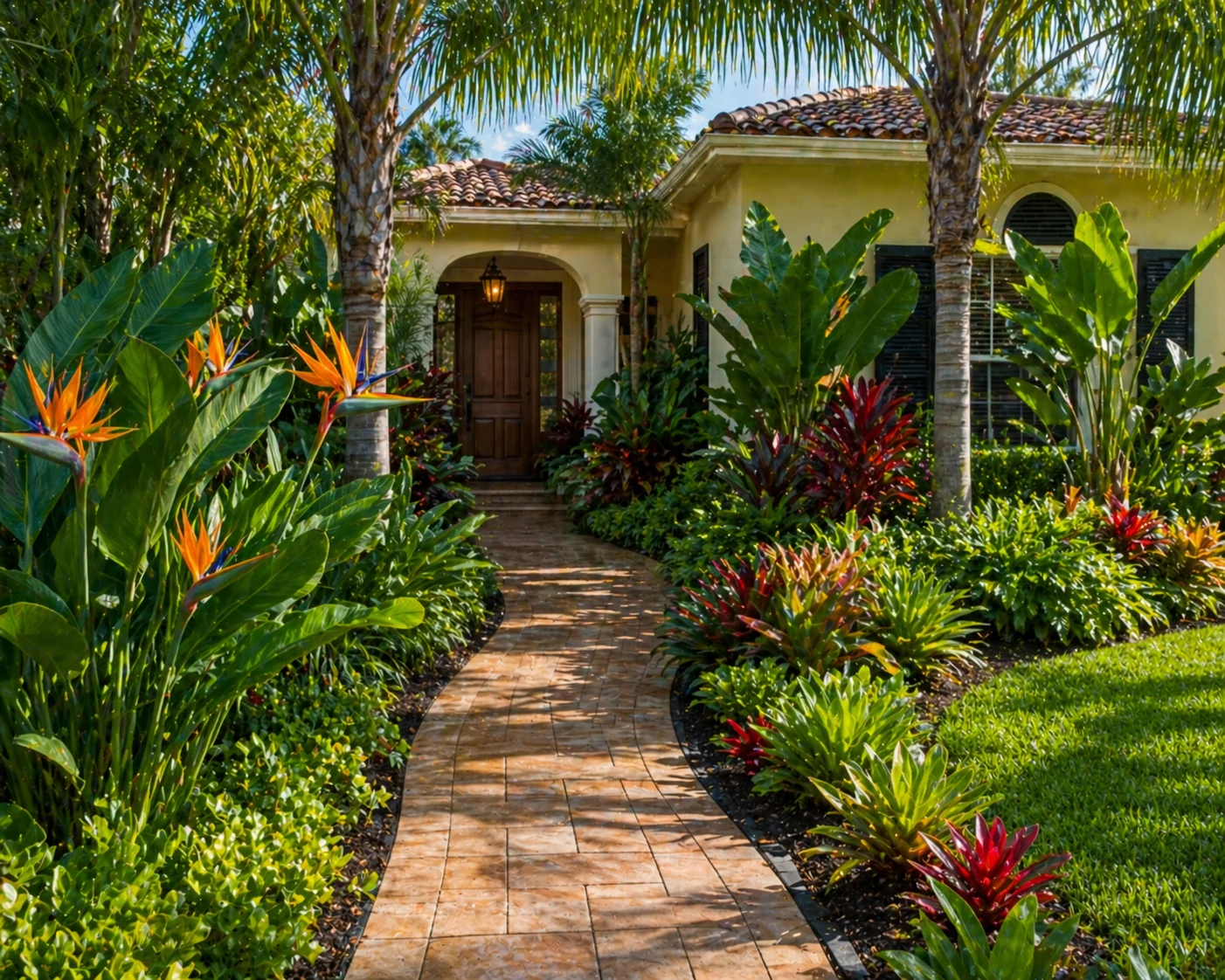
Curb Appeal Focus
medium maintenanceOptimised for maximum visual impact and resale value. Combines elements of traditional and cottage styles with a focus on the view from the street — window boxes, statement trees, colour, and a welcoming entrance.
Typical cost: $1,500–$6,000
Front Yard Landscaping by US Climate Zone
Zone 3-5 (Northern States — Minnesota, Montana, Vermont, northern Maine):Short growing seasons demand cold-hardy front yard plants. Flowering shrubs like Potentilla, Spirea, and Viburnum withstand -30°C winters while providing spring colour. Ornamental grasses (Karl Foerster Feather Reed Grass) add year-round structure. Native Prairie coneflower and Black-Eyed Susan add summer colour with no irrigation needed. Avoid Crape Myrtle, Ornamental Banana, and other plants marketed without zone verification — one harsh winter eliminates them. Snow load is a real consideration for foundation plantings: keep shrubs 60-90 cm from the house to prevent ice damage from roof runoff.
Zone 6-7 (Midwest and Mid-Atlantic — Ohio, Virginia, Kansas):The transition zone offers the widest plant palette of any US climate. Most flowering shrubs, ornamental trees, and perennials succeed here. Boxwood has become problematic in Zone 6-7 due to Boxwood Blight — substitute with Holly, Inkberry, or Itea for the same formal hedge look without disease risk. Crepe Myrtle is reliable to Zone 6b. Ornamental grasses, native perennials, and mixed shrub borders are the most maintenance-efficient approach for this region’s variable summers and mild winters.
Zone 8-9 (South and Pacific Northwest — Georgia, Texas, Oregon):Warm-season plantings dominate Zone 8-9 front yards. Knockout Roses, Texas Sage (Leucophyllum), Gulf Muhly Grass, and Loropetalum are the workhorses of Southern front yards. Portland and Seattle benefit from the Pacific Northwest’s mild maritime climate — a wider range of shade-loving plants (Japanese Maples, Rhododendrons, Ferns) succeeds here than in any other Zone 8 region.
Zone 9-11 (Desert Southwest, Florida, Hawaii):Water management dominates design in this zone. The Southwest’s xeriscape movement has produced stunning alternatives to traditional turf: Desert Willow, Palo Verde, Agave, and Bougainvillea create dramatic front yards that use 50-80% less water. Florida’s year-round growing season enables tropical plantings that no other continental US zone supports: Bougainvillea, Plumeria, Croton, and Bird of Paradise as landscape anchors.
Front Yard Ideas by Budget
Starter
$500–$2,000
DIY-friendly improvements. New mulch, a few plants, and defined edges transform most front yards at low cost.
- Fresh mulch in all beds
- 3–5 new shrubs or perennials
- Defined bed edges
- Walkway touch-up
- Annual colour plants
Moderate
$2,000–$7,000
Professional installation of a cohesive front yard design. New bed layout, statement plants, and a defined style.
- New garden bed layout
- Foundation shrubs replaced
- Statement tree or focal point
- Mulch throughout
- Defined edges and borders
- Basic irrigation adjustment
Premium
$7,000–$20,000
Full professional redesign with hardscape, lighting, irrigation, and premium plants. Transforms the entire curb appeal.
- New walkway or path
- Landscape lighting
- Drip irrigation system
- Premium plant selection
- Hardscape elements
- Professional design plan
What Does Front Yard Landscaping Cost in 2026?
Front yard landscaping costs vary enormously based on scope — from a simple refresh to a complete redesign. The table below shows realistic 2026 ranges for typical projects in an average-cost US market; high-cost markets (California, New York) can run 30-65% above these numbers, while lower-cost markets (Oklahoma, Mississippi) often come in 15-25% under.
| Project type | Cost range | What it includes |
|---|---|---|
| Planting refresh | $300–$1,200 | New mulch, seasonal colour, 5-10 plants |
| Lawn renovation | $500–$3,000 | Aeration, overseeding or sod installation |
| Foundation planting | $1,500–$5,000 | New shrubs, ornamental trees, edging |
| Partial redesign | $3,000–$10,000 | New beds, hardscape, irrigation adjustments |
| Full front yard redesign | $8,000–$25,000 | Complete transformation with hardscape |
Key cost drivers: square footage, hardscape vs softscape ratio, irrigation needs, and regional labour rates. The highest-ROI improvements are new mulch ($300-$600), seasonal colour at the entry ($200-$500), and a focal-point ornamental tree ($500-$1,500 installed). These three changes transform curb appeal for under $2,000 in most markets. For state-by-state cost data, see our landscaping cost guide.
When to Plant Front Yard Landscaping in Your State
Timing is the most common landscaping mistake. Most homeowners plant in May because that is when nurseries are most stocked — but May is the worst month for installation in hot climates. The optimal planting window varies by zone:
- Zone 3-5: Late May to mid-June (after last frost). Fall planting (September) works well for shrubs and trees.
- Zone 6-7: Early spring (March-April) or fall (September-October). Avoid midsummer installation in Zone 7.
- Zone 8-9: Fall is the primary planting season (October-November). Spring planting works for heat-tolerant species. Avoid planting in June-August in Zone 8-9 climates.
- Zone 9-10: October through February for most plants. Summer is the dormant season for cool-season plants.
Use your city’s guide below to find the exact best planting window for your location.
Find Your City
Frequently Asked Questions
What are the most popular front yard landscaping styles?
The most popular front yard styles in the US are Traditional/Classic (symmetrical layout with lawn and foundation plantings), Cottage Garden (informal layered plantings), and Modern/Contemporary (clean lines with ornamental grasses). Native Plant Gardens and Lawn-Free designs are the fastest-growing trends, especially in water-restricted areas.
How much does front yard landscaping cost in 2026?
Front yard landscaping costs $500–$2,000 for a DIY starter project (mulch, a few plants, edging), $2,000–$7,000 for a professional redesign, and $7,000–$20,000+ for a premium project with hardscape and lighting. Costs vary 30–65% by location — California and New York are the most expensive markets.
What are the best low-maintenance front yard ideas?
The lowest-maintenance front yard styles are Xeriscape (drought-tolerant native plants with mulch), Modern/Contemporary (ornamental grasses and gravel), and Lawn-Free designs (groundcovers replacing turf). All three reduce mowing, watering, and fertilising to near zero once established.
Should I remove my front yard lawn?
Removing your front lawn makes sense if you live in a water-restricted area, want to reduce maintenance, or prefer a more natural look. Many cities now offer rebates for lawn removal. However, check HOA rules first — some require a minimum lawn percentage. Groundcovers, gravel, and native plants are the most popular replacements.
What plants work best for front yard landscaping?
The best front yard plants depend entirely on your USDA zone. Cold climates (zones 3–5) do well with Coneflowers, Spirea, and Karl Foerster Grass. Moderate climates (zones 6–7) thrive with Knockout Roses, Crape Myrtles, and Muhly Grass. Warm climates (zones 8–9) excel with Texas Sage, Agave, and Lantana. Tropical zones (10+) shine with Bougainvillea, Ixora, and Bird of Paradise.
How do I improve curb appeal on a budget?
The highest-impact low-cost improvements are: fresh mulch in all beds ($100–$300), defined bed edges ($50–$150 with a manual edger), 3–5 new plants at key sight lines ($75–$200), and seasonal colour in pots by the front door ($30–$75). These four steps cost under $500 total and dramatically improve curb appeal.