When to Plant Collard Greens in Greenville, SC
Published:
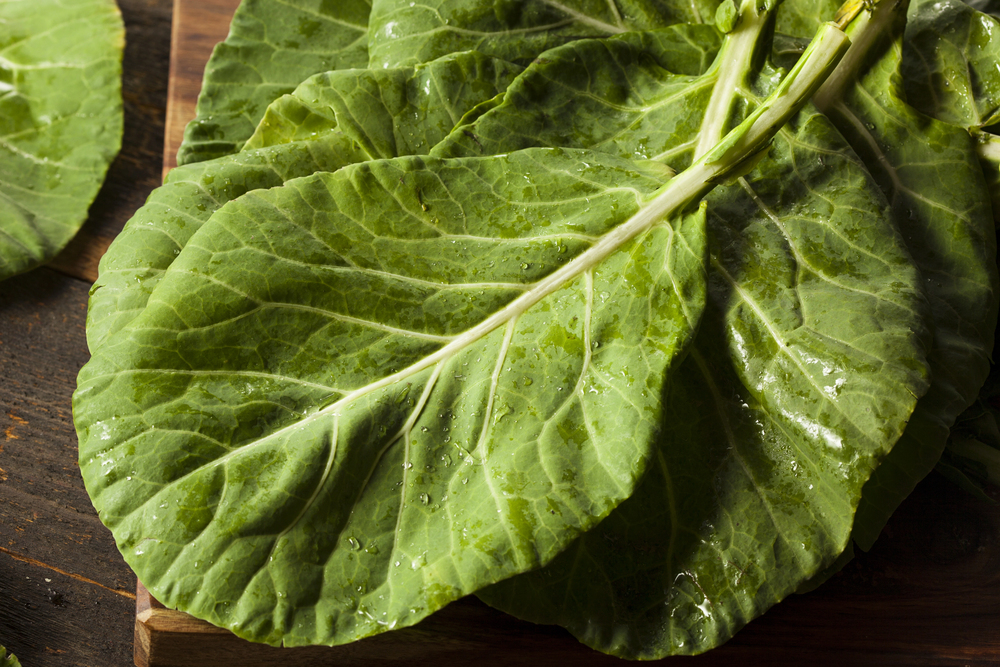
Collard Green Planting Dates for Greenville, SC
| Start seeds indoors | January 25–February 1 |
| Last frost (average) | March 1 |
| Transplant outdoors | February 8–18 |
| Direct sow outdoors | February 8–18 |
| Minimum soil temperature | 45°F |
| Expect first harvest | April 9 – April 24 |
| Fall crop planting | September 13–23 |
| Fall crop harvest | November 12 |
| First fall frost (average) | November 22 |
⚠ Direct sow or transplant collard greens 3–4 weeks before last frost. Extremely cold hardy — withstands temps to 15°F. Can be grown as a perennial in Zones 8+. Fall planting produces the best-flavored greens.
Best Collard Green Varieties for Greenville, SC
Consult a Greenville-area nursery or your state extension office for collard green varieties proven in Zone 7b.
Growing Collard Greens in Greenville
Greenville sits in Zone 7b, with an average last frost of March 1 and first fall frost around November 22 — giving a 266-day frost-free growing season. Cool-season crops like collard green benefit from Greenville's cooler spring and fall windows, when temperatures stay in the 55–75°F sweet spot that produces the best flavor and least bolting.
Greenville's moderate climate supports collard green on the standard transplant calendar with minimal special accommodation. Succession planting — sowing fresh seeds or setting new transplants every 2–3 weeks through spring — stretches the harvest window and gives you a backup crop if pests hit the first planting.
Greenville's sandy soils drain fast — Greenville gardeners should water collard green more frequently (every 2 to 3 days during peak summer) and add generous compost to improve moisture retention. Raised beds with amended soil perform significantly better than in-ground planting in sandy conditions. Target 1 inches of total water per week, split across several irrigation sessions rather than one deep soaking.
Collard Green Calendar for Greenville
| Month | Task |
|---|---|
| January | Start seeds indoors under grow lights |
| March | Last frost — harden off seedlings outdoors |
| February | Transplant outdoors into warm soil |
| April | Expect first harvest window to open |
| September | Start fall crop — transplants or direct sow |
| November | First fall frost — harvest remaining, end of outdoor season |
Collard Green Tips for Greenville Gardeners
- •Harvest outer leaves continuously once plants reach 10 inches — the central growing point produces for months.
- •In Zones 8+ collard greens often overwinter and produce for 2–3 years as a perennial.
- •Succession plant collard green in Greenville every 2–3 weeks through spring to extend the harvest window into summer.
Common Collard Green Pests in Greenville
- •Cabbage Worm — peaks July in Zone 7b (active May–September); green caterpillars on brassicas; apply Bt spray or use row covers.
- •Aphid — peaks July in Zone 7b (active May–September); monitor closely during peak season and treat early.
- •Flea Beetle — peaks July in Zone 7b (active May–September); tiny black beetles that riddle leaves with holes; row covers protect seedlings.
Check plants every 2–3 days during peak season — early intervention prevents most infestations from becoming serious.
What to Plant with Collard Greens in Greenville
In Greenville's moderate climate, Onion and Garlic are the most beneficial plants to grow alongside collard green. Onion deters carrot fly, aphids, and several root-zone pests through sulfur compounds. Keep collard green away from Tomato — it competes for nutrients or shares pest pressure.
Frequently Asked Questions
When should I plant collard green in Greenville, SC?
In Greenville (Zone 7b), start collard green seeds indoors around January 25–February 1 and transplant outdoors around February 8–18. The city's average last frost of March 1 is the anchor date — count 5 weeks back for seed starting and 3 weeks back for transplanting.
What zone is Greenville, SC for collard green growing?
Greenville is USDA Zone 7b. For collard green, this means a frost-free growing season of roughly 38 weeks running from March 1 to November 22. Cool-season crops like collard green thrive in this zone with both spring and fall planting windows available.
When is collard green harvest season in Greenville?
Expect the first collard green harvest in Greenville around April 9, with harvest continuing through April 24. This is based on 60–75 days from transplant or direct sow. A fall crop planted September 13–23 adds a second harvest around November 12.
How long does it take to grow collard green in Greenville, SC?
From transplant or direct sow to first harvest, collard green takes 60–75 days in Greenville's climate. Based on a typical planting date of February 8–18, expect your first harvest around April 9. Greenville's Zone 7b transition-zone climate produces maturity times right in the middle of the stated range.
What soil does collard green need in Greenville?
Greenville's sandy soils drain fast and lose nutrients quickly — a challenge for collard green which prefers steady moisture. Add 4–6 inches of compost annually to improve moisture retention. Water more frequently but with less volume per session, and mulch heavily to reduce evaporation.