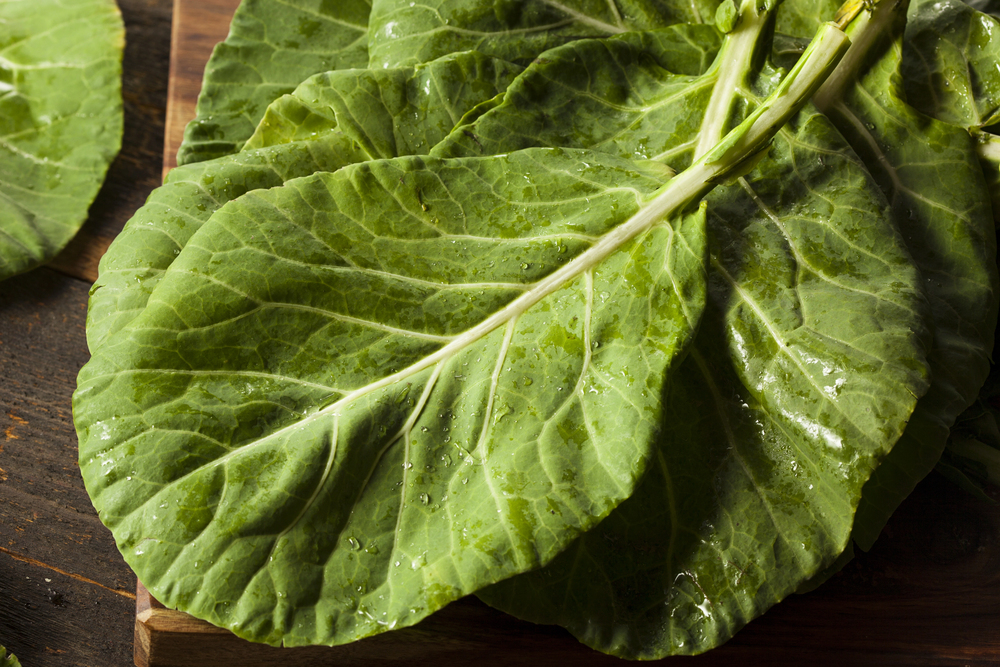
When to Plant Collard Greens in South Carolina
Published:
South Carolina gardeners in Zone 7b have a 38-week growing season for collard green (March 1 to November 22). South Carolina's spring and fall windows both work well for collard green — some gardeners plant both successions for a long harvest. This guide gives exact dates for South Carolina based on your local frost calendar.
Collard Green Planting Dates for South Carolina
| Start seeds indoors | January 25–February 1 |
| Last frost (average) | March 1 |
| Transplant outdoors | February 8–18 |
| Direct sow outdoors | February 8–18 |
| Expect first harvest | April 9 – April 24 |
| Fall crop start | September 13–23 |
| Fall harvest | November 12 |
| First fall frost (average) | November 22 |
Dates above assume Zone 7b, the most common zone in South Carolina. Gardeners in cooler Columbia (Zone 7b) plant 1–2 weeks later; warmer Charleston (Zone 9a) can plant 1–2 weeks earlier.
⚠ Direct sow or transplant collard greens 3–4 weeks before last frost. Extremely cold hardy — withstands temps to 15°F. Can be grown as a perennial in Zones 8+. Fall planting produces the best-flavored greens.
Growing Collard Greens in South Carolina's Climate
South Carolina's moderate Zone 7b climate is well-suited to collard green with minimal special accommodation. The standard transplant calendar works as written, and harvest windows line up with what seed packets recommend without adjustment.
Succession planting extends your collard green harvest significantly in South Carolina. A second planting 3 to 4 weeks after the first gives you a backup in case of pest pressure and extends the total harvest window into early fall.
Common collard green pests to watch for in South Carolina include Cabbage Worm and Aphid. The first line of defense is companion planting: Onion and Garlic planted nearby discourage several of these pests by confusing host-plant identification or repelling adults before they can lay eggs. Weekly garden walks in the early morning catch problems when they're still manageable.
Collard Green Garden Calendar for South Carolina
| Month | Task | Notes |
|---|---|---|
| January | Start seeds indoors | Use grow lights; warm soil to 70–75°F for best germination |
| February | Transplant outdoors | Soil temp must be 45°F+; nighttime lows above 50°F |
| March | Harden off seedlings | Set seedlings outdoors 1–2 hours daily, increasing gradually |
| April | First harvest window opens | Collard Green begins producing 60–75 days after transplant |
| May | Watch for bolting | Harvest promptly; spring heat arrives quickly |
| June | — | Dormant season |
| July | — | Dormant season |
| August | — | Dormant season |
| September | Fall crop planting | Transplant or direct sow for fall harvest before frost |
| October ← | — | Dormant season |
| November | First frost approaches | Harvest remaining collard green; cover plants on frost nights |
| December | — | Dormant season |
Collard Green Growing Tips for South Carolina Gardeners
- •Harvest outer leaves continuously once plants reach 10 inches — the central growing point produces for months.
- •In Zones 8+ collard greens often overwinter and produce for 2–3 years as a perennial.
- •South Carolina's moderate climate supports succession planting — sow new transplants or seeds every 3 weeks during spring to extend the harvest window into fall.
- •Frost improves flavor dramatically — southern tradition is to wait for the first frost before harvesting.
Companion Planting for Collard Greens in South Carolina
In South Carolina's moderate climate, planting collard green with Onion and Garlic helps deter pests and improve soil. Avoid planting near Tomato and Strawberry, which inhibit collard green growth through root chemistry or shared pest pressure. See the full collard green companion planting guide for the complete list.
Collard Greens Planting Dates by City in South Carolina
Top cities in South Carolina — select for city-level frost dates and planting calendars.
Frequently Asked Questions
When should I plant collard green in South Carolina?
In South Carolina (Zone 7b), start collard green seeds indoors around January 25–February 1 and transplant outdoors around February 8–18 — 3 weeks before the state's average last frost of March 1.
What is the last frost date in South Carolina?
South Carolina's average last frost date is March 1 in the state's most common Zone 7b. Frost dates vary by city — higher elevations and northern counties run 1 to 3 weeks later than the state average. See the city list below for city-level frost dates.
Can I grow collard green year-round in South Carolina?
collard green is a cool-season crop in South Carolina, with spring and fall windows. Summer heat bolts the plants before they can produce a harvestable crop. Succession planting every 2–3 weeks stretches the harvest window.
What collard green varieties grow best in South Carolina?
For South Carolina's Zone 7b, consult a local nursery or extension office for collard-greens variety recommendations.
When do I start collard green seeds indoors in South Carolina?
Start collard green seeds indoors in South Carolina around January 25–February 1, which is 5 weeks before the state's average last frost of March 1. Use grow lights and keep soil temperatures at 70–75°F for fastest germination.