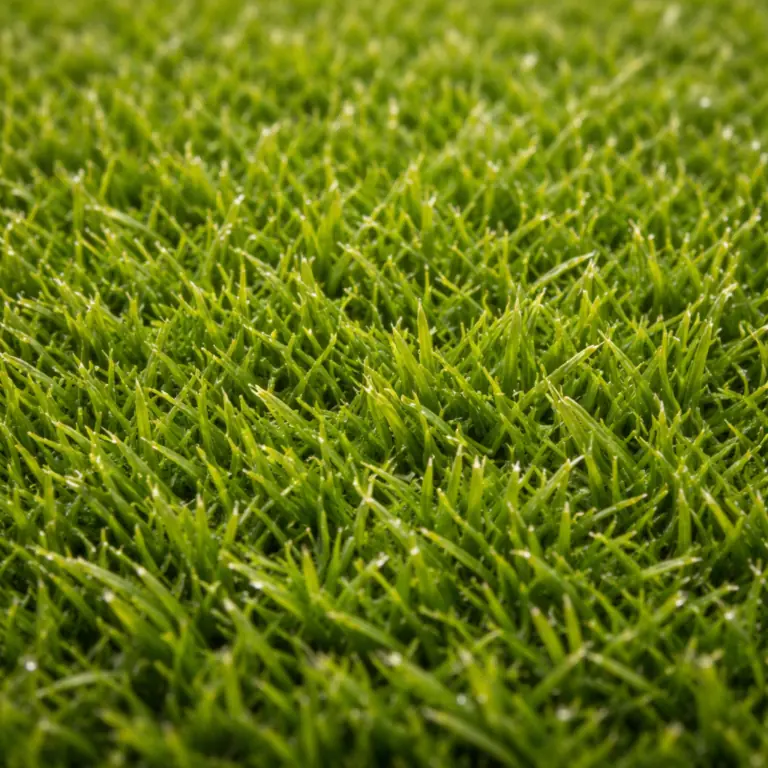
Zoysia Grass in Virginia Beach, VA: Care Guide
Is Zoysia Grass Right for Virginia Beach?
Zoysia grass represents both an excellent and challenging choice for USDA zone 7a, which experiences average minimum winter temperatures between 0-5°F. As a warm-season grass at the northern edge of its optimal range, zoysia thrives in zone 7a's hot summers but faces stress during extended cold periods. The grass excels in this zone due to its exceptional drought tolerance, dense growth habit that crowds out weeds, and ability to handle moderate foot traffic. However, the challenging aspect lies in its slower establishment rate compared to cool-season alternatives and its tendency toward longer dormancy periods when temperatures consistently drop below 50°F in late fall through early spring.
Zoysia's seasonal performance cycle in zone 7a follows a predictable pattern tied closely to soil temperatures. Green-up typically begins when soil temperatures reach 65-70°F consistently, usually occurring in mid to late April. The grass reaches peak performance during summer months when temperatures range between 80-95°F, displaying its characteristic dense, carpet-like appearance and deep green color. As soil temperatures drop below 55°F in October or November, zoysia begins its transition to dormancy, turning a tan or brown color that persists through winter until the following spring's green-up. This dormancy period can last 4-5 months in zone 7a, longer than in warmer zones.
Regarding soil and water requirements, zoysia performs best in well-draining soils with a pH between 6.0-7.0, though it tolerates a wider pH range than many alternatives. Once established, zoysia requires only 1 inch of water per week during active growing season, making it significantly more drought-tolerant than cool-season grasses like tall fescue or bluegrass commonly used in zone 7a. The grass develops an extensive root system reaching 6-12 inches deep, contributing to its drought resistance. Compared to alternatives, zoysia offers superior weed resistance and lower water requirements than tall fescue, but establishes much slower and has a longer dormant appearance compared to cool-season options that may stay green longer in zone 7a's mild winters.
Long-term maintenance expectations for zoysia in zone 7a include annual dethatching or core aeration, as the grass's dense growth habit can lead to thatch buildup exceeding 0.5 inches. Fertilization requirements are modest, typically requiring 2-3 pounds of nitrogen per 1,000 square feet annually, applied during the active growing season from May through August. Overseeding is rarely necessary due to zoysia's self-repairing nature, but patience is essential during establishment, as a mature, dense zoysia lawn may take 2-3 years to fully develop from seed or 1-2 years from sod. Winter protection may be beneficial during extreme cold snaps below 10°F, though established zoysia typically survives zone 7a winters without significant damage.
How to Plant Zoysia Grass in Virginia Beach
Best Method
plugs
Best Time
late April through July
Establishment
8-10 weeks for plugs to establish, 4-6 weeks for sod
Soil Preparation
Till soil to 6 inches deep and amend with compost to improve drainage since zoysia prefers well-draining soil with pH 6.0-7.0. Remove existing vegetation and level the area, ensuring proper grading for drainage.
Watering During Establishment
Water daily for first 2-3 weeks with 0.25-0.5 inches to keep soil consistently moist but not waterlogged. Gradually reduce frequency to 2-3 times per week with deeper watering of 0.75-1 inch once roots establish.
Seed rate: 2-3 lbs per 1000 sq ft (seed rarely used)
Zoysia Grass Care Calendar for Virginia Beach
Apply pre-emergent herbicide if soil temperature is above 55°F. Plan overseeding areas and order zoysia plugs or sod for spring installation.
Continue dormancy period maintenance by removing debris and planning irrigation system checks. Apply pre-emergent herbicide by late February if not done in January.
Begin soil preparation for new installations when soil temperature reaches 65°F. Clean and service mowing equipment before growing season begins.
Plant zoysia plugs or lay sod when soil temperature consistently stays above 70°F. Begin regular watering schedule as grass starts breaking dormancy.
Apply first fertilizer application with 1 lb nitrogen per 1000 sq ft. Begin regular mowing when grass reaches 3 inches tall.
Maintain consistent watering schedule of 1-1.5 inches per week including rainfall. Apply post-emergent herbicide for summer weeds if needed.
Continue regular mowing at 2-2.5 inches and deep watering 2-3 times per week. Monitor for brown patch disease during hot, humid periods.
Apply second fertilizer application with 0.5-1 lb nitrogen per 1000 sq ft. Increase mowing height to 2.5-3 inches to help grass cope with heat stress.
Continue regular maintenance and watering as temperatures moderate. This is ideal time for overseeding bare spots with zoysia plugs.
Reduce watering frequency as temperatures cool and grass growth slows. Apply fall pre-emergent herbicide for winter weeds by mid-October.
Perform final mowing of the season when grass stops growing. Remove fallen leaves promptly to prevent smothering dormant grass.
Monitor dormant grass for traffic damage and stay off frozen turf. Plan next year's improvement projects and maintenance schedule.
Apply pre-emergent herbicide if soil temperature is above 55°F. Plan overseeding areas and order zoysia plugs or sod for spring installation.
Continue dormancy period maintenance by removing debris and planning irrigation system checks. Apply pre-emergent herbicide by late February if not done in January.
Begin soil preparation for new installations when soil temperature reaches 65°F. Clean and service mowing equipment before growing season begins.
Plant zoysia plugs or lay sod when soil temperature consistently stays above 70°F. Begin regular watering schedule as grass starts breaking dormancy.
Apply first fertilizer application with 1 lb nitrogen per 1000 sq ft. Begin regular mowing when grass reaches 3 inches tall.
Maintain consistent watering schedule of 1-1.5 inches per week including rainfall. Apply post-emergent herbicide for summer weeds if needed.
Continue regular mowing at 2-2.5 inches and deep watering 2-3 times per week. Monitor for brown patch disease during hot, humid periods.
Apply second fertilizer application with 0.5-1 lb nitrogen per 1000 sq ft. Increase mowing height to 2.5-3 inches to help grass cope with heat stress.
Continue regular maintenance and watering as temperatures moderate. This is ideal time for overseeding bare spots with zoysia plugs.
Reduce watering frequency as temperatures cool and grass growth slows. Apply fall pre-emergent herbicide for winter weeds by mid-October.
Perform final mowing of the season when grass stops growing. Remove fallen leaves promptly to prevent smothering dormant grass.
Monitor dormant grass for traffic damage and stay off frozen turf. Plan next year's improvement projects and maintenance schedule.
Mowing Zoysia Grass in Virginia Beach
Ideal Height
1.5-2.5 inches
Summer Height
2.5-3 inches
Frequency
weekly during peak growth, bi-weekly during slower periods
- • Never remove more than 1/3 of grass blade length in single mowing
- • Use sharp blades to prevent tearing and brown tips on dense zoysia
- • Mow when grass is dry to achieve cleanest cut and prevent clumping
Common Zoysia Grass Problems in Virginia Beach
Brown patch disease
Symptoms: Circular brown patches 6 inches to several feet in diameter with darker borders
Cause: High humidity, temperatures above 80°F, and overwatering create ideal conditions for fungus
Solution: Improve air circulation, water early morning only, apply fungicide containing propiconazole or azoxystrobin
Slow establishment
Symptoms: Plugs or sod taking longer than 8-10 weeks to fill in and spread
Cause: Cool soil temperatures below 70°F, poor drainage, or insufficient watering during establishment
Solution: Ensure soil temperature is consistently above 70°F before planting, improve drainage, maintain consistent moisture
Thatch buildup
Symptoms: Spongy feel underfoot, water runoff, brown areas despite adequate moisture
Cause: Dense growth pattern of zoysia creates natural thatch accumulation over time
Solution: Dethatch every 2-3 years in late spring, core aerate annually, avoid over-fertilizing
Winter damage
Symptoms: Brown or dead patches appearing after winter dormancy ends in spring
Cause: Traffic on frozen grass, ice damage, or extreme temperature fluctuations in zone 7a
Solution: Avoid traffic on dormant grass, overseed damaged areas in late spring, improve drainage
Invasive weeds
Symptoms: Broadleaf weeds or grasses appearing in thin or stressed zoysia areas
Cause: Slow growth rate of zoysia allows weeds to establish in bare spots
Solution: Maintain thick, healthy turf through proper fertilization, apply pre-emergent in early spring and fall
Winter Care for Zoysia Grass in Virginia Beach
Zoysia naturally goes dormant when temperatures consistently drop below 50°F, turning brown until spring. Apply final mowing when growth stops in late November, avoid foot traffic on frozen grass, and ensure good drainage to prevent ice damage that can kill crowns in zone 7a's freeze-thaw cycles.
Frequently Asked Questions
Is Zoysia grass a good choice for Virginia Beach?
Zoysia is well-suited for Virginia Beach (zone 7a). It forms a dense, weed-resistant turf and tolerates both heat and moderate shade better than Bermuda. The tradeoff is slower establishment, expect 1–2 seasons to fill in from plugs or sod.
Does Zoysia grass stay green year-round in Virginia Beach?
In Virginia Beach, Zoysia goes semi-dormant or fully dormant in winter, turning straw-colored when temperatures drop below 50°F. In warmer zones (9+) it may retain some green through mild winters.
How do I establish Zoysia grass in Virginia Beach?
The fastest way to establish Zoysia in Virginia Beach is sod or plugs, installed in late spring when soil temperatures are above 65°F. Seed is available but germination is slow. Keep consistently moist for the first 4–6 weeks.