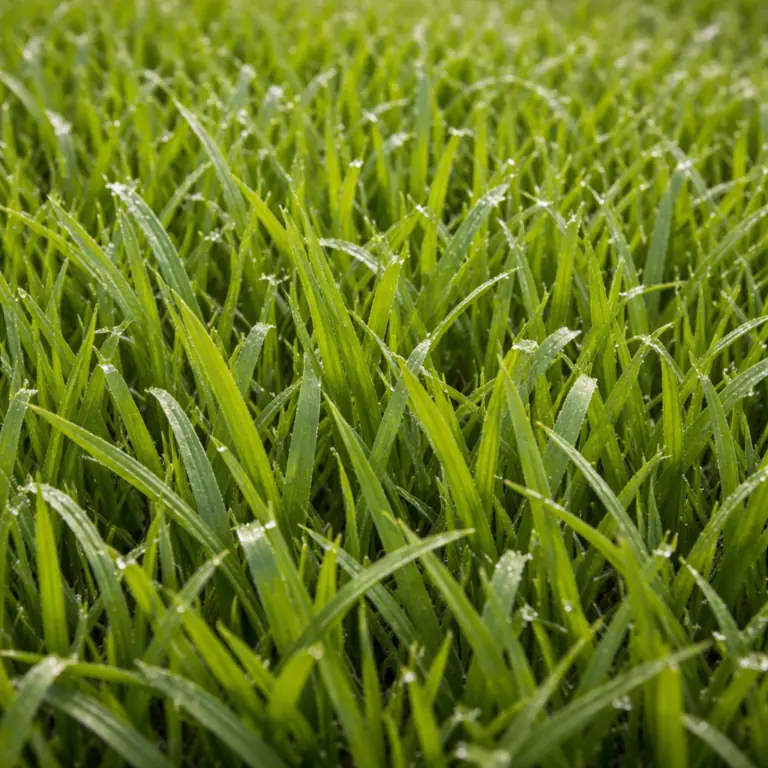
Tall Fescue in Virginia Beach, VA: Care Guide
Is Tall Fescue Right for Virginia Beach?
Tall fescue is an excellent choice for USDA zone 7a (0°F to 5°F winter lows), where it performs as a resilient cool-season grass that can handle the zone's temperature fluctuations and occasional heat stress. This region's climate allows tall fescue to thrive during spring and fall while maintaining reasonable summer performance, unlike northern zones where it stays consistently green. The main challenge in zone 7a is managing the grass during hot summers when temperatures exceed 85°F for extended periods, potentially causing some browning and slower growth. However, tall fescue's deep root system (extending 2-6 feet deep) and drought tolerance make it more heat-resilient than other cool-season grasses, allowing it to survive summer stress that would damage perennial ryegrass or fine fescue.
The seasonal performance cycle in zone 7a follows a predictable pattern, with green-up beginning when soil temperatures reach 50°F in early to mid-March. Peak growth occurs during spring (April-May) and fall (September-October) when temperatures range between 60-75°F, during which the grass maintains its darkest green color and fastest growth rate of 1-3 inches per week. Summer performance varies with heat intensity – during moderate summers, tall fescue remains green but grows slowly, while in hot summers with temperatures above 90°F, it may enter semi-dormancy, turning brown but staying alive. Winter dormancy begins when temperatures consistently drop below 50°F, typically in late November, with the grass turning tan-brown until spring green-up.
Tall fescue requires well-draining soil with a pH between 6.0-7.0 and performs best in full sun to partial shade conditions. In zone 7a, establish it in early fall (late August to mid-September) when soil temperatures are 60-65°F, allowing 6-8 weeks for root development before winter. Water requirements are moderate at 1-1.5 inches per week during active growth periods, reducing to 0.5-1 inch during summer semi-dormancy. The grass needs less frequent but deeper irrigation compared to shallow-rooted alternatives like perennial ryegrass. Compared to warm-season grasses like bermuda or zoysia that are popular in zone 7a, tall fescue provides earlier spring green-up and stays green longer into fall, but requires more summer water and may look less attractive during peak summer heat.
Long-term maintenance expectations include overseeding every 2-3 years at a rate of 4-8 pounds per 1,000 square feet to maintain density, as tall fescue is a bunch-type grass that doesn't spread aggressively. Fertilize with 2-4 pounds of nitrogen per 1,000 square feet annually, split between fall and spring applications. Mow at 3-4 inches height to promote deep rooting and heat tolerance. With proper management, tall fescue lawns in zone 7a can last 15-20 years while providing a durable, traffic-tolerant surface that handles the zone's variable climate better than most cool-season alternatives.
How to Plant Tall Fescue in Virginia Beach
Best Method
Seed establishment
Best Time
September 1-30 (optimal) or March 15-April 30 (secondary)
Establishment
14-21 days
Soil Preparation
Test soil pH and adjust to 6.0-7.0 range, incorporating lime if needed 2-3 months before seeding. Prepare seedbed by tilling 4-6 inches deep, removing debris, and raking to create fine, level surface.
Watering During Establishment
Water lightly 2-3 times daily keeping soil surface moist but not saturated for first 14-21 days. Gradually transition to deeper, less frequent watering once seedlings reach 2 inches tall.
Seed rate: 6-8 lbs per 1000 sq ft for new lawns, 3-4 lbs per 1000 sq ft for overseeding
Tall Fescue Care Calendar for Virginia Beach
Apply pre-emergent herbicide if soil temperature is above 50°F for crabgrass prevention. Avoid foot traffic on frozen or waterlogged turf to prevent damage.
Plan spring renovations and order seed if needed. Begin light dethatching if thatch layer exceeds 0.5 inches thick.
Apply pre-emergent crabgrass control when soil temperature reaches 55-60°F consistently. Begin spring fertilization with 1 lb nitrogen per 1000 sq ft when grass shows active growth.
Overseed thin areas with 2-4 lbs seed per 1000 sq ft when soil temperature is 60-75°F. Begin regular mowing when grass reaches 4-5 inches, cutting to 3 inches.
Continue regular mowing and begin weekly watering schedule if rainfall is less than 1 inch per week. Apply second nitrogen application if using split spring fertilization program.
Raise mowing height to 3.5-4 inches for summer stress tolerance. Deep water 2-3 times per week providing 1-1.5 inches total weekly moisture.
Maintain summer mowing height of 4 inches and reduce mowing frequency during heat stress periods above 85°F. Continue deep watering schedule and avoid fertilization during peak summer heat.
Continue summer care practices and begin planning fall renovation projects. Scout for brown patch disease during humid periods and improve air circulation if needed.
Peak seeding time - overseed at 4-6 lbs per 1000 sq ft when nighttime temperatures drop to 65-70°F. Apply fall fertilizer with 1 lb nitrogen per 1000 sq ft.
Continue fall seeding if not completed in September and maintain consistent moisture for new seedlings. Begin lowering mowing height gradually back to 3 inches.
Apply winterizer fertilizer with potassium emphasis when grass is still actively growing. Complete final mowing of season at 2.5-3 inches when growth slows significantly.
Remove fallen leaves promptly to prevent smothering and disease development. Avoid foot traffic during freeze-thaw cycles to prevent crown damage.
Apply pre-emergent herbicide if soil temperature is above 50°F for crabgrass prevention. Avoid foot traffic on frozen or waterlogged turf to prevent damage.
Plan spring renovations and order seed if needed. Begin light dethatching if thatch layer exceeds 0.5 inches thick.
Apply pre-emergent crabgrass control when soil temperature reaches 55-60°F consistently. Begin spring fertilization with 1 lb nitrogen per 1000 sq ft when grass shows active growth.
Overseed thin areas with 2-4 lbs seed per 1000 sq ft when soil temperature is 60-75°F. Begin regular mowing when grass reaches 4-5 inches, cutting to 3 inches.
Continue regular mowing and begin weekly watering schedule if rainfall is less than 1 inch per week. Apply second nitrogen application if using split spring fertilization program.
Raise mowing height to 3.5-4 inches for summer stress tolerance. Deep water 2-3 times per week providing 1-1.5 inches total weekly moisture.
Maintain summer mowing height of 4 inches and reduce mowing frequency during heat stress periods above 85°F. Continue deep watering schedule and avoid fertilization during peak summer heat.
Continue summer care practices and begin planning fall renovation projects. Scout for brown patch disease during humid periods and improve air circulation if needed.
Peak seeding time - overseed at 4-6 lbs per 1000 sq ft when nighttime temperatures drop to 65-70°F. Apply fall fertilizer with 1 lb nitrogen per 1000 sq ft.
Continue fall seeding if not completed in September and maintain consistent moisture for new seedlings. Begin lowering mowing height gradually back to 3 inches.
Apply winterizer fertilizer with potassium emphasis when grass is still actively growing. Complete final mowing of season at 2.5-3 inches when growth slows significantly.
Remove fallen leaves promptly to prevent smothering and disease development. Avoid foot traffic during freeze-thaw cycles to prevent crown damage.
Mowing Tall Fescue in Virginia Beach
Ideal Height
3 inches
Summer Height
4 inches
Frequency
Weekly during active growth, every 10-14 days during summer stress
- • Never remove more than 1/3 of grass blade length in single mowing
- • Keep mower blades sharp and replace when nicks or tears appear on grass tips
- • Alternate mowing patterns weekly to prevent soil compaction and encourage upright growth
Common Tall Fescue Problems in Virginia Beach
Brown Patch
Symptoms: Circular brown patches 6 inches to several feet wide with dark smoke ring border
Cause: Rhizoctonia solani fungus during hot humid conditions above 80°F
Solution: Improve air circulation, water early morning only, apply preventive fungicide in June-July
Crabgrass Invasion
Symptoms: Light green clumpy annual grass spreading in thin turf areas
Cause: Failed pre-emergent application or thin turf allowing weed establishment
Solution: Apply pre-emergent in March when soil reaches 55°F, overseed to thicken turf density
Summer Dormancy
Symptoms: Brown or tan colored turf during July-August heat periods
Cause: Natural response to temperatures above 85°F and drought stress
Solution: Maintain 4-inch mowing height, deep water 2-3 times weekly, avoid nitrogen fertilizer during heat
Chinch Bug Damage
Symptoms: Irregular yellow to brown patches spreading outward, worst in sunny areas
Cause: Small black insects with white wings feeding on grass crowns
Solution: Apply targeted insecticide in June-July, maintain adequate moisture, overseed damaged areas in fall
Compacted Soil
Symptoms: Hard surface, water runoff, thin turf growth, moss development
Cause: Heavy foot traffic, clay soil, or equipment use on wet conditions
Solution: Core aerate in September or March, topdress with compost, establish traffic patterns
Winter Care for Tall Fescue in Virginia Beach
Apply potassium-rich fertilizer in November when grass is still growing but temperatures consistently drop below 70°F. Gradually lower mowing height to 2.5-3 inches for final cut to reduce snow mold risk while maintaining enough blade length for photosynthesis. Ensure lawn is free of debris and excess thatch before first hard freeze typically occurring in mid to late December.
Frequently Asked Questions
Is Tall Fescue good for Virginia Beach?
Tall Fescue is one of the best choices for Virginia Beach (zone 7a), particularly in the transition zone where summers are too hot for bluegrass but winters are too cold for warm-season grasses. Its deep roots give it excellent drought and heat tolerance for a cool-season grass.
How short should I cut Tall Fescue in Virginia Beach?
Keep Tall Fescue at 3.5–4 inches in Virginia Beach, especially during summer. Taller grass shades the soil, reduces moisture loss, and keeps roots cooler. Never cut more than one-third of the blade in a single mowing.
Does Tall Fescue spread on its own in Virginia Beach?
Unlike Kentucky Bluegrass, Tall Fescue does not spread by rhizomes, it grows in clumps. This means bare patches do not fill in on their own in Virginia Beach. Annual overseeding each fall is recommended to maintain lawn density.