Zoysia Grass in Las Vegas, NV: Care Guide
Is Zoysia Grass Right for Las Vegas?
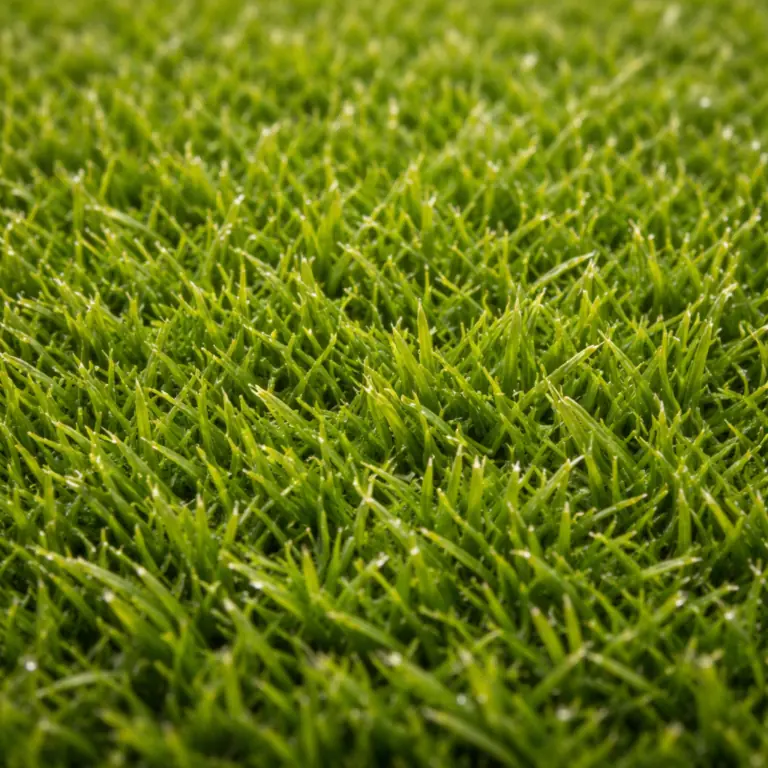
Zoysia grass is an excellent choice for USDA zone 9a, where average minimum winter temperatures range from 20-25°F. This warm-season grass thrives in the zone's long, hot summers and tolerates the occasional cold snaps better than many alternatives. Zoysia's dense growth habit creates a luxurious, carpet-like lawn that handles moderate foot traffic exceptionally well. However, it presents challenges including slow establishment (18-24 months for full coverage), extended dormancy periods, and higher initial costs. The grass also requires patience, as it can take 2-3 growing seasons to develop its characteristic thick, weed-suppressing canopy.
The seasonal performance cycle in zone 9a begins with green-up when soil temperatures consistently reach 65-70°F, typically occurring in mid to late March. Peak growth and color occur during summer months when temperatures range from 80-95°F, with the grass maintaining excellent density and rich green color through September. As soil temperatures drop below 50°F in November, zoysia enters dormancy, turning a golden-tan color that persists for approximately 4-5 months until the following spring green-up. During peak season, expect growth rates of 0.5-1 inch per week, requiring mowing every 7-10 days at a height of 1-2 inches.
Zoysia performs best in well-draining soils with pH levels between 6.0-7.0, though it tolerates a wider range from 5.5-8.0. Once established, it demonstrates exceptional drought tolerance, requiring only 1 inch of water per week during active growth, including rainfall. Deep, infrequent watering promotes strong root development extending 6-8 inches deep. Compared to alternatives like Bermuda grass, zoysia requires less frequent watering and fertilization but grows more slowly. St. Augustine grass may establish faster but lacks zoysia's drought tolerance and fine texture. Centipede grass requires less maintenance but cannot match zoysia's traffic tolerance and density.
Long-term maintenance expectations include annual spring fertilization with 2-3 pounds of nitrogen per 1,000 square feet, split between late spring and midsummer applications. Plan for dethatching every 2-3 years when thatch exceeds 0.5 inches, as zoysia's dense growth can create buildup. Core aeration every 1-2 years helps maintain soil health and water infiltration. Winter overseeding with perennial ryegrass is optional for year-round color but may weaken the zoysia over time. Expect herbicide needs to be minimal once established, as mature zoysia naturally suppresses most weeds through its thick growth habit.
How to Plant Zoysia Grass in Las Vegas
Best Method
Plugs or sod installation
Best Time
Late spring through early summer (April-June) when soil temperature consistently reaches 70°F
Establishment
6-10 weeks for full establishment
Soil Preparation
Till soil to 4-6 inches deep and amend with organic matter to achieve pH between 6.0-7.0. Level and firm the seedbed, ensuring proper drainage to prevent waterlogging.
Watering During Establishment
Water lightly 2-3 times daily for first 2 weeks to keep soil surface moist but not saturated. Gradually reduce frequency to deep watering every other day weeks 3-6, then transition to normal schedule.
Seed rate: 2-3 lbs per 1000 sq ft (if seeding varieties available)
Zoysia Grass Care Calendar for Las Vegas
Apply pre-emergent herbicide when soil temperature reaches 55°F. Begin planning for spring fertilization and assess winter damage.
Continue pre-emergent applications if needed. Remove debris and begin light dethatching if thatch exceeds 0.5 inches.
Apply first spring fertilizer with 1 lb nitrogen per 1000 sq ft when grass begins active growth. Begin regular watering schedule as temperatures warm.
Start regular mowing schedule maintaining 1-2 inch height. Apply post-emergent herbicide for broadleaf weeds as needed.
Increase watering frequency to 2-3 times per week with deep soakings. Apply second nitrogen application of 0.5 lb per 1000 sq ft.
Raise mowing height to 2-3 inches for summer stress tolerance. Water deeply 1-2 inches per week including rainfall.
Monitor for chinch bugs and brown patch disease during peak heat. Maintain consistent watering and avoid fertilizing during extreme heat above 90°F.
Continue summer watering regime and pest monitoring. Begin planning fall overseeding or repair work for thin areas.
Apply fall fertilizer with 1 lb nitrogen per 1000 sq ft. Begin overseeding bare spots and reduce watering frequency as temperatures cool.
Continue fall fertilization program and overseed as needed. Begin reducing mowing frequency as growth slows.
Apply final light fertilizer application of 0.5 lb nitrogen per 1000 sq ft. Reduce watering to once weekly or as needed.
Cease fertilization and reduce mowing to monthly or as needed. Prepare equipment for winter storage and plan next year's care schedule.
Apply pre-emergent herbicide when soil temperature reaches 55°F. Begin planning for spring fertilization and assess winter damage.
Continue pre-emergent applications if needed. Remove debris and begin light dethatching if thatch exceeds 0.5 inches.
Apply first spring fertilizer with 1 lb nitrogen per 1000 sq ft when grass begins active growth. Begin regular watering schedule as temperatures warm.
Start regular mowing schedule maintaining 1-2 inch height. Apply post-emergent herbicide for broadleaf weeds as needed.
Increase watering frequency to 2-3 times per week with deep soakings. Apply second nitrogen application of 0.5 lb per 1000 sq ft.
Raise mowing height to 2-3 inches for summer stress tolerance. Water deeply 1-2 inches per week including rainfall.
Monitor for chinch bugs and brown patch disease during peak heat. Maintain consistent watering and avoid fertilizing during extreme heat above 90°F.
Continue summer watering regime and pest monitoring. Begin planning fall overseeding or repair work for thin areas.
Apply fall fertilizer with 1 lb nitrogen per 1000 sq ft. Begin overseeding bare spots and reduce watering frequency as temperatures cool.
Continue fall fertilization program and overseed as needed. Begin reducing mowing frequency as growth slows.
Apply final light fertilizer application of 0.5 lb nitrogen per 1000 sq ft. Reduce watering to once weekly or as needed.
Cease fertilization and reduce mowing to monthly or as needed. Prepare equipment for winter storage and plan next year's care schedule.
Mowing Zoysia Grass in Las Vegas
Ideal Height
1-2 inches
Summer Height
2-3 inches
Frequency
Weekly during active growth, bi-weekly during slower periods
- • Never remove more than one-third of blade length in single mowing
- • Use sharp blades to prevent tearing and disease entry points
- • Mow when grass is dry to achieve clean cuts and prevent clumping
Common Zoysia Grass Problems in Las Vegas
Brown Patch
Symptoms: Circular brown patches 6 inches to several feet in diameter with darker borders
Cause: Fungal disease thriving in humid conditions with temperatures 75-85°F
Solution: Improve air circulation, avoid evening watering, apply fungicide containing propiconazole or azoxystrobin
Chinch Bugs
Symptoms: Yellowing patches that turn brown, particularly in sunny areas during summer heat
Cause: Small insects that suck plant juices, most active in temperatures above 80°F
Solution: Apply insecticide containing bifenthrin or imidacloprid, maintain adequate soil moisture
Thatch Buildup
Symptoms: Spongy feeling underfoot, water runoff, poor root penetration
Cause: Accumulation of dead grass stems and roots exceeding 0.5 inches thick
Solution: Dethatch in late spring using vertical mower or power rake, improve soil aeration
Iron Deficiency
Symptoms: Yellow-green color with green veins, poor color despite adequate nitrogen
Cause: High soil pH above 7.5 or waterlogged conditions limiting iron uptake
Solution: Apply iron sulfate at 2-5 lbs per 1000 sq ft or foliar iron spray monthly
Scalping Damage
Symptoms: Brown, bare spots after mowing, particularly on uneven terrain
Cause: Cutting below the growing point, removing all green leaf tissue
Solution: Level lawn surface, raise mowing height, mow more frequently during peak growth
Winter Care for Zoysia Grass in Las Vegas
Apply final nitrogen application in November at 0.5 lb per 1000 sq ft to promote root growth before dormancy. Reduce watering frequency to once weekly or less, allowing grass to gradually enter dormancy as temperatures drop below 50°F consistently.
Frequently Asked Questions
Is Zoysia grass a good choice for Las Vegas?
Zoysia is well-suited for Las Vegas (zone 9a). It forms a dense, weed-resistant turf and tolerates both heat and moderate shade better than Bermuda. The tradeoff is slower establishment, expect 1–2 seasons to fill in from plugs or sod.
Does Zoysia grass stay green year-round in Las Vegas?
In Las Vegas, Zoysia goes semi-dormant or fully dormant in winter, turning straw-colored when temperatures drop below 50°F. In warmer zones (9+) it may retain some green through mild winters.
How do I establish Zoysia grass in Las Vegas?
The fastest way to establish Zoysia in Las Vegas is sod or plugs, installed in late spring when soil temperatures are above 65°F. Seed is available but germination is slow. Keep consistently moist for the first 4–6 weeks.