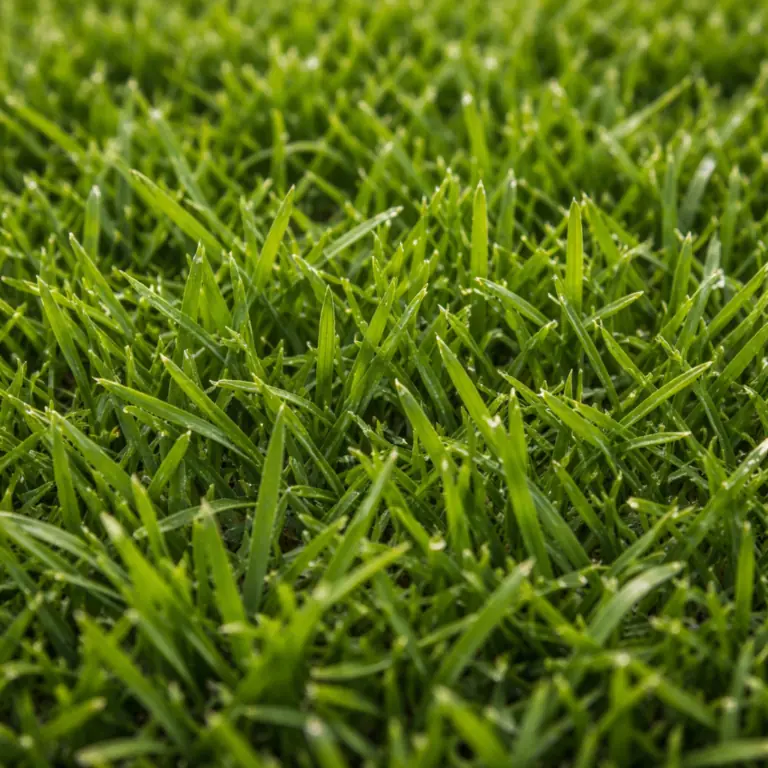
Bermuda Grass in Las Vegas, NV: Care Guide
Is Bermuda Grass Right for Las Vegas?
**Growing Bermuda Grass in USDA Zone 9a: A Complete Guide**
Bermuda grass thrives exceptionally well in USDA zone 9a, making it one of the most popular warm-season turf choices for this region. Zone 9a's mild winters, with minimum temperatures ranging from 20-25°F, provide the perfect environment for Bermuda grass, which enters dormancy when temperatures consistently drop below 50°F but rarely experiences severe cold damage. The long, hot growing season from late spring through early fall allows Bermuda grass to fully capitalize on its aggressive growth habit and excellent heat tolerance. This grass variety can withstand temperatures exceeding 100°F while maintaining its vibrant green color and dense coverage, making it ideal for the intense summer heat common in zone 9a regions.
The seasonal cycle of Bermuda grass in zone 9a follows a predictable pattern that homeowners should understand for optimal lawn management. Active growth begins in late March or early April when soil temperatures consistently reach 65°F, transitioning the grass from its brown dormant state to lush green growth. Peak growing season occurs during the hot summer months of June through August, when the grass spreads rapidly through both stolons and rhizomes. As temperatures cool in late October or November, the grass gradually enters dormancy, turning brown but remaining alive underground. This dormancy period typically lasts 3-4 months, shorter than in cooler zones, giving homeowners more months of active lawn enjoyment.
Regarding soil and water requirements, Bermuda grass demonstrates remarkable adaptability but performs best in well-draining soils with a pH between 6.0-7.0. It tolerates various soil types, from sandy to clay, but struggles in consistently waterlogged conditions. Once established, Bermuda grass shows excellent drought tolerance, requiring only 1-1.25 inches of water weekly during active growth. Deep, infrequent watering encourages strong root development, while frequent shallow watering can lead to thatch buildup and shallow root systems.
Compared to other warm-season grasses like Zoysia or St. Augustine, Bermuda grass offers superior wear tolerance and faster establishment, making it excellent for high-traffic areas and sports fields. However, it requires more maintenance than these alternatives, including regular mowing during peak season, potentially 2-3 times weekly. Annual maintenance should include spring fertilization when growth resumes, pre-emergent herbicide application in early spring, regular dethatching every 2-3 years, and overseeding with ryegrass for winter color if desired. While Bermuda grass can be aggressive and may invade flower beds, proper edging and regular maintenance keep it contained while providing a durable, attractive lawn perfectly suited to zone 9a's climate conditions.
How to Plant Bermuda Grass in Las Vegas
Best Method
Seeding or sodding both work well; sprigging effective for large areas
Best Time
Late spring to early summer (May-July) when soil temps reach 65-70°F consistently
Establishment
Germination: 7-14 days, establishment: 6-10 weeks, full maturity: one full season
Soil Preparation
Till to 4-6 inches, remove debris, establish proper drainage, pH 6.0-7.0, add organic matter
Watering During Establishment
Keep soil consistently moist but not waterlogged; light daily watering first 2 weeks, then deeper less frequent
Seed rate: 1-2 lbs per 1,000 sq ft for seeding; 3-5 lbs for overseeding existing areas
Bermuda Grass Care Calendar for Las Vegas
Apply pre-emergent herbicide for winter weeds Plan irrigation system maintenance Scout for cool-season weed emergence Check soil pH if not done in fall
Continue winter weed control Prepare equipment for spring Order seed or sod for spring projects Apply second pre-emergent if needed
Begin spring fertilization with nitrogen Dethatch if thatch layer exceeds 0.5 inches Start regular irrigation schedule Apply post-emergent herbicide for escaped winter weeds
Increase mowing frequency as growth accelerates Apply full spring fertilizer program Overseed thin areas Begin regular pest monitoring
Maintain consistent watering schedule Apply pre-emergent for summer weeds Continue regular mowing Monitor for spring dead spot
Increase watering frequency for summer heat Apply summer fertilizer Raise mowing height slightly Treat grubs if present
Deep, infrequent watering Monitor for drought stress Continue regular mowing Apply iron if chlorosis occurs
Maintain summer watering schedule Apply late summer fertilizer Scout for chinch bugs Continue regular maintenance
Begin fall fertilization program Reduce watering frequency slightly Lower mowing height gradually Apply post-emergent herbicide for summer weeds
Apply winter fertilizer Reduce watering as temperatures cool Continue mowing until growth slows Begin pre-emergent application timing
Final mowing of season Winterize irrigation system if needed Apply pre-emergent for winter weeds Clean and store equipment
Monitor for winter damage Plan next year's maintenance Avoid foot traffic on dormant grass Review and order supplies for next season
Apply pre-emergent herbicide for winter weeds Plan irrigation system maintenance Scout for cool-season weed emergence Check soil pH if not done in fall
Continue winter weed control Prepare equipment for spring Order seed or sod for spring projects Apply second pre-emergent if needed
Begin spring fertilization with nitrogen Dethatch if thatch layer exceeds 0.5 inches Start regular irrigation schedule Apply post-emergent herbicide for escaped winter weeds
Increase mowing frequency as growth accelerates Apply full spring fertilizer program Overseed thin areas Begin regular pest monitoring
Maintain consistent watering schedule Apply pre-emergent for summer weeds Continue regular mowing Monitor for spring dead spot
Increase watering frequency for summer heat Apply summer fertilizer Raise mowing height slightly Treat grubs if present
Deep, infrequent watering Monitor for drought stress Continue regular mowing Apply iron if chlorosis occurs
Maintain summer watering schedule Apply late summer fertilizer Scout for chinch bugs Continue regular maintenance
Begin fall fertilization program Reduce watering frequency slightly Lower mowing height gradually Apply post-emergent herbicide for summer weeds
Apply winter fertilizer Reduce watering as temperatures cool Continue mowing until growth slows Begin pre-emergent application timing
Final mowing of season Winterize irrigation system if needed Apply pre-emergent for winter weeds Clean and store equipment
Monitor for winter damage Plan next year's maintenance Avoid foot traffic on dormant grass Review and order supplies for next season
Mowing Bermuda Grass in Las Vegas
Ideal Height
0.5-1.5 inches for maintained lawns
Summer Height
1-2 inches during peak heat to reduce stress
Frequency
2-3 times per week during active growing season
- • Never remove more than 1/3 of blade length in single mowing
- • Use sharp blades to prevent tearing and disease
- • Mow when grass is dry to prevent clumping and disease
Common Bermuda Grass Problems in Las Vegas
Brown Patch
Symptoms: Circular brown patches 6 inches to several feet wide with darker borders
Cause: Fungal disease favored by high humidity, warm nights, excessive nitrogen
Solution: Improve air circulation, reduce watering frequency, apply fungicide, reduce nitrogen fertilization
Spring Dead Spot
Symptoms: Circular dead patches that appear in spring, grass doesn't recover in affected areas
Cause: Fungal disease encouraged by excess fall nitrogen and poor drainage
Solution: Avoid fall nitrogen applications, improve drainage, overseed affected areas, apply preventive fungicide
Chinch Bugs
Symptoms: Yellowing grass that progresses to brown, damage often in sunny areas first
Cause: Small insects that suck plant juices, most active in hot weather
Solution: Apply appropriate insecticide, maintain adequate soil moisture, encourage beneficial insects
Grub Damage
Symptoms: Brown patches that feel spongy, grass pulls up easily like carpet
Cause: Beetle larvae feeding on grass roots below soil surface
Solution: Apply grub control in late spring/early summer, maintain healthy turf, beneficial nematodes
Drought Stress
Symptoms: Blue-gray color, wilted appearance, footprints remain visible
Cause: Insufficient water during hot periods, shallow root system
Solution: Deep infrequent watering, improve soil organic matter, temporary irrigation restrictions compliance
Winter Care for Bermuda Grass in Las Vegas
In zone 9a, Bermuda grass enters dormancy around first frost. Apply final fertilization in October with potassium-rich fertilizer to improve cold tolerance. Gradually reduce watering frequency but don't allow complete drying. Stop mowing when growth ceases but keep area clear of debris. May need light winter protection in extreme cold snaps.
Frequently Asked Questions
Is Bermuda grass good for Las Vegas?
Bermuda grass is an excellent choice for Las Vegas (zone 9a). It thrives in heat and drought conditions, making it ideal for sunny lawns that see heavy foot traffic.
When does Bermuda grass go dormant in Las Vegas?
In Las Vegas, Bermuda grass typically goes dormant when soil temperatures drop below 55°F, usually November–December. It turns brown but recovers fully in spring once temperatures rise again.
How often should I mow Bermuda grass in Las Vegas?
Mow Bermuda grass every 5–7 days during its active growing season in Las Vegas (spring through early fall). Keep the height at 1–1.5 inches, Bermuda is one of the few grasses that does better when cut short.