Bahiagrass in Houston, TX: Care Guide
Is Bahiagrass Right for Houston?
Bahiagrass thrives exceptionally well in USDA zone 9a, making it one of the most popular warm-season grass choices for homeowners and landscapers in this region. This hardy grass variety is perfectly suited to zone 9a's mild winters and hot, humid summers, with its ability to tolerate temperatures that occasionally dip to 20-25°F without significant damage. Originally from South America, Bahiagrass has adapted brilliantly to the Gulf Coast and southeastern United States, demonstrating remarkable drought tolerance and resilience to heavy foot traffic. Its deep root system, which can extend up to 8 feet underground, allows it to access moisture and nutrients that other grasses cannot reach, making it ideal for areas with sandy soils common in zone 9a.
The seasonal cycle of Bahiagrass in zone 9a follows a predictable warm-season pattern. Growth begins in earnest when soil temperatures consistently reach 65-70°F, typically in mid to late March. Peak growth occurs during the hot summer months of June through August, when the grass develops its characteristic thick, dense mat. As temperatures cool in October and November, growth slows dramatically, and the grass enters dormancy when exposed to the first frost, turning a tan or brown color until spring returns. For soil and water requirements, Bahiagrass is remarkably adaptable but performs best in well-draining soils with a pH between 5.5 and 6.5. While drought-tolerant once established, it benefits from deep, infrequent watering during dry spells, requiring approximately 1 inch of water per week during active growing season.
Compared to other warm-season grasses like Bermuda or Zoysia, Bahiagrass offers distinct advantages and trade-offs in zone 9a. While Bermuda grass provides a finer texture and denser coverage, Bahiagrass requires significantly less maintenance and inputs. Zoysia offers superior cold tolerance and a more manicured appearance, but Bahiagrass establishes faster and costs considerably less. Bahiagrass also outperforms cool-season alternatives in zone 9a's climate, as fescue and ryegrass struggle with the intense summer heat and humidity.
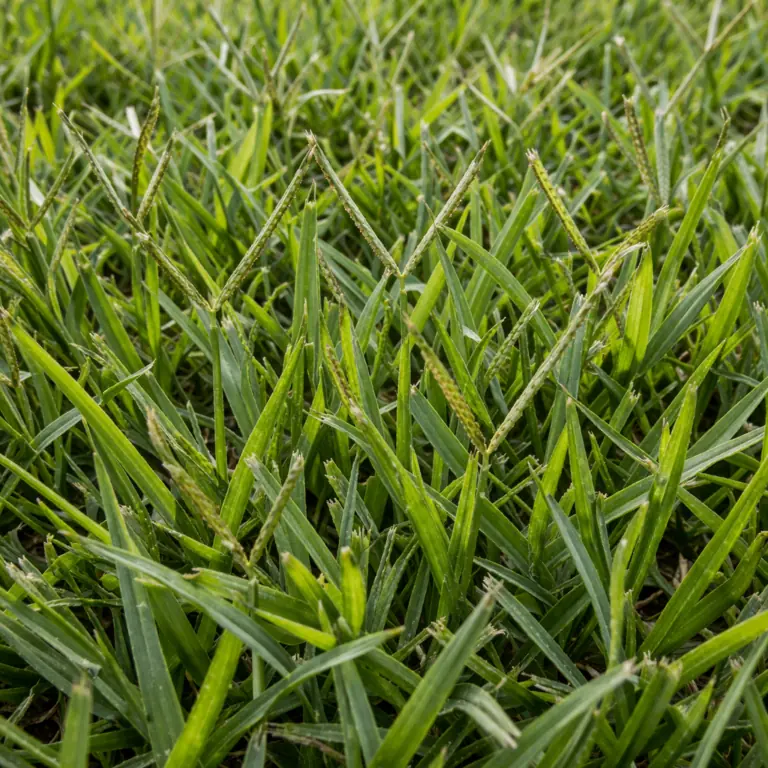
Maintenance requirements for Bahiagrass in zone 9a are refreshingly minimal, contributing to its popularity among busy homeowners. Mowing should occur every 7-14 days during peak growing season, maintaining a height of 3-4 inches to promote deep root development and drought resistance. Fertilization needs are modest, typically requiring only 2-3 pounds of nitrogen per 1,000 square feet annually, applied in split applications during spring and early summer. The grass rarely requires overseeding due to its spreading growth habit, and pest problems are generally minimal. However, Bahiagrass can produce prominent seed heads that some find aesthetically unappealing, requiring more frequent mowing during peak season to maintain a uniform appearance. Overall, Bahiagrass represents an excellent low-maintenance option for zone 9a landscapes prioritizing durability over manicured perfection.
How to Plant Bahiagrass in Houston
Best Method
Seed broadcasting followed by light raking
Best Time
March-April or September-October when soil temperature reaches 65-70°F
Establishment
Germination: 10-21 days, Establishment: 60-90 days, Full maturity: 6-12 months
Soil Preparation
Till to 4-6 inches deep, remove debris, level surface, ensure pH 5.8-6.5
Watering During Establishment
Daily light watering (0.25 inches) until germination, then every 2-3 days with 0.5-0.75 inches
Seed rate: 5-8 lbs per 1,000 sq ft for new lawns, 3-5 lbs per 1,000 sq ft for overseeding
Bahiagrass Care Calendar for Houston
Plan spring planting/overseeding Soil test if needed Equipment maintenance Remove winter debris
Begin soil preparation for spring planting Pre-emergent herbicide application Light fertilization if grass is active Overseed thin areas on warm days
Primary planting/overseeding window begins Apply starter fertilizer Begin regular watering schedule First light mowing if growth starts
Continue planting/overseeding Increase mowing frequency Monitor for spring weeds Begin pest monitoring
Peak growing season begins Regular mowing schedule Apply balanced fertilizer Increase watering as temperatures rise
Maintain regular mowing Deep, infrequent watering Monitor for pests and diseases Edge and trim regularly
Raise mowing height for summer stress Continue deep watering Watch for drought stress Apply summer fertilizer if needed
Maintain summer care routine Monitor soil moisture closely Prepare for fall overseeding Control summer weeds
Second planting window opens Fall fertilizer application Overseed thin areas Begin reducing watering frequency
Continue fall establishment Monitor new seedlings Prepare irrigation system for winter Last major fertilizer application
Gradually reduce maintenance Winterize irrigation if needed Final mowing at slightly higher height Clean up fallen leaves
Minimal activity period Plan for next year Equipment storage and maintenance Monitor for winter damage
Plan spring planting/overseeding Soil test if needed Equipment maintenance Remove winter debris
Begin soil preparation for spring planting Pre-emergent herbicide application Light fertilization if grass is active Overseed thin areas on warm days
Primary planting/overseeding window begins Apply starter fertilizer Begin regular watering schedule First light mowing if growth starts
Continue planting/overseeding Increase mowing frequency Monitor for spring weeds Begin pest monitoring
Peak growing season begins Regular mowing schedule Apply balanced fertilizer Increase watering as temperatures rise
Maintain regular mowing Deep, infrequent watering Monitor for pests and diseases Edge and trim regularly
Raise mowing height for summer stress Continue deep watering Watch for drought stress Apply summer fertilizer if needed
Maintain summer care routine Monitor soil moisture closely Prepare for fall overseeding Control summer weeds
Second planting window opens Fall fertilizer application Overseed thin areas Begin reducing watering frequency
Continue fall establishment Monitor new seedlings Prepare irrigation system for winter Last major fertilizer application
Gradually reduce maintenance Winterize irrigation if needed Final mowing at slightly higher height Clean up fallen leaves
Minimal activity period Plan for next year Equipment storage and maintenance Monitor for winter damage
Mowing Bahiagrass in Houston
Ideal Height
2.5-4 inches
Summer Height
3.5-4 inches to reduce heat stress
Frequency
Weekly during active growth (April-October), bi-weekly or as needed in winter
- • Never remove more than 1/3 of blade length in single mowing
- • Keep mower blades sharp for clean cuts
- • Mulch clippings to return nutrients to soil
Common Bahiagrass Problems in Houston
Brown Patch
Symptoms: Circular brown patches 6 inches to several feet wide with darker borders
Cause: Fungal disease favored by high humidity, overwatering, and poor air circulation
Solution: Improve drainage, reduce nitrogen, increase air circulation, apply fungicide if severe
Chinch Bugs
Symptoms: Yellowing grass that progresses to brown dead patches, especially in sunny areas
Cause: Hot, dry conditions stress grass while bugs multiply rapidly
Solution: Maintain adequate moisture, apply targeted insecticide, overseed damaged areas
Dollar Spot
Symptoms: Small silver dollar-sized brown spots with white mycelium visible in morning dew
Cause: Fungal disease enhanced by low nitrogen, drought stress, and poor air movement
Solution: Apply nitrogen fertilizer, improve watering practices, ensure good air circulation
Armyworms
Symptoms: Chewed grass blades, brown patches appearing overnight, visible caterpillars
Cause: Moth larvae that feed on grass blades, especially during warm evenings
Solution: Apply appropriate insecticide at first sign, maintain healthy grass, monitor regularly
Drought Stress
Symptoms: Wilting, blue-gray color, footprints remain visible, grass feels crispy
Cause: Insufficient water during hot periods or poor root development
Solution: Deep, infrequent watering, improve soil drainage, raise mowing height, reduce traffic
Winter Care for Bahiagrass in Houston
In USDA zone 9a, Bahiagrass typically remains green through winter but grows slowly. Apply final fertilizer in October, gradually reduce watering frequency, raise mowing height slightly for last cuts, and ensure irrigation system is protected from occasional freezes. Minimal dormancy occurs, so light maintenance may continue as needed.
Frequently Asked Questions
Is Bahiagrass good for Houston?
Bahiagrass is an excellent choice for Houston (zone 9a) if you want a low-maintenance lawn that can handle drought, sandy soils, and minimal fertilizer. It is particularly dominant in Florida and coastal Gulf regions.
How do I control Bahiagrass seed heads in Houston?
Bahiagrass produces tall Y-shaped seed stalks throughout summer in Houston that grow faster than the blades. Mow every 5–7 days in peak summer to stay ahead of them, or use a plant growth regulator to slow seed head production.
Does Bahiagrass need a lot of fertilizer in Houston?
Bahiagrass needs very little fertilizer compared to other warm-season grasses in Houston. Apply 2–3 lbs of nitrogen per 1,000 sq ft per year, split into 2 applications (spring and midsummer). Over-fertilizing causes excessive thatch buildup.