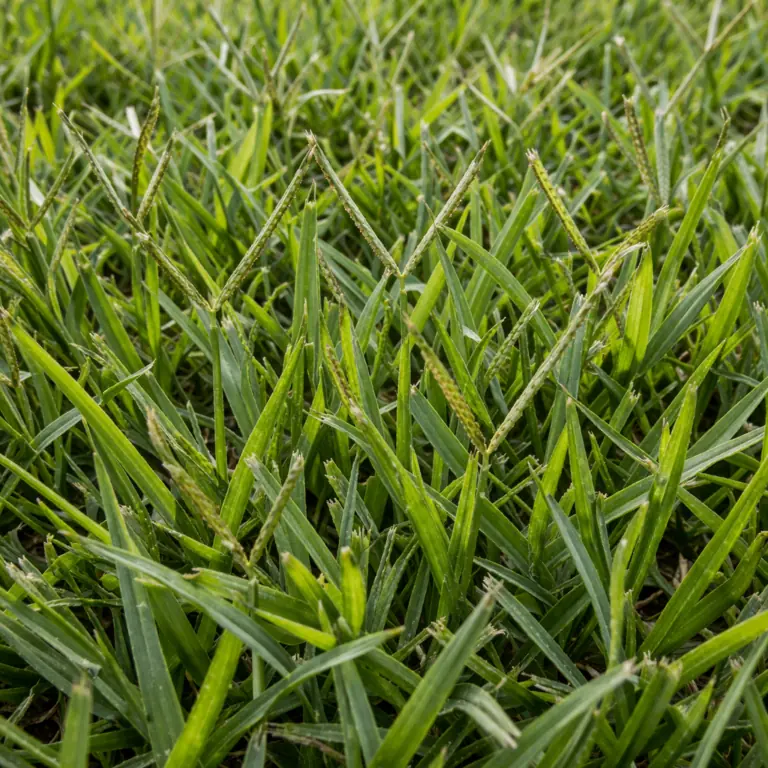
Bahiagrass in San Juan, PR: Care Guide
Is Bahiagrass Right for San Juan?
Bahiagrass is an excellent warm-season grass choice for USDA zone 10b, thriving in the consistently warm temperatures and extended growing season this subtropical climate provides. With year-round temperatures rarely dropping below 35-40°F, zone 10b offers the ideal conditions for Bahiagrass to maintain active growth for most of the year. This hardy grass variety, originally from South America, demonstrates exceptional heat tolerance and performs well in areas where other grasses might struggle with intense summer conditions. The minimal winter dormancy period in zone 10b means Bahiagrass maintains its green color longer than in cooler zones, making it particularly attractive for homeowners and landscapers seeking consistent year-round coverage.
Bahiagrass follows a predictable seasonal cycle in zone 10b, with peak growth occurring during the warmest months from late spring through early fall. The grass begins its most vigorous growth phase as temperatures consistently reach the 70s in spring, continuing robust development through summer's heat. Unlike in cooler zones where Bahiagrass goes completely dormant, zone 10b's mild winters allow for continued slow growth, with the grass only slowing rather than stopping entirely. Regarding soil and water requirements, Bahiagrass is notably adaptable, tolerating poor, sandy soils and drought conditions better than many alternatives. It prefers well-draining soil with a pH between 6.0 and 7.0 but can handle slightly acidic to neutral conditions. While drought-tolerant once established, regular watering during the first growing season helps develop a strong root system, after which it typically requires only supplemental irrigation during extended dry periods.
When compared to other warm-season grasses suitable for zone 10b, Bahiagrass offers distinct advantages and trade-offs. Unlike Bermuda grass, which requires more frequent watering and fertilization, Bahiagrass is significantly more low-maintenance and cost-effective. However, it doesn't provide the fine texture of Zoysia or the lush appearance of St. Augustine grass. Bahiagrass excels in areas with foot traffic and recovers well from wear, making it ideal for play areas and high-use lawns. Maintenance requirements are minimal compared to other grass types. Mowing every 7-14 days during peak growing season keeps it at optimal height of 2-4 inches, while fertilization needs are modest—typically requiring only 2-3 applications per year of a balanced fertilizer. The grass benefits from annual overseeding in early spring to maintain density, and occasional dethatching helps prevent buildup of organic matter. Its natural resistance to many pests and diseases common in humid subtropical climates makes it particularly well-suited for zone 10b's environmental challenges.
How to Plant Bahiagrass in San Juan
Best Method
Seed broadcasting or hydroseeding for large areas, plugs for small areas
Best Time
Late spring to early summer (April-June) for optimal establishment
Establishment
Germination in 14-21 days, establishment in 60-90 days, full coverage in 4-6 months
Soil Preparation
Till soil 4-6 inches deep, remove debris, ensure pH 5.5-6.5, add organic matter if soil is sandy
Watering During Establishment
Keep soil consistently moist but not waterlogged, water lightly 2-3 times daily for first 3 weeks, then reduce to deep watering every other day
Seed rate: 8-10 pounds per 1,000 square feet for broadcast seeding
Bahiagrass Care Calendar for San Juan
Light fertilization if soil test indicates deficiency Minimal watering during coolest period Monitor for pests and diseases
Begin pre-spring soil testing Clean up any winter debris Prepare equipment for growing season
First major fertilization (balanced NPK) Begin regular watering schedule Start active mowing as growth resumes
Overseed thin areas Apply pre-emergent herbicide for weeds Increase watering frequency Begin bi-weekly mowing
Peak growth maintenance Weekly mowing Deep watering 2-3 times per week Monitor for chinch bugs
Summer fertilization Maintain consistent moisture Weekly mowing at higher setting Apply fungicide if needed
Peak summer care Frequent watering due to heat Monitor for drought stress Continue weekly mowing
Maintain summer watering schedule Watch for disease in humid conditions Continue regular mowing Apply iron if yellowing occurs
Fall fertilization Reduce watering frequency slightly Continue regular mowing Overseed damaged areas
Reduce fertilization Monitor growth rate changes Adjust mowing frequency as growth slows Prepare for cooler season
Minimal fertilization Reduce watering frequency Less frequent mowing needed Clean and store summer equipment
Dormant season care Minimal watering Infrequent mowing only if needed Plan for next year improvements
Light fertilization if soil test indicates deficiency Minimal watering during coolest period Monitor for pests and diseases
Begin pre-spring soil testing Clean up any winter debris Prepare equipment for growing season
First major fertilization (balanced NPK) Begin regular watering schedule Start active mowing as growth resumes
Overseed thin areas Apply pre-emergent herbicide for weeds Increase watering frequency Begin bi-weekly mowing
Peak growth maintenance Weekly mowing Deep watering 2-3 times per week Monitor for chinch bugs
Summer fertilization Maintain consistent moisture Weekly mowing at higher setting Apply fungicide if needed
Peak summer care Frequent watering due to heat Monitor for drought stress Continue weekly mowing
Maintain summer watering schedule Watch for disease in humid conditions Continue regular mowing Apply iron if yellowing occurs
Fall fertilization Reduce watering frequency slightly Continue regular mowing Overseed damaged areas
Reduce fertilization Monitor growth rate changes Adjust mowing frequency as growth slows Prepare for cooler season
Minimal fertilization Reduce watering frequency Less frequent mowing needed Clean and store summer equipment
Dormant season care Minimal watering Infrequent mowing only if needed Plan for next year improvements
Mowing Bahiagrass in San Juan
Ideal Height
2-3 inches
Summer Height
3-4 inches to protect roots from intense heat
Frequency
Weekly during active growing season (March-September), bi-weekly or monthly during cooler months
- • Never remove more than 1/3 of blade length in single mowing
- • Keep mower blades sharp to prevent tearing
- • Mow when grass is dry to prevent disease spread
Common Bahiagrass Problems in San Juan
Brown Patch Disease
Symptoms: Circular brown patches 6 inches to several feet in diameter, darker ring around perimeter
Cause: High humidity, overwatering, poor air circulation, excessive nitrogen
Solution: Improve drainage, reduce watering frequency, apply fungicide, increase air circulation
Chinch Bug Infestation
Symptoms: Yellow to brown irregular patches, stunted growth, visible small black bugs
Cause: Hot, dry conditions, overfertilization with nitrogen, thatch buildup
Solution: Apply appropriate insecticide, improve irrigation, dethatch if necessary, avoid over-fertilizing
Dollar Spot Disease
Symptoms: Small silver-dollar sized brown spots, white mycelium visible in morning dew
Cause: Low nitrogen levels, drought stress, poor air circulation
Solution: Apply balanced fertilizer, ensure adequate watering, improve air flow, fungicide application if severe
Thatch Accumulation
Symptoms: Spongy feeling when walking, water runoff, reduced grass vigor
Cause: Overfertilization, infrequent mowing, poor soil conditions
Solution: Dethatch mechanically, reduce fertilization, improve soil aeration, adjust mowing frequency
Iron Deficiency Chlorosis
Symptoms: Yellowing grass blades while veins remain green, poor color despite fertilization
Cause: High soil pH, poor iron availability, overwatering
Solution: Apply iron sulfate or chelated iron, improve drainage, adjust soil pH if necessary
Winter Care for Bahiagrass in San Juan
In USDA zone 10b, Bahiagrass requires minimal winterization as it remains semi-active year-round. Reduce watering to once weekly, cease fertilization after October, raise mowing height slightly, and avoid heavy foot traffic during the brief slower growth period from December through February.
Frequently Asked Questions
Is Bahiagrass good for San Juan?
Bahiagrass is an excellent choice for San Juan (zone 10b) if you want a low-maintenance lawn that can handle drought, sandy soils, and minimal fertilizer. It is particularly dominant in Florida and coastal Gulf regions.
How do I control Bahiagrass seed heads in San Juan?
Bahiagrass produces tall Y-shaped seed stalks throughout summer in San Juan that grow faster than the blades. Mow every 5–7 days in peak summer to stay ahead of them, or use a plant growth regulator to slow seed head production.
Does Bahiagrass need a lot of fertilizer in San Juan?
Bahiagrass needs very little fertilizer compared to other warm-season grasses in San Juan. Apply 2–3 lbs of nitrogen per 1,000 sq ft per year, split into 2 applications (spring and midsummer). Over-fertilizing causes excessive thatch buildup.