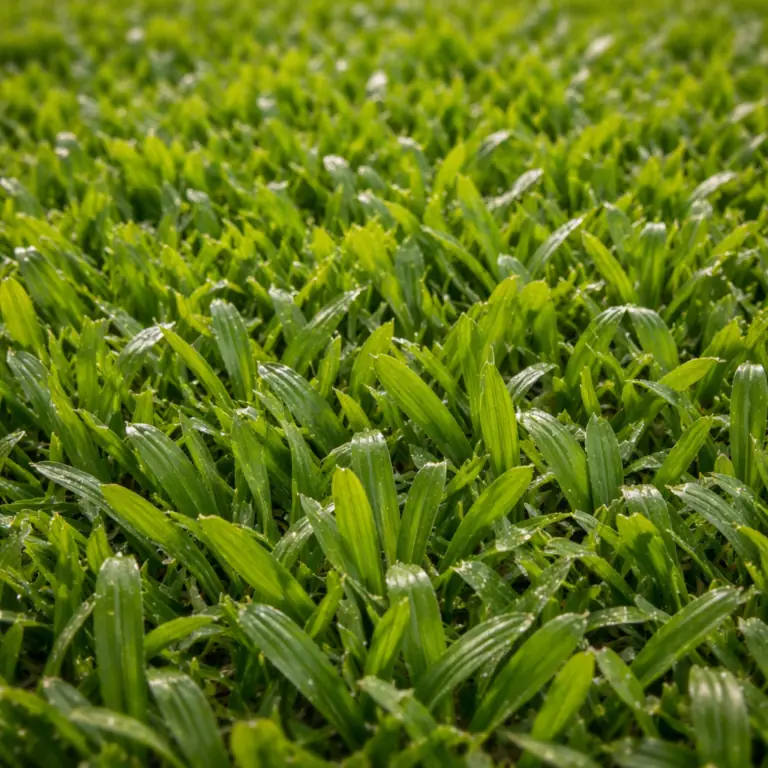
St. Augustine Grass in San Juan, PR: Care Guide
Is St. Augustine Grass Right for San Juan?
St. Augustine grass is an exceptional choice for USDA zone 10b, where year-round temperatures rarely drop below 35-40°F. This warm-season grass thrives in the tropical and subtropical conditions of southern Florida, Hawaii, and similar climates, maintaining its lush, broad-bladed appearance virtually year-round. Unlike cooler zones where St. Augustine experiences true dormancy, zone 10b allows this grass to remain green and actively growing for 10-11 months annually. The grass begins its most vigorous growth when soil temperatures consistently reach 65-70°F, typically maintaining peak performance from late spring through early fall when temperatures range between 80-95°F. During the brief "winter" period when temperatures occasionally dip into the 40s-50s, growth simply slows rather than stopping entirely, with only minimal browning occurring during rare cold snaps.
The primary challenges in zone 10b stem from intense heat, humidity, and frequent rainfall rather than cold stress. St. Augustine requires well-draining soil with a pH between 6.0-8.5, as the combination of high temperatures and poor drainage can lead to fungal diseases like brown patch and gray leaf spot. Water management becomes critical during the wet season, requiring 1-1.5 inches per week including rainfall, but ensuring proper drainage to prevent waterlogged conditions. The grass develops a deep root system in these favorable conditions, typically extending 6-8 inches deep, which helps it withstand brief dry periods between the region's intense rainfall events.
Compared to alternatives like Bermuda grass or Zoysia, St. Augustine offers superior shade tolerance, thriving in areas receiving as little as 4-6 hours of direct sunlight, making it ideal for landscapes with palm trees or structures. However, it's more susceptible to insect damage, particularly from chinch bugs and grubs, which are active year-round in zone 10b's warm climate. Bermuda grass offers better wear tolerance but requires full sun, while Zoysia provides a denser carpet but grows more slowly in establishment.
Long-term maintenance in zone 10b requires vigilance against disease and pest pressure due to the extended growing season. Expect to fertilize 4-6 times annually with a balanced fertilizer, applying approximately 4-6 pounds of nitrogen per 1,000 square feet per year. Mowing frequency remains high, typically weekly during peak season and bi-weekly during slower winter growth, maintaining height between 3-4 inches. The grass will need periodic dethatching every 2-3 years and overseeding of thin areas, though its aggressive spreading habit through stolons helps maintain density. With proper care, St. Augustine can provide 15-20 years of reliable performance before requiring major renovation, making it a worthwhile long-term investment for zone 10b landscapes.
How to Plant St. Augustine Grass in San Juan
Best Method
Sod installation or plugs spaced 12-18 inches apart
Best Time
March through October, with May-August being optimal for fastest establishment
Establishment
2-3 weeks for initial rooting, 6-8 weeks for full establishment
Soil Preparation
Till soil to 4-6 inches deep and incorporate 2-3 inches of organic compost or aged manure. Ensure pH is between 6.0-7.0 and improve drainage in heavy clay soils.
Watering During Establishment
Water daily for first 2 weeks providing 0.5 inches per day to keep soil consistently moist. Gradually reduce to every other day in weeks 3-4, then transition to deep weekly watering.
Seed rate: Not applicable - St. Augustine does not produce viable seed
St. Augustine Grass Care Calendar for San Juan
Apply pre-emergent herbicide early in the month to prevent weeds from germinating as soil temperature rises. Begin light fertilization with 1 pound nitrogen per 1,000 sq ft if grass is actively growing.
Increase watering frequency as temperatures rise and growth accelerates. Apply balanced fertilizer (16-4-8) at 1 pound nitrogen per 1,000 sq ft mid-month.
Begin regular mowing schedule as grass enters active growth phase. Apply second pre-emergent application if needed for summer weeds.
Increase fertilization to every 6-8 weeks with complete fertilizer containing micronutrients. Begin pest monitoring for chinch bugs and grubs.
Apply heavy fertilization (1.5 pounds nitrogen per 1,000 sq ft) for peak growing season. Increase watering to 1-1.5 inches per week including rainfall.
Monitor closely for fungal diseases as humidity increases with summer rains. Apply fungicide preventively if brown patch or gray leaf spot appear.
Continue regular fertilization schedule and maintain consistent watering during peak heat. Raise mowing height to reduce stress from temperatures above 90°F.
Apply iron supplement if yellowing occurs during intense summer heat. Scout for fall armyworms which peak in late summer.
Reduce fertilization frequency as growth slows slightly. Continue disease prevention as humidity remains high.
Apply final heavy fertilization of the year to maintain winter color. Overseed thin areas with St. Augustine plugs or sod.
Reduce watering frequency but maintain soil moisture as growth slows. Apply light nitrogen fertilizer (0.5 pounds per 1,000 sq ft) if needed for color.
Maintain minimal fertilization and watering as grass remains semi-active. Clean up fallen leaves to prevent disease development.
Apply pre-emergent herbicide early in the month to prevent weeds from germinating as soil temperature rises. Begin light fertilization with 1 pound nitrogen per 1,000 sq ft if grass is actively growing.
Increase watering frequency as temperatures rise and growth accelerates. Apply balanced fertilizer (16-4-8) at 1 pound nitrogen per 1,000 sq ft mid-month.
Begin regular mowing schedule as grass enters active growth phase. Apply second pre-emergent application if needed for summer weeds.
Increase fertilization to every 6-8 weeks with complete fertilizer containing micronutrients. Begin pest monitoring for chinch bugs and grubs.
Apply heavy fertilization (1.5 pounds nitrogen per 1,000 sq ft) for peak growing season. Increase watering to 1-1.5 inches per week including rainfall.
Monitor closely for fungal diseases as humidity increases with summer rains. Apply fungicide preventively if brown patch or gray leaf spot appear.
Continue regular fertilization schedule and maintain consistent watering during peak heat. Raise mowing height to reduce stress from temperatures above 90°F.
Apply iron supplement if yellowing occurs during intense summer heat. Scout for fall armyworms which peak in late summer.
Reduce fertilization frequency as growth slows slightly. Continue disease prevention as humidity remains high.
Apply final heavy fertilization of the year to maintain winter color. Overseed thin areas with St. Augustine plugs or sod.
Reduce watering frequency but maintain soil moisture as growth slows. Apply light nitrogen fertilizer (0.5 pounds per 1,000 sq ft) if needed for color.
Maintain minimal fertilization and watering as grass remains semi-active. Clean up fallen leaves to prevent disease development.
Mowing St. Augustine Grass in San Juan
Ideal Height
2.5-3 inches
Summer Height
3-4 inches during peak heat (June-August)
Frequency
Weekly during active growth, every 10-14 days during slower periods
- • Never remove more than 1/3 of blade length in a single cutting
- • Maintain sharp mower blades to prevent brown, frayed edges that invite disease
- • Mow when grass is dry, preferably in early morning or late afternoon
Common St. Augustine Grass Problems in San Juan
Brown Patch
Symptoms: Circular brown patches 6 inches to several feet in diameter with dark ring borders
Cause: Rhizoctonia fungus thriving in temperatures 75-85°F with high humidity
Solution: Apply fungicide containing propiconazole or azoxystrobin, improve air circulation, reduce nitrogen fertilization
Gray Leaf Spot
Symptoms: Small gray lesions with dark borders on leaf blades, eventually causing leaf death
Cause: Pyricularia fungus promoted by excessive moisture and nitrogen
Solution: Reduce watering frequency, apply fungicide with strobilurin active ingredient, avoid high nitrogen fertilization during humid periods
Chinch Bug Damage
Symptoms: Irregular yellow to brown patches that expand outward, grass pulls up easily
Cause: Small black and white insects feeding on grass stems, especially during hot dry periods
Solution: Apply insecticide containing bifenthrin or imidacloprid, maintain adequate soil moisture, overseed damaged areas
Take-All Root Rot
Symptoms: Yellowing grass that progresses to brown patches, black roots that break easily
Cause: Gaeumannomyces fungus attacking root system, often in alkaline soils
Solution: Lower soil pH with sulfur applications, apply fungicide containing propiconazole, improve drainage and reduce thatch
Decline/Dieback
Symptoms: General thinning and yellowing of grass, poor growth response to fertilization
Cause: Combination of viral diseases, environmental stress, and poor soil conditions
Solution: Improve soil drainage and aeration, maintain proper pH, reduce foot traffic, consider variety replacement with resistant cultivars
Winter Care for St. Augustine Grass in San Juan
In zone 10b, St. Augustine grass remains semi-active through winter, requiring minimal winterization. Reduce fertilization to light applications of nitrogen (0.25-0.5 pounds per 1,000 sq ft) monthly and decrease watering frequency while maintaining soil moisture during dry periods.
Frequently Asked Questions
Is St. Augustine grass right for San Juan?
St. Augustine is one of the top choices for San Juan (zone 10b) due to its excellent heat tolerance and shade performance. It is particularly dominant in Florida and Gulf Coast regions where humidity is high.
How do I fix brown patches on St. Augustine in San Juan?
Brown patch on St. Augustine in San Juan is usually caused by a fungal disease triggered by overwatering and high humidity. Reduce watering frequency, improve drainage, and apply a fungicide labeled for brown patch if the problem persists.
Can I grow St. Augustine from seed in San Juan?
St. Augustine is not reliably available as seed, it must be established from sod or plugs in San Juan. Install sod in late spring for best results, and keep it well-watered for the first 3–4 weeks until roots establish.