Annual Ryegrass in Las Vegas, NV: Care Guide
Is Annual Ryegrass Right for Las Vegas?
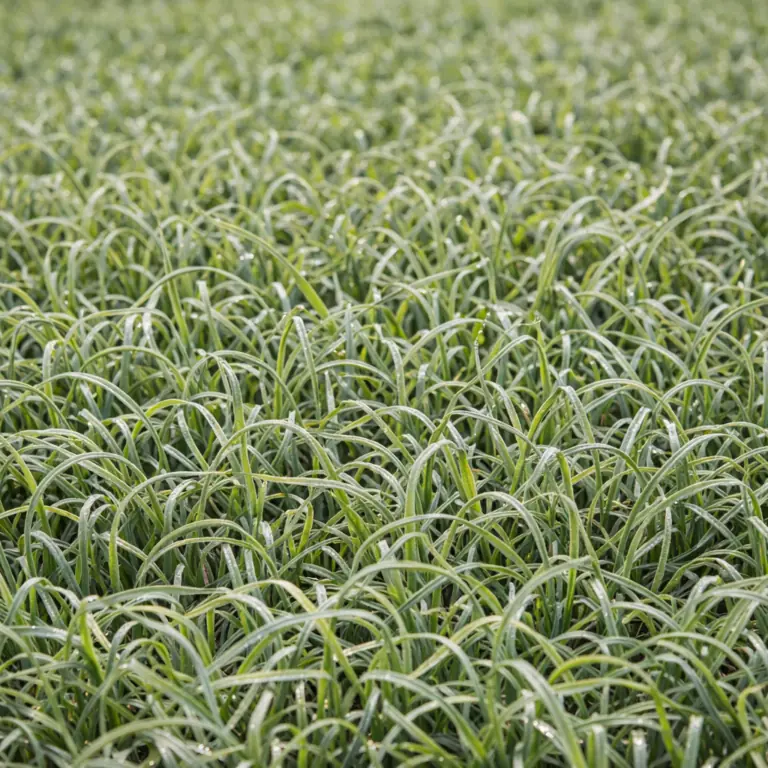
Annual ryegrass (Lolium multiflorum) is an excellent cool-season grass choice for USDA zone 9a, where mild winters and hot summers create ideal conditions for this adaptable species. Zone 9a's winter temperatures rarely drop below 20-25°F, allowing annual ryegrass to thrive during the cooler months when warm-season grasses go dormant. This grass excels in zone 9a because it can establish quickly in fall, provide lush green coverage throughout winter and spring, then naturally decline as summer heat arrives. The moderate climate allows for extended growing periods, making it perfect for overseeding warm-season lawns, erosion control, or temporary pasture improvement.
The seasonal cycle of annual ryegrass in zone 9a begins with fall planting, typically from September through November when soil temperatures drop to 50-65°F. Seeds germinate rapidly within 7-14 days under proper conditions, establishing a robust root system before winter. During winter months, the grass maintains steady growth, reaching peak performance in spring when temperatures range from 60-75°F. As summer approaches and temperatures consistently exceed 85°F, the grass naturally dies back, completing its annual cycle. This timing works perfectly with warm-season grasses like Bermuda or Zoysia, which begin active growth as ryegrass declines.
Annual ryegrass adapts to various soil types but performs best in well-draining soils with pH between 5.5-7.5. It tolerates clay soils better than many cool-season grasses, making it suitable for diverse zone 9a landscapes. Water requirements are moderate, needing approximately 1 inch per week during active growth periods. Deep, infrequent watering promotes stronger root development. Compared to perennial ryegrass, annual ryegrass establishes faster and costs less but requires yearly reseeding. Unlike fescue varieties, it has lower drought tolerance but better heat tolerance than other northern cool-season grasses, making it uniquely suited for zone 9a's transitional climate.
Maintenance requirements are relatively minimal, making annual ryegrass attractive for homeowners and landscapers. Fertilize at planting with a balanced starter fertilizer, then apply nitrogen-rich fertilizer monthly during active growth periods. Mow regularly to maintain 2-3 inch height, which promotes density and prevents seed head formation. In spring, gradually raise mowing height as temperatures increase to reduce stress on the declining grass. Overwatering should be avoided as it can promote fungal diseases, particularly in humid zone 9a conditions. Since the grass naturally dies in summer, no herbicide treatment is necessary for removal. Plan for reseeding each fall to maintain consistent coverage, and consider mixing with other cool-season varieties for improved disease resistance and extended performance throughout the growing season.
How to Plant Annual Ryegrass in Las Vegas
Best Method
Direct seeding with light soil coverage
Best Time
Late September through November
Establishment
Germination 7-14 days, establishment 4-6 weeks
Soil Preparation
Till to 4-6 inches, remove debris, add compost, level and firm lightly
Watering During Establishment
Daily light watering for first 2 weeks, then every other day until established
Seed rate: 20-40 pounds per acre (1-2 lbs per 1000 sq ft)
Annual Ryegrass Care Calendar for Las Vegas
Monitor growth, light fertilization if needed, continue regular watering
Peak growing season - maintain mowing schedule, apply nitrogen fertilizer, overseed thin areas
Continue regular maintenance, prepare for spring transition, reduce watering frequency
Begin transition planning, reduce fertilization, allow grass to set seed if desired
Prepare soil for summer grass or other plantings, final mowing before die-off
Remove spent grass, prepare beds for summer crops, soil amendments
Summer break - plan fall seeding, soil testing, irrigation system maintenance
Prepare for fall seeding, soil cultivation, organic matter incorporation
Begin fall seeding, soil preparation, initial watering setup
Peak seeding time, establish watering schedule, monitor germination
First mowing of new grass, light fertilization, weed control
Maintain growth, continue watering, monitor for pests and diseases
Monitor growth, light fertilization if needed, continue regular watering
Peak growing season - maintain mowing schedule, apply nitrogen fertilizer, overseed thin areas
Continue regular maintenance, prepare for spring transition, reduce watering frequency
Begin transition planning, reduce fertilization, allow grass to set seed if desired
Prepare soil for summer grass or other plantings, final mowing before die-off
Remove spent grass, prepare beds for summer crops, soil amendments
Summer break - plan fall seeding, soil testing, irrigation system maintenance
Prepare for fall seeding, soil cultivation, organic matter incorporation
Begin fall seeding, soil preparation, initial watering setup
Peak seeding time, establish watering schedule, monitor germination
First mowing of new grass, light fertilization, weed control
Maintain growth, continue watering, monitor for pests and diseases
Mowing Annual Ryegrass in Las Vegas
Ideal Height
3-4 inches
Summer Height
N/A - annual ryegrass dies in summer heat
Frequency
Weekly during peak growth (February-April)
- • Never remove more than 1/3 of blade length
- • Keep mower blades sharp for clean cuts
- • Mow when grass is dry to prevent clumping
Common Annual Ryegrass Problems in Las Vegas
Brown patch fungus
Symptoms: Circular brown patches with darker edges
Cause: High humidity, warm temperatures, over-watering
Solution: Improve air circulation, reduce watering frequency, apply fungicide if severe
Crown rust
Symptoms: Orange pustules on leaf blades
Cause: Cool, moist conditions with poor air circulation
Solution: Ensure proper spacing, improve drainage, remove infected debris
Grub damage
Symptoms: Brown patches that pull up easily, visible grubs
Cause: Apply beneficial nematodes or appropriate grub control
Solution:
Nitrogen deficiency
Symptoms: Yellowing grass, slow growth
Cause: Poor soil fertility, excessive rainfall leaching
Solution: Apply balanced fertilizer with nitrogen emphasis
Overseeding competition
Symptoms: Patchy growth, weak stands
Cause: Too dense seeding, inadequate soil contact
Solution: Use proper seeding rates, ensure good seed-to-soil contact
Winter Care for Annual Ryegrass in Las Vegas
In USDA zone 9a, annual ryegrass thrives in winter months and requires regular watering, monthly fertilization with nitrogen-rich fertilizer, and protection from occasional frost by avoiding foot traffic on frozen grass. This is the grass's active growing season.
Frequently Asked Questions
Should I overseed with Annual Ryegrass in Las Vegas?
Annual Ryegrass is a popular winter overseeding choice in Las Vegas (zone 9a) for keeping dormant Bermuda or Zoysia lawns green through winter. Seed in October–November and it will die off naturally when summer heat returns, letting your warm-season grass recover.
When does Annual Ryegrass die off in Las Vegas?
Annual Ryegrass in Las Vegas typically dies when daytime temperatures consistently exceed 85°F, usually May–June. As it thins out, your underlying warm-season grass takes over. Avoid overseeding too heavily as thick ryegrass can slow warm-season grass recovery.
How much Annual Ryegrass seed do I need for Las Vegas?
For winter overseeding in Las Vegas, use 10–15 lbs of Annual Ryegrass seed per 1,000 sq ft. Mow your warm-season lawn short (1 inch) before seeding, rake the surface lightly, broadcast seed evenly, and water daily until established.