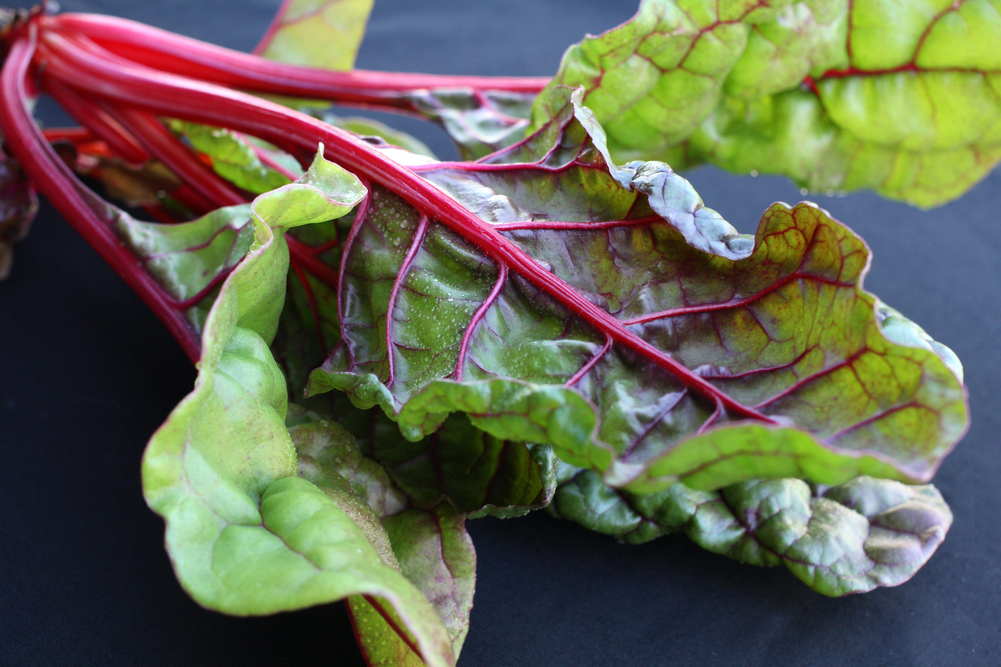
When to Plant Swiss Chard in Saskatoon, SK
Published: April 24, 2026 · Updated:
One of the most versatile vegetables — tolerates both cool and warm weather. Direct sow 2–4 weeks before last frost and harvest outer leaves continuously for months through summer.
Saskatoon's Canadian Zone 3b (USDA 3a) semi-arid Prairie continental climate has very cold winters and warm dry summers with only 350 mm of annual rainfall. High UV due to elevation and clear skies plus 123 frost-free days demand careful irrigation and variety selection.
Swiss Chard Planting Calendar for Saskatoon
Direct sow outdoors: April 29–May 9
Harvest window: June 18 – June 28
Minimum soil temperature: 4°C (40°F)
Days to harvest: 50–60 days
Sun requirement: Full sun to partial shade
Fall crop planting: July 26–August 5 (harvest September 14)
⚠ Direct sow Swiss chard 2–4 weeks before last frost. Tolerates both cool and warm weather — one of the most flexible vegetables in the garden. Harvest outer leaves continuously for months.
Saskatoon Climate Notes
Saskatoon averages only 350 mm of annual rainfall — irrigation is essential for most vegetables. Prairie soil is rich and black with excellent fertility but compacts easily. Extended midsummer daylight (16+ hours) partially compensates for the short season; Saskatchewan peas and root vegetables are legendary for quality.
Growing Tips for Swiss Chard
- Each chard 'seed' is a multi-seed cluster — thin to 8-inch spacing or transplant extras for full plants.
- Harvest outer stalks when they reach 8–10 inches; the plant produces continuously for 4–6 months.
- Chard tolerates part shade better than most leafy greens — good for shaded corners of the garden.
- In Zones 6+ Swiss chard often overwinters with light mulch and produces early spring leaves before bolting.
Companion Planting in Saskatoon
Pair swiss chard with Bean, Onion, Cabbage, Kohlrabi for mutual benefit. Avoid planting near Cucumber, Melon, which compete with or inhibit swiss chard growth.
Pests and Problems to Watch in Saskatoon
The most common pest and disease pressure on swiss chard in Saskatoon comes from Leaf Miner, Aphid, Slug, Flea Beetle. Floating row covers through the first 4–6 weeks after planting block adult pests from laying eggs, and a weekly scouting routine catches infestations before they damage the crop.
Other Saskatchewan Cities
Frequently Asked Questions
When do I plant swiss chard in Saskatoon?
Saskatoon's last spring frost is around May 20. Direct sow April 29–May 9.
What Canadian hardiness zone is Saskatoon?
Saskatoon is in Canadian Zone 3b (USDA equivalent 3a). The semi-arid Prairie continental climate delivers 123 frost-free days from May 20 to September 20, which shapes every planting date in the local calendar.
How long is Saskatoon's growing season?
Saskatoon has 123 frost-free days — from May 20 in spring to September 20 in fall. That is more than enough time to finish a full swiss chard crop (50–60 days to maturity) before the first fall frost.
Can I grow swiss chard in containers in Saskatoon?
Yes. Container growing on balconies and decks is practical in Saskatoon — choose a 5-gallon or larger dark-coloured container to warm the root zone, use a high-quality potting mix, and water daily during hot summer weather. In Canadian Zone 3–4, a sheltered south-facing location adds 2–3 weeks to the effective season.
What is the first fall frost in Saskatoon?
Saskatoon's average first fall frost is September 20. For a fall swiss chard crop, plant around July 26–August 5 so plants mature before the first killing frost.