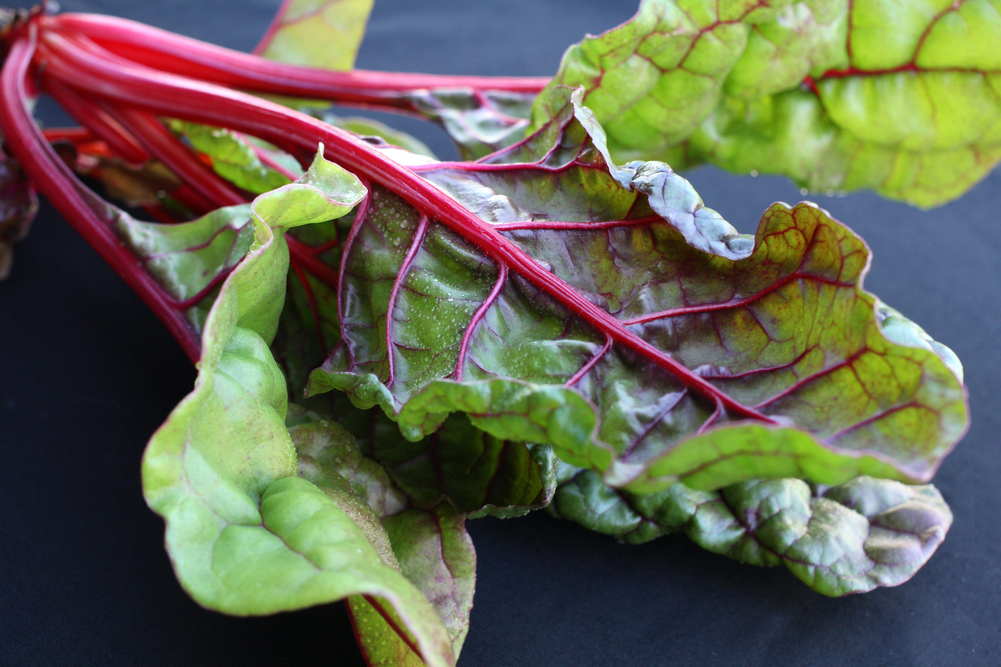
When to Plant Swiss Chard in Nova Scotia
Published: April 24, 2026 · Updated:
One of the most versatile vegetables — tolerates both cool and warm weather. Direct sow 2–4 weeks before last frost and harvest outer leaves continuously for months through summer.
Swiss Chard grow well in this province with appropriate variety selection and standard Canadian planting timing.
Swiss Chard Planting Window for Nova Scotia
Direct sow outdoors: April 9–19
Minimum soil temperature: 4°C (40°F)
Days to harvest: 50–60 days
Sun requirement: Full sun to partial shade
Fall crop planting: September 2–12
⚠ Direct sow Swiss chard 2–4 weeks before last frost. Tolerates both cool and warm weather — one of the most flexible vegetables in the garden. Harvest outer leaves continuously for months.
Nova Scotia Cities — Swiss Chard Planting Dates
City-specific frost dates and swiss chard planting windows for Nova Scotia.
Growing Swiss Chard in Nova Scotia
- Each chard 'seed' is a multi-seed cluster — thin to 8-inch spacing or transplant extras for full plants.
- Harvest outer stalks when they reach 8–10 inches; the plant produces continuously for 4–6 months.
- Chard tolerates part shade better than most leafy greens — good for shaded corners of the garden.
- In Zones 6+ Swiss chard often overwinters with light mulch and produces early spring leaves before bolting.
Companion Planting for Swiss Chard
In Nova Scotia gardens, pair swiss chard with Bean, Onion, Cabbage, Kohlrabi. Avoid planting near Cucumber, Melon, which compete with or inhibit swiss chard growth.
Common Pests and Problems
Swiss Chard in Nova Scotia are commonly affected by Leaf Miner, Aphid, Slug, Flea Beetle. Floating row covers installed at planting block most adult pests from laying eggs, and a weekly scouting routine catches infestations before they damage the crop.
Frequently Asked Questions
When should I plant swiss chard in Nova Scotia?
In Nova Scotia (Canadian Zone 6a), direct sow swiss chard around April 9. Swiss Chard grow well in this province with appropriate variety selection and standard Canadian planting timing.
What is the best swiss chard variety for Nova Scotia?
Nova Scotia gardeners should prioritise varieties bred for shorter seasons or Canadian climates. For swiss chard in Canadian Zone 6a, look for cultivars labelled under 60 days to maturity. Local nurseries and provincial seed exchanges curate varieties that ripen within Canadian frost-free windows.
How does Nova Scotia's climate affect swiss chard?
Nova Scotia spans Canadian Zone 6a with frost-free seasons ranging from roughly 181 to 181 days. Swiss Chard actually prefer the cooler spring and fall windows typical of Nova Scotia, making them one of the most reliable crops in the province.
Can I grow swiss chard in containers in Nova Scotia?
Yes. Container growing on balconies and patios extends the viable growing area across every Canadian province. Dark-coloured containers warm up faster in spring and extend the season on both ends. Choose a 5-gallon or larger pot for swiss chard and water daily during hot summer weather, since containers dry out quickly.
When is the first fall frost in Nova Scotia?
First fall frost dates in Nova Scotia range from October 28 in the coldest areas to October 28 in the warmest. For a fall swiss chard crop, count back from your local first-frost date and plant around September 2–12.