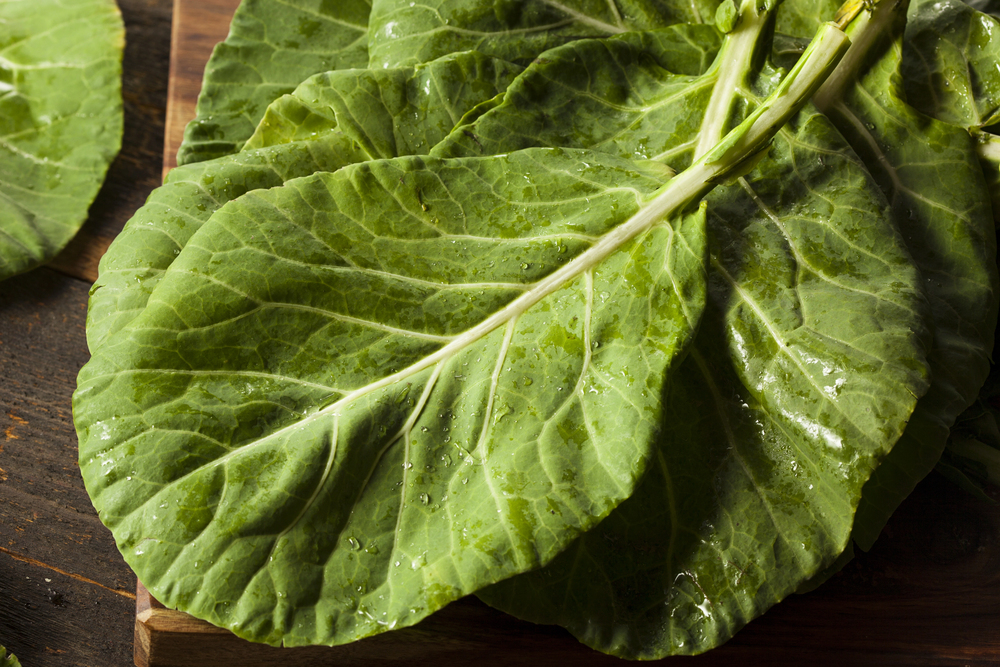
When to Plant Collard Greens in Charlottetown, PE
Published: April 24, 2026 · Updated:
Extremely cold-hardy leafy brassica — withstands temperatures to -10°C. Direct sow or transplant 3–4 weeks before last frost. Fall plantings produce the best-flavored greens after frost.
Charlottetown's Canadian Zone 6a (USDA 5b) Island Maritime climate has cool springs, warm humid summers, and moderate falls. Surrounded by the Gulf of St. Lawrence which moderates temperature extremes. 172 frost-free days and sandy loam soil create ideal conditions for root vegetables.
Collard Greens Planting Calendar for Charlottetown
Start seeds indoors: March 27–April 3
Transplant outdoors: April 10–20
Direct sow outdoors: April 10–20
Harvest window: June 9 – June 24
Minimum soil temperature: 7°C (45°F)
Days to harvest: 60–75 days
Sun requirement: Full sun to partial shade
Fall crop planting: August 11–21 (harvest October 10)
⚠ Direct sow or transplant collard greens 3–4 weeks before last frost. Extremely cold hardy — withstands temps to 15°F. Can be grown as a perennial in Zones 8+. Fall planting produces the best-flavored greens.
Charlottetown Climate Notes
PEI is Canada's potato capital — growing potatoes here connects to the island's agricultural identity. Island cool maritime summers are ideal for root vegetables. Sandy loam soil drains well and warms faster than mainland clay soils, giving PEI gardens a head start in spring that partially offsets the cool summers.
Growing Tips for Collard Greens
- Harvest outer leaves continuously once plants reach 10 inches — the central growing point produces for months.
- In Zones 8+ collard greens often overwinter and produce for 2–3 years as a perennial.
- Frost improves flavor dramatically — southern tradition is to wait for the first frost before harvesting.
- Blanch and freeze excess harvest — collard greens freeze beautifully and provide winter vitamins.
Companion Planting in Charlottetown
Pair collard green with Onion, Garlic, Dill, Celery for mutual benefit. Avoid planting near Tomato, Strawberry, Bean, which compete with or inhibit collard green growth.
Pests and Problems to Watch in Charlottetown
The most common pest and disease pressure on collard greens in Charlottetown comes from Cabbage Worm, Aphid, Flea Beetle, Cabbage Looper. Floating row covers through the first 4–6 weeks after planting block adult pests from laying eggs, and a weekly scouting routine catches infestations before they damage the crop.
Frequently Asked Questions
When do I plant collard green in Charlottetown?
Charlottetown's last spring frost is around May 1. Start seeds indoors March 27–April 3. Transplant outdoors April 10–20.
What Canadian hardiness zone is Charlottetown?
Charlottetown is in Canadian Zone 6a (USDA equivalent 5b). The Island Maritime climate delivers 172 frost-free days from May 1 to October 20, which shapes every planting date in the local calendar.
How long is Charlottetown's growing season?
Charlottetown has 172 frost-free days — from May 1 in spring to October 20 in fall. That is more than enough time to finish a full collard green crop (60–75 days to maturity) before the first fall frost.
Can I grow collard green in containers in Charlottetown?
Yes. Container growing on balconies and decks is practical in Charlottetown — choose a 5-gallon or larger dark-coloured container to warm the root zone, use a high-quality potting mix, and water daily during hot summer weather. In milder climates, containers extend both spring and fall windows by several weeks.
What is the first fall frost in Charlottetown?
Charlottetown's average first fall frost is October 20. For a fall collard green crop, plant around August 11–21 so plants mature before the first killing frost.