When to Plant Wildflowers in Alberta – 2026
Published:
Alberta spans Canadian hardiness zones across multiple cities. Plant wildflowers in Alberta from may (after snow melts) or fall before snow.. Wildflower seeds are planted earlier than Victoria Day in Ontario and Quebec — many native wildflowers require cold stratification (winter cold) to germinate. Plant in late October or April-early May.
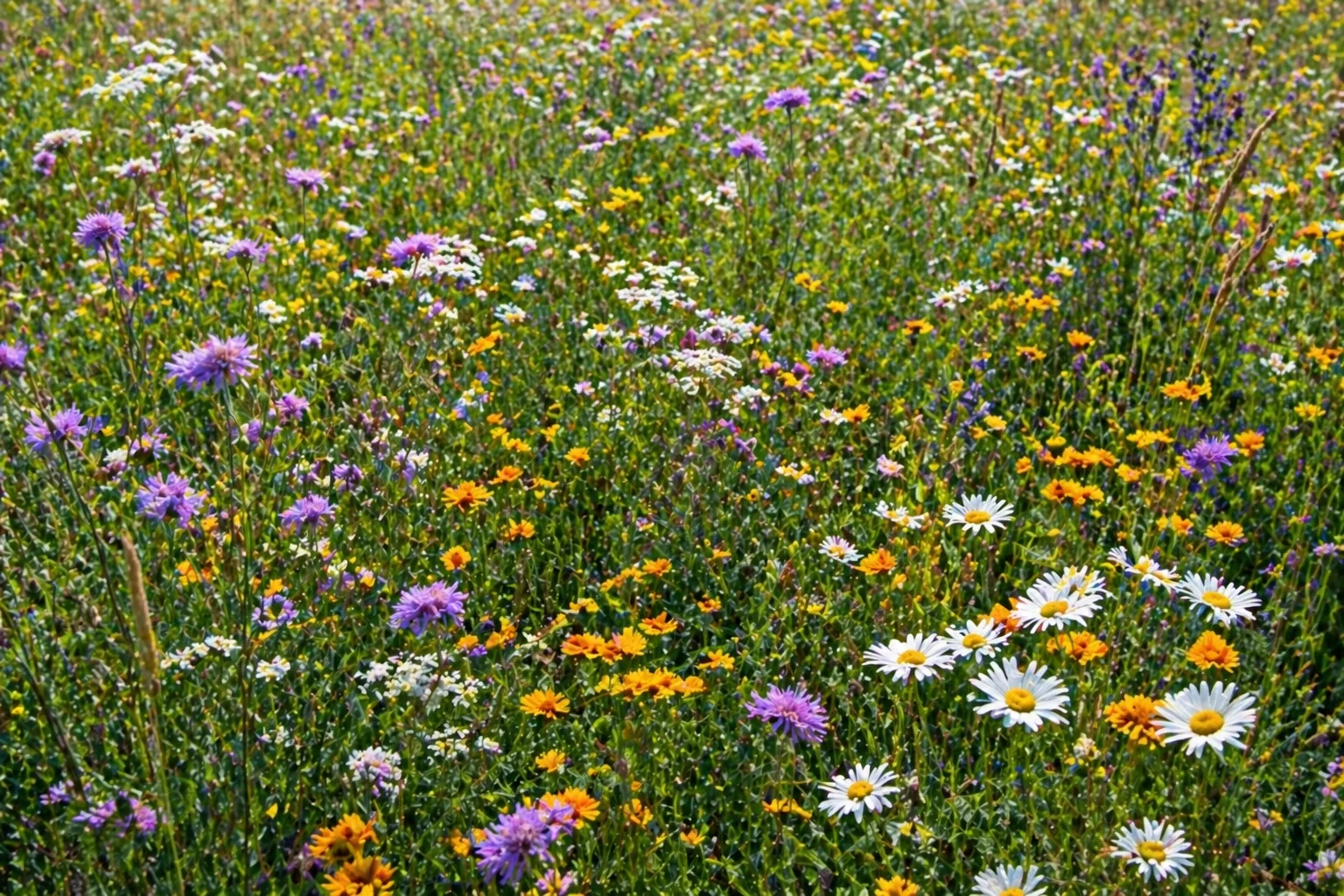
Wildflowers Planting Window for Alberta
Sow wildflower seed mixes in early spring (before last frost — many need cold stratification) or in fall for next-spring bloom. Best results: prepare bare soil, scatter seed, press in. Many wildflowers require no care once established.
For Alberta specifically, the recommended planting window is May (after snow melts) or fall before snow.. Alberta gardens across multiple climate zones — adjust based on your specific city. Wildflower seeds are planted earlier than Victoria Day in Ontario and Quebec — many native wildflowers require cold stratification (winter cold) to germinate. Plant in late October or April-early May.
Canadian native wildflower mixes are reliably hardy in their native zone — choose Prairie, Boreal, Eastern Woodland, Pacific, or Atlantic mixes appropriate to your Canadian region.
Alberta Cities — Wildflowers Planting Dates
Each city below has local frost dates, Canadian zone, and a city-specific wildflowers planting calendar.
Best Wildflowers Varieties for Alberta
For Alberta , choose varieties rated for your zone or one zone colder for reliable winter survival. The Canadian-bred or tested varieties below perform well in Alberta conditions.
Purple coneflower, blanketflower, prairie smoke, native asters, native milkweed. Source from Canadian native plant nurseries (Wildflower Farm, Prairie Originals).
Wild bergamot, black-eyed susan, native columbine, woodland phlox, wild geranium.
Camas lily, native lupine, Oregon iris, columbine, wild Oregon grape (low-growing native species).
Fireweed, wild rose, bunchberry, Labrador tea — native species for Northern Ontario, Quebec, and Yukon gardens.
Wild aster, milkweed, beach pea, native goldenrod. Salt-tolerant species for coastal Atlantic gardens.
Caring for Wildflowers in Alberta
Sow method: direct (scatter seeding). The steps below adapt the general planting advice for Alberta's climate and timing.
- →Choose a region-specific or state-specific seed mix; avoid generic national mixes that include species inappropriate for your climate.
- →Prepare bare soil by removing existing vegetation — scalp existing turf, till, or smother with cardboard for one full season before sowing.
- →Sow wildflower seed in fall (October through November) for next-spring bloom OR very early spring (March through April) when soil is still cold but workable.
- →Mix seed with sand at 1:4 ratio for even distribution; scatter by hand or with a broadcast spreader.
- →Press seed into soil with a roller or by walking on it — do NOT bury seeds, most need light to germinate.
- →Water lightly twice daily for the first 3 weeks until germination; reduce to weekly until established.
Frequently Asked Questions about Wildflowers in Alberta
When should I plant wildflowers in Alberta?
Plant wildflowers in Alberta from may (after snow melts) or fall before snow.. Sow wildflower seed mixes in early spring (before last frost — many need cold stratification) or in fall for next-spring bloom. Best results: prepare bare soil, scatter seed, press in. Many wildflowers require no care once established.
What Canadian zones are in Alberta?
Alberta spans multiple Canadian hardiness zones depending on location. Major cities and their zones: Calgary (Zone 4a), Edmonton (Zone 4a), Red Deer (Zone 3b). Check planthardiness.gc.ca for your exact postal code.
What wildflowers varieties grow best in Alberta?
Prairie wildflower mix (Zone 2-4 Prairies): Purple coneflower, blanketflower, prairie smoke, native asters, native milkweed. Source from Canadian native plant nurseries (Wildflower Farm, Prairie Originals). Eastern Woodland mix (Zone 3-6 Ontario/Quebec): Wild bergamot, black-eyed susan, native columbine, woodland phlox, wild geranium.