When to Plant Peonies in Saskatchewan – 2026
Published:
Saskatchewan spans Canadian hardiness zones across multiple cities. Plant peonies in Saskatchewan from early to mid-september (before hard freeze).. Peonies are NOT planted at Victoria Day — they are planted in fall (September). However, established peony bloom in Ontario and Quebec typically occurs late May through early June, often peaking exactly at Victoria Day weekend.
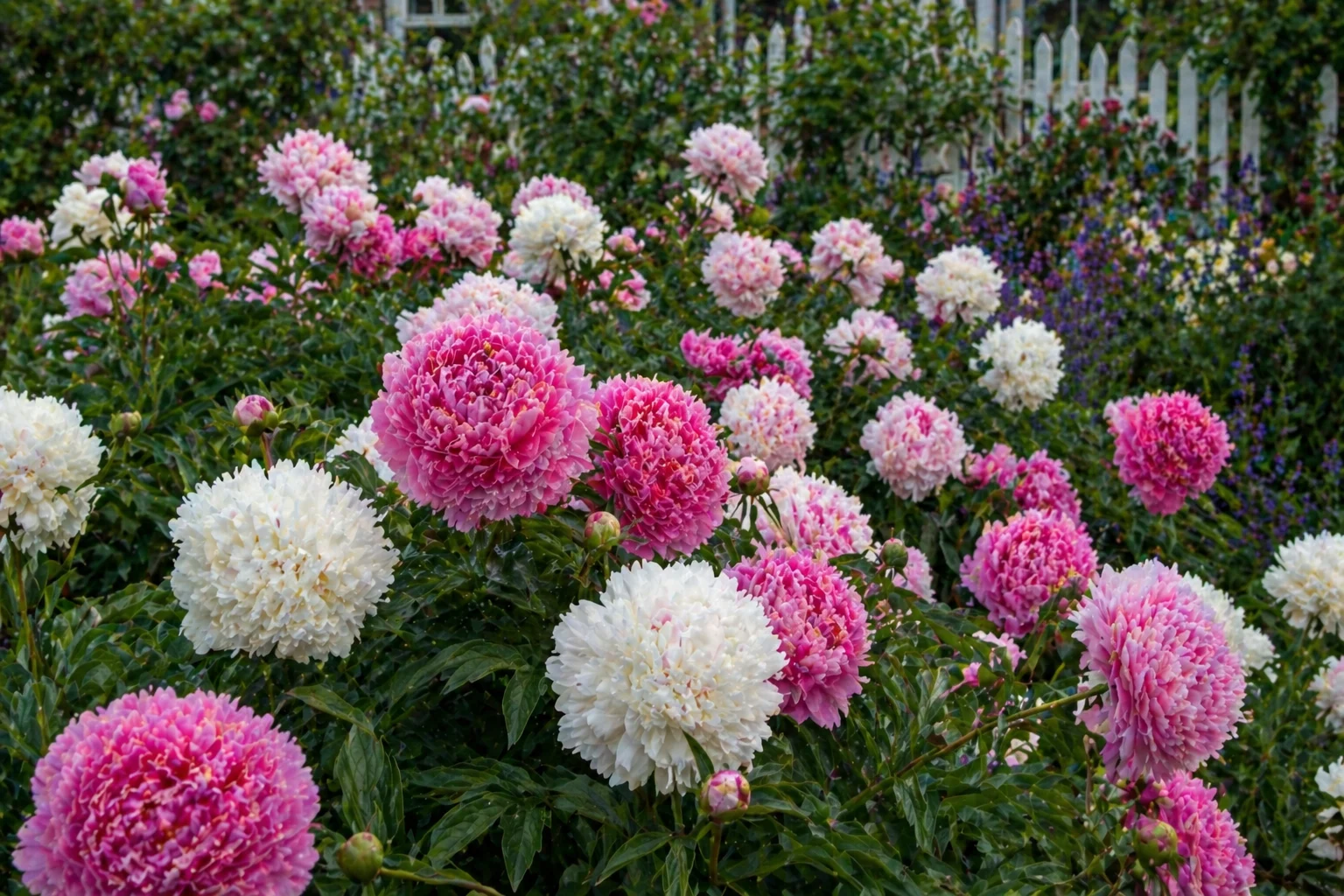
Peonies Planting Window for Saskatchewan
Plant peony bare root divisions in fall (September–October in Zones 3–7) so roots establish before winter. Plant eyes (buds) no more than 2.5–5 cm (1–2 inches) below soil surface — too deep prevents blooming. Established peonies live 50+ years.
For Saskatchewan specifically, the recommended planting window is Early to mid-September (before hard freeze).. Saskatchewan gardens across multiple climate zones — adjust based on your specific city. Peonies are NOT planted at Victoria Day — they are planted in fall (September). However, established peony bloom in Ontario and Quebec typically occurs late May through early June, often peaking exactly at Victoria Day weekend.
Peonies are exceptionally cold-hardy — reliably to Zone 2 in Canada. Established peonies routinely live 50 to 75 years in Canadian gardens, with some Saskatchewan farmstead peonies documented at over 100 years old. Cold winters are required — peonies don't bloom reliably in Zone 8+ where winter chilling is insufficient.
Saskatchewan Cities — Peonies Planting Dates
Each city below has local frost dates, Canadian zone, and a city-specific peonies planting calendar.
Best Peonies Varieties for Saskatchewan
For Saskatchewan , choose varieties rated for your zone or one zone colder for reliable winter survival. The Canadian-bred or tested varieties below perform well in Saskatchewan conditions.
Classic pale-pink double peony. The most commonly planted peony in Canada. Reliable in all Canadian zones.
Pure white double with red flecks. Heritage variety from 1851 — performed in Canadian Prairie gardens for over a century.
Deep red double. Strong Canadian summer-bloom performance.
Modern hybrid of herbaceous × tree peonies. Yellow flowers, sturdy stems, longer bloom period than traditional types. Best for Ontario, Quebec, and Atlantic Canada.
Distinctive coral-orange blooms aging to peach. Early bloomer. Excellent cut flower for Canadian late-spring weddings.
Caring for Peonies in Saskatchewan
Sow method: bare root division (fall planting). The steps below adapt the general planting advice for Saskatchewan's climate and timing.
- →Plant peony bare root divisions in fall — September through October in most zones, October through November in Zone 7+.
- →Choose a site with full sun (6+ hours) and excellent drainage; avoid wet spots.
- →Dig planting hole 45 cm (18 inches) wide and 30 cm (12 inches) deep — peonies have extensive root systems.
- →Position the eyes (buds) 2.5–5 cm (1–2 inches) below soil surface — deeper planting prevents blooming.
- →Backfill with native soil mixed with compost; firm gently and water deeply.
- →Mulch lightly the first winter; remove mulch in spring to allow soil to warm around the eyes.
Frequently Asked Questions about Peonies in Saskatchewan
When should I plant peonies in Saskatchewan?
Plant peonies in Saskatchewan from early to mid-september (before hard freeze).. Plant peony bare root divisions in fall (September–October in Zones 3–7) so roots establish before winter. Plant eyes (buds) no more than 2.5–5 cm (1–2 inches) below soil surface — too deep prevents blooming. Established peonies live 50+ years.
What Canadian zones are in Saskatchewan?
Saskatchewan spans multiple Canadian hardiness zones depending on location. Major cities and their zones: Saskatoon (Zone 3b), Regina (Zone 3b). Check planthardiness.gc.ca for your exact postal code.
What peonies varieties grow best in Saskatchewan?
Sarah Bernhardt (Zone 3+): Classic pale-pink double peony. The most commonly planted peony in Canada. Reliable in all Canadian zones. Festiva Maxima (Zone 2+): Pure white double with red flecks. Heritage variety from 1851 — performed in Canadian Prairie gardens for over a century.