When to Plant Squash in Columbus, GA
Published:
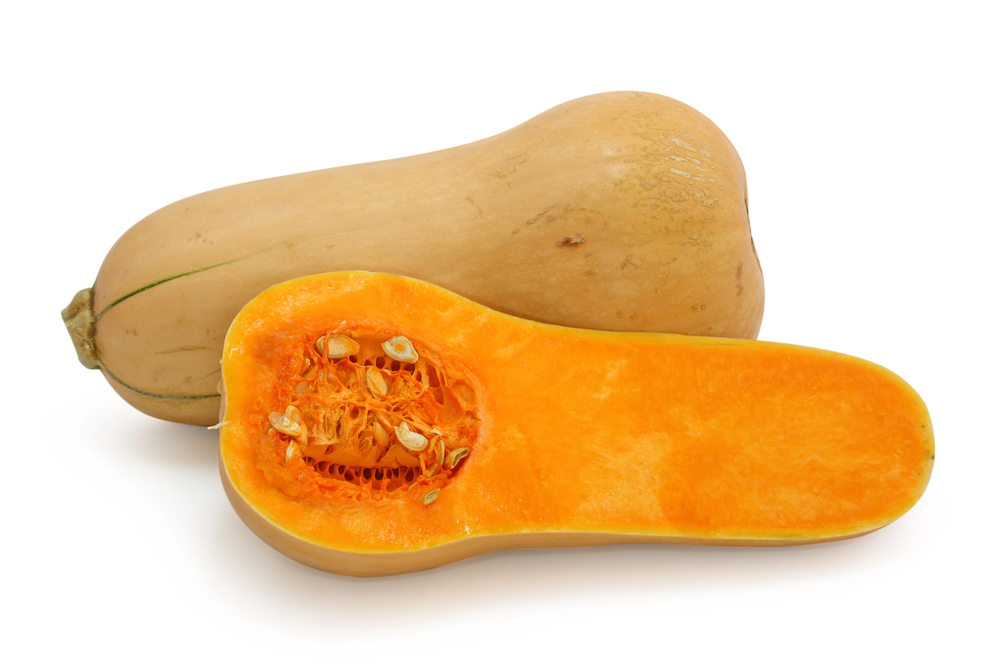
Squash Planting Dates for Columbus, GA
| Start seeds indoors | January 25–February 1 |
| Last frost (average) | February 15 |
| Transplant outdoors | February 22–March 4 |
| Direct sow outdoors | February 22–March 4 |
| Minimum soil temperature | 65°F |
| Expect first harvest | April 8 – April 28 |
| Fall crop planting | September 22–October 2 |
| Fall crop harvest | November 6 |
| First fall frost (average) | December 1 |
Best Squash Varieties for Columbus, GA
For Zone 8a Columbus, the best-performing squash varieties are Black Beauty, Costata Romanesco, and Patio Star — all rated for heat tolerance in warm-zone summers. Sunburst is a solid second choice for the fall crop where a quicker 45-day maturity makes the most of a shorter fall window. These varieties are typically stocked by local nurseries and are the safest bets for gardeners new to squash in Columbus.
Growing Squash in Columbus
Columbus sits in Zone 8a, with an average last frost of February 15 and first fall frost around December 1 — giving a 289-day frost-free growing season. Warm-season crops like squash need soil at 65°F or above before transplanting; Columbus's frost calendar puts that window clearly in the late-spring to early-fall range.
Columbus's warm climate creates a two-season opportunity for squash: a spring crop planted February 22–March 4 and a fall crop planted around September 22–October 2. Peak summer heat (often 95°F+) can shut down flower set in July and August, so the fall crop started in midsummer avoids the worst of that heat and typically produces cleaner fruit.
Columbus is Zone 8a — at the warmer edge where fall squash crops reliably produce into November in most years. A July transplant here typically yields through October or early November before the first hard frost.
Columbus's sandy soils drain fast — Columbus gardeners should water squash more frequently (every 2 to 3 days during peak summer) and add generous compost to improve moisture retention. Raised beds with amended soil perform significantly better than in-ground planting in sandy conditions. Target 1.5 inches of total water per week, split across several irrigation sessions rather than one deep soaking.
Squash Calendar for Columbus
| Month | Task |
|---|---|
| January | Start seeds indoors under grow lights |
| February | Transplant outdoors into warm soil |
| April | Expect first harvest window to open |
| September | Start fall crop — transplants or direct sow |
| December | First fall frost — harvest remaining, end of outdoor season |
Squash Tips for Columbus Gardeners
- •Plant only after soil is fully warm (65°F+) — cold soil rots seeds and creates disease-prone seedlings.
- •Squash vine borer kills plants from the inside in July–August in the eastern US; plant a backup crop in early July.
- •In Columbus, plant fall crops in July for October–November harvests — these often out-yield spring plantings because cooler fall nights improve fruit set.
Common Squash Pests in Columbus
- •Squash Vine Borer — peaks June–August in Zone 8a (active March–October); sudden wilting with frass at stem base; inject Bt into the stem or use row covers through flowering.
- •Squash Bug — peaks June–August in Zone 8a (active March–October); gray-brown shield bugs that suck plant sap; handpick and destroy egg clusters on leaf undersides.
- •Powdery Mildew — peaks June–August in Zone 8a (active March–October); white powdery coating on leaves; improve airflow and apply milk spray (1:9 milk-to-water).
Check plants every 2–3 days during peak season — early intervention prevents most infestations from becoming serious.
What to Plant with Squash in Columbus
In Columbus's warm climate, Corn and Bush Beans are the most beneficial plants to grow alongside squash. Corn provides vertical support for climbing companions in the Three Sisters planting. Keep squash away from Potato — it competes for nutrients and shares blight diseases. Warm-climate gardeners especially benefit from dense, layered companion plantings that shade soil and reduce water loss.
Frequently Asked Questions
When should I plant squash in Columbus, GA?
In Columbus (Zone 8a), start squash seeds indoors around January 25–February 1 and transplant outdoors around February 22–March 4. The city's average last frost of February 15 is the anchor date — count 3 weeks back for seed starting and 1 weeks forward for transplanting.
What zone is Columbus, GA for squash growing?
Columbus is USDA Zone 8a. For squash, this means a frost-free growing season of roughly 41 weeks running from February 15 to December 1. This is a comfortable window for warm-season crops like squash — standard varieties work well.
When is squash harvest season in Columbus?
Expect the first squash harvest in Columbus around April 8, with harvest continuing through April 28. This is based on 45–65 days from transplant or direct sow. A fall crop planted September 22–October 2 adds a second harvest around November 6.
How long does it take to grow squash in Columbus, GA?
From transplant or direct sow to first harvest, squash takes 45–65 days in Columbus's climate. Based on a typical planting date of February 22–March 4, expect your first harvest around April 8. Columbus's warm Zone 8a climate tends toward the faster end of this range — warmer soil and longer days accelerate maturity.
What soil does squash need in Columbus?
Columbus's sandy soils drain fast and lose nutrients quickly — a challenge for squash which prefers steady moisture. Add 4–6 inches of compost annually to improve moisture retention. Water more frequently but with less volume per session, and mulch heavily to reduce evaporation.