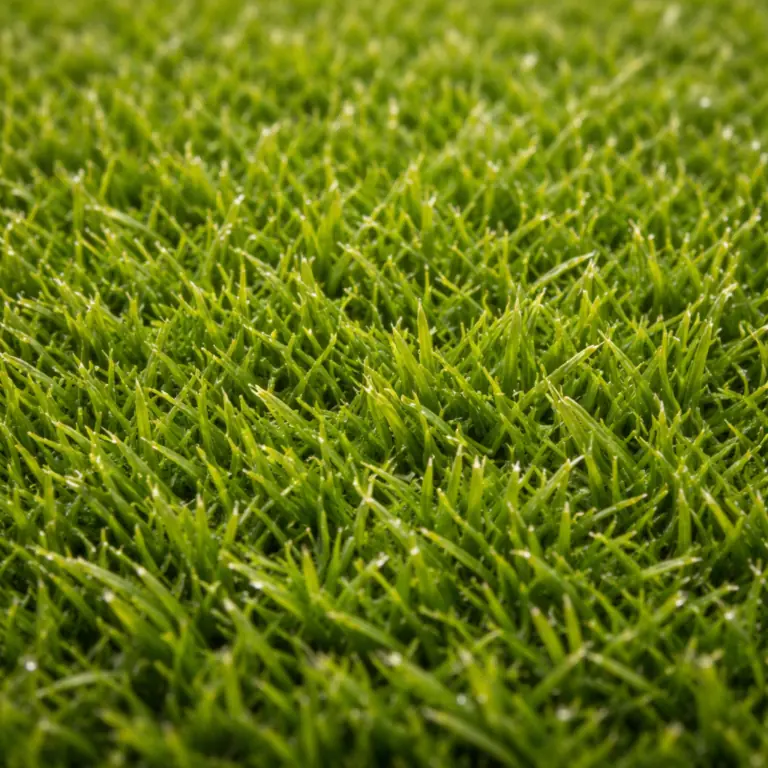
Zoysia Grass in Frisco, TX: Care Guide
Is Zoysia Grass Right for Frisco?
Zoysia grass represents both an excellent and challenging choice for USDA zone 7b, where average winter lows range from 10-15°F. This warm-season grass thrives in zone 7b's hot summers but faces stress during the transitional shoulder seasons. Zoysia's dense, carpet-like growth pattern creates an exceptionally durable lawn that handles foot traffic, drought, and heat better than most alternatives. However, its slow establishment rate and extended dormancy period can test homeowner patience. The grass requires soil temperatures consistently above 65°F for active growth, which typically doesn't occur until late April or early May in zone 7b.
Understanding zoysia's seasonal performance cycle is crucial for zone 7b success. Green-up begins when soil temperatures reach 65-70°F, usually occurring 2-4 weeks later than Bermuda grass. Peak performance happens during July and August when temperatures consistently exceed 80°F, during which zoysia demonstrates remarkable heat and drought tolerance. As soil temperatures drop below 55°F in late October or November, the grass enters dormancy, turning brown and remaining dormant for 4-5 months. This extended dormancy period is zoysia's primary drawback in zone 7b, as it remains brown longer than most warm-season alternatives.
Zoysia performs best in well-draining soils with pH between 6.0-7.0, though it tolerates various soil types better than Bermuda grass. Once established, it requires only 0.5-1 inch of water weekly, significantly less than cool-season grasses. Compared to tall fescue, the dominant cool-season choice in zone 7b, zoysia offers superior drought tolerance and lower summer water requirements but lacks year-round color. Against Bermuda grass, zoysia provides better shade tolerance (handling 4-6 hours of direct sunlight versus Bermuda's 8+ hour requirement) and forms a denser, more refined turf, but establishes much slower and costs considerably more initially.
Long-term maintenance expectations for zoysia in zone 7b include annual dethatching due to its dense growth habit, as thatch layers exceeding 0.5 inches impede water infiltration and nutrient uptake. Fertilization requirements are modest – typically 2-3 pounds of nitrogen per 1,000 square feet annually, applied during the active growing season. Mowing frequency decreases significantly compared to cool-season grasses, often requiring cutting only every 7-14 days at 1-2 inch height during peak season. While zoysia's slow growth frustrates some homeowners, this characteristic also means reduced mowing, edging, and overall maintenance once established. Patient homeowners willing to accept extended dormancy will be rewarded with one of the most durable, low-maintenance warm-season lawns possible in zone 7b.
How to Plant Zoysia Grass in Frisco
Best Method
plugs or sod
Best Time
late May through July
Establishment
6-8 weeks for plugs, 2-3 weeks for sod
Soil Preparation
Till soil to 6 inches deep and incorporate 2-4 inches of compost or organic matter. Ensure proper drainage and pH between 6.0-7.0.
Watering During Establishment
Water daily for first 2 weeks, providing 0.5 inches per day. Gradually reduce to 3-4 times weekly after establishment begins.
Seed rate: 1-2 lbs per 1000 sq ft
Zoysia Grass Care Calendar for Frisco
Apply pre-emergent herbicide if temperatures are consistently above 50°F. Check for winter damage and plan spring renovation projects.
Continue monitoring soil temperature for pre-emergent timing. Order seed or plugs for spring planting projects.
Apply pre-emergent herbicide when soil temperature reaches 55°F consistently. Begin light cleanup of winter debris when grass shows signs of green-up.
Start regular watering as temperatures warm and growth begins. Apply first fertilizer application when grass is actively growing.
Begin regular mowing schedule as growth accelerates. Plant new zoysia from seed, plugs, or sod when soil temperature is consistently 65°F+.
Increase watering frequency during hot weather to 1-1.5 inches per week. Apply summer fertilizer and monitor for grub activity.
Maintain consistent deep watering during peak summer heat. Raise mowing height to 2-3 inches to help grass tolerate stress.
Continue deep watering and high mowing practices. Apply grub control if needed based on monitoring.
Gradually lower mowing height back to normal as temperatures cool. Apply fall fertilizer and overseed thin areas.
Continue regular mowing until growth slows significantly. Apply final fertilizer application and pre-emergent for winter weeds.
Reduce watering frequency as grass enters dormancy. Perform final mowing at 1.5-2 inches before winter.
Minimize foot traffic on dormant grass. Plan and budget for next year's lawn care program.
Apply pre-emergent herbicide if temperatures are consistently above 50°F. Check for winter damage and plan spring renovation projects.
Continue monitoring soil temperature for pre-emergent timing. Order seed or plugs for spring planting projects.
Apply pre-emergent herbicide when soil temperature reaches 55°F consistently. Begin light cleanup of winter debris when grass shows signs of green-up.
Start regular watering as temperatures warm and growth begins. Apply first fertilizer application when grass is actively growing.
Begin regular mowing schedule as growth accelerates. Plant new zoysia from seed, plugs, or sod when soil temperature is consistently 65°F+.
Increase watering frequency during hot weather to 1-1.5 inches per week. Apply summer fertilizer and monitor for grub activity.
Maintain consistent deep watering during peak summer heat. Raise mowing height to 2-3 inches to help grass tolerate stress.
Continue deep watering and high mowing practices. Apply grub control if needed based on monitoring.
Gradually lower mowing height back to normal as temperatures cool. Apply fall fertilizer and overseed thin areas.
Continue regular mowing until growth slows significantly. Apply final fertilizer application and pre-emergent for winter weeds.
Reduce watering frequency as grass enters dormancy. Perform final mowing at 1.5-2 inches before winter.
Minimize foot traffic on dormant grass. Plan and budget for next year's lawn care program.
Mowing Zoysia Grass in Frisco
Ideal Height
1-2 inches
Summer Height
2-3 inches
Frequency
weekly during active growth
- • Never remove more than 1/3 of blade length in single mowing
- • Use sharp blades to prevent tearing and disease entry
- • Mow when grass is dry to achieve cleanest cut
Common Zoysia Grass Problems in Frisco
Brown Patch
Symptoms: Circular brown patches 1-3 feet diameter with dark ring borders
Cause: High humidity and temperatures 70-85°F with excessive moisture
Solution: Improve air circulation, reduce watering frequency, apply fungicide in severe cases
Grub Damage
Symptoms: Irregular brown patches that lift easily, increased bird or raccoon activity
Cause: Beetle larvae feeding on grass roots in late summer
Solution: Apply grub control in July-August, maintain proper watering to help recovery
Slow Establishment
Symptoms: Patchy coverage and slow spreading after planting
Cause: Cool soil temperatures, insufficient water, or poor soil conditions
Solution: Ensure soil temperature above 65°F, increase watering frequency, improve soil with organic matter
Winter Kill
Symptoms: Dead patches appearing in spring, especially in exposed areas
Cause: Temperature fluctuations and desiccation during unusually cold winters
Solution: Overseed damaged areas in late spring, improve drainage, avoid late fall fertilization
Thatch Buildup
Symptoms: Spongy feel underfoot, water runoff, shallow root system
Cause: Excessive organic matter accumulation from over-fertilization
Solution: Core aerate in late spring, reduce nitrogen fertilizer, dethatch if layer exceeds 0.5 inches
Winter Care for Zoysia Grass in Frisco
Apply final fertilizer in early October with reduced nitrogen to encourage root development. Gradually reduce watering as grass enters dormancy and avoid foot traffic on frozen turf to prevent damage.
Frequently Asked Questions
Is Zoysia grass a good choice for Frisco?
Zoysia is well-suited for Frisco (zone 7b). It forms a dense, weed-resistant turf and tolerates both heat and moderate shade better than Bermuda. The tradeoff is slower establishment, expect 1–2 seasons to fill in from plugs or sod.
Does Zoysia grass stay green year-round in Frisco?
In Frisco, Zoysia goes semi-dormant or fully dormant in winter, turning straw-colored when temperatures drop below 50°F. In warmer zones (9+) it may retain some green through mild winters.
How do I establish Zoysia grass in Frisco?
The fastest way to establish Zoysia in Frisco is sod or plugs, installed in late spring when soil temperatures are above 65°F. Seed is available but germination is slow. Keep consistently moist for the first 4–6 weeks.