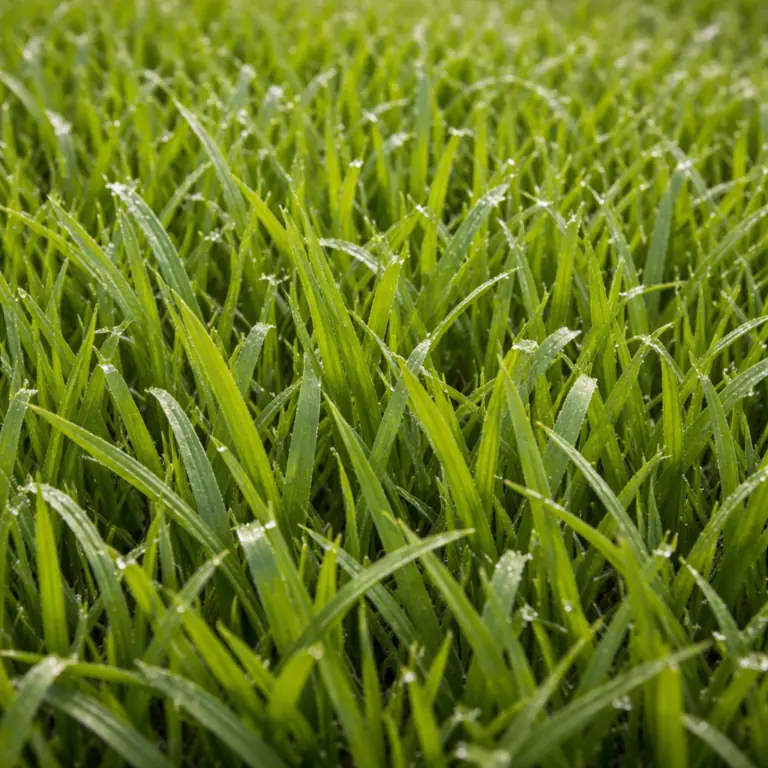
Tall Fescue in Washington, DC: Care Guide
Is Tall Fescue Right for Washington?
Tall fescue is an excellent choice for USDA zone 6b, where average winter lows range from -5°F to 0°F. This cool-season grass thrives in the moderate temperatures and adequate rainfall typical of this zone, making it ideal for homeowners seeking a low-maintenance, durable lawn. The primary challenge in zone 6b is managing tall fescue through the transitional periods of late spring and early fall, when temperatures can fluctuate dramatically between 40°F and 80°F within short periods. However, tall fescue's deep root system, which can extend 2-6 feet into the soil, provides exceptional drought tolerance and winter hardiness that outperforms most other cool-season grasses in this zone.
The seasonal performance cycle of tall fescue in zone 6b follows a predictable pattern that aligns well with the region's climate. Green-up typically begins in early March when soil temperatures consistently reach 45-50°F, with active growth accelerating as air temperatures reach 60-75°F in April and May. Peak performance occurs during the cool, moist conditions of late spring and early fall, when temperatures range between 60-80°F and the grass exhibits its deepest green color and most vigorous growth. During summer heat stress periods when temperatures exceed 85°F for extended periods, tall fescue may slow growth and show some browning but rarely goes completely dormant. Winter dormancy begins when temperatures consistently drop below 40°F, usually in late November, with the grass maintaining reasonable color until hard freezes below 25°F occur.
Tall fescue's soil and water requirements make it particularly suitable for zone 6b's variable conditions. It performs best in well-draining soils with a pH between 6.0-7.0 but tolerates clay soils better than fine fescues or perennial ryegrass. Water needs are moderate, requiring about 1-1.5 inches weekly during active growing periods, though established stands can survive on 0.5 inches per week due to their extensive root systems. Compared to alternatives like Kentucky bluegrass, which requires more water and is less heat tolerant, or fine fescues that struggle in high-traffic areas, tall fescue offers superior durability and stress tolerance. Perennial ryegrass, while establishing faster, lacks tall fescue's drought resistance and long-term persistence in zone 6b's challenging conditions.
Long-term maintenance expectations for tall fescue in zone 6b are relatively modest compared to other turfgrass options. Plan for overseeding every 3-4 years at a rate of 6-8 pounds per 1,000 square feet to maintain density, as tall fescue is a bunch-type grass with limited spreading ability. Annual fertilization requirements include 2-4 pounds of nitrogen per 1,000 square feet, split between early spring and fall applications. Mowing height should be maintained at 3-4 inches to support the deep root system and improve stress tolerance. With proper establishment and basic maintenance, tall fescue lawns in zone 6b can provide 15-20 years of reliable performance with minimal inputs.
How to Plant Tall Fescue in Washington
Best Method
Seeding
Best Time
September 1-15
Establishment
14-21 days for germination, 8-12 weeks for establishment
Soil Preparation
Remove existing vegetation and till soil to 4-6 inch depth. Add 2-4 inches of compost and ensure soil pH is between 6.0-7.0.
Watering During Establishment
Keep soil consistently moist with light, frequent watering 2-3 times daily. Reduce frequency but increase depth once seedlings reach 1 inch tall.
Seed rate: 6-8 lbs per 1000 sq ft for new lawn, 3-4 lbs per 1000 sq ft for overseeding
Tall Fescue Care Calendar for Washington
Monitor for snow mold and fungal diseases in areas with snow cover. Plan spring overseeding projects and order grass seed if needed.
Continue monitoring dormant grass for disease issues. Begin preparing equipment for spring maintenance season.
Apply pre-emergent herbicide when soil temperature reaches 50-55°F to prevent crabgrass. Begin spring cleanup and remove debris from lawn areas.
Start regular mowing when grass begins active growth. Overseed thin areas and apply starter fertilizer at 1 lb nitrogen per 1000 sq ft.
Increase mowing frequency to weekly as growth accelerates. Apply post-emergent herbicides for broadleaf weeds if necessary.
Raise mowing height to 3-4 inches for summer stress tolerance. Monitor irrigation needs and water deeply but infrequently.
Maintain higher mowing height and reduce foot traffic during hot periods. Water early morning to minimize disease pressure and evaporation.
Continue summer care practices with minimal fertilization. Begin planning fall renovation and overseeding projects.
Prime time for overseeding and establishing new areas. Apply fall fertilizer at 1 lb nitrogen per 1000 sq ft and core aerate if needed.
Continue fall seeding early in month if not completed. Apply final fertilizer application and treat broadleaf weeds.
Gradually reduce mowing height to 2.5-3 inches for winter. Continue mowing until growth stops and apply lime if soil test indicates need.
Final mowing of season and equipment maintenance. Avoid walking on frozen grass to prevent damage.
Monitor for snow mold and fungal diseases in areas with snow cover. Plan spring overseeding projects and order grass seed if needed.
Continue monitoring dormant grass for disease issues. Begin preparing equipment for spring maintenance season.
Apply pre-emergent herbicide when soil temperature reaches 50-55°F to prevent crabgrass. Begin spring cleanup and remove debris from lawn areas.
Start regular mowing when grass begins active growth. Overseed thin areas and apply starter fertilizer at 1 lb nitrogen per 1000 sq ft.
Increase mowing frequency to weekly as growth accelerates. Apply post-emergent herbicides for broadleaf weeds if necessary.
Raise mowing height to 3-4 inches for summer stress tolerance. Monitor irrigation needs and water deeply but infrequently.
Maintain higher mowing height and reduce foot traffic during hot periods. Water early morning to minimize disease pressure and evaporation.
Continue summer care practices with minimal fertilization. Begin planning fall renovation and overseeding projects.
Prime time for overseeding and establishing new areas. Apply fall fertilizer at 1 lb nitrogen per 1000 sq ft and core aerate if needed.
Continue fall seeding early in month if not completed. Apply final fertilizer application and treat broadleaf weeds.
Gradually reduce mowing height to 2.5-3 inches for winter. Continue mowing until growth stops and apply lime if soil test indicates need.
Final mowing of season and equipment maintenance. Avoid walking on frozen grass to prevent damage.
Mowing Tall Fescue in Washington
Ideal Height
2.5-3.5 inches
Summer Height
3-4 inches
Frequency
Weekly during active growth, bi-weekly during slow growth
- • Never remove more than 1/3 of grass blade length in single mowing
- • Keep mower blades sharp and alternate mowing patterns to prevent soil compaction
- • Leave clippings on lawn unless they form thick clumps that could smother grass
Common Tall Fescue Problems in Washington
Brown Patch
Symptoms: Circular brown patches 6 inches to several feet in diameter with darker border
Cause: Fungal disease favored by hot, humid conditions and over-fertilization
Solution: Improve air circulation, reduce nitrogen fertilizer, apply fungicide if severe
Crabgrass invasion
Symptoms: Wide-bladed annual grass that spreads in patches throughout lawn
Cause: Thin turf areas and missed pre-emergent herbicide application
Solution: Apply pre-emergent in March when soil reaches 50-55°F, overseed thin areas
Grub damage
Symptoms: Brown patches that lift easily revealing white C-shaped larvae underneath
Cause: Japanese beetle or other grub species feeding on grass roots
Solution: Apply grub control insecticide in late summer, maintain thick healthy turf
Dollar spot
Symptoms: Small silver dollar-sized brown spots with bleached appearance
Cause: Fungal disease common in low nitrogen conditions and heavy dew
Solution: Improve drainage, increase nitrogen fertility, apply fungicide if widespread
Summer drought stress
Symptoms: Blue-gray color, wilting, footprints remain visible after walking on grass
Cause: Insufficient water during hot weather and shallow root system
Solution: Water deeply 1-2 times per week providing 1-1.5 inches total, raise mowing height
Winter Care for Tall Fescue in Washington
Apply final fertilizer in late October with slow-release nitrogen at 0.5-1 lb per 1000 sq ft. Gradually lower mowing height to 2.5 inches for final cut and ensure lawn is free of debris before first hard freeze.
Frequently Asked Questions
Is Tall Fescue good for Washington?
Tall Fescue is one of the best choices for Washington (zone 6b), particularly in the transition zone where summers are too hot for bluegrass but winters are too cold for warm-season grasses. Its deep roots give it excellent drought and heat tolerance for a cool-season grass.
How short should I cut Tall Fescue in Washington?
Keep Tall Fescue at 3.5–4 inches in Washington, especially during summer. Taller grass shades the soil, reduces moisture loss, and keeps roots cooler. Never cut more than one-third of the blade in a single mowing.
Does Tall Fescue spread on its own in Washington?
Unlike Kentucky Bluegrass, Tall Fescue does not spread by rhizomes, it grows in clumps. This means bare patches do not fill in on their own in Washington. Annual overseeding each fall is recommended to maintain lawn density.