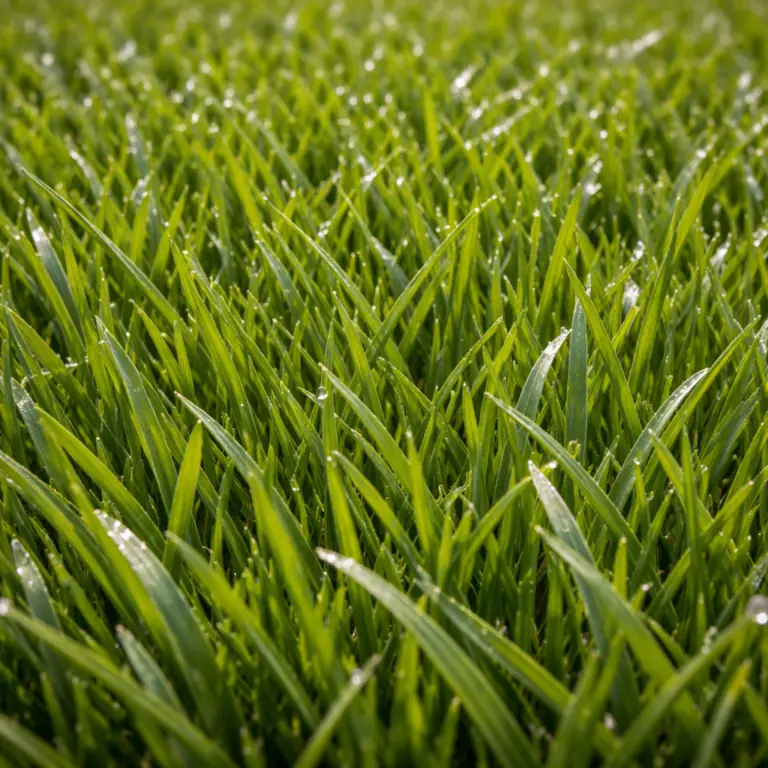
Perennial Ryegrass in Nashville, TN: Care Guide
Is Perennial Ryegrass Right for Nashville?
Perennial ryegrass is an excellent choice for USDA zone 7a, where average minimum winter temperatures range from 0-5°F. This cool-season grass thrives in the moderate climate of zone 7a, which provides ideal growing conditions during spring and fall when temperatures are between 60-75°F. The grass performs exceptionally well during the region's mild winters, maintaining good color and growth when temperatures stay above 40°F. However, the main challenge comes during hot summers when temperatures exceed 85°F for extended periods, causing stress and potential dormancy. Unlike northern zones where perennial ryegrass flourishes year-round, zone 7a's summer heat requires careful management to maintain turf quality.
The seasonal performance cycle of perennial ryegrass in zone 7a follows a predictable pattern. Green-up begins in early March when soil temperatures reach 45-50°F, with rapid growth occurring through April and May. Peak performance happens during late spring and early fall when daytime temperatures range from 65-80°F and nighttime temperatures drop to 50-60°F. During July and August, when temperatures consistently exceed 85°F, the grass enters semi-dormancy, growth slows significantly, and color may fade to light green or brown. Recovery begins in September as temperatures moderate, with excellent fall performance lasting until the first hard frost around late November.
Perennial ryegrass requires well-draining soil with a pH between 6.0-7.0 and consistent moisture levels. In zone 7a, summer irrigation is critical, requiring 1-1.5 inches of water weekly during hot periods to prevent dormancy. The grass needs at least 6 hours of direct sunlight but benefits from afternoon shade during peak summer heat. Spring fertilization should begin when soil temperatures reach 55°F, typically requiring 3-4 pounds of nitrogen per 1,000 square feet annually. Compared to warm-season alternatives like Bermuda grass or Zoysia, perennial ryegrass provides superior cool-weather performance and faster establishment but requires more summer maintenance and water.
Long-term maintenance expectations in zone 7a include annual overseeding in early fall to maintain density, as perennial ryegrass has a shorter lifespan than other cool-season grasses in this transitional zone. Summer stress management is crucial, involving raising mowing height to 3-4 inches during hot weather, reducing nitrogen fertilization from June through August, and implementing proper irrigation practices. The grass typically requires renovation every 3-5 years in zone 7a due to summer stress accumulation. Core aeration should be performed twice annually—once in early spring and again in early fall—to maintain soil structure and root development. With proper management, perennial ryegrass can provide an attractive, functional lawn in zone 7a, though homeowners should expect higher maintenance requirements compared to cooler climates.
How to Plant Perennial Ryegrass in Nashville
Best Method
Broadcasting seed with light raking or slit-seeding
Best Time
September 1-30 for optimal establishment
Establishment
14-21 days for germination, 6-8 weeks for full establishment
Soil Preparation
Till soil 4-6 inches deep and incorporate 2 inches of compost. Level and firm seedbed, ensuring pH is between 6.0-7.0.
Watering During Establishment
Keep soil consistently moist with light daily watering for first 3 weeks. Gradually reduce frequency but increase depth as seedlings mature.
Seed rate: 4-6 lbs per 1000 sq ft for new lawns, 2-3 lbs for overseeding
Perennial Ryegrass Care Calendar for Nashville
Apply pre-emergent herbicide if soil temperature stays below 50°F. Monitor for winter damage and plan overseeding if needed.
Begin soil testing and apply lime if pH is below 6.0. Clean and sharpen mower blades for spring season.
Apply balanced fertilizer (10-10-10) at 1 lb per 1000 sq ft when soil temperature reaches 50°F. Begin regular mowing when grass reaches 4 inches.
Overseed thin areas at 3-5 lbs per 1000 sq ft. Apply crabgrass pre-emergent if not done in late winter.
Maintain regular mowing at 2-3 inch height. Water deeply 1 inch per week including rainfall.
Raise mowing height to 3-4 inches as temperatures increase. Apply summer fertilizer with slow-release nitrogen.
Water deeply but less frequently during heat stress. Avoid heavy fertilization during peak summer heat.
Prepare for fall overseeding by reducing thatch if needed. Continue deep watering schedule.
Prime time for overseeding at 4-6 lbs per 1000 sq ft. Apply fall fertilizer high in nitrogen and potassium.
Continue watering newly seeded areas. Lower mowing height gradually to 2.5 inches for winter.
Final mowing of season at 2 inches. Remove fallen leaves promptly to prevent smothering.
Avoid foot traffic on frozen grass. Plan next year's fertilizer and seed purchases.
Apply pre-emergent herbicide if soil temperature stays below 50°F. Monitor for winter damage and plan overseeding if needed.
Begin soil testing and apply lime if pH is below 6.0. Clean and sharpen mower blades for spring season.
Apply balanced fertilizer (10-10-10) at 1 lb per 1000 sq ft when soil temperature reaches 50°F. Begin regular mowing when grass reaches 4 inches.
Overseed thin areas at 3-5 lbs per 1000 sq ft. Apply crabgrass pre-emergent if not done in late winter.
Maintain regular mowing at 2-3 inch height. Water deeply 1 inch per week including rainfall.
Raise mowing height to 3-4 inches as temperatures increase. Apply summer fertilizer with slow-release nitrogen.
Water deeply but less frequently during heat stress. Avoid heavy fertilization during peak summer heat.
Prepare for fall overseeding by reducing thatch if needed. Continue deep watering schedule.
Prime time for overseeding at 4-6 lbs per 1000 sq ft. Apply fall fertilizer high in nitrogen and potassium.
Continue watering newly seeded areas. Lower mowing height gradually to 2.5 inches for winter.
Final mowing of season at 2 inches. Remove fallen leaves promptly to prevent smothering.
Avoid foot traffic on frozen grass. Plan next year's fertilizer and seed purchases.
Mowing Perennial Ryegrass in Nashville
Ideal Height
2.5-3 inches
Summer Height
3-4 inches
Frequency
Weekly during growing season, every 10-14 days in summer heat
- • Never remove more than 1/3 of blade length in single cutting
- • Keep mower blades sharp and change direction each mowing
- • Mow when grass is dry to prevent clumping and disease
Common Perennial Ryegrass Problems in Nashville
Brown Patch
Symptoms: Circular brown patches 6 inches to 3 feet diameter with darker border
Cause: High humidity and temperatures above 80°F with poor air circulation
Solution: Improve drainage, reduce nitrogen fertilizer in summer, apply fungicide containing propiconazole
Dollar Spot
Symptoms: Small silver-dollar sized tan spots that merge into larger irregular patches
Cause: Low nitrogen levels and extended leaf wetness periods
Solution: Apply nitrogen fertilizer and water deeply but infrequently in early morning
Crabgrass Competition
Symptoms: Clumpy annual grass invading thin turf areas in summer
Cause: Pre-emergent herbicide failure and thin turf allowing weed establishment
Solution: Apply pre-emergent in March when soil temperature reaches 50°F, overseed to thicken turf
Summer Heat Stress
Symptoms: Grass turns brown and goes dormant during July-August heat waves
Cause: Temperatures consistently above 85°F with inadequate soil moisture
Solution: Water deeply 1-1.5 inches per week, raise mowing height to 4 inches, reduce foot traffic
Winter Kill
Symptoms: Dead brown patches appearing in late winter/early spring
Cause: Ice damage, desiccation, or crown rot from poor drainage
Solution: Improve drainage, avoid foot traffic on frozen grass, overseed damaged areas in spring
Winter Care for Perennial Ryegrass in Nashville
Apply winter fertilizer with high potassium content in late October to improve cold tolerance. Gradually lower mowing height to 2 inches by final cut to prevent snow mold but avoid scalping the crown.
Frequently Asked Questions
Is Perennial Ryegrass good for Nashville?
Perennial Ryegrass is a solid choice for Nashville (zone 7a), particularly for high-traffic lawns or as a quick-establishing component in grass seed mixes. It germinates in just 5–7 days, faster than any other cool-season grass.
What is the difference between annual and perennial ryegrass in Nashville?
Perennial ryegrass persists year to year in Nashville's climate. Annual ryegrass germinates quickly but dies after one season and is mainly used for temporary winter color in warm climates. For a permanent lawn in Nashville, always choose perennial ryegrass.
When should I overseed with Perennial Ryegrass in Nashville?
Overseed with Perennial Ryegrass in Nashville in early fall (August–September) for the best results. It can also be used in early spring for quick repair of winter damage. Water daily until germination, which typically occurs within 5–10 days.