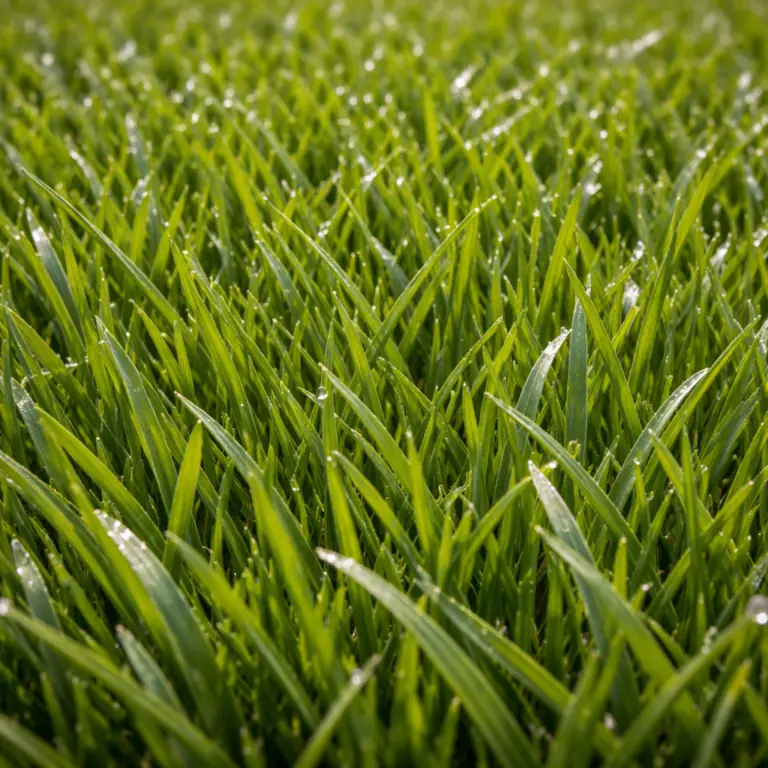
Perennial Ryegrass in Detroit, MI: Care Guide
Is Perennial Ryegrass Right for Detroit?
Perennial ryegrass is an excellent choice for USDA zone 5b, where winter lows range from -15°F to -10°F and summer highs typically reach 80-85°F. This cool-season grass thrives in the moderate temperatures of this zone, offering rapid establishment, excellent wear tolerance, and a fine to medium texture that creates an attractive lawn. However, it does present challenges during the hottest summer months when temperatures exceed 80°F for extended periods, requiring additional irrigation and care. Unlike some cool-season grasses, perennial ryegrass has limited heat and drought tolerance, making it more demanding during summer stress periods compared to tall fescue or fine fescue alternatives.
The seasonal performance cycle of perennial ryegrass in zone 5b follows a predictable pattern that aligns well with the climate. Green-up begins in early spring when soil temperatures reach 45-50°F, typically in mid to late March. Peak growth and color occur during the cool, moist conditions of late spring and early fall when temperatures range between 60-75°F. During summer months when temperatures consistently exceed 80°F, growth slows significantly and the grass may enter semi-dormancy, requiring 1.5-2 inches of water per week to maintain acceptable quality. The grass remains actively growing through fall until soil temperatures drop below 40°F, usually in late November, when it enters winter dormancy while maintaining good color longer than warm-season alternatives.
Perennial ryegrass performs best in well-drained soils with a pH between 6.0-7.0 and requires consistent moisture throughout the growing season. The grass needs full sun to light shade and benefits from 3-4 pounds of nitrogen per 1,000 square feet annually, split between spring and fall applications. Compared to alternatives like Kentucky bluegrass, perennial ryegrass establishes faster (14-21 days versus 21-30 days) but has less cold tolerance and requires more frequent overseeding. Fine fescues offer better drought tolerance but cannot match perennial ryegrass's traffic tolerance and recovery ability, while tall fescue provides superior heat and drought tolerance but lacks the fine texture many homeowners prefer.
Long-term maintenance expectations for perennial ryegrass in zone 5b include annual or biannual overseeding to maintain density, as this grass has limited self-repair capabilities compared to rhizomatous species. Expect to overseed with 4-6 pounds per 1,000 square feet in early fall when soil temperatures are 50-65°F. Regular irrigation during summer stress periods is essential, and the lawn will require more frequent maintenance including weekly mowing during peak growth periods in spring and fall. Winter survival is generally good in zone 5b, though some winter injury may occur during severe cold snaps below -10°F, particularly in exposed areas or where snow cover is insufficient.
How to Plant Perennial Ryegrass in Detroit
Best Method
Broadcast seeding with light raking for soil contact
Best Time
Late August through mid-September for optimal establishment
Establishment
7-14 days germination, 6-8 weeks for full establishment
Soil Preparation
Till or rake soil to 0.25-0.5 inch depth for seed contact. Ensure soil pH is between 6.0-7.0 and add compost if soil is compacted.
Watering During Establishment
Keep soil consistently moist with light, frequent watering 2-3 times daily for first 2-3 weeks. Gradually reduce frequency but increase depth as grass establishes.
Seed rate: 6-8 lbs per 1000 square feet for new lawns, 3-4 lbs for overseeding
Perennial Ryegrass Care Calendar for Detroit
Plan your lawn renovation if needed and order seeds or supplies. Clear any remaining debris from lawn areas.
Continue planning and equipment maintenance. Check for winter damage from ice or heavy snow.
Begin light raking to remove dead material as snow melts. Apply pre-emergent herbicide if crabgrass was a problem last year.
First mowing when grass reaches 4 inches tall, cutting to 2.5 inches. Apply balanced fertilizer (1 lb nitrogen per 1000 sq ft) when soil temperature reaches 50°F.
Overseed thin areas and establish regular watering schedule. Begin weekly mowing at 2.5-3 inches height.
Maintain consistent moisture with 1-1.5 inches of water weekly. Apply summer fertilizer if grass shows signs of stress.
Raise mowing height to 3-3.5 inches for summer stress tolerance. Water deeply but less frequently during hot periods.
Prime overseeding time for cool season grasses. Prepare soil and seed bare or thin areas before September.
Peak planting season - overseed and fertilize with starter fertilizer. Gradually reduce mowing height back to 2.5-3 inches.
Continue watering new seedlings until establishment. Apply winter fertilizer with higher potassium content.
Final mowing at 2-2.5 inches to prevent snow mold. Rake and remove fallen leaves promptly.
Avoid walking on frozen grass. Plan next year's lawn care program and budget.
Plan your lawn renovation if needed and order seeds or supplies. Clear any remaining debris from lawn areas.
Continue planning and equipment maintenance. Check for winter damage from ice or heavy snow.
Begin light raking to remove dead material as snow melts. Apply pre-emergent herbicide if crabgrass was a problem last year.
First mowing when grass reaches 4 inches tall, cutting to 2.5 inches. Apply balanced fertilizer (1 lb nitrogen per 1000 sq ft) when soil temperature reaches 50°F.
Overseed thin areas and establish regular watering schedule. Begin weekly mowing at 2.5-3 inches height.
Maintain consistent moisture with 1-1.5 inches of water weekly. Apply summer fertilizer if grass shows signs of stress.
Raise mowing height to 3-3.5 inches for summer stress tolerance. Water deeply but less frequently during hot periods.
Prime overseeding time for cool season grasses. Prepare soil and seed bare or thin areas before September.
Peak planting season - overseed and fertilize with starter fertilizer. Gradually reduce mowing height back to 2.5-3 inches.
Continue watering new seedlings until establishment. Apply winter fertilizer with higher potassium content.
Final mowing at 2-2.5 inches to prevent snow mold. Rake and remove fallen leaves promptly.
Avoid walking on frozen grass. Plan next year's lawn care program and budget.
Mowing Perennial Ryegrass in Detroit
Ideal Height
2.5-3 inches
Summer Height
3-3.5 inches during July-August heat stress
Frequency
Weekly during growing season, remove no more than 1/3 of blade length
- • Maintain sharp mower blades to prevent tearing and disease entry
- • Mow when grass is dry to achieve clean cuts and prevent clumping
- • Vary mowing patterns to prevent soil compaction and encourage upright growth
Common Perennial Ryegrass Problems in Detroit
Brown Patch
Symptoms: Circular brown patches 6 inches to several feet wide with darker ring margins
Cause: Fungal disease favored by hot, humid conditions above 80°F with poor air circulation
Solution: Improve drainage, reduce nitrogen fertilization, apply fungicide in early summer, increase mowing height
Snow Mold
Symptoms: Circular patches of matted, bleached grass visible after snow melt
Cause: Fungal diseases developing under snow cover, especially when grass enters winter too long
Solution: Final fall mowing at 2-2.5 inches, avoid late fall nitrogen, improve drainage and air circulation
Grub Damage
Symptoms: Brown patches that pull up easily like carpet, increased bird and animal digging activity
Cause: White grubs feeding on grass roots, typically Japanese beetle or chafer beetle larvae
Solution: Apply grub control products in late July-August, maintain proper watering, overseed damaged areas
Summer Dormancy
Symptoms: Grass turns brown and stops growing during hot, dry summer periods
Cause: Natural response to heat stress above 85°F and inadequate soil moisture
Solution: Provide 1-1.5 inches weekly water, raise mowing height to 3.5 inches, reduce foot traffic
Crabgrass Invasion
Symptoms: Clumpy, light green annual grass spreading in thin lawn areas
Cause: Annual weed germinating in spring when soil temperature reaches 55-60°F consistently
Solution: Apply pre-emergent herbicide in early April, overseed thin areas, maintain thick healthy turf
Winter Care for Perennial Ryegrass in Detroit
Apply winter fertilizer in late October with higher potassium (K) content to improve cold tolerance and root development. Complete final mowing by mid-November at 2-2.5 inches to reduce snow mold risk while preventing scalping damage from freeze-thaw cycles.
Frequently Asked Questions
Is Perennial Ryegrass good for Detroit?
Perennial Ryegrass is a solid choice for Detroit (zone 5b), particularly for high-traffic lawns or as a quick-establishing component in grass seed mixes. It germinates in just 5–7 days, faster than any other cool-season grass.
What is the difference between annual and perennial ryegrass in Detroit?
Perennial ryegrass persists year to year in Detroit's climate. Annual ryegrass germinates quickly but dies after one season and is mainly used for temporary winter color in warm climates. For a permanent lawn in Detroit, always choose perennial ryegrass.
When should I overseed with Perennial Ryegrass in Detroit?
Overseed with Perennial Ryegrass in Detroit in early fall (August–September) for the best results. It can also be used in early spring for quick repair of winter damage. Water daily until germination, which typically occurs within 5–10 days.