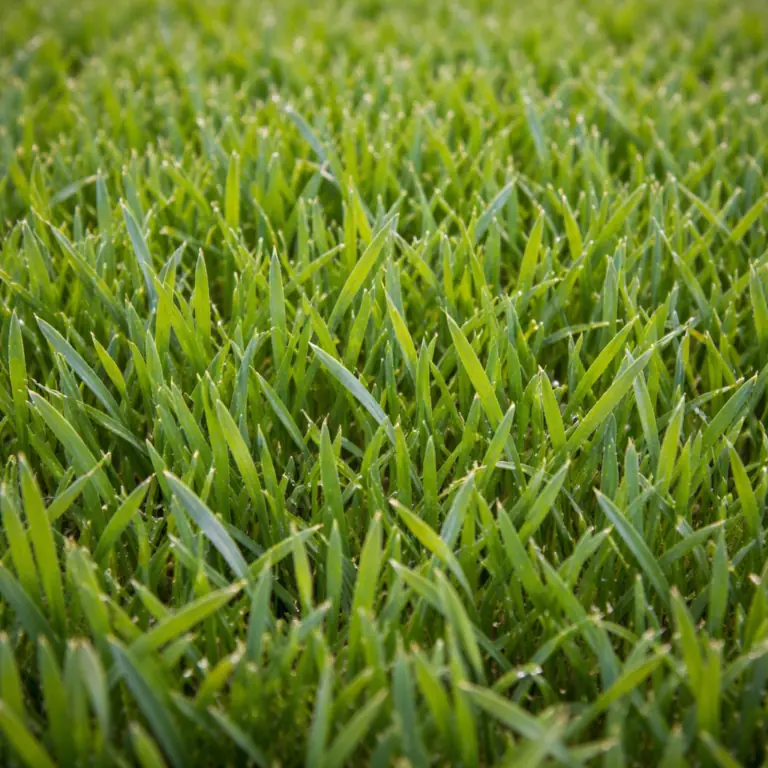
Kentucky Bluegrass in Minneapolis, MN: Care Guide
Is Kentucky Bluegrass Right for Minneapolis?
Kentucky Bluegrass is an excellent choice for USDA zone 5a, where average winter lows range from -20°F to -15°F. This premium cool-season grass thrives in the zone's climate, which provides the cold dormancy period it requires and moderate summer temperatures that rarely exceed its stress threshold of 85°F for extended periods. The main challenge in zone 5a is managing the transition periods when temperatures fluctuate rapidly between seasons, potentially causing freeze-thaw cycles that can damage crowns and roots. Additionally, late spring frosts can delay green-up, and occasional summer heat waves above 90°F may stress the turf if irrigation isn't properly managed.
The seasonal performance cycle of Kentucky Bluegrass in zone 5a follows a predictable pattern that aligns well with the climate. Green-up typically begins when soil temperatures reach 45-50°F consistently, usually in mid to late April. Peak growth occurs during the cool, moist conditions of late spring and early fall when temperatures range between 60-75°F. The grass maintains good color and density throughout summer if adequately watered, requiring approximately 1-1.5 inches of water weekly including rainfall. Dormancy begins when soil temperatures drop below 40°F, typically in late November, and the grass enters a protective brown state that can withstand zone 5a's harsh winters.
Kentucky Bluegrass requires well-draining soil with a pH between 6.0-7.5 and performs best in full sun to partial shade conditions. The soil should be fertile and organic-rich, with good moisture retention capabilities. Compared to alternatives like tall fescue or fine fescue, Kentucky Bluegrass offers superior density, self-repairing capability through rhizomes, and aesthetic appeal, but requires more water and fertility inputs. Tall fescue would be more drought-tolerant but lacks the fine texture, while fine fescues require less maintenance but don't handle heavy traffic as well. Perennial ryegrass establishes faster but lacks Kentucky Bluegrass's winter hardiness in zone 5a.
Long-term maintenance expectations include bi-annual fertilization in spring and fall with 2-4 pounds of nitrogen per 1,000 square feet annually, split into multiple applications. Plan for annual overseeding of thin areas at 2-3 pounds per 1,000 square feet in early fall. Core aeration should be performed annually in spring or fall to maintain soil health. With proper care, Kentucky Bluegrass can provide 15-20 years of premium turf performance in zone 5a. Expect higher water bills during summer months and budget for professional lawn care or significant time investment for optimal results. The payoff is a dense, attractive lawn that handles moderate foot traffic well and recovers quickly from minor damage.
How to Plant Kentucky Bluegrass in Minneapolis
Best Method
Seeding
Best Time
Late August through mid-September
Establishment
14-21 days for germination, 8-10 weeks for establishment
Soil Preparation
Till soil 4-6 inches deep and incorporate 2-4 inches of compost or organic matter. Level and firm seedbed, ensuring soil pH is between 6.0-7.0.
Watering During Establishment
Keep soil consistently moist with light, frequent watering 2-3 times daily for first 2-3 weeks. Gradually reduce frequency to deep watering every 2-3 days once seedlings are 2 inches tall.
Seed rate: 2-3 lbs per 1000 sq ft for new lawns, 1-2 lbs per 1000 sq ft for overseeding
Kentucky Bluegrass Care Calendar for Minneapolis
Plan for spring renovation and order seeds or fertilizer. Check for snow mold damage on any exposed areas.
Continue planning and equipment maintenance. Begin scouting for winter damage as snow melts.
Begin cleanup of debris and light raking if ground is not frozen. Apply pre-emergent herbicide when soil temperature reaches 50-55°F.
Start regular mowing when grass reaches 4 inches tall. Apply first fertilizer application (1 lb nitrogen per 1000 sq ft) when grass begins active growth.
Overseed thin areas and maintain consistent watering schedule. Apply post-emergent herbicide for broadleaf weeds if needed.
Increase mowing height to 3-4 inches for summer stress tolerance. Water deeply 1-2 times per week providing 1-1.5 inches total.
Maintain summer watering schedule and avoid fertilizing during heat stress. Monitor for grubs and fungal diseases.
Continue summer maintenance practices. Begin planning for fall renovation and overseeding projects.
Prime time for overseeding and major lawn renovations. Apply fall fertilizer (1 lb nitrogen per 1000 sq ft) and lime if soil test indicates need.
Continue fall fertilization program and complete overseeding by mid-month. Begin reducing watering frequency as temperatures cool.
Final mowing at 2.5-3 inches and remove leaves promptly. Apply winterizer fertilizer with potassium emphasis.
Avoid foot traffic on frozen grass. Store equipment and plan for next year's lawn care program.
Plan for spring renovation and order seeds or fertilizer. Check for snow mold damage on any exposed areas.
Continue planning and equipment maintenance. Begin scouting for winter damage as snow melts.
Begin cleanup of debris and light raking if ground is not frozen. Apply pre-emergent herbicide when soil temperature reaches 50-55°F.
Start regular mowing when grass reaches 4 inches tall. Apply first fertilizer application (1 lb nitrogen per 1000 sq ft) when grass begins active growth.
Overseed thin areas and maintain consistent watering schedule. Apply post-emergent herbicide for broadleaf weeds if needed.
Increase mowing height to 3-4 inches for summer stress tolerance. Water deeply 1-2 times per week providing 1-1.5 inches total.
Maintain summer watering schedule and avoid fertilizing during heat stress. Monitor for grubs and fungal diseases.
Continue summer maintenance practices. Begin planning for fall renovation and overseeding projects.
Prime time for overseeding and major lawn renovations. Apply fall fertilizer (1 lb nitrogen per 1000 sq ft) and lime if soil test indicates need.
Continue fall fertilization program and complete overseeding by mid-month. Begin reducing watering frequency as temperatures cool.
Final mowing at 2.5-3 inches and remove leaves promptly. Apply winterizer fertilizer with potassium emphasis.
Avoid foot traffic on frozen grass. Store equipment and plan for next year's lawn care program.
Mowing Kentucky Bluegrass in Minneapolis
Ideal Height
2.5-3 inches
Summer Height
3-4 inches
Frequency
Weekly during active growth, every 10-14 days during summer stress
- • Never remove more than 1/3 of grass blade length in a single mowing
- • Maintain sharp mower blades to prevent tearing and disease entry points
- • Alternate mowing patterns each week to prevent soil compaction and encourage upright growth
Common Kentucky Bluegrass Problems in Minneapolis
Brown Patch
Symptoms: Circular brown patches 6 inches to several feet in diameter with darker borders
Cause: Rhizoctonia fungus thriving in hot, humid conditions above 80°F
Solution: Improve air circulation, water early morning only, apply preventive fungicide in late spring
Grub Damage
Symptoms: Brown patches that peel back like carpet, increased bird and skunk activity
Cause: White grubs feeding on grass roots, typically Japanese beetle larvae
Solution: Apply grub control insecticide in late July/early August, maintain proper watering
Summer Dormancy
Symptoms: Grass turns brown and stops growing during hot, dry periods
Cause: Natural protective response to heat stress above 85°F and drought conditions
Solution: Provide 1-1.5 inches water weekly or allow natural dormancy until cooler weather returns
Snow Mold
Symptoms: Gray or pink circular patches visible when snow melts in spring
Cause: Fungal disease developing under snow cover on wet, unfrozen ground
Solution: Rake affected areas gently in spring, avoid late fall nitrogen fertilization
Crabgrass Invasion
Symptoms: Wide-bladed, light green grass spreading in thin lawn areas
Cause: Annual weed germinating when soil temperature reaches 55-60°F
Solution: Apply pre-emergent herbicide in early April, maintain thick healthy turf through proper fertilization
Winter Care for Kentucky Bluegrass in Minneapolis
Apply final fertilizer application in late November with high potassium content to improve cold tolerance and root development. Ensure final mowing is at 2.5-3 inches to prevent snow mold while maintaining enough blade length for photosynthesis during mild winter periods.
Frequently Asked Questions
Is Kentucky Bluegrass a good choice for Minneapolis?
Kentucky Bluegrass is well-suited for Minneapolis (zone 5a). It produces a beautiful, dense turf with excellent cold hardiness. The main requirements are full sun (at least 6 hours) and consistent moisture, it does not tolerate drought as well as fescues.
When should I overseed Kentucky Bluegrass in Minneapolis?
Overseed Kentucky Bluegrass in Minneapolis in early fall (mid-August to mid-September). Soil temperatures are still warm for germination while cooler air reduces heat stress. Spring overseeding is a secondary option but fall gives significantly better results.
Why does my Kentucky Bluegrass go brown in summer in Minneapolis?
Summer dormancy is normal for Kentucky Bluegrass in Minneapolis during hot, dry stretches. The grass is not dead, it will recover when temperatures cool. You can maintain green color by watering deeply 2–3 times per week through summer.