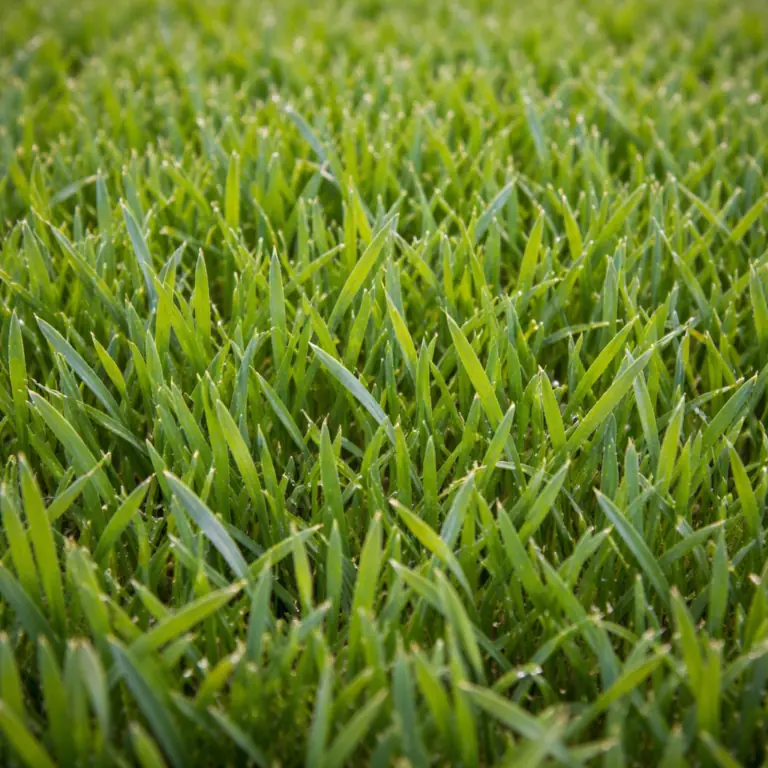
Kentucky Bluegrass in Waterloo, IA: Care Guide
Is Kentucky Bluegrass Right for Waterloo?
Kentucky Bluegrass is exceptionally well-suited for USDA zone 5b, where winter temperatures typically range from -10°F to -15°F. This cool-season grass thrives in the moderate summers and cold winters characteristic of this zone, which includes areas like southern Minnesota, Wisconsin, and parts of New England. The grass naturally enters dormancy during harsh winter conditions, turning brown but remaining alive underground through its robust rhizome system. Zone 5b's climate perfectly matches Kentucky Bluegrass's preference for cooler temperatures, making it one of the most reliable and attractive lawn options for homeowners in this region.
The seasonal cycle of Kentucky Bluegrass in zone 5b follows a predictable pattern that aligns with the climate. Spring brings vigorous growth as temperatures warm above 50°F, with the grass greening up rapidly and requiring regular mowing. Summer growth slows during hot spells above 80°F, and the grass may enter semi-dormancy during prolonged heat waves, though it typically recovers quickly with cooler temperatures and adequate moisture. Fall marks another period of active growth as temperatures drop, making it an ideal time for overseeding and fertilization. Winter dormancy begins when temperatures consistently drop below freezing, with the grass turning brown but remaining healthy beneath the surface.
Kentucky Bluegrass performs best in well-draining, fertile soil with a pH between 6.0 and 7.0, though it tolerates a range from 5.5 to 7.5. The grass requires consistent moisture, needing about 1 to 1.5 inches of water per week during active growing seasons, including rainfall. Deep, infrequent watering encourages strong root development, which is crucial for surviving zone 5b's temperature extremes. Compared to other cool-season grasses like tall fescue or perennial ryegrass, Kentucky Bluegrass offers superior cold tolerance and self-repairing capabilities through its spreading rhizomes, though it requires more water and is less drought-tolerant than tall fescue.
Maintenance in zone 5b involves spring cleanup and fertilization once soil temperatures reach 55°F, typically in April or May. Mow regularly during active growth periods, maintaining a height of 2.5 to 3.5 inches to promote deep roots and shade out weeds. Summer maintenance focuses on deep watering during dry spells and raising mowing height to 3.5 inches to help the grass cope with heat stress. Fall is prime time for overseeding bare spots, applying winterizer fertilizer in late October, and gradually lowering mowing height for the final cut. Avoid walking on frozen grass to prevent damage, and keep leaves cleared to prevent fungal diseases. With proper care, Kentucky Bluegrass creates a dense, luxurious lawn that can withstand zone 5b's challenging climate while providing excellent curb appeal.
How to Plant Kentucky Bluegrass in Waterloo
Best Method
Overseeding existing lawn or establishing new lawn from seed
Best Time
Early to mid-April or early September for optimal germination
Establishment
14-21 days germination, 8-10 weeks full establishment, full maturity in 2-3 growing seasons
Soil Preparation
Test pH (target 6.0-7.0), till 4-6 inches deep, incorporate organic matter, level and firm seedbed
Watering During Establishment
Light daily watering to keep top 1 inch moist, gradually transition to deep infrequent watering after 4-6 weeks
Seed rate: 2-3 lbs per 1,000 sq ft for new lawns, 1-2 lbs per 1,000 sq ft for overseeding
Kentucky Bluegrass Care Calendar for Waterloo
Plan lawn renovation. Order seeds/supplies. Service mower equipment.
Continue equipment maintenance. Plan overseeding areas. Avoid walking on frozen grass.
Begin pre-emergent herbicide application. Light raking to remove debris. First mowing if growth starts.
Prime seeding time. Apply starter fertilizer. Begin regular mowing. Dethatch if needed.
Continue seeding early in month. Regular mowing begins. Monitor for pests. Light fertilization.
Regular mowing and watering. Apply summer fertilizer. Monitor for disease. Spot treat weeds.
Raise mowing height. Deep, infrequent watering. Monitor heat stress. Reduce foot traffic.
Continue summer care. Prepare for fall seeding. Begin planning overseeding projects.
Peak fall seeding time. Apply fall fertilizer. Increase watering for new seed. Aggressive overseeding.
Continue fall fertilization. Final overseeding opportunity. Begin reducing watering. Leaf removal.
Final mowing of season. Apply winterizer fertilizer. Continue leaf removal. Gradual watering reduction.
Minimal activity. Avoid traffic on frozen grass. Plan next year's care. Store equipment properly.
Plan lawn renovation. Order seeds/supplies. Service mower equipment.
Continue equipment maintenance. Plan overseeding areas. Avoid walking on frozen grass.
Begin pre-emergent herbicide application. Light raking to remove debris. First mowing if growth starts.
Prime seeding time. Apply starter fertilizer. Begin regular mowing. Dethatch if needed.
Continue seeding early in month. Regular mowing begins. Monitor for pests. Light fertilization.
Regular mowing and watering. Apply summer fertilizer. Monitor for disease. Spot treat weeds.
Raise mowing height. Deep, infrequent watering. Monitor heat stress. Reduce foot traffic.
Continue summer care. Prepare for fall seeding. Begin planning overseeding projects.
Peak fall seeding time. Apply fall fertilizer. Increase watering for new seed. Aggressive overseeding.
Continue fall fertilization. Final overseeding opportunity. Begin reducing watering. Leaf removal.
Final mowing of season. Apply winterizer fertilizer. Continue leaf removal. Gradual watering reduction.
Minimal activity. Avoid traffic on frozen grass. Plan next year's care. Store equipment properly.
Mowing Kentucky Bluegrass in Waterloo
Ideal Height
2.5-3.5 inches
Summer Height
3.5-4 inches to reduce heat stress
Frequency
Weekly during active growth, bi-weekly during slower periods
- • Never remove more than 1/3 of grass blade length in single mowing
- • Keep mower blades sharp for clean cuts that resist disease
- • Alternate mowing patterns to prevent soil compaction and promote upright growth
Common Kentucky Bluegrass Problems in Waterloo
Brown Patch
Symptoms: Circular brown patches 6 inches to several feet diameter, often with smoke ring appearance
Cause: High humidity, warm temperatures (70-85°F), overwatering, excessive nitrogen
Solution: Improve air circulation, water early morning only, reduce nitrogen fertilization, apply fungicide if severe
Snow Mold
Symptoms: White or pinkish fungal growth under melting snow, circular dead patches in spring
Cause: Extended snow cover, excessive fall nitrogen, matted grass going into winter
Solution: Rake affected areas in spring, improve drainage, avoid late fall nitrogen, ensure proper fall cleanup
Grub Damage
Symptoms: Brown irregular patches, spongy feel when walking, grass easily lifted like carpet
Cause: Japanese beetle, chafer, or other grub larvae feeding on roots
Solution: Apply beneficial nematodes or grub control insecticide in late summer, maintain thick healthy turf
Summer Dormancy
Symptoms: Grass turns brown and stops growing during hot dry periods
Cause: Natural response to heat and drought stress in zone 5b summers
Solution: Provide 1 inch water weekly, raise mowing height, reduce traffic, fertilize in fall for recovery
Compacted Soil
Symptoms: Hard soil surface, water runoff, thin grass growth, moss development
Cause: Heavy foot traffic, clay soil, wet weather equipment use
Solution: Core aerate in fall, overseed after aeration, reduce traffic, improve drainage with organic matter
Winter Care for Kentucky Bluegrass in Waterloo
Apply winterizer fertilizer (high potassium) in late October to early November. Gradually reduce watering frequency. Remove all leaves and debris. Final mowing at 2.5 inches - not too short to avoid winter injury. Avoid foot traffic on frozen grass throughout winter months.
Frequently Asked Questions
Is Kentucky Bluegrass a good choice for Waterloo?
Kentucky Bluegrass is well-suited for Waterloo (zone 5b). It produces a beautiful, dense turf with excellent cold hardiness. The main requirements are full sun (at least 6 hours) and consistent moisture, it does not tolerate drought as well as fescues.
When should I overseed Kentucky Bluegrass in Waterloo?
Overseed Kentucky Bluegrass in Waterloo in early fall (mid-August to mid-September). Soil temperatures are still warm for germination while cooler air reduces heat stress. Spring overseeding is a secondary option but fall gives significantly better results.
Why does my Kentucky Bluegrass go brown in summer in Waterloo?
Summer dormancy is normal for Kentucky Bluegrass in Waterloo during hot, dry stretches. The grass is not dead, it will recover when temperatures cool. You can maintain green color by watering deeply 2–3 times per week through summer.