Centipede Grass in Plano, TX: Care Guide
Is Centipede Grass Right for Plano?
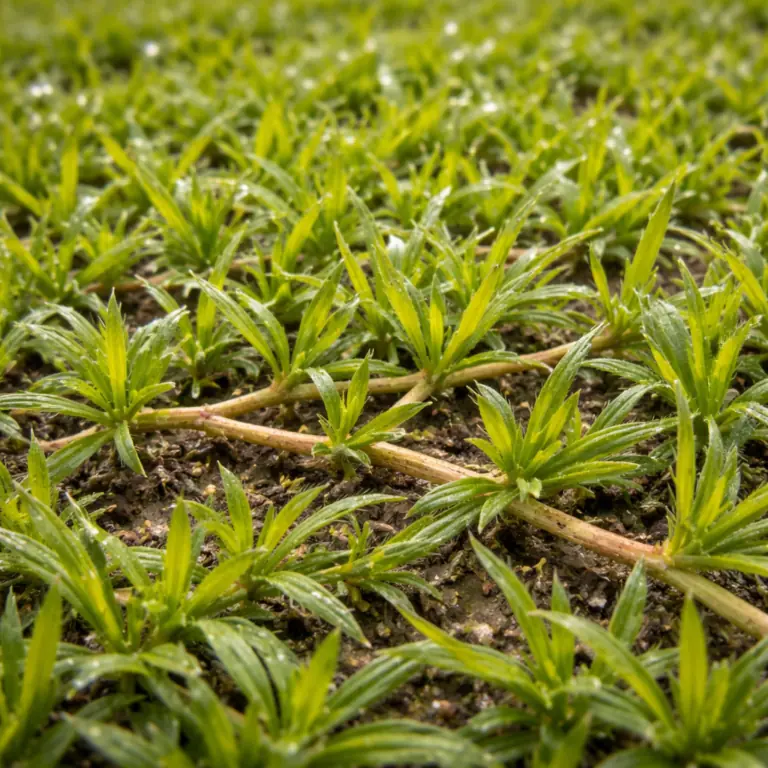
Centipede grass presents a moderately challenging but rewarding choice for USDA zone 7b homeowners seeking a low-maintenance warm-season turf. This zone's average minimum winter temperatures of 10-15°F push centipede to its northern limits, making it susceptible to winter injury during particularly harsh years. However, the grass thrives in zone 7b's hot summers and performs well in the region's typically acidic soils. Centipede's slow growth rate and minimal fertilizer requirements make it attractive for homeowners wanting reduced maintenance, though this same characteristic means slower recovery from damage compared to more aggressive grasses like bermuda or zoysia.
The seasonal performance cycle of centipede grass in zone 7b follows a predictable pattern tied to soil temperatures. Green-up typically begins when soil temperatures consistently reach 65-70°F, usually occurring in late April to early May. Peak performance occurs during summer months when temperatures range from 80-95°F, displaying its characteristic light green color and dense, low-growing habit. As soil temperatures drop below 50°F in late October to November, the grass enters dormancy, turning brown and remaining dormant until the following spring. In zone 7b, expect approximately 6-7 months of active growth compared to 8-9 months in more southern regions.
Centipede grass thrives in acidic soils with a pH between 5.0-6.0 and requires well-draining conditions, making it poorly suited to heavy clay or consistently wet areas. Water requirements are moderate, typically needing 1-1.5 inches weekly during active growth, including rainfall. The grass is notably sensitive to over-fertilization, requiring only 1-2 pounds of nitrogen per 1,000 square feet annually, significantly less than most alternatives. Compared to bermuda grass, centipede offers lower maintenance but less durability and slower establishment. Against tall fescue, centipede provides better summer performance and lower water needs but lacks cool-season resilience and traffic tolerance.
Long-term maintenance expectations for centipede grass in zone 7b include annual spring cleanup to remove winter-damaged areas, occasional overseeding in thin spots, and vigilant monitoring for cold injury. Expect to wait 2-3 years for full establishment from seed or 18-24 months from sod. The grass may require winter protection during extreme cold snaps below 5°F, and periodic soil testing ensures proper pH maintenance. While centipede's slow growth means less frequent mowing during peak season (every 10-14 days at 1.5-2 inch height), it also means longer recovery periods from damage, making preventive care crucial for long-term success in this transitional climate zone.
How to Plant Centipede Grass in Plano
Best Method
seed
Best Time
late April through July when soil temperature consistently reaches 65-70°F
Establishment
6-8 weeks for germination and initial establishment, 12-18 months for full coverage
Soil Preparation
Till soil to 4-6 inch depth and establish pH between 5.0-6.0 through lime application if needed. Create smooth, firm seedbed with good drainage since centipede grass cannot tolerate waterlogged conditions.
Watering During Establishment
Keep soil consistently moist but not saturated with light, frequent watering 2-3 times daily for first 3 weeks. Reduce to deep watering every 2-3 days once germination occurs, providing 0.5 inches each application.
Seed rate: 0.25-0.5 lbs per 1000 sq ft
Centipede Grass Care Calendar for Plano
Apply pre-emergent herbicide if soil temperature reaches 55°F for winter weeds. Check for winter damage and plan spring overseeding if needed.
Continue winter weed control with spot treatments as needed. Begin planning fertilization schedule for spring growth period.
Apply pre-emergent herbicide when soil temperature reaches 55°F consistently to prevent summer weeds. Begin light fertilization with 0.5-1 lb nitrogen per 1000 sq ft if grass shows green-up.
Begin regular mowing as grass starts active growth, maintaining 1.5-2 inch height. Apply first full fertilization of 1-2 lbs nitrogen per 1000 sq ft.
Establish regular weekly watering schedule of 1-1.25 inches if rainfall is insufficient. Monitor for early summer stress and adjust irrigation accordingly.
Apply second fertilization of 0.5-1 lb nitrogen per 1000 sq ft for summer growth. Increase mowing frequency to every 7-10 days as growth accelerates.
Monitor closely for drought stress and increase watering to 1.25 inches weekly during hot periods. Spot treat any summer weeds that emerge.
Continue consistent watering schedule and watch for signs of disease in humid conditions. Apply iron supplement if chlorosis appears.
Begin reducing fertilization to prepare for dormancy transition. This is optimal time for overseeding thin areas before fall growth period.
Apply final light fertilization of 0.5 lb nitrogen per 1000 sq ft to encourage fall growth. Begin reducing mowing frequency as growth slows.
Perform final mowing of season at 1 inch height to prevent matting under snow. Apply lime if soil test indicates pH below 5.0.
Avoid foot traffic on dormant grass to prevent damage. Plan soil testing for early spring fertilization program.
Apply pre-emergent herbicide if soil temperature reaches 55°F for winter weeds. Check for winter damage and plan spring overseeding if needed.
Continue winter weed control with spot treatments as needed. Begin planning fertilization schedule for spring growth period.
Apply pre-emergent herbicide when soil temperature reaches 55°F consistently to prevent summer weeds. Begin light fertilization with 0.5-1 lb nitrogen per 1000 sq ft if grass shows green-up.
Begin regular mowing as grass starts active growth, maintaining 1.5-2 inch height. Apply first full fertilization of 1-2 lbs nitrogen per 1000 sq ft.
Establish regular weekly watering schedule of 1-1.25 inches if rainfall is insufficient. Monitor for early summer stress and adjust irrigation accordingly.
Apply second fertilization of 0.5-1 lb nitrogen per 1000 sq ft for summer growth. Increase mowing frequency to every 7-10 days as growth accelerates.
Monitor closely for drought stress and increase watering to 1.25 inches weekly during hot periods. Spot treat any summer weeds that emerge.
Continue consistent watering schedule and watch for signs of disease in humid conditions. Apply iron supplement if chlorosis appears.
Begin reducing fertilization to prepare for dormancy transition. This is optimal time for overseeding thin areas before fall growth period.
Apply final light fertilization of 0.5 lb nitrogen per 1000 sq ft to encourage fall growth. Begin reducing mowing frequency as growth slows.
Perform final mowing of season at 1 inch height to prevent matting under snow. Apply lime if soil test indicates pH below 5.0.
Avoid foot traffic on dormant grass to prevent damage. Plan soil testing for early spring fertilization program.
Mowing Centipede Grass in Plano
Ideal Height
1.5-2 inches
Summer Height
2-2.5 inches during peak heat stress
Frequency
every 7-14 days during growing season
- • Never remove more than 1/3 of blade length in single cutting to prevent scalping damage
- • Maintain sharp mower blades to prevent tearing and brown leaf tips that invite disease
- • Raise cutting height to 2.5 inches during drought or extreme heat periods above 90°F
Common Centipede Grass Problems in Plano
Brown patch disease
Symptoms: Circular brown patches 6 inches to several feet in diameter with dark ring borders
Cause: Rhizoctonia fungus thriving in temperatures above 80°F with high humidity and overwatering
Solution: Reduce watering frequency, improve air circulation, apply preventive fungicide in late spring when temperatures reach 80°F consistently
Iron chlorosis
Symptoms: Yellowing grass blades while veins remain green, overall pale appearance
Cause: High soil pH above 6.5 preventing iron uptake, or naturally low iron availability
Solution: Apply iron sulfate at 2-4 oz per 1000 sq ft, lower soil pH with sulfur application if above 6.0
Decline from overfertilization
Symptoms: Gradual thinning, increased weed invasion, and poor color despite adequate moisture
Cause: Excessive nitrogen applications exceeding 2-3 lbs per 1000 sq ft annually
Solution: Reduce fertilization to maximum 2 lbs nitrogen annually, apply lime if pH drops below 5.0, overseed thin areas
Dollar spot disease
Symptoms: Small silver-dollar sized brown spots with white cobweb-like mycelium in early morning
Cause: Low nitrogen levels combined with high humidity and temperatures between 70-85°F
Solution: Apply balanced fertilizer with 0.5-1 lb nitrogen per 1000 sq ft, water deeply but less frequently, improve drainage
Winter damage
Symptoms: Brown, dead patches appearing in late winter or early spring, especially on slopes
Cause: Desiccation from cold, dry winds or ice damage when temperatures drop below 15°F
Solution: Overseed damaged areas in late spring, avoid late fall fertilization, ensure adequate fall watering before dormancy
Winter Care for Centipede Grass in Plano
Stop fertilization by October 1st and reduce watering frequency to once per week maximum as grass enters dormancy when temperatures consistently drop below 50°F. Perform final mowing at 1 inch height in late November to prevent snow mold and matting, then avoid foot traffic on dormant grass until spring green-up begins.
Frequently Asked Questions
Is Centipede grass good for Plano?
Centipede is an excellent low-maintenance choice for Plano (zone 7b), especially if you want a lawn that needs minimal fertilizing and infrequent mowing. It thrives in the acidic soils common in the Southeast.
Why is my Centipede grass turning yellow in Plano?
Yellowing Centipede in Plano is almost always caused by over-fertilizing with nitrogen or soil pH being too high. Centipede prefers acidic soil (pH 5.0–6.0) and needs very little nitrogen, no more than 1–2 lbs per 1,000 sq ft per year.
When does Centipede grass green up in Plano?
In Plano, Centipede grass typically breaks dormancy and greens up in mid-to-late spring once soil temperatures consistently reach 65°F. It is one of the later warm-season grasses to emerge in spring.