Buffalo Grass in Augusta, GA: Care Guide
Is Buffalo Grass Right for Augusta?
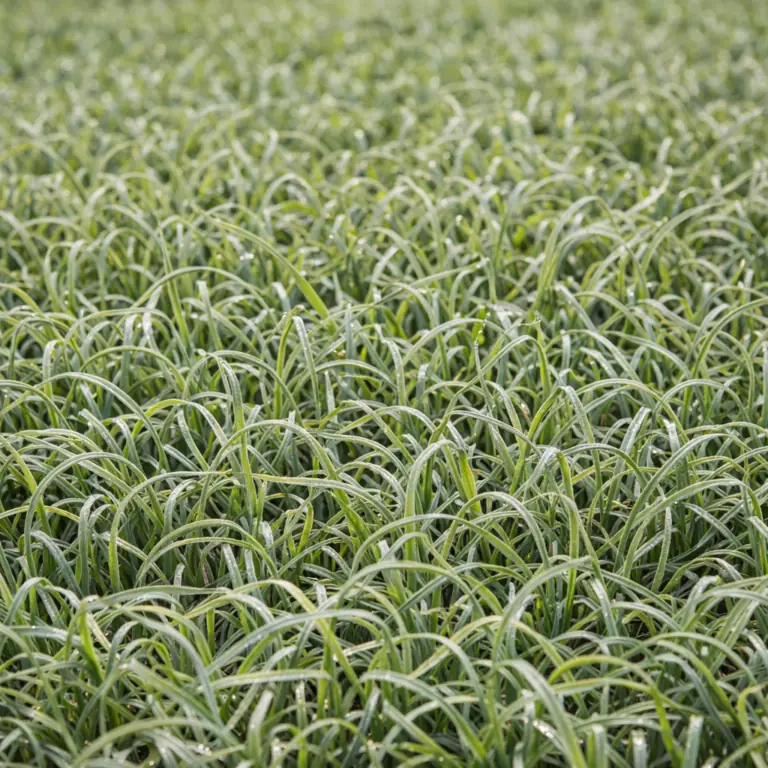
Buffalo grass is an excellent warm-season turf choice for USDA zone 7b, offering exceptional drought tolerance and low-maintenance requirements that make it ideal for homeowners seeking a sustainable lawn alternative. This native prairie grass thrives in zone 7b's climate, which provides the warm summers buffalo grass needs for active growth while offering enough winter chill to allow proper dormancy. The zone's average minimum temperatures of 10-15°F are well within buffalo grass's cold tolerance range, and the typically hot, humid summers create optimal growing conditions. Buffalo grass performs particularly well in the transitional climate of zone 7b, where cool-season grasses often struggle during summer heat stress periods.
The seasonal cycle of buffalo grass in zone 7b follows a predictable pattern that aligns well with the region's weather. Growth begins in late spring when soil temperatures consistently reach 60-65°F, typically in April or early May. The grass enters its most vigorous growth phase during the hot summer months of June through August, developing its characteristic blue-green color and spreading through stolons and rhizomes. As temperatures cool in October, buffalo grass begins transitioning to dormancy, turning a golden-tan color that persists through winter until spring green-up occurs. This dormancy period actually provides visual interest and eliminates the need for winter maintenance.
Buffalo grass thrives in zone 7b's diverse soil conditions, preferring well-draining clay or sandy loam soils with a pH between 6.0-8.5, though it tolerates alkaline conditions better than most grasses. One of its greatest advantages is remarkable drought tolerance, requiring only 12-15 inches of annual precipitation once established, significantly less than cool-season alternatives like fescue or bluegrass. Initial establishment requires consistent moisture for 6-8 weeks, but mature buffalo grass can survive extended dry periods by going semi-dormant. Compared to traditional turf grasses, buffalo grass uses 50-75% less water while providing better heat and drought stress tolerance.
Maintenance requirements for buffalo grass in zone 7b are minimal compared to conventional lawn grasses. Fertilization needs are extremely low, typically requiring only one light application of nitrogen in early summer, if any. Mowing frequency is reduced since buffalo grass grows slowly, reaching only 3-4 inches in height, and can be maintained at 2-3 inches with monthly cutting during the growing season. The grass naturally suppresses weeds once established due to its dense growth habit. While establishment from seed can take a full season, the long-term benefits include reduced water bills, minimal chemical inputs, and a resilient lawn that withstands zone 7b's variable weather conditions. Buffalo grass represents an environmentally conscious choice that delivers both practical benefits and native plant habitat value.
How to Plant Buffalo Grass in Augusta
Best Method
Plugs recommended for fastest establishment; seed acceptable but slower
Best Time
Late April to early June when soil temperature consistently above 60°F
Establishment
Plugs: 2-3 months full coverage; Seed: 3-4 months
Soil Preparation
Till to 6 inches deep, remove weeds, ensure good drainage, pH 6.0-8.5
Watering During Establishment
Daily light watering first 2-3 weeks, then every other day, reduce after 6 weeks
Seed rate: 2-3 pounds per 1000 sq ft
Buffalo Grass Care Calendar for Augusta
No active care needed; grass dormant
Plan seeding/plugging for spring; order materials
Begin soil preparation; wait for soil to warm to 60°F
Plant plugs or seed when soil reaches 60°F; begin establishment watering
Continue establishment watering; monitor germination; light fertilizer if needed
Reduce watering frequency; begin mowing when grass reaches 3-4 inches
Deep, infrequent watering only during extreme heat; mow as needed
Continue drought-tolerant watering practices; watch for stress
Resume regular care; overseed thin areas; light fertilization
Final mow before dormancy; reduce watering as growth slows
Cease watering; prepare for dormancy period
No care needed; grass entering full dormancy
No active care needed; grass dormant
Plan seeding/plugging for spring; order materials
Begin soil preparation; wait for soil to warm to 60°F
Plant plugs or seed when soil reaches 60°F; begin establishment watering
Continue establishment watering; monitor germination; light fertilizer if needed
Reduce watering frequency; begin mowing when grass reaches 3-4 inches
Deep, infrequent watering only during extreme heat; mow as needed
Continue drought-tolerant watering practices; watch for stress
Resume regular care; overseed thin areas; light fertilization
Final mow before dormancy; reduce watering as growth slows
Cease watering; prepare for dormancy period
No care needed; grass entering full dormancy
Mowing Buffalo Grass in Augusta
Ideal Height
2-3 inches
Summer Height
3-4 inches during heat stress
Frequency
Every 2-3 weeks during growing season
- • Never remove more than 1/3 of blade height
- • Use sharp mower blades to prevent tearing
- • Mow when grass is dry for cleanest cut
Common Buffalo Grass Problems in Augusta
Slow establishment
Symptoms: Patchy growth, thin coverage
Cause: Cool soil temperatures, insufficient watering
Solution: Wait for warmer weather, increase establishment watering
Brown patch fungus
Symptoms: Circular brown spots in humid conditions
Cause: Overwatering in humid zone 7b summers
Solution: Improve drainage, reduce watering frequency, fungicide if severe
Winter damage
Symptoms: Dead patches after harsh winters
Cause: Buffalo grass at northern limit in zone 7b
Solution: Overseed damaged areas in spring, consider microclimate protection
Weed competition
Symptoms: Weeds overtaking slow-growing buffalo grass
Cause: Slow establishment allows weed infiltration
Solution: Pre-emergent herbicide, hand weeding, proper establishment practices
Scalping damage
Symptoms: Brown, stressed appearance after mowing
Cause: Mowing too short or with dull blades
Solution: Raise mower height, sharpen blades, follow 1/3 rule
Winter Care for Buffalo Grass in Augusta
Buffalo grass naturally goes dormant and turns brown in zone 7b winters. Stop watering by November, perform final mow to 2 inches, and avoid foot traffic on frozen grass. Some winter damage possible at northern edge of adaptation zone - overseed thin areas in spring.
Frequently Asked Questions
Is Buffalo grass a good choice for Augusta?
Buffalo grass is an excellent choice for Augusta (zone 7b) if you want a water-efficient, low-maintenance lawn. It is native to the Great Plains and thrives in full sun with minimal irrigation once established, often surviving on rainfall alone.
How much water does Buffalo grass need in Augusta?
Once established, Buffalo grass in Augusta needs as little as 1 inch of water per month, far less than any other lawn grass. During establishment (first season), water weekly to help roots develop. After that, supplemental irrigation is rarely needed.
When does Buffalo grass green up in Augusta?
Buffalo grass is one of the latest grasses to break dormancy in Augusta, typically greening up in May when soil temperatures consistently reach 60°F. It goes dormant earlier in fall than Bermuda, usually by October.