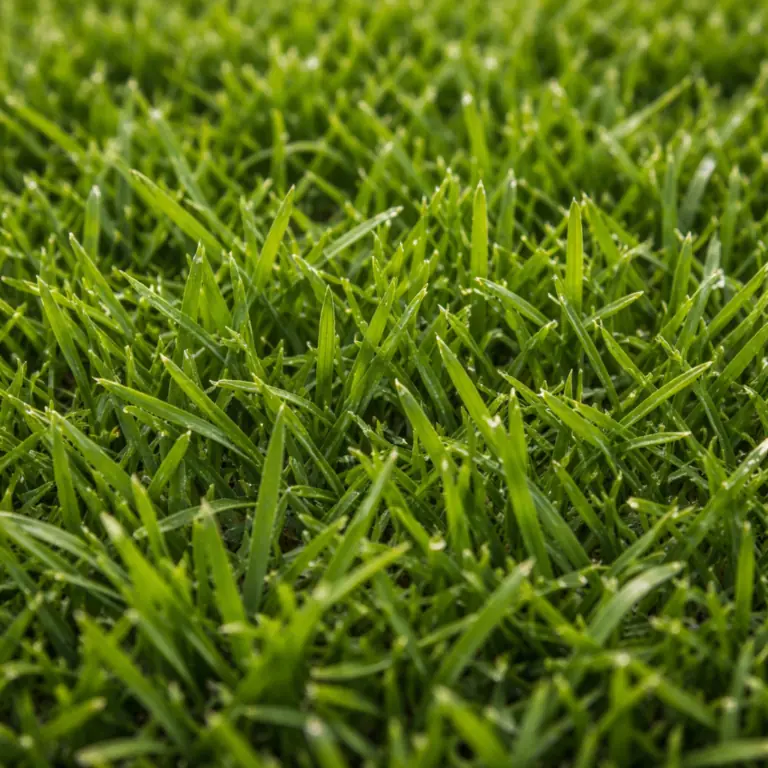
Bermuda Grass in Atlanta, GA: Care Guide
Is Bermuda Grass Right for Atlanta?
Bermuda grass in USDA zone 7b represents a transitional choice that offers both significant benefits and notable challenges. Zone 7b's average minimum winter temperatures of 10-15°F place it at the northern edge of Bermuda's optimal growing range, making it a viable but somewhat risky option. The grass thrives in this zone's hot summers, providing excellent heat and drought tolerance, aggressive growth that naturally crowds out weeds, and superior wear resistance for high-traffic areas. However, the cooler winters and occasional temperature dips below 10°F can cause winter kill in exposed areas, and the extended dormancy period leaves lawns brown for 4-5 months annually. Spring green-up is often delayed compared to zones 8-9, typically occurring when soil temperatures consistently reach 65-70°F, usually in mid to late April.
The seasonal performance cycle in zone 7b follows a predictable pattern tied closely to temperature fluctuations. Green-up begins when nighttime temperatures consistently stay above 60°F and accelerates rapidly as temperatures climb into the 80s and 90s during late spring and summer. Peak performance occurs from June through early September when daytime temperatures range from 85-95°F, during which Bermuda exhibits its characteristic vigorous growth requiring weekly mowing. Dormancy initiation begins with the first frost, typically in mid to late October, and the grass remains completely dormant until the following spring. This extended dormancy period is the primary drawback for homeowners seeking year-round green coverage.
Bermuda grass performs best in well-drained soils with a pH between 6.0-7.0 and requires full sun exposure for optimal density and color. The grass needs approximately 1-1.25 inches of water weekly during active growth, with deep, infrequent irrigation preferred over shallow daily watering. Fertilization requirements include 3-5 pounds of nitrogen per 1,000 square feet annually, split between spring green-up and mid-summer applications. Compared to cool-season alternatives like tall fescue or perennial ryegrass, Bermuda offers superior drought tolerance and lower summer water requirements but lacks winter hardiness and year-round color. Zone 7b homeowners often consider overseeding with perennial ryegrass in fall for winter color, though this practice requires additional maintenance and can weaken the Bermuda stand.
Long-term maintenance expectations include aggressive spring dethatching every 2-3 years due to Bermuda's prolific growth habit, regular edging to prevent invasion into flower beds, and potential winter protection in exposed areas through mulching or covers during severe cold snaps. The grass typically requires replacement or significant renovation every 10-15 years in zone 7b due to cumulative winter stress, compared to 15-20 years in warmer zones. Despite these challenges, properly established Bermuda grass can provide an exceptionally durable, attractive lawn during the growing season, making it worthwhile for homeowners prioritizing summer performance over year-round aesthetics.
How to Plant Bermuda Grass in Atlanta
Best Method
seeding
Best Time
late April through June when soil temperature is 65-70°F
Establishment
14-21 days for germination, 60-90 days for full establishment
Soil Preparation
Till soil 4-6 inches deep and incorporate 2-3 inches of compost. Ensure proper drainage and pH between 6.0-7.0.
Watering During Establishment
Water lightly 2-3 times daily to keep soil surface moist until germination. Reduce frequency but increase duration once seedlings are 1 inch tall.
Seed rate: 2-3 lbs per 1000 sq ft
Bermuda Grass Care Calendar for Atlanta
Plan spring renovations and order seed or sod if needed. Check and service mowing equipment.
Begin soil testing and lime applications if pH is below 6.0. Remove debris and inspect for winter damage.
Apply pre-emergent herbicide when soil temperature reaches 55°F. Begin light fertilization with 0.5-1 lb nitrogen per 1000 sq ft.
Start regular watering schedule as grass begins active growth. Overseed thin areas when soil temperature is consistently 65°F.
Begin regular mowing schedule at 1.5-2 inches. Apply second nitrogen application of 0.5-1 lb per 1000 sq ft.
Increase watering frequency to 1-1.5 inches per week including rainfall. Monitor for summer stress and adjust mowing height to 2-2.5 inches.
Maintain consistent watering schedule and avoid heavy foot traffic during peak heat. Apply light fertilization if needed.
Continue summer maintenance with deep, infrequent watering. Watch for brown patch and other fungal diseases in humid conditions.
Apply fall fertilizer with 1 lb nitrogen per 1000 sq ft. Begin overseeding damaged areas as temperatures cool.
Continue overseeding early in month. Gradually reduce watering as growth slows and temperatures drop below 70°F.
Final mowing of season at slightly lower height of 1-1.5 inches. Apply winterizing fertilizer with potassium.
Minimize foot traffic on dormant grass. Plan next year's care schedule and maintenance needs.
Plan spring renovations and order seed or sod if needed. Check and service mowing equipment.
Begin soil testing and lime applications if pH is below 6.0. Remove debris and inspect for winter damage.
Apply pre-emergent herbicide when soil temperature reaches 55°F. Begin light fertilization with 0.5-1 lb nitrogen per 1000 sq ft.
Start regular watering schedule as grass begins active growth. Overseed thin areas when soil temperature is consistently 65°F.
Begin regular mowing schedule at 1.5-2 inches. Apply second nitrogen application of 0.5-1 lb per 1000 sq ft.
Increase watering frequency to 1-1.5 inches per week including rainfall. Monitor for summer stress and adjust mowing height to 2-2.5 inches.
Maintain consistent watering schedule and avoid heavy foot traffic during peak heat. Apply light fertilization if needed.
Continue summer maintenance with deep, infrequent watering. Watch for brown patch and other fungal diseases in humid conditions.
Apply fall fertilizer with 1 lb nitrogen per 1000 sq ft. Begin overseeding damaged areas as temperatures cool.
Continue overseeding early in month. Gradually reduce watering as growth slows and temperatures drop below 70°F.
Final mowing of season at slightly lower height of 1-1.5 inches. Apply winterizing fertilizer with potassium.
Minimize foot traffic on dormant grass. Plan next year's care schedule and maintenance needs.
Mowing Bermuda Grass in Atlanta
Ideal Height
1.5-2 inches
Summer Height
2-2.5 inches
Frequency
weekly during active growth, bi-weekly in summer heat
- • Never remove more than 1/3 of blade height in single mowing
- • Mow with sharp blades to prevent tearing and disease
- • Alternate mowing patterns to prevent soil compaction
Common Bermuda Grass Problems in Atlanta
Brown Patch
Symptoms: Circular brown patches 6 inches to several feet in diameter with dark ring borders
Cause: High humidity, temperatures 80-85°F, and excessive nitrogen
Solution: Improve air circulation, reduce nitrogen fertilization, apply fungicide if severe
Spring Dead Spot
Symptoms: Circular dead patches 1-3 feet diameter appearing in spring
Cause: Fungal disease exacerbated by late fall nitrogen applications
Solution: Avoid fall nitrogen, improve drainage, overseed affected areas
Winter Kill
Symptoms: Large irregular dead areas after winter, especially in low-lying areas
Cause: Ice formation, cold temperatures below 10°F, poor drainage
Solution: Improve drainage, avoid late fall fertilization, overseed in spring
Scalping
Symptoms: Brown, bare spots after mowing, especially on uneven terrain
Cause: Cutting grass too short or mowing over high spots
Solution: Raise mowing height, level lawn, follow 1/3 rule for cutting
Thatch Buildup
Symptoms: Spongy feel underfoot, water runoff, poor root penetration
Cause: Over-fertilization, infrequent deep watering, compacted soil
Solution: Dethatch when layer exceeds 0.5 inches, reduce nitrogen, aerate annually
Winter Care for Bermuda Grass in Atlanta
Apply potassium-rich fertilizer in November to improve cold tolerance and reduce watering to allow gradual dormancy. Avoid nitrogen applications after September to prevent tender growth susceptible to freeze damage.
Frequently Asked Questions
Is Bermuda grass good for Atlanta?
Bermuda grass is a viable option for Atlanta (zone 7b). It thrives in heat and drought conditions, making it ideal for sunny lawns that see heavy foot traffic.
When does Bermuda grass go dormant in Atlanta?
In Atlanta, Bermuda grass typically goes dormant when soil temperatures drop below 55°F, usually November–December. It turns brown but recovers fully in spring once temperatures rise again.
How often should I mow Bermuda grass in Atlanta?
Mow Bermuda grass every 5–7 days during its active growing season in Atlanta (spring through early fall). Keep the height at 1–1.5 inches, Bermuda is one of the few grasses that does better when cut short.