Bahiagrass in Austin, TX: Care Guide
Is Bahiagrass Right for Austin?
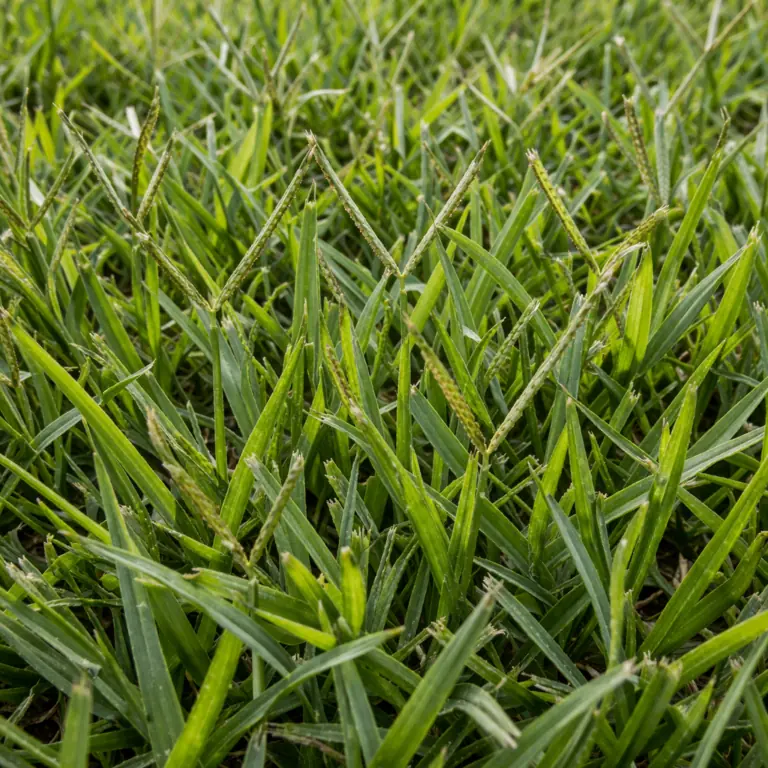
Bahiagrass is an excellent choice for USDA zone 8b, where winter temperatures typically range from 15-20°F, making it one of the most cold-tolerant warm-season grasses available. This makes it particularly valuable in zone 8b's transitional climate, where cool-season grasses often struggle with summer heat and humidity, while many warm-season varieties suffer winter damage. Bahiagrass thrives in the zone's hot summers with temperatures reaching 85-95°F, and its deep taproot system allows it to withstand the region's periodic droughts and clay soils that challenge other turfgrasses. However, it does present some challenges, including slower establishment compared to other grasses, a somewhat coarse texture that some homeowners find less appealing, and the tendency to produce seed heads throughout the growing season that require frequent mowing to maintain aesthetic appeal.
The seasonal performance cycle of Bahiagrass in zone 8b follows a predictable pattern tied to soil temperature. Green-up typically begins when soil temperatures consistently reach 65-70°F, usually in late March to early April. The grass reaches peak growth and density during the hottest months of July and August when soil temperatures exceed 80°F and adequate moisture is present. As soil temperatures drop below 50°F in late November to early December, the grass enters dormancy, turning tan to brown and remaining dormant until the following spring. During peak growing season, expect growth rates of 1-2 inches per week with adequate water, requiring weekly mowing. The grass can maintain green color until the first hard frost, typically occurring when air temperatures drop to 28°F or below.
Bahiagrass performs best in well-drained soils with a pH between 5.5-6.5, though it tolerates a wider pH range than most turfgrasses. It requires only 0.5-0.75 inches of water per week during active growth, significantly less than alternatives like St. Augustinegrass (1-1.5 inches) or tall fescue (1-1.25 inches). The grass establishes well from seed at 5-10 pounds per 1,000 square feet, though germination can take 14-28 days. Compared to Bermudagrass, Bahiagrass requires less water and fertility but has slower establishment and recovery. Unlike Zoysia, which requires 2-3 years for full establishment, Bahiagrass typically establishes in one growing season but lacks Zoysia's fine texture and density.
Long-term maintenance expectations for Bahiagrass in zone 8b are relatively modest, making it ideal for low-input situations. Annual fertilization requirements are 2-3 pounds of nitrogen per 1,000 square feet, applied between April and August. The grass rarely requires irrigation once established, except during extended droughts lasting more than 3-4 weeks. Major renovation is seldom needed, though overseeding thin areas every 3-5 years helps maintain density. While it won't provide the manicured appearance of premium grasses, Bahiagrass offers reliable, low-maintenance coverage that withstands zone 8b's climate extremes with minimal inputs, making it particularly suitable for larger areas, roadsides, and utility turf applications.
How to Plant Bahiagrass in Austin
Best Method
seed
Best Time
March 15 - May 15 and September 1 - October 15
Establishment
6-8 weeks for germination, 12-16 weeks for full establishment
Soil Preparation
Till soil to 4-6 inches deep and incorporate 2-3 inches of organic matter. Ensure pH is between 5.5-6.5 and grade for proper drainage.
Watering During Establishment
Water lightly 2-3 times daily for first 3 weeks to keep soil surface moist. Transition to deep watering 2-3 times weekly once seedlings reach 2 inches tall.
Seed rate: 8-10 lbs per 1000 sq ft
Bahiagrass Care Calendar for Austin
Monitor dormant bahiagrass for winter damage and plan spring activities. Apply pre-emergent herbicide if temperatures remain consistently below 50°F.
Continue dormancy maintenance and prepare equipment for spring. Begin soil testing if ground is not frozen.
Apply pre-emergent herbicide when soil temperature reaches 55-60°F. Begin light fertilization with 1 lb nitrogen per 1000 sq ft as grass starts greening.
Start regular mowing when grass reaches 4-5 inches. Apply second nitrogen application of 1 lb per 1000 sq ft for active growth.
Increase mowing frequency as growth accelerates. Apply third nitrogen feeding and monitor for early pest activity.
Maintain regular mowing schedule and deep watering twice weekly. Apply fourth nitrogen application of 1 lb per 1000 sq ft.
Monitor for drought stress and adjust watering to 1-1.5 inches weekly. Raise mowing height to 3-4 inches for heat tolerance.
Continue summer maintenance with adequate irrigation. Apply final nitrogen feeding of 0.5 lb per 1000 sq ft if needed.
Optimal time for overseeding bare spots and establishing new areas. Reduce nitrogen applications and focus on root development.
Continue fall planting window and apply winterizing fertilizer with potassium. Gradually reduce mowing frequency as growth slows.
Final mowing at 2-3 inches before dormancy. Clean up debris and prepare equipment for winter storage.
Minimal activity as grass enters dormancy. Plan next year's maintenance schedule and order supplies.
Monitor dormant bahiagrass for winter damage and plan spring activities. Apply pre-emergent herbicide if temperatures remain consistently below 50°F.
Continue dormancy maintenance and prepare equipment for spring. Begin soil testing if ground is not frozen.
Apply pre-emergent herbicide when soil temperature reaches 55-60°F. Begin light fertilization with 1 lb nitrogen per 1000 sq ft as grass starts greening.
Start regular mowing when grass reaches 4-5 inches. Apply second nitrogen application of 1 lb per 1000 sq ft for active growth.
Increase mowing frequency as growth accelerates. Apply third nitrogen feeding and monitor for early pest activity.
Maintain regular mowing schedule and deep watering twice weekly. Apply fourth nitrogen application of 1 lb per 1000 sq ft.
Monitor for drought stress and adjust watering to 1-1.5 inches weekly. Raise mowing height to 3-4 inches for heat tolerance.
Continue summer maintenance with adequate irrigation. Apply final nitrogen feeding of 0.5 lb per 1000 sq ft if needed.
Optimal time for overseeding bare spots and establishing new areas. Reduce nitrogen applications and focus on root development.
Continue fall planting window and apply winterizing fertilizer with potassium. Gradually reduce mowing frequency as growth slows.
Final mowing at 2-3 inches before dormancy. Clean up debris and prepare equipment for winter storage.
Minimal activity as grass enters dormancy. Plan next year's maintenance schedule and order supplies.
Mowing Bahiagrass in Austin
Ideal Height
2.5-3 inches
Summer Height
3-4 inches
Frequency
weekly during growing season, bi-weekly during slow growth
- • Never remove more than 1/3 of blade length in single cutting
- • Mow when grass is dry to prevent clumping and disease
- • Keep mower blades sharp for clean cuts that resist disease
Common Bahiagrass Problems in Austin
Dollar Spot
Symptoms: Small circular brown patches 2-6 inches diameter with bleached centers
Cause: Fungal disease favored by humidity and low nitrogen
Solution: Apply fungicide and increase nitrogen fertilization to 1 lb per 1000 sq ft
Mole Cricket Damage
Symptoms: Irregular brown patches with raised tunnels and loose soil
Cause: Mole cricket larvae feeding on roots and creating tunnels
Solution: Apply targeted insecticide in late summer when young nymphs are present
Ergot Disease
Symptoms: Dark purple to black structures replacing seed heads
Cause: Fungal pathogen affecting seed production
Solution: Mow frequently to prevent seed head development and improve air circulation
Chinch Bug Infestation
Symptoms: Yellowing grass that progresses to brown dead patches in sunny areas
Cause: Small insects sucking plant juices during hot weather
Solution: Apply appropriate insecticide and maintain adequate soil moisture
Iron Deficiency
Symptoms: Yellowing between leaf veins while veins remain green
Cause: High soil pH preventing iron uptake or actual iron deficiency
Solution: Apply iron sulfate at 2-5 lbs per 1000 sq ft or lower soil pH
Winter Care for Bahiagrass in Austin
Apply final mowing in late November at 2-3 inches to prevent matting under snow. Apply potassium-rich fertilizer in October to improve cold tolerance, avoiding nitrogen after September to prevent tender growth.
Frequently Asked Questions
Is Bahiagrass good for Austin?
Bahiagrass is an excellent choice for Austin (zone 8b) if you want a low-maintenance lawn that can handle drought, sandy soils, and minimal fertilizer. It is particularly dominant in Florida and coastal Gulf regions.
How do I control Bahiagrass seed heads in Austin?
Bahiagrass produces tall Y-shaped seed stalks throughout summer in Austin that grow faster than the blades. Mow every 5–7 days in peak summer to stay ahead of them, or use a plant growth regulator to slow seed head production.
Does Bahiagrass need a lot of fertilizer in Austin?
Bahiagrass needs very little fertilizer compared to other warm-season grasses in Austin. Apply 2–3 lbs of nitrogen per 1,000 sq ft per year, split into 2 applications (spring and midsummer). Over-fertilizing causes excessive thatch buildup.